
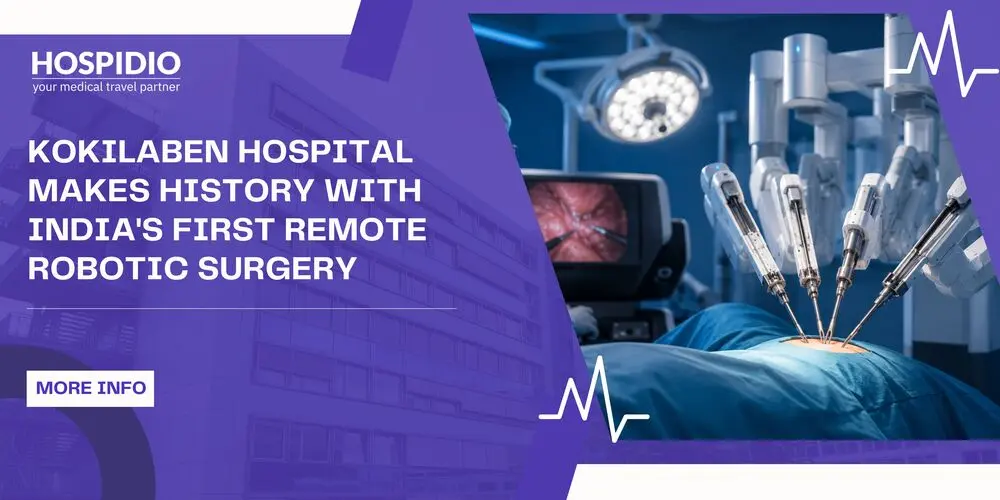
Nel dicembre 2025, un traguardo chirurgico ha silenziosamente riscritto i limiti di ciò che si riteneva possibile nella medicina moderna. Il Kokilaben Dhirubhai Ambani Hospital (KDAH) di Mumbai ha fatto la storia eseguendo i primi interventi chirurgici robotici a distanza in India, due complesse procedure urologiche, mentre il chirurgo operante si trovava a oltre 5,000 chilometri di distanza, a Shanghai, in Cina. Questo risultato ha segnato una svolta non solo per il sistema sanitario indiano, ma anche per il dibattito globale su come e dove le competenze chirurgiche possano essere erogate.
Cos'è successo: un chirurgo a Shanghai, pazienti a Mumbai
Il 30 dicembre 2025, KDAH ha eseguito con successo due procedure su pazienti separati a Mumbai sotto il controllo remoto di Dr. TB Yuvaraja, Direttore (di gruppo) di Uro-oncologia e Chirurgia robotica presso l'ospedale. Dr. Yuvaraja ha eseguito entrambi gli interventi chirurgici da Shanghai, una prostatectomia radicale robot-assistita e una nefrectomia parziale robot-assistita, superando una distanza geografica che, fino a poco tempo fa, avrebbe reso una tale precisione assolutamente inconcepibile.
Gli interventi chirurgici sono stati eseguiti utilizzando il sistema di chirurgia robotica remota Toumai, l'unica piattaforma chirurgica robotica all'epoca ad aver ottenuto l'approvazione della FDA statunitense per l'uso in telechirurgia. Aspetto cruciale, il sistema Toumai aveva anche ricevuto l'autorizzazione dalla Central Drugs Standard Control Organisation (CDSCO) indiana, rendendo questa la prima applicazione clinica approvata di questa tecnologia al di fuori dei confini nazionali.
Entrambe le procedure sono state completate con successo, senza compromettere la sicurezza del paziente, un risultato che ha confermato l'idoneità della telechirurgia per l'impiego clinico nel mondo reale.
La tecnologia alla base di questo traguardo.
Ciò che ha reso possibile questo traguardo è stata una complessa combinazione di trasmissione dati ad alta velocità e ingegneria di sicurezza multilivello. Il sistema ha operato con una latenza bidirezionale estremamente bassa di soli 132 millisecondi, sufficientemente rapida da consentire il controllo degli strumenti in tempo reale con la stessa precisione e affidabilità della chirurgia robotica convenzionale al letto del paziente.
Dr. YuvarajaIl chirurgo, che ha portato in sala operatoria un'esperienza di oltre 4,100 procedure robotiche, ha descritto il telecomando come straordinariamente fluido e stabile. Il sistema ha consentito una dissezione precisa e un movimento affidabile degli strumenti durante tutto l'intervento, senza alcun degrado delle prestazioni dovuto alla distanza intercontinentale.
L'esecuzione delle procedure ha richiesto una stretta e coordinata collaborazione tra team clinici, partner tecnologici e personale tecnico sia a Mumbai che a Shanghai. Protocolli di connettività, ridondanze di sicurezza e un'esecuzione impeccabile in tempo reale sono stati gestiti simultaneamente, dimostrando che la telechirurgia non era solo un concetto di laboratorio, ma una soluzione clinicamente valida e scalabile.
Perché questo è importante: la geografia come barriera all'assistenza chirurgica
Per comprendere il vero significato di questo risultato, è utile considerare il problema che ha affrontato. L'accesso a competenze chirurgiche specialistiche è stato a lungo distribuito in modo disomogeneo, concentrato nei centri urbani e negli ospedali universitari, e in gran parte precluso ai pazienti che vivono in comunità remote, rurali o svantaggiate. Per interventi complessi che richiedevano chirurghi altamente specializzati, i pazienti spesso non avevano altra scelta che percorrere lunghe distanze, con conseguenti costi, ritardi e rischi per la salute.
La chirurgia robotica a distanza ha presentato una potenziale risposta a questo problema. Se un chirurgo di Dr. Grazie alla sua competenza, Yuvaraja poteva operare da Shanghai con la stessa precisione come se si trovasse in sala operatoria a Mumbai; la conseguenza era profonda: la geografia non doveva più essere un fattore determinante per l'accesso dei pazienti a cure di livello mondiale.
Dr. Santosh Shetty, CEO e Direttore Esecutivo di KDAH, ha commentato la questione all'epoca, affermando che il risultato apriva nuove possibilità per ampliare l'accesso a cure chirurgiche avanzate, in particolare per i pazienti nelle regioni remote e svantaggiate.
Il ruolo dell'India nel dibattito globale sulla telechirurgia
Il traguardo raggiunto dal KDAH ha collocato l'India saldamente in un gruppo d'élite di paesi che stanno attivamente promuovendo l'innovazione nella telechirurgia. Prima di questo, interventi chirurgici robotici a distanza oltre confine erano stati segnalati solo in una manciata di casi a livello globale, per lo più come dimostrazioni di fattibilità piuttosto che come procedure cliniche approvate.
L'approvazione del sistema Toumai da parte del CDSCO e la riuscita esecuzione di due procedure in virtù di tale approvazione hanno rappresentato una svolta normativa e clinica, stabilendo un nuovo punto di riferimento per l'approccio dell'India all'adozione di tecnologie mediche emergenti. Hanno inoltre generato preziosi dati clinici reali che potranno essere utilizzati per orientare le future politiche, la formazione e lo sviluppo delle infrastrutture per i programmi di chirurgia in aree remote in tutto il paese.
Cosa significa questo per il turismo medico e l'assistenza sanitaria transfrontaliera
Per i pazienti che si recano all'estero per cure mediche, una popolazione che HOSPIDIO assiste quotidianamente, questo sviluppo ha avuto implicazioni particolarmente significative. La chirurgia robotica a distanza aveva il potenziale per trasformare l'esperienza del viaggio medico in due modi importanti.
- Primo: Ciò ha aperto la possibilità per i pazienti di ricevere cure chirurgiche specialistiche da esperti di fama mondiale senza doversi recare fisicamente sul posto. Un paziente in una città indiana di secondo livello, ad esempio, potrebbe teoricamente essere affidato alle mani di un chirurgo uro-oncologo di alto livello, ovunque si trovi nel mondo.
- Secondo: Ciò ha rafforzato la posizione dell'India come centro di eccellenza e innovazione chirurgica, una destinazione che offre non solo cure economicamente vantaggiose, ma anche tecnologie all'avanguardia e professionisti di livello mondiale disposti a spingere i confini di ciò che la medicina può fare.
Uno sguardo al futuro
Le procedure eseguite al KDAH nel dicembre 2025 sono state due, ma le loro implicazioni sono state ben più ampie. Hanno dimostrato che l'ecosistema sanitario indiano era pronto, dal punto di vista tecnologico, normativo e clinico, a partecipare alla prossima era dell'erogazione di cure chirurgiche.
Con il continuo sviluppo delle infrastrutture per la telechirurgia, si prevede che gli insegnamenti tratti da questo traguardo influenzeranno le reti ospedaliere, le iniziative sanitarie governative e le collaborazioni mediche globali. La questione non era più se la chirurgia robotica a distanza funzionasse. KDAH aveva già dato una risposta. La domanda ora era: quanto velocemente il resto del sistema sanitario sarebbe riuscito ad adeguarsi?
Se tu o una persona cara state valutando la possibilità di sottoporvi a interventi chirurgici avanzati in India, HOSPIDIO può aiutarvi a trovare l'ospedale e lo specialista più adatti alle vostre esigenze, ovunque vi troviate nel mondo. Richiedete oggi stesso un piano di trattamento gratuito.
Referenze
Global News on Network. (30 dicembre 2025). L'ospedale Kokilaben Dhirubhai Ambani esegue i primi interventi chirurgici robotici transfrontalieri a distanza in India; pazienti a Mumbai e chirurgo a Shanghai, a una distanza di oltre 5,000 km. https://globalnewsonnetwork.com/2025/12/30/kokilaben-dhirubhai-ambani-hospital-performs-indias-first-cross-border-remote-robotic-surgeries-patients-in-mumbai-and-surgeon-in-shanghai-a-distance-of-over-5000-km/
Informazioni sull'ospedale: Questo post del blog ha lo scopo di fornire informazioni fattuali e basate su prove concrete per tenere la nostra comunità informata sugli sviluppi globali in ambito sanitario. Consultate sempre un professionista sanitario per qualsiasi consiglio medico e seguite le indicazioni delle autorità sanitarie locali.
Blog recenti

Shruti Verma ha conseguito un Master in Biotecnologie e vanta esperienza nella redazione di testi medici e nello sviluppo di contenuti scientifici. È specializzata nel tradurre informazioni biomediche e sanitarie complesse in contenuti chiari, accurati e di facile lettura per un pubblico eterogeneo. Quando non si occupa di progettazione di contenuti, probabilmente si dedica alla grafica.
Guneet Bhatia è la fondatrice di HOSPIDIO e un'esperta revisore di contenuti con una vasta esperienza nello sviluppo di contenuti medici, nella progettazione didattica e nel blogging. Appassionata della creazione di contenuti di grande impatto, eccelle nel garantire accuratezza e chiarezza in ogni articolo. Guneet ama intavolare conversazioni significative con persone di diverse origini etniche e culturali, arricchendo così la sua prospettiva. Nel tempo libero, si dedica alla famiglia, ascolta buona musica e si diverte a ideare soluzioni innovative con il suo team.