
Custo da ablação cardíaca na Turquia
O custo da ablação cardíaca por radiofrequência (RFA) na Turquia varia de US$ 5,000 a US$ 8,000. O diagnóstico do paciente, a gravidade da arritmia cardíaca, a duração da cirurgia e o tipo de estudo eletrofisiológico necessário podem influenciar o custo final. Apesar dessas diferenças, a Turquia oferece competência de nível internacional e cuidados cardíacos de ponta a um custo significativamente menor do que muitos países ocidentais.
Custo estimado da ablação cardíaca
O que é ablação cardíaca?
A ablação cardíaca é um procedimento minimamente invasivo usado para tratar ritmos cardíacos anormais (arritmias). Ela funciona direcionando e destruindo pequenas áreas do tecido cardíaco que geram sinais elétricos defeituosos, causando batimentos cardíacos irregulares.
Estudo de eletrofisiologia (EPS)
Um estudo eletrofisiológico (EEF) é um exame cardíaco especializado usado para avaliar o sistema elétrico do coração. Ele ajuda os médicos a identificar a origem de ritmos cardíacos anormais (arritmias).
Durante o EPS:
Cateteres finos são inseridos através dos vasos sanguíneos e guiados até o coração.
Os sinais elétricos são registrados e analisados.
As vias rítmicas anormais estão precisamente localizadas.
O EPS é, primordialmente, um procedimento diagnóstico.
Ablação por Radiofrequência (RFA)
A ablação por radiofrequência (ARF) é um procedimento de tratamento frequentemente realizado imediatamente após o estudo eletrofisiológico (EEF), quando uma via elétrica anormal é detectada.
Durante a RFA:
A energia de radiofrequência controlada é administrada através de um cateter.
Pequenas áreas de tecido cardíaco problemático são destruídas.
O ritmo cardíaco normal é restaurado.
A ablação por radiofrequência (RFA) é um procedimento terapêutico.
Os pacientes mais frequentemente considerados para ablação cardíaca na Turquia incluem:
Fibrilação atrial (FA): Indivíduos com batimentos cardíacos irregulares, frequentemente rápidos, que aumentam o risco de acidente vascular cerebral ou causam desconforto.
Flutter atrial: Pacientes com atividade elétrica rápida, porém organizada, nos átrios, resultando em frequência cardíaca acelerada.
Taquicardia Supraventricular (TSV): Indivíduos que apresentam episódios de ritmo cardíaco anormalmente rápido, originados acima dos ventrículos.
Taquicardia Ventricular (TV): Um ritmo cardíaco rápido e potencialmente grave, originado nos ventrículos, que requer tratamento imediato.
Arritmias resistentes a medicamentos: Pacientes cujos problemas de ritmo cardíaco permanecem descontrolados apesar do uso de medicamentos antiarrítmicos.
Palpitações ou sintomas frequentes: Indivíduos com tonturas, falta de ar, fadiga ou desmaios devido a distúrbios do ritmo cardíaco.
Episódios recorrentes de arritmia: Pacientes com anormalidades repetidas do ritmo cardíaco que afetam as atividades diárias ou a qualidade de vida.
Tipos de ablação cardíaca na Turquia
Tipo de Ablação | Técnica Utilizada | Comumente usado para |
Ablação por Radiofrequência (RFA) | Energia térmica fornecida através de um cateter | Fibrilação atrial, flutter atrial, taquicardia supraventricular |
Crioablação | O frio extremo é usado para destruir tecido anormal. | Fibrilação atrial, certas taquicardias |
Ablação a laser | Energia laser aplicada ao tecido cardíaco alvo | Casos selecionados de arritmia |
Ablação por Microondas | Energia de micro-ondas para eliminar caminhos defeituosos | Arritmias menos comuns |
Ablação guiada por mapeamento 3D | Imagens avançadas com navegação precisa por cateter | Arritmias complexas |
Isolamento da Veia Pulmonar (IVP) | Isolamento de sinais anormais das veias pulmonares | Fibrilação atrial |
Nós cuidamos do planejamento.
Você se concentra na recuperação.
Desde a assistência com o visto médico até o traslado do aeroporto e a hospedagem local, a HOSPIDIO gerencia toda a sua viagem para tratamento médico.
Conte-nos sobre a sua necessidade.
Análise gratuita do caso. Confidencial. Sem compromisso.Custo da ablação cardíaca na Turquia: Inclusões e exclusões
Incluso: | Não Inclui: |
Honorários de cardiologista/eletrofisiologista | Estadia no hotel, refeições e voos |
Taxas do Teatro de Operações | Permanência prolongada no hospital |
Taxas de anestesia | Medicação pós-procedimento e acompanhamento. |
EPS (Estudo Eletrofisiológico) | Gestão de condições médicas não relacionadas |
Procedimento de radiofrequência/crioablação | |
Medicamentos e produtos de consumo padrão | |
Exame e liberação pré-anestésica | |
Estadia hospitalar e refeições (conforme o pacote) |
Outros fatores que afetam o custo
Tipo de arritmia em tratamento
Escolha do hospital, especialista e cidade
Tecnologia utilizada (mapeamento 3D, sistemas de navegação)
Complexidade e duração do procedimento
Estado clínico geral do paciente
Exames diagnósticos adicionais, quando necessários.
Exames diagnósticos antes da ablação cardíaca na Turquia
- Exames de sangue
- Eletrocardiograma (ECG ou EKG)
- Monitor holter
- Ecocardiograma
- Estudo de eletrofisiologia (EPS)
- Teste de estresse
O custo dos exames diagnósticos para ablação cardíaca na Turquia é de US$ 1000 a US$ 1500.
Sintomas que podem indicar a necessidade de ablação cardíaca
Pacientes com ritmos cardíacos anormais (arritmias) frequentemente apresentam sintomas que podem variar em intensidade e frequência. Os sinais de alerta comuns incluem:
Palpitações cardíacas: Sensação de batimentos cardíacos acelerados, irregulares ou com tremores.
Frequência cardíaca acelerada (taquicardia): Batimento cardíaco visivelmente rápido, mesmo em repouso.
Tontura ou vertigem: Sensação de desmaio ou instabilidade.
Falta de ar: dificuldade para respirar durante atividades leves ou em repouso.
Desconforto no peito: pressão, aperto ou dor leve.
Fadiga: Cansaço incomum ou redução da resistência física.
Síncope (desmaio): Perda súbita da consciência
Fraqueza: Redução da força física ou da energia.
Melhores hospitais para ablação cardíaca na Turquia
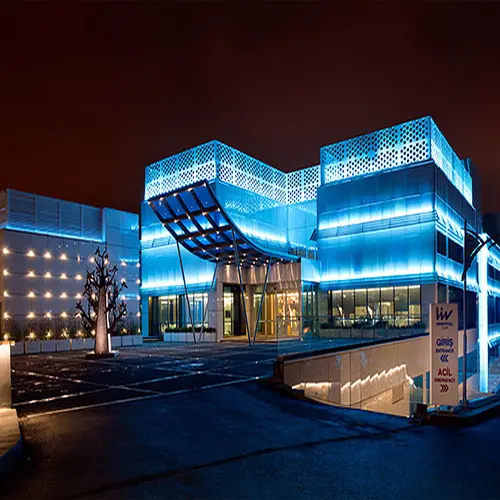

- 4.3
- 2k Avaliações
- (Google)
- 153+ Camas
- 50+ Departamentos
- 100+ Médicos
- 120k + Pacientes internacionais

- 2.6
- 2k Avaliações
- (Google)
- 220+ Camas
- 45+ Departamentos
- 200+ Médicos
- 90k + Pacientes internacionais
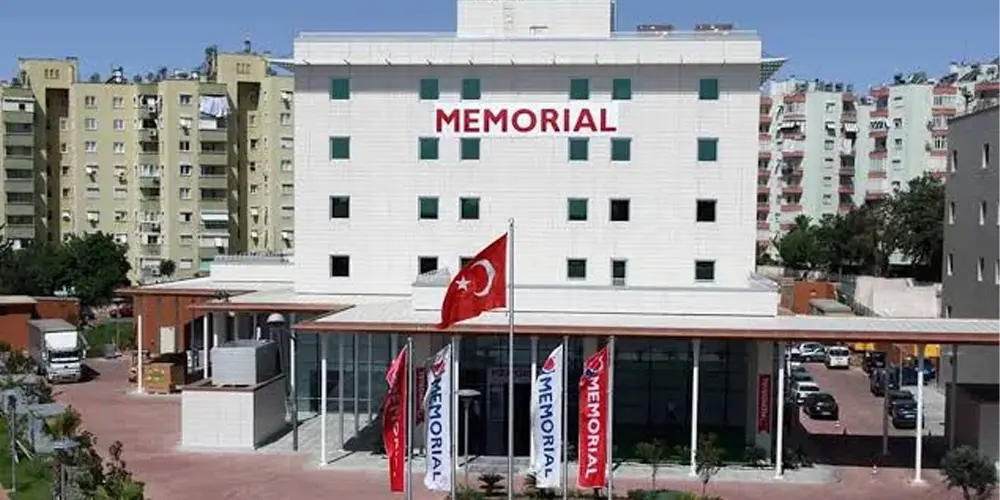
- 4.7
- 5k Avaliações
- (Google)
- 280+ Camas
- 45+ Departamentos
- 200+ Médicos
- 120k + Pacientes internacionais

- 4
- 2k Avaliações
- (Google)
- 300+ Camas
- 15+ Departamentos
- 50+ Médicos
- 100k + Pacientes internacionais

- 4.5
- 945 Avaliações
- (Google)
- 112+ Camas
- 20+ Departamentos
- 100+ Médicos
- 33k + Pacientes internacionais

- 3.9
- 3k Avaliações
- (Google)
- 197+ Camas
- 15+ Departamentos
- 24+ Médicos
- 13k + Pacientes internacionais
Melhores médicos para ablação cardíaca na Turquia
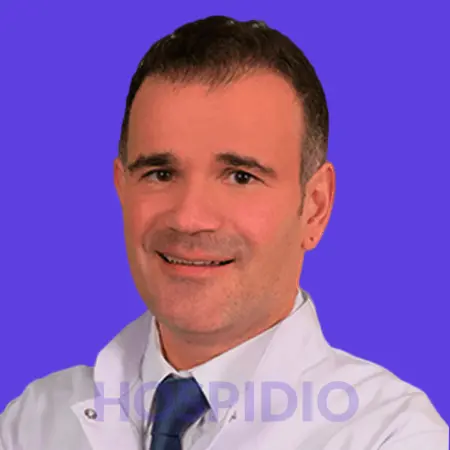
Especializado em



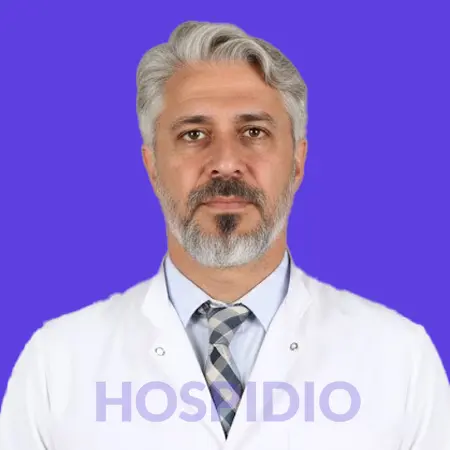
Especializado em

Perguntas frequentes
Os principais hospitais utilizam ferramentas avançadas, como mapeamento eletroanatômico 3D, energia de radiofrequência e técnicas de crioablação para um tratamento preciso.
Atividades leves geralmente podem ser retomadas em poucos dias, enquanto o tempo de recuperação completa depende da cicatrização individual e da orientação médica.
Muitos pacientes apresentam melhora do ritmo cardíaco a longo prazo após a ablação. O sucesso depende do tipo de arritmia, da condição cardíaca e da resposta individual ao tratamento.
O procedimento é realizado sob anestesia ou sedação. Os pacientes geralmente sentem um desconforto mínimo, podendo ocorrer uma leve dor após o procedimento.
O EPS (estimulação elétrica do coração) é um exame diagnóstico que mapeia a atividade elétrica do coração, permitindo que os especialistas identifiquem com precisão as vias anormais antes de realizar a ablação.
Alguns pacientes podem continuar a tomar medicamentos temporariamente durante a recuperação. A necessidade de medicação a longo prazo depende dos resultados do tratamento e da orientação médica.
A idade por si só não determina a elegibilidade. O estado geral de saúde, a função cardíaca e a avaliação de risco orientam as decisões de tratamento.
Muitos pacientes observam melhora dos sintomas em poucas semanas. Irregularidades temporárias no ritmo cardíaco podem ocorrer durante a fase de recuperação.
Riscos da ablação cardíaca
Pequeno sangramento ou hematoma no local de inserção do cateter
Desconforto ou dor temporária após o procedimento.
Reação alérgica leve a medicamentos ou contraste radiológico.
Distúrbios de curto prazo do ritmo cardíaco durante a recuperação.
Pequeno risco de lesão nos vasos sanguíneos
Possíveis complicações da ablação cardíaca
Infecção no ponto de inserção do cateter
Danos ao tecido cardíaco ou estruturas adjacentes
Coágulos sanguíneos que podem levar a um AVC (raro)
Acúmulo de líquido ao redor do coração (tamponamento cardíaco – incomum)
Em certos casos, é necessário repetir o procedimento de ablação.
Risco muito raro de eventos cardíacos graves.