
Minimally Invasive Gastric Surgery cost in India
The Minimally invasive gastric surgery cost in India ranges between $3,000 to $4,500, which is equivalent to 260,000 to 390,000 Indian Rupees. This category of surgery includes procedures such as laparoscopic gastrectomy, gastric bypass, and sleeve gastrectomy and is used to treat conditions ranging from obesity to stomach cancer or ulcers.
Unlike traditional open surgery, minimally invasive gastric surgery is performed using small incisions and specialised instruments, including a laparoscope (a small camera). This approach reduces postoperative pain, lowers the risk of infection, minimises scarring, and generally leads to a faster recovery.
Cost Range of Minimally Invasive Gastric Surgery cost in India
Key factors influencing the choice of procedure—such as laparoscopic sleeve gastrectomy, gastric bypass, or other minimally invasive techniques—include the underlying condition (e.g., obesity, gastric ulcers, tumors), the patient’s age, body mass index (BMI), nutritional status, and presence of comorbidities like diabetes or cardiovascular disease. The decision also considers previous abdominal surgeries and patient preferences.
Obtenez un devis gratuit
Types of Minimally Invasive Gastric Surgery in India
Here are the main types of minimally invasive gastric (stomach) surgeries, described briefly:
1. Laparoscopic Sleeve Gastrectomy (LSG)
- A large portion of the stomach is removed, leaving a narrow "sleeve"-shaped stomach.
- Reduces stomach capacity and appetite-regulating hormones.
- Commonly used for obesity and weight-related conditions.
2. Laparoscopic Gastric Bypass (Roux-en-Y)
- The stomach is divided into a small upper pouch, and a bypass is created to connect it directly to the small intestine.
- Limits food intake and nutrient absorption.
- Used in severe obesity or when GERD or diabetes coexists.
3. Laparoscopic Mini Gastric Bypass
- A simpler version of Roux-en-Y with one intestinal connection.
- Reduces surgery time and complexity but offers similar weight loss results.
- Increasingly popular in bariatric surgery.
4. Laparoscopic Gastrectomy (Partial or Total)
- Removal of part (distal or subtotal) or all of the stomach.
- Typically performed for stomach cancer, benign tumors, or severe ulcers.
- Reconstruction (e.g., Billroth I/II or Roux-en-Y) restores gastrointestinal continuity.
5. Laparoscopic Gastric Banding (Less Common Now)
- A silicone band is placed around the upper part of the stomach to create a small pouch.
- Restricts food intake without altering the stomach permanently.
- Has fallen out of favor due to lower long-term success rates.
6. Laparoscopic Gastrojejunostomy
- A bypass is created between the stomach and the jejunum (part of the small intestine).
- Often done to relieve gastric outlet obstruction or in palliative cancer care.
7. Laparoscopic Fundoplication
- The top part of the stomach (fundus) is wrapped around the esophagus.
- Primarily used to treat chronic gastroesophageal reflux disease (GERD).
Who Is an Eligible Candidate for Minimally Invasive Gastric Surgery in India?
Minimally invasive gastric surgery, which includes procedures such as laparoscopic sleeve gastrectomy, gastric bypass, and gastric resection, is recommended for a range of gastrointestinal conditions. Eligibility is determined based on medical need, surgical risk factors, and long-term health goals.
Critères d'admissibilité médicale
a) Confirmed Diagnosis of a Gastric Condition
The patient must have a clearly established diagnosis that warrants surgical intervention, confirmed by:
- Clinical Evaluation (persistent symptoms such as severe acid reflux, pain, nausea, or early satiety)
- Endoscopy (used to visualize ulcers, tumors, or other gastric abnormalities)
- Upper GI Series or Barium Swallow Test (helps assess gastric anatomy and function)
- CT or MRI Scans (useful in diagnosing tumors or complicated anatomical issues)
b) Gravité et symptômes
- Severe Obesity : Strong indication for bariatric gastric surgery
- Chronic Gastrointestinal Conditions: Such as ulcers, gastroparesis, or gastric outlet obstruction not responsive to medical therapy
- Gastric Tumors (benign or malignant): Indicated for partial or total gastrectomy using minimally invasive methods
Admissibilité spécifique au traitement
a) Laparoscopic Sleeve Gastrectomy / Gastric Bypass
- Ideal for patients with obesity-related conditions or functional gastric issues Candidates must have:
- Adequate cardiac and pulmonary fitness for general anesthesia
- No active gastrointestinal bleeding or untreated ulcers
- Psychological readiness and commitment to postoperative lifestyle changes
b) Laparoscopic Gastrectomy (for tumors or ulcers)
Preferred in early-stage stomach cancer or benign tumors Requires:
- Localized disease without extensive spread
- Tolerance for minimally invasive surgery
- Satisfactory nutritional and general health status
c) Revisional or Conversion Surgery Eligibility
For patients with complications or failure of previous bariatric or gastric procedures Needs:
- Detailed surgical history and imaging to assess adhesions or anatomical changes
- High-level surgical expertise due to increased complexity
- Strong indication for correction or improvement of function
d) Emergency Gastric Surgery Eligibility
Rare but required in cases such as perforated ulcers or gastric necrosis Candidates should ideally be:
- Hemodynamically stable, though surgery may proceed in critical conditions
- Rapidly stabilized with IV fluids, antibiotics, or blood products
Additional Considerations Age
- Typically recommended for adults aged 18–65, but older adults may be eligible based on functional health and surgical risk assessment
Conditions comorbides
- Diabetes, hypertension, or thyroid disorders must be controlled preoperatively
- Nutritional deficiencies must be addressed to prevent complications
Facteurs liés au mode de vie
- Smoking cessation, alcohol moderation, and weight loss counseling may be required
- Long-term adherence to dietary and behavioral changes is essential
Patient Commitment and Informed Consent
- Understanding of the procedure, risks, lifestyle modifications, and long-term follow-up is critical
- Psychological evaluation may be conducted, especially in bariatric cases, to ensure mental readiness and motivation
Types of Minimally Invasive Gastric Surgery Cost
Type of Minimally Invasive Gastric Surgery | Description | Coût estimé en Inde (USD) |
Gastrectomie par laparoscopie | Removes large portion of the stomach, leaving a tube-shaped "sleeve." Reduces appetite and food intake. Common for weight loss. | De 3,000 à 4,800 $ |
Laparoscopic Gastric Bypass (Roux-en-Y) | Creates a small stomach pouch and bypasses a portion of the small intestine to reduce calorie absorption. Effective for obesity, diabetes, and GERD. | De 3,600 à 5,400 $ |
Mini déviation gastrique | A simpler, shorter version of gastric bypass with a single intestinal loop. Offers significant weight loss benefits. | De 3,300 à 5,100 $ |
Laparoscopic Gastrectomy (Partial or Total) | Partial or complete removal of the stomach, often for cancer, ulcers, or tumors. Involves reconstructing the digestive tract. | De 3,600 à 6,000 $ |
Gastrojéjunostomie laparoscopique | Creates a direct connection between the stomach and jejunum to bypass blockages or treat gastric outlet obstruction. | De 3,000 à 4,800 $ |
Laparoscopic Fundoplication (for Hiatal Hernia/GERD) | The upper part of the stomach is wrapped around the lower esophagus to control acid reflux. Commonly used in hiatal hernia cases. | De 4000 à 5,000 $ |
Obtenez un devis gratuit
Minimally Invasive Gastric Surgery cost in India Inclusions
- Première consultation
- Traitement selon les conseils
- Médicaments et consommables courants nécessaires pendant l'hospitalisation
- Contrôle et autorisation pré-anesthésie
- Séjour à l'hôpital et repas selon le forfait
Minimally Invasive Gastric Surgery cost in India Exclusions
- Examen et tests préopératoires
- Séjour à l'hôtel, repas et vols
- Séjour hospitalier prolongé
- Suivis post-traitement
- Traitement de toute autre condition médicale sous-jacente
- Tout ce qui n'est pas couvert dans le package
- Des investigations ou des médicaments complexes
Other Factors Affecting Minimally Invasive Gastric Surgery cost in India
- Type de chirurgie conseillée
- Choix de l'emplacement, du médecin et de l'hôpital
- Antécédents médicaux préexistants
- Type et durée du traitement conseillé
Diagnostic Tests for Minimally Invasive Gastric Surgery in India
Types de tests | Description | Coût estimé en USD |
Des analyses de sang | Essential to assess blood count, liver/kidney function, blood sugar levels, and nutritional status. | De 30 à 60 $ |
Endoscopie digestive haute | Visual examination of the esophagus, stomach, and duodenum to detect ulcers, tumors, or inflammation. | De 100 à 200 $ |
Échographie abdominale | Helps assess stomach structure and detect fatty liver or gallstones. | De 50 à 100 $ |
CT/MRI Abdomen (if needed) | Used in complex cases to map anatomy or rule out tumors and other abnormalities. | De 120 à 250 $ |
Electrocardiogramme (ECG) | Checks heart rhythm and detects any cardiac risks prior to anesthesia. | De 50 à 70 $ |
Echocardiogram (if indicated) | Further assessment of heart function in patients with known or suspected heart conditions. | De 70 à 120 $ |
Test de fonction pulmonaire (PFT) | Evaluates lung function, especially in patients with asthma, COPD, or obesity-related breathing issues. | De 20 à 30 $ |
Pre-anesthesia Evaluation | Conducted by an anesthesiologist to assess readiness and minimize surgical/anesthesia risks. | De 50 à 80 $ |
Évaluation nutritionnelle et psychologique | Evaluates mental readiness and nutritional status, especially important in bariatric surgery cases. | De 40 à 70 $ |
Why is India Preferred as One of the Best Countries for Minimally Invasive Gastric Surgery?
India has emerged as a leading global destination for minimally invasive gastric surgery, attracting patients from around the world seeking high-quality care at affordable prices. With a robust healthcare infrastructure, internationally trained bariatric and gastrointestinal surgeons, and access to advanced laparoscopic and robotic surgical technologies, India offers world-class treatment for conditions such as obesity, acid reflux, gastric tumors, and metabolic disorders.
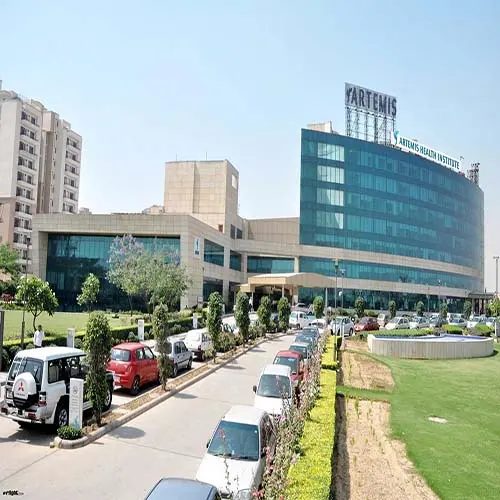
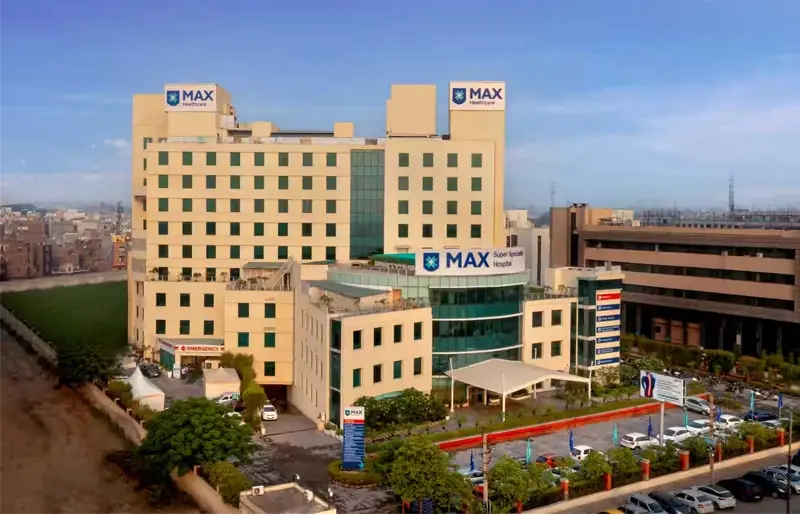
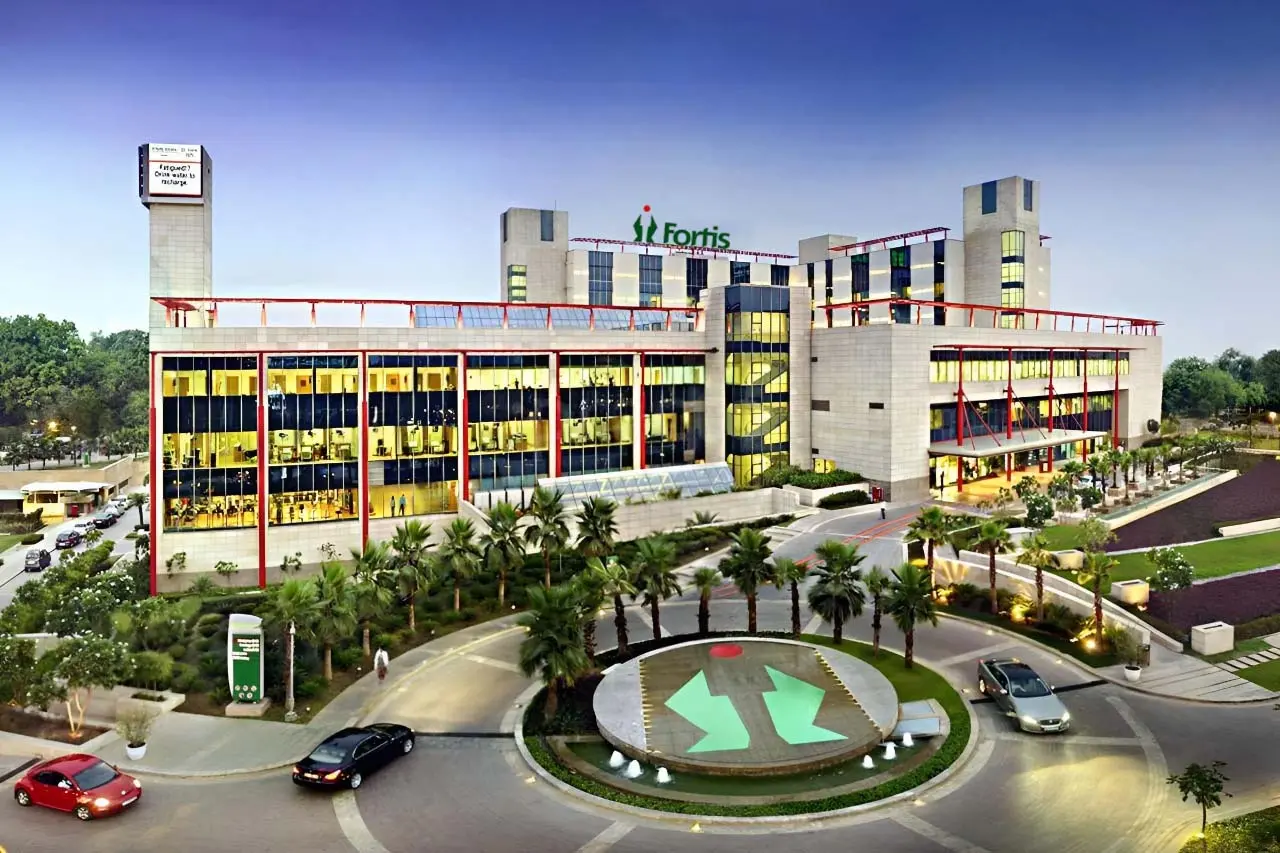
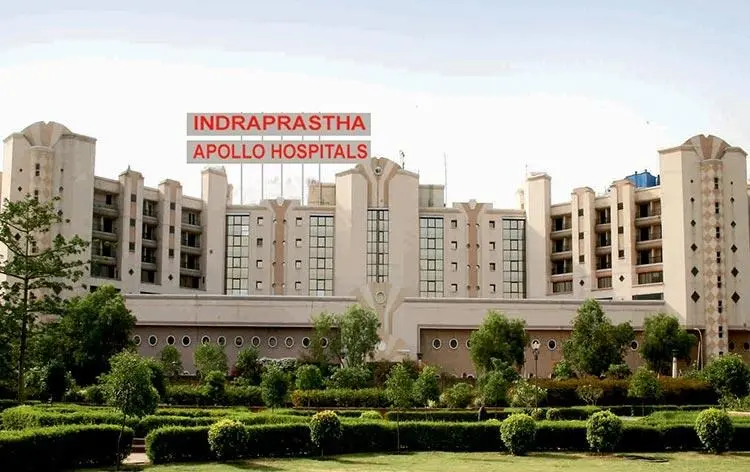
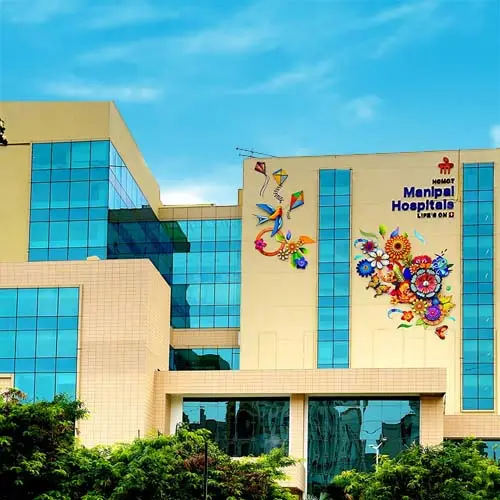
Minimally invasive gastric surgeries in India—such as laparoscopic sleeve gastrectomy, gastric bypass (Roux-en-Y or mini), fundoplication, and laparoscopic gastrectomy—are performed using the latest techniques that minimize trauma, reduce postoperative pain, and promote faster recovery. These procedures are carried out in renowned multispecialty hospitals and accredited bariatric centers like Apollo Hospitals, Max Healthcare, Fortis Hospitals, Medanta, and Manipal Hospitals, which are equipped with state-of-the-art operating suites, high-definition imaging, and enhanced recovery protocols.
Indian surgeons are among the most experienced in the world, having performed thousands of successful gastric surgeries on both domestic and international patients. They follow globally accepted protocols for preoperative evaluation, surgical technique, and postoperative care. Most centers in India also offer comprehensive multidisciplinary support, including nutritional counseling, psychological assessment, and long-term follow-up, which are essential for the success of bariatric and gastric interventions.
Moreover, India offers minimal waiting times for surgery, which means patients can undergo timely intervention for conditions like morbid obesity, gastric ulcers, or tumors without delay. The country also has dedicated international patient departments that assist with medical visas, airport transfers, translators, accommodation arrangements, and travel planning.
Best Minimally Invasive Gastric Surgery Hospitals in India
Best Gastrointestinal GI Surgeon in India