
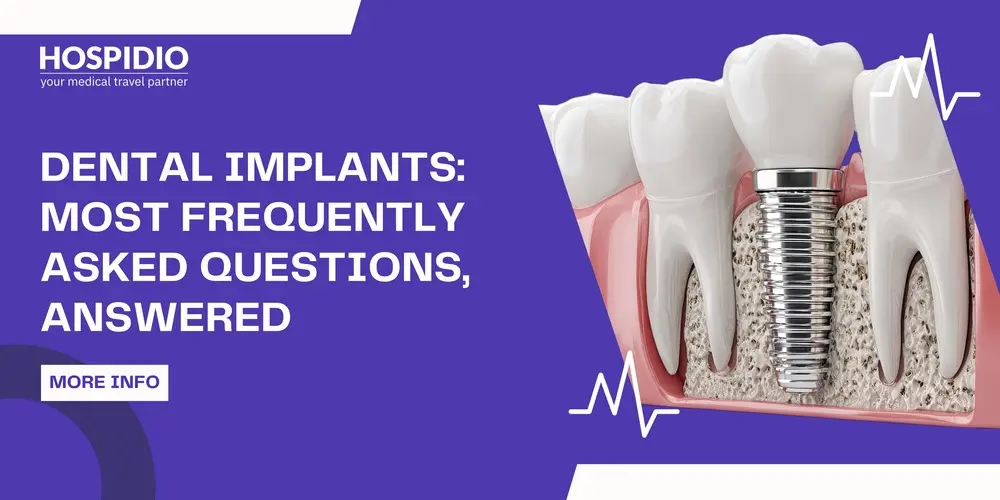
تُعدّ زراعة الأسنان من أكثر المواضيع بحثًا على الإنترنت في مجال طب الأسنان، وذلك لسبب وجيه: فهي قرارٌ هامٌّ يشمل التكلفة والجراحة وسنوات من الاستخدام اليومي. فيما يلي إجابات مباشرة على الأسئلة الأكثر شيوعًا، مستندة إلى أحدث الأدلة السريرية وتجارب المرضى الحقيقية، لكل من يبحث عن زراعة الأسنان أو يفكر في العلاج في الهند، سواءً في الولايات المتحدة أو المملكة المتحدة أو أستراليا أو دول الخليج أو غيرها.
هذا المحتوى مخصص لمعلومات عامة فقط، ولا يغني عن الفحص المباشر من قبل طبيب أسنان مؤهل أو أخصائي زراعة أسنان. يجب أن تستند خطة علاجك دائمًا إلى صور الأشعة السينية والفحوصات الطبية وتاريخك الطبي.
أحتاج إلى زراعة أسنان كاملة، وفي الولايات المتحدة سيكلفني ذلك 60 ألف دولار. أين يمكنني الذهاب بتكلفة معقولة؟
تكلفة زراعة الأسنان الكاملة في الفم، والتي تتراوح بين 50,000 و80,000 دولار أمريكي أو أكثر في الولايات المتحدة، تتراوح عادةً بين 6,000 و15,000 دولار أمريكي للفكين معًا في الهند، باستخدام نفس أنظمة زراعة التيتانيوم ومواد مماثلة. ويعود هذا التفاوت بشكل رئيسي إلى انخفاض تكاليف العمالة السريرية ورسوم المختبر في الهند، وليس إلى انخفاض جودة الزرعات؛ إذ تستخدم المستشفيات الهندية المعتمدة بشكل روتيني نفس العلامات التجارية العالمية (نوبل بيوكير، ستراومان، أوسستم) التي تستخدمها العيادات الأمريكية. وتُعد الهند والمكسيك وتايلاند وتركيا الوجهات الرئيسية التي يقارن المرضى أسعارها، وتُعتبر الهند عمومًا الأقل تكلفة من بين هذه الدول الأربع للحصول على جودة مماثلة. لذا، يُنصح دائمًا بطلب عرض سعر مكتوب ومفصل بعد مراجعة نتائج فحص التصوير المقطعي المحوسب ثلاثي الأبعاد (CBCT)، بدلًا من الاعتماد على السعر المعلن.
2. كم تبلغ تكلفة زراعة الأسنان في الهند، وكم تستغرق العملية بالكامل؟
تتراوح تكلفة زراعة سن واحد مع تاج في الهند عادةً بين 500 و1,500 دولار أمريكي، بينما تتراوح تكلفة ترميم الفك بالكامل باستخدام تقنية All-on-4 أو All-on-6 بين 3,000 و6,000 دولار أمريكي لكل فك، أما ترميم الفم بالكامل (الفكين) فيتراوح عادةً بين 6,000 و15,000 دولار أمريكي، وذلك حسب نوع الزرعة ومادة التركيبة وما إذا كانت هناك حاجة إلى ترقيع عظمي. يتضمن الجدول الزمني عادةً زيارتين: الأولى (من 5 إلى 8 أيام تقريبًا) لزراعة الأسنان وتركيب طقم أسنان مؤقت، والثانية (من 5 إلى 7 أيام تقريبًا) بعد ثلاثة إلى ستة أشهر، بمجرد اكتمال الاندماج العظمي، لتركيب التيجان أو الجسور الدائمة. يمكن لتقنيات التحميل الفوري تقصير الزيارة الأولى، مع بقاء فترة الشفاء الإجمالية كما هي.
3. أين يمكنني الحصول على زراعة أسنان رخيصة من طبيب جيد؟
إنّ أفضل طريقة للحصول على سعر معقول حقًا هي مقارنة العيادات المعتمدة بدلًا من البحث عن أقل سعر، لأنّ أرخص عرض غالبًا ما يكون مكلفًا للغاية في حال فشل الزرع. ابحث عن مستشفيات معتمدة من NABH أو JCI، وطبيب زراعة أسنان لديه سجلّ حافل بالحالات وتدريب متخصص (أخصائي أمراض اللثة، أو جراح الفم والوجه والفكين، أو أخصائي تركيبات الأسنان)، واستخدام التصوير المقطعي المحوسب ثلاثي الأبعاد (CBCT) كإجراء قياسي، وضمان كتابي على الزرعة. عادةً ما يعكس تفاوت الأسعار لنفس الإجراء اختلافات حقيقية في نوع الزرعة، والتصوير التشخيصي، والخبرة الجراحية، لذا اسأل عمّا يشمله السعر قبل مقارنة الأسعار.
4. هل زراعة الأسنان تستحق العناء؟
بالنسبة لمعظم الأشخاص الذين فقدوا سنًا واحدًا أو أكثر، نعم: تُعيد زراعة الأسنان وظيفة المضغ الكاملة، وتوقف فقدان عظم الفك الذي يلي فقدان الأسنان، ولا تتطلب أي تعديل للأسنان السليمة المجاورة، على عكس الجسور. عادةً ما يتم تعويض التكلفة الأولية الأعلى مقارنةً بأطقم الأسنان أو الجسور على مدى 10 إلى 20 عامًا، نظرًا لأن زراعة الأسنان لا تحتاج إلى إعادة تبطينها وتعديلها واستبدالها بشكل متكرر، وهو ما تتطلبه أطقم الأسنان والجسور عادةً كل 5 إلى 10 سنوات. ويُستثنى من ذلك المرضى الذين يعانون من حالات صحية تجعل جراحة زراعة الأسنان أو فترة التعافي محفوفة بالمخاطر، ولهذا السبب يُعد تقييم طبيب الأسنان أكثر أهمية من الرأي العام.
5. هل زراعة الأسنان دائمة بالفعل، أم أنها لا تزال بحاجة إلى صيانة؟
زراعة الأسنان ليست عملية لا تتطلب عناية، على الرغم من أن دعامة التيتانيوم المدمجة في عظم الفك قد تدوم لعقود أو مدى الحياة. عادةً ما يحتاج التاج أو التركيبة العلوية إلى استبدال أو إعادة تركيب بعد 10 إلى 15 عامًا بسبب التآكل الطبيعي، كما أن الزرعة نفسها تتطلب تنظيفًا يوميًا بالفرشاة والخيط أو جهاز تنظيف الأسنان المائي، بالإضافة إلى فحوصات دورية كل ستة أشهر لدى طبيب الأسنان للوقاية من التهاب اللثة حول الزرعة (التهاب ما حول الزرعة)، وهو السبب الرئيسي لفشل الزرعة على المدى الطويل. المرضى الذين يهملون الصيانة الدورية يكونون أكثر عرضة لفقدان الزرعة بعد سنوات.
6. هل تدوم زراعة الأسنان فعلاً "مدى الحياة"؟ هل ينبغي عليّ التفكير في تركيب جسر بدلاً من ذلك؟
تُظهر البيانات طويلة الأمد أن نسبة نجاح زراعة الأسنان تتراوح بين 95 و98% تقريبًا بعد 10 سنوات، وبين 90 و95% بعد 20 عامًا مع الصيانة الجيدة، لذا فإن بقاء الزرعة مدى الحياة أمرٌ واقعي للعديد من المرضى، ولكنه ليس مضمونًا. أما الجسر التقليدي فهو أقل تكلفة في البداية ولا يتطلب جراحة، ولكنه يعتمد على برد سنين مجاورتين سليمتين، ويحتاج عادةً إلى استبدال كل 10 إلى 15 عامًا، كما أنه لا يوقف فقدان عظم الفك تحت السن المفقود. بالنسبة لسن واحد مفقود لدى مريض يتمتع بعظم فك كافٍ ولا يعاني من أي مشاكل صحية كبيرة، تُعد زراعة الأسنان عمومًا الخيار الأفضل على المدى الطويل؛ بينما يبقى الجسر خيارًا معقولًا عندما لا يُنصح بإجراء جراحة زراعة الأسنان أو عندما تحتاج الأسنان المجاورة إلى تركيب تيجان.
7. هل تبدو عمليات زراعة الثدي طبيعية تمامًا بعد العملية؟
نعم، بمجرد اكتمال الشفاء، يُفيد معظم المرضى بأن الزرعة تُشعر المريض وكأنها سن طبيعي تمامًا، لأنها مثبتة مباشرة في عظم الفك بدلًا من أن تستقر على اللثة كطقم الأسنان. هناك فترة تأقلم قصيرة تمتد لبضعة أسابيع، قد يشعر خلالها المريض باختلاف طفيف في حجم أو موضع التاج، كما أن الزرعات تفتقر إلى الرباط اللثوي الموجود في السن الطبيعي، لذا فهي لا تُعطي نفس الإحساس الدقيق بضغط العض. في الحياة اليومية، من تناول الطعام والتحدث والابتسام، لا يكون الفرق ملحوظًا عادةً للمريض أو لأي شخص آخر.
8. كيف تتم عملية زراعة الأسنان؟ ما الذي يمكن سماعه والشعور به أثناء العملية؟
يتم تخدير المنطقة بالكامل باستخدام التخدير الموضعي (يتوفر التخدير المهدئ للمرضى القلقين)، لذا لن تشعر بألم أثناء الجراحة نفسها، مع أنك ستشعر ببعض الضغط والاهتزاز وبعض الإحساس بالدفع أثناء تحضير موضع الزرع ووضع الزرعة. ستسمع صوت المثقاب، الذي ينتقل جزئيًا عبر التوصيل العظمي، وقد يبدو أعلى من صوته الحقيقي؛ يصفه معظم المرضى بأنه مزعج أكثر من كونه مؤلمًا. تستغرق عملية زرع سن واحد عادةً من 30 إلى 90 دقيقة، بينما قد تستغرق عملية زرع قوس كامل عدة ساعات، وغالبًا ما تُجرى تحت التخدير الواعي لراحة المريض.
9. ما مدى الألم المصاحب لزراعة الأسنان؟
لا يشعر المريض بألم يُذكر أثناء الجراحة نفسها، ولكن من الطبيعي الشعور بألم خفيف إلى متوسط، وتورم، وكدمات لمدة تتراوح بين 3 و5 أيام بعد الجراحة، ويمكن السيطرة على ذلك باستخدام مسكنات الألم المتاحة دون وصفة طبية أو الموصوفة طبيًا. يعود معظم المرضى إلى ممارسة أنشطتهم الطبيعية في غضون يوم أو يومين، وإلى تناول الطعام بشكل طبيعي في غضون أسبوع إلى 10 أيام. أما الألم الشديد، أو الذي يزداد سوءًا بعد اليوم الثالث أو الرابع، أو المصحوب بحمى أو صديد، فهو ليس علامة على الشفاء الطبيعي، ويجب فحصه فورًا، لأنه قد يشير إلى وجود عدوى.
10. كيف تكون فترة التعافي بعد زراعة الأسنان؟
تشمل الساعات الـ 48 إلى 72 الأولى تورمًا ونزيفًا طفيفًا وتناول الأطعمة اللينة، ويعود معظم الناس إلى العمل المكتبي في غضون يوم إلى ثلاثة أيام. يستغرق التئام الأنسجة الرخوة بالكامل حوالي أسبوع إلى أسبوعين، لكن عظم الفك يحتاج من 3 إلى 6 أشهر للاندماج التام مع الزرعة (الاندماج العظمي) قبل أن يصبح قويًا بما يكفي لدعم تاج دائم، ولهذا السبب تُستخدم أسنان مؤقتة خلال هذه الفترة. التدخين، وسوء نظافة الفم، وصرير الأسنان خلال هذه الفترة، كلها عوامل تُبطئ عملية الشفاء وتزيد من خطر فشل الزرعة مبكرًا.
11. هل ينبغي عليّ إجراء عملية زراعة أسنان وأنا في التاسعة عشرة من عمري؟
يعتمد الأمر على اكتمال نمو الفك، إذ أن زراعة الأسنان قبل اكتمال النمو قد تجعله يبدو غائرًا أو غير متناسق مع استمرار تحرك الأسنان المحيطة. يكتمل نمو الفك عادةً في سن الثامنة عشرة تقريبًا لدى الإناث، وفي سن العشرين أو الحادية والعشرين تقريبًا لدى الذكور، لذا يتأكد طبيب الأسنان عادةً من توقف النمو باستخدام صورة أشعة سينية لليد أو المعصم، أو بمقارنة النمو على مر الزمن قبل المتابعة في سن التاسعة عشرة. إذا لم يكتمل النمو بعد، يُستخدم عادةً حل مؤقت مثل جهاز تقويم الأسنان المتحرك، أو سن مدعوم بجهاز تثبيت، أو جسر لاصق، للحفاظ على المساحة حتى يمكن زراعة الأسنان بأمان.
12. هل يجب أن يقوم طبيب الأسنان المعتاد بإجراء عملية زراعة الأسنان، أم يجب أن أستشير أخصائيًا؟
يستطيع طبيب الأسنان العام الحاصل على تدريب متخصص في زراعة الأسنان وسجل حافل بالنجاح إجراء عمليات زراعة الأسنان بنجاح، لا سيما في حالات زراعة الأسنان الفردية البسيطة. أما أخصائي أمراض اللثة، أو جراح الفم والوجه والفكين، أو أخصائي تركيبات الأسنان، فيمتلك سنوات إضافية من التخصص الجراحي أو الترميمي، مع التركيز بشكل خاص على زراعة الأسنان وحالات العظام المعقدة. في الحالات التي تتجاوز البساطة، مثل فقدان العظام الكبير، أو قرب الجيوب الأنفية، أو ترميم الفك بالكامل، أو المرضى ذوي الحالات الطبية المعقدة، فإن استشارة أخصائي تمنح فرص نجاح أفضل على المدى الطويل. والسؤال الأهم الذي يجب طرحه على أي طبيب، سواء كان طبيب أسنان عام أو أخصائي، هو: كم عدد عمليات زراعة الأسنان التي يجريها سنوياً، وما هو معدل نجاحه الموثق؟
13. بدأت زراعة الأسنان تؤلمني بعد 15 عامًا من تركيبها. ماذا أفعل؟
يُنصح بمراجعة طبيب الأسنان فورًا بدلًا من الانتظار، لأن الألم الذي يظهر بعد كل هذه السنوات غالبًا ما يكون سببه التهاب ما حول الزرعة (عدوى اللثة والعظم المحيط بالزرعة)، أو ارتخاء برغي الدعامة أو التاج، أو وجود شرخ دقيق في الزرعة أو التركيبة السنية نتيجة سنوات من الضغط. سيُظهر الفحص بالأشعة السينية والفحص السريري ما إذا كانت المشكلة عدوى في الأنسجة الرخوة، أو فقدانًا في العظم، أو مشكلة ميكانيكية، ولكل منها علاج مختلف، بدءًا من التنظيف العميق والمضادات الحيوية، مرورًا بشد أو استبدال أحد المكونات، وصولًا إلى إزالة الزرعة واستبدالها في الحالات المتقدمة. يُعدّ الألم المتأخر أحد أكثر الأسباب شيوعًا لفقدان الزرعات في نهاية المطاف، لذا فإن العلاج المبكر يُحسّن بشكل كبير من فرص إنقاذها.
14. ماذا يحدث عندما تفشل زراعة الأسنان في نهاية المطاف؟
في حال فشل الزرعة، سواءً كان ذلك بسبب عدوى أو كسر ميكانيكي أو عدم كفاية دعم العظم، تُزال الزرعة، ويُترك موضعها ليشفى (غالباً مع ترقيع عظمي لإعادة بناء العظم المفقود)، ويمكن عادةً وضع زرعة جديدة بعد فترة شفاء تستغرق بضعة أشهر. في حالات نادرة لا يستطيع فيها العظم دعم زرعة أخرى، قد يُوصى ببدائل مثل جسر الأسنان، أو زرعة عظم الوجنة المثبتة في عظم الوجنة، أو طقم أسنان متحرك. معدلات الفشل منخفضة، تتراوح بين 2 و5 بالمئة تقريباً حسب عوامل المريض وخبرة الجراح، وتكون في أعلى مستوياتها في السنة الأولى بعد الزرع، ثم مرة أخرى بعد مرور 10 سنوات.
15. إذا كان بإمكانك العودة بالزمن إلى الوراء قبل إجراء عملية زراعة الأسنان، فما هي النصائح التي سيقدمها الناس لأنفسهم؟
يُعرب المرضى الذين خضعوا لهذه العملية في أغلب الأحيان عن رغبتهم في اختيار أخصائي ذي خبرة بدلاً من الاعتماد على أرخص عرض سعر، وإدراكهم مُسبقاً أن العملية برمتها (بما في ذلك فترة التعافي) قد تستغرق من 3 إلى 9 أشهر بدلاً من توقع نتائج فورية، واهتمامهم بصيانة الزرعة بانتظام منذ اليوم الأول بدلاً من اعتبارها سناً يُركّب ويُنسى. كما يُشير الكثيرون إلى رغبتهم في طرح المزيد من الأسئلة حول ماركة الزرعة وضمانها قبل اتخاذ القرار، إذ قد يصعب صيانة الأنظمة الرخيصة لاحقاً في حال الحاجة إلى استبدال أحد مكوناتها.
16. متى يكون زرع الأسنان هو الخيار الأمثل؟
تُعدّ زراعة الأسنان الخيار الأمثل عمومًا عند فقدان سنّ أو أكثر، مع وجود (أو إمكانية بناء عظم فكّ سليم كافٍ لدعمها، ولثة سليمة، وعدم وجود حالة طبية غير مُسيطَر عليها تُعيق الشفاء بشكلٍ كبير. كما أنها الخيار المُفضّل عند الرغبة في تجنّب التأثير على الأسنان السليمة المجاورة، والتي يتطلّب تركيب جسر الأسنان بردها. مع ذلك، لا تُعدّ زراعة الأسنان الخيار الأمثل في جميع الحالات، مثل المرضى صغار السنّ الذين لا تزال فكوكهم في طور النمو، أو مرضى السكري الحادّ غير المُسيطَر عليه أو أمراض اللثة غير المُعالَجة، أو عندما يكون هناك خيار أبسط وأقلّ توغّلًا يُناسب الحالة بشكلٍ أفضل.
17. هل زراعة الأسنان آمنة؟ ما هي عوامل الخطر؟
تُستخدم زراعة الأسنان منذ أكثر من 30 عامًا، وتُعتبر إجراءً آمنًا وفعّالًا، حيث تتجاوز نسبة نجاحها 95% بعد 10 سنوات، مع وجود بعض المخاطر كأي جراحة. تشمل عوامل الخطر الرئيسية التدخين (نسبة فشل الزراعة لدى المدخنين ضعف النسبة لدى غير المدخنين تقريبًا)، وداء السكري غير المُسيطر عليه (مستوى الهيموجلوبين السكري HbA1c أعلى من 8%)، وأمراض اللثة غير المُعالجة، وانخفاض كثافة عظام الفك، وتناول بعض أدوية هشاشة العظام (مثل البيسفوسفونات)، وتاريخ العلاج الإشعاعي للرأس أو الرقبة. لا تُشكل معظم هذه العوامل عوائق مطلقة، بل يجب التعامل معها أو أخذها في الاعتبار عند وضع خطة العلاج، ولذلك يُعدّ استعراض التاريخ الطبي الكامل جزءًا أساسيًا من أي استشارة خاصة بزراعة الأسنان.
18. هل يمكنني الحصول على زراعة أسنان بعد سنوات من خلع السن؟
نعم، يمكن زراعة الأسنان حتى بعد عقود من خلع السن، ولكن كلما طالت مدة فقدان السن، زاد احتمال ترقق عظم الفك في تلك المنطقة نتيجة قلة الاستخدام، مما قد يستدعي إجراء ترقيع عظمي أو رفع الجيوب الأنفية قبل أو أثناء زراعة الأسنان. يُضيف هذا بضعة أشهر إلى فترة التعافي، ولكنه لا يُعيق عادةً استمرار العلاج. سيُظهر فحص التصوير المقطعي المحوسب ثلاثي الأبعاد (CBCT) بدقة كمية العظم الموجودة وما إذا كان الترقيع ضروريًا لحالتك.
19. هل يمكن وضع الغرسة مباشرة بعد الخلع، أم أن هناك فترة انتظار؟
يُستخدم كلا النهجين، ويعتمد اختيار أحدهما على حالة موضع الخلع. يُمكن إجراء الزرع الفوري، في نفس يوم الخلع، عندما يكون تجويف السن سليمًا وخاليًا من العدوى ويحتوي على كمية كافية من العظم المحيط، مما يُقلل من مدة العلاج الإجمالية. أما في حالة وجود عدوى أو نقص في العظم أو رقة في جدار اللثة، فإن الانتظار لمدة تتراوح بين شهرين وستة أشهر يُعدّ أكثر أمانًا ويُعطي نتائج طويلة الأمد أكثر قابلية للتنبؤ.
20. هل يؤثر التدخين أو مرض السكري على نجاح زراعة الأسنان؟
نعم، كلاهما من عوامل الخطر المعروفة، مع أن أياً منهما لا يستبعد العلاج تلقائياً. تبلغ نسبة فشل زراعة الأسنان لدى المدخنين حوالي 11% مقارنةً بنحو 5% لدى غير المدخنين، ويعود ذلك أساساً إلى أن التدخين يقلل تدفق الدم ويبطئ التئام العظام؛ لذا فإن الإقلاع عن التدخين لمدة أسبوعين على الأقل قبل الجراحة والامتناع عنه لمدة ثمانية أسابيع بعدها يُحسّن النتائج بشكل ملحوظ. يُظهر مرضى السكري المُسيطر عليه جيداً (مستوى الهيموجلوبين السكري أقل من 8%) معدلات بقاء مماثلة لمرضى السكري غير المُسيطر عليه، بينما يرتبط مرض السكري غير المُسيطر عليه جيداً بفقدان أكبر للعظام ومضاعفات حول الزرعة مع مرور الوقت.
21. ما الفرق بين زراعة الأسنان المصنوعة من التيتانيوم وزراعة الأسنان المصنوعة من الزركونيا؟
تُعدّ غرسات التيتانيوم المعيار الراسخ منذ زمن طويل، مدعومةً بأكثر من 30 عامًا من البيانات السريرية، وتتميز باندماجها الممتاز مع العظام، وتوفرها بأوسع نطاق من الأحجام والأنظمة. أما غرسات الزركونيا فهي بديل خالٍ من المعادن، بلون الأسنان، يفضله بعض المرضى لأسباب جمالية أو بسبب حساسية الأسنان للمعادن، مع معدلات نجاح مماثلة عمومًا على المدى القصير والمتوسط، على الرغم من أن البيانات المتاحة على المدى الطويل أقل من تلك الخاصة بالتيتانيوم. بالنسبة لمعظم المرضى، يبقى التيتانيوم هو الخيار الموصى به، بينما تُعتبر الزركونيا خيارًا مناسبًا لتفضيلات جمالية أو بيولوجية محددة.
22. هل أحتاج إلى السفر إلى الهند مرتين لزراعة الأسنان، أم يمكن القيام بذلك في رحلة واحدة؟
يعتمد الأمر على التقنية المستخدمة. في حالات زراعة الأسنان الكاملة بتقنية "All-on-4" أو "All-on-6" مع التحميل الفوري، يمكن إتمام العملية في زيارة واحدة مطولة تتراوح بين 7 و10 أيام، باستخدام تركيبات سنية ثابتة مؤقتة، مع زيارة متابعة أقصر لاحقًا لتركيب التركيبة النهائية. أما زراعة الأسنان التقليدية، سواءً كانت مفردة أو متعددة، فتتطلب عادةً زيارتين منفصلتين، إذ يجب ترك الزرعة لتندمج مع العظم لمدة تتراوح بين 3 و6 أشهر قبل تركيب التاج الدائم، والاستعجال في هذه الخطوة يزيد من خطر فشل العملية.
23. كيف يمكنني التأكد من أن عيادة زراعة الأسنان في الهند آمنة وذات سمعة طيبة؟
تحقق من اعتماد المستشفى (NABH أو JCI) أو شهادة العيادة، وتأكد من مؤهلات أخصائي زراعة الأسنان وعدد الحالات التي أجراها، واسأل عما إذا كان التصوير المقطعي المحوسب ثلاثي الأبعاد (CBCT) معيارًا لتخطيط العلاج، واطلب الاطلاع على نوع الزرعة المستخدمة وشروط ضمانها. ستشارك العيادات الموثوقة هذه المعلومات بسهولة وستقدم لك خطة علاجية مفصلة مكتوبة قبل سفرك، بدلاً من دفع مبلغ إجمالي واحد.
24. هل يتوفر التخدير للمرضى الذين يشعرون بالقلق بشأن جراحة الزرع؟
نعم، تُقدّم معظم عيادات زراعة الأسنان خياراتٍ تتراوح بين التخدير الموضعي فقط، والتخدير الفموي، والتخدير الوريدي الواعي للمرضى الذين يعانون من قلق الأسنان، أو الذين يخضعون لإجراءات زراعة أسنان كاملة طويلة. من المهم مناقشة هذا الأمر مباشرةً خلال الاستشارة، إذ تختلف خيارات التخدير وإمكانية تطبيقها بأمان باختلاف العيادة ومدى تعقيد الحالة.
25. هل ستؤدي زراعة الأسنان إلى إطلاق أجهزة الكشف عن المعادن في المطارات، أو ستظهر في فحوصات التصوير بالرنين المغناطيسي؟
لا، لا تُثير زراعات الأسنان المصنوعة من التيتانيوم والزركونيا عادةً أجهزة الكشف عن المعادن في أمن المطارات، لأن الكمية الضئيلة من المعدن فيها أقل بكثير من عتبة الكشف. كما أنها تُعتبر آمنة بشكل عام لإجراء فحوصات الرنين المغناطيسي، لأن التيتانيوم غير مغناطيسي، ومع ذلك، يُنصح بإبلاغ طاقم الأشعة بأي زراعات أسنان قبل إجراء فحص الرنين المغناطيسي حتى يتمكنوا من تسجيلها في ملفك.
كيف يساعد HOSPIDIO
إذا كنتَ تُقارن بين زراعة الأسنان وتكلفة العلاج في بلدك، فإنّ HOSPIDIO تربط المرضى الدوليين والمحليين بأفضل المستشفيات في الهند الحاصلة على اعتماد NABH وJCI، بالإضافة إلى أخصائيي زراعة الأسنان ذوي الخبرة، وتُقدّم لك تقديرًا واضحًا وشاملًا للتكلفة حتى لا تكون هناك أي مفاجآت بعد وصولك. يُمكننا مساعدتك في:
- مراجعة مجانية لأشعة الأسنان أو صور المسح الضوئي من قبل أخصائيي زراعة أسنان مؤهلين.
- تقدير تكلفة علاج شفاف وشامل يغطي عمليات الزرع، والأطراف الاصطناعية، وأي عملية ترقيع عظمي.
- المساعدة في اختيار طبيب زراعة الأسنان المناسب والمستشفى المعتمد لحالتك الخاصة
- تنسيق السفر والإقامة وزيارات المتابعة للمرضى القادمين من خارج المدينة والمرضى الدوليين
المدونات الأخيرة

Dr. باسم بارفيز أخصائي علاج طبيعي مرخص واستشاري أول للمرضى في مستشفى هوسبيديو، حاصل على ماجستير إدارة الأعمال في الإدارة الصحية. بفضل خبرته السريرية الواسعة ونهجه الإنساني، يساعد المرضى في رحلة علاجهم. Dr. كما يستغل باسم موهبته في الكتابة لتبسيط المعلومات المعقدة المتعلقة بالرعاية الصحية، مما يمكّن المرضى من اتخاذ قرارات مستنيرة ويعزز الوضوح والثقة في رحلاتهم الطبية.
غونيت بهاتيا مؤسسة هوسبيديو، وهي مُراجعة محتوى بارعة تتمتع بخبرة واسعة في تطوير المحتوى الطبي، وتصميم المواد التعليمية، والتدوين. شغوفةٌ بإنشاء محتوى مؤثر، تُبدع في ضمان الدقة والوضوح في كل مادة. تستمتع غونيت بالتفاعل مع أشخاص من خلفيات عرقية وثقافية متنوعة، مما يُثري منظورها. في أوقات فراغها، تُقدّر غونيت قضاء وقت ممتع مع عائلتها، وتستمتع بالموسيقى الجميلة، وتُحبّ تبادل الأفكار المبتكرة مع فريقها.