
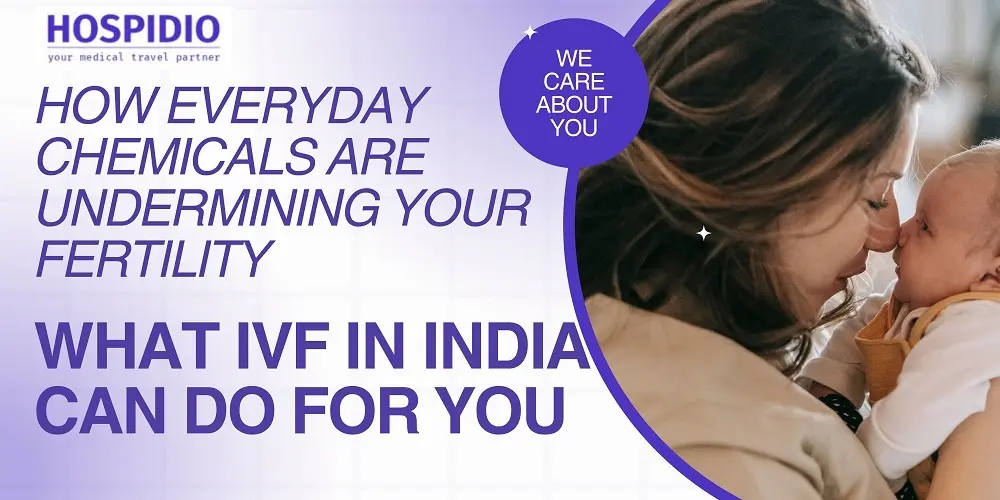
Com a queda contínua das taxas de fertilidade globais, muitos pesquisadores apontam para um fator oculto que pode estar afetando a reprodução: os produtos químicos presentes em nosso cotidiano. De produtos domésticos a embalagens de alimentos, os desreguladores endócrinos (EDCs) estão sendo cada vez mais associados à redução da fertilidade em homens e mulheres.
Compreender como esses produtos químicos interferem nos processos naturais do nosso corpo é crucial para qualquer pessoa preocupada com a sua saúde reprodutiva. Neste artigo, exploraremos a ligação entre as toxinas ambientais e a diminuição da fertilidade, e como opções como a fertilização in vitro (FIV) na Índia podem oferecer esperança a quem enfrenta problemas de infertilidade.
A crise da fertilidade em declínio: uma visão geral global.
As taxas de fertilidade atingiram mínimos históricos em muitas partes do mundo. De acordo com a Organização para a Cooperação e Desenvolvimento Econômico (OCDE), as taxas de fertilidade caíram de uma média de 3.3 filhos por mulher em 1960 para apenas 1.5 em 2022. Nos Estados Unidos, a taxa de fertilidade total (TFT) caiu para um mínimo histórico de 1.6 filhos por mulher em 2022, muito abaixo do nível de reposição de 2.1 filhos. Na Coreia do Sul, a TFT deverá cair para um nível sem precedentes de 0.68 em 2024, evidenciando uma tendência que poderá ter consequências de grande alcance para a população global.
Embora fatores como educação, busca de carreira, condições econômicas e acesso a contraceptivos sejam frequentemente citados como razões para esse declínio, pesquisas recentes sugerem que toxinas ambientais, particularmente os desreguladores endócrinos (EDCs), desempenham um papel significativo.
Nós cuidamos do planejamento.
Você se concentra na recuperação.
Desde a assistência com o visto médico até o traslado do aeroporto e a hospedagem local, a HOSPIDIO gerencia toda a sua viagem para tratamento médico.
Conte-nos sobre a sua necessidade.
Análise gratuita do caso. Confidencial. Sem compromisso.Substâncias químicas e seu impacto na fertilidade
Os desreguladores endócrinos (EDCs) são substâncias químicas que interferem nas funções hormonais do corpo. Essas substâncias podem ser encontradas em diversos produtos, desde plásticos e produtos de higiene pessoal até pesticidas e recipientes de alimentos. Alguns EDCs comuns incluem:
- Ftalatos: Encontrado em plásticos, produtos de higiene pessoal e cosméticos.
- Bisfenol A (BPA): Utilizado em embalagens de alimentos e garrafas de água.
- Pesticidas: Produtos químicos utilizados na agricultura que contaminam o abastecimento alimentar.
Estudos demonstraram que a exposição a essas substâncias pode levar a uma série de problemas de fertilidade. Por exemplo, um estudo realizado com mais de 1,000 mulheres em Singapura descobriu que níveis sanguíneos mais elevados de substâncias perfluoroalquiladas (PFAS), uma classe de desreguladores endócrinos, estavam associados a uma redução de 30 a 40% na probabilidade de engravidar ou ter um parto com feto vivo.
Os desreguladores endócrinos podem perturbar a sinalização hormonal do corpo, que desempenha um papel crucial nos processos reprodutivos. Nas mulheres, isso pode levar a condições como:
- Anovulação (ausência de ovulação)
- Ciclos menstruais irregulares
- Aumento do risco de aborto espontâneo
Para os homens, o impacto não é menos severo. A exposição a substâncias químicas como o BPA e os ftalatos tem sido associada a:
- Contagem de esperma reduzida
- Motilidade espermática prejudicada
- Desequilíbrios hormonais
O crescente número de evidências que relaciona a exposição a desreguladores endócrinos à infertilidade levou especialistas a pedir maior conscientização e regulamentações mais rigorosas para limitar a exposição a substâncias químicas em produtos de uso diário.
O papel da fertilização in vitro na superação da infertilidade
Para pessoas afetadas pela infertilidade, tratamentos como a fertilização in vitro (FIV) podem oferecer esperança. A FIV é um procedimento médico no qual um óvulo e um espermatozoide são combinados fora do corpo para facilitar a gravidez. Na Índia, a FIV tornou-se uma opção cada vez mais popular e acessível para casais que enfrentam dificuldades de fertilidade devido a fatores ambientais e genéticos.
O setor de fertilização in vitro (FIV) na Índia apresentou um crescimento significativo na última década, com clínicas de última geração e especialistas altamente qualificados oferecendo atendimento de padrão internacional a preços competitivos. A FIV na Índia é especialmente atraente para pacientes internacionais devido ao seu custo mais acessível em comparação com os países ocidentais.
Os avanços recentes na tecnologia de fertilização in vitro (FIV), como a triagem genética e o congelamento de embriões, melhoraram significativamente as taxas de sucesso. No entanto, é importante ressaltar que toxinas ambientais, como as encontradas em produtos químicos do dia a dia, ainda podem afetar o sucesso da FIV. Mulheres expostas a níveis elevados de desreguladores endócrinos (EDCs) podem apresentar taxas de sucesso reduzidas na FIV, visto que esses compostos podem afetar a função ovariana e a qualidade dos óvulos.
Como minimizar a exposição a produtos químicos nocivos
Para proteger a fertilidade e a saúde reprodutiva, os especialistas recomendam tomar medidas para reduzir a exposição a substâncias químicas nocivas:
- Escolha produtos naturais: Opte por produtos de higiene pessoal e de limpeza isentos de fragrâncias sintéticas e substâncias químicas nocivas.
- Evite recipientes de plástico: Utilize recipientes de vidro ou aço inoxidável para armazenar alimentos e bebidas, a fim de minimizar a exposição ao BPA e a outros produtos químicos nocivos.
- Utilize filtros de água: Invista em um sistema de filtragem de água que remova substâncias químicas nocivas da água da torneira.
- Consuma produtos orgânicos: Sempre que possível, opte por produtos orgânicos para evitar a exposição a pesticidas.
- Mantenha-se informado: Leia os rótulos dos produtos e tenha cuidado com o que você está trazendo para dentro de casa.
Essas mudanças no estilo de vida podem reduzir a quantidade de desreguladores endócrinos no organismo, melhorando potencialmente os resultados de fertilidade tanto para homens quanto para mulheres.
O futuro da fertilidade: combatendo as toxinas ambientais
À medida que os pesquisadores continuam a investigar o papel das toxinas ambientais na queda das taxas de fertilidade, fica claro que é preciso fazer mais para proteger a saúde reprodutiva. As regulamentações relativas à exposição a substâncias químicas estão ficando para trás em relação às crescentes evidências de seus efeitos nocivos, mas a conscientização e a defesa do público podem ajudar a impulsionar mudanças.
Para pessoas que enfrentam problemas de infertilidade devido a fatores ambientais, a fertilização in vitro (FIV) na Índia continua sendo uma solução promissora. Com altas taxas de sucesso e tratamentos de fertilidade avançados, a Índia está se tornando rapidamente um destino popular para o turismo médico, especialmente para aqueles que buscam opções de FIV de alta qualidade e com preços acessíveis.
Conclusão
A queda nas taxas de fertilidade globais é uma tendência preocupante que exige atenção imediata. Embora muitos fatores contribuam para essa crise, os disruptores endócrinos estão se destacando como um dos principais responsáveis. Ao compreender o impacto dessas substâncias na fertilidade, as pessoas podem tomar medidas proativas para proteger sua saúde reprodutiva. Para aqueles que enfrentam a infertilidade, a fertilização in vitro (FIV) na Índia oferece uma esperança, com acesso a tratamentos de ponta e atendimento especializado.
Referências:
- OCDE (2022). Taxas de fertilidade nos países membros.
- Monte Sinai (2023). O impacto dos disruptores endócrinos na fertilidade.
- Patrícia Hunt (2021). Os efeitos dos produtos químicos na fertilidade: uma crise contínua.
- Organização Mundial de Saúde (2023). Poluentes ambientais e seus efeitos na saúde reprodutiva.
Blogs Recentes

Himang Gupta é um redator de conteúdo médico talentoso, com bacharelado em Biotecnologia e vasta experiência na criação de blogs envolventes e informativos. Apaixonado por simplificar tópicos médicos complexos, ele garante que seu conteúdo seja relevante para os leitores. Quando não está pesquisando ou escrevendo, Himang gosta de navegar no Instagram, contar piadas e saborear o sabor do cardamomo — sua recompensa favorita após uma sessão produtiva de escrita.
Guneet Bhatia é a fundadora da HOSPIDIO e uma revisora de conteúdo experiente, com ampla atuação em desenvolvimento de conteúdo médico, design instrucional e blogs. Apaixonada por criar conteúdo impactante, ela se destaca por garantir precisão e clareza em cada peça. Guneet gosta de participar de conversas significativas com pessoas de diversas origens étnicas e culturais, o que enriquece sua perspectiva. Quando não está trabalhando, ela valoriza o tempo de qualidade com sua família, aprecia boa música e adora trocar ideias inovadoras com sua equipe.