
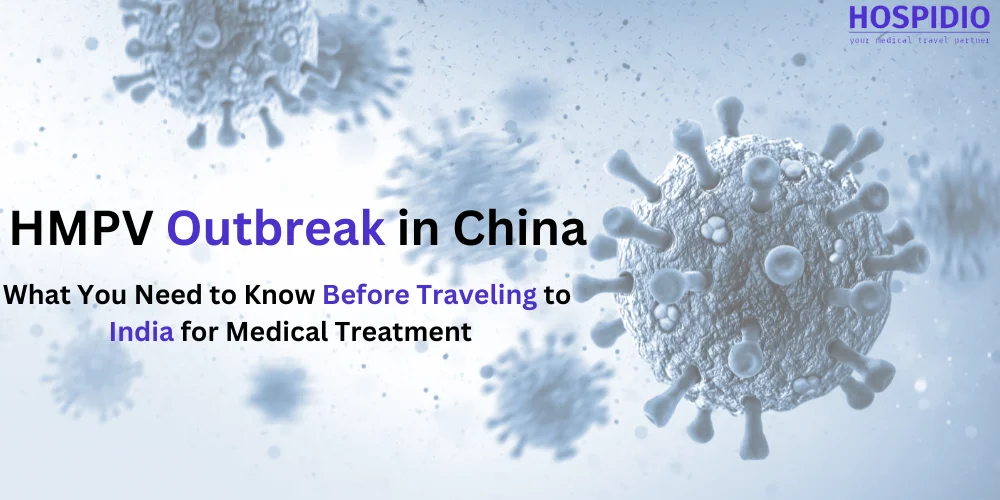
Enquanto o mundo acompanha com cautela as notícias sobre um surto de Metapneumovírus Humano (HMPV) na China, os viajantes podem ter uma sensação de déjà vu que lembra os primeiros dias da pandemia de COVID-19. No entanto, a situação atual não é motivo para alarme. O HMPV, embora preocupante, é um vírus respiratório controlável, e a Índia está garantindo proativamente a segurança dos passageiros internacionais. Este guia fornece informações abrangentes sobre o HMPV, seus sintomas, transmissão, medidas de segurança da Índia e dicas de viagem para quem planeja consultas médicas.
O que é o Metapneumovírus Humano (HMPV)?
O HMPV é um vírus respiratório identificado pela primeira vez em 2001. É intimamente relacionado ao Vírus Sincicial Respiratório (VSR) e afeta principalmente o trato respiratório. De acordo com os Centros de Controle e Prevenção de Doenças (CDC), o HMPV é uma das principais causas de infecções respiratórias agudas em todo o mundo. Estudos indicam que quase todas as pessoas são expostas ao vírus até os cinco anos de idade, e reinfecções podem ocorrer ao longo da vida.
Embora o HMPV geralmente cause doenças leves, pode levar a insuficiência respiratória grave em grupos vulneráveis, como bebês, idosos e indivíduos imunocomprometidos. Os surtos de HMPV são tipicamente sazonais, atingindo o pico no final do inverno e na primavera.
Sintomas de HMPV
Os sintomas do HMPV são semelhantes aos de outros vírus respiratórios, o que pode dificultar o diagnóstico sem testes específicos. Os sintomas comuns incluem:
Febre
Tosse
Coriza
Dor de garganta
Falta de ar
Sibilos
Em casos graves, particularmente em indivíduos de alto risco, pode levar a:
Bronquiolite
Pneumonia
Exacerbação da asma ou DPOC
Segundo relatos recentes da China, o HMPV afeta principalmente crianças e idosos, com uma taxa de hospitalização mais alta entre indivíduos com doenças preexistentes.
Como é transmitido o HMPV?
O HMPV se espalha por meio de gotículas respiratórias quando uma pessoa infectada tosse ou espirra. Também pode se espalhar por contato direto com superfícies contaminadas, tornando a higiene das mãos uma medida preventiva essencial. O vírus pode sobreviver em superfícies por várias horas, aumentando o risco de transmissão em ambientes lotados ou mal ventilados.
Impacto global e regional
Embora a dimensão exata do surto na China ainda esteja sendo estudada, dados do Sistema Nacional de Vigilância de Vírus Respiratórios e Entéricos (NREVSS) dos Estados Unidos sugerem que o HMPV contribui para aproximadamente 5 a 10% das hospitalizações por infecções respiratórias anualmente. A Organização Mundial da Saúde (OMS) está monitorando de perto a situação na China para avaliar suas implicações globais.
Medidas da Índia para proteger os viajantes
A Índia possui um histórico sólido no combate a doenças infecciosas, e sua resposta ao surto de HMPV não é exceção. O país implementou diversas medidas proativas:
Vigilância Aeroportuária Reforçada
Câmeras térmicas : Passageiros provenientes de regiões de alto risco são submetidos a triagem térmica para identificar indivíduos com febre.
Declarações de saúde : Os viajantes devem preencher formulários de saúde, informando sintomas e histórico de viagens.
Protocolos de isolamento : Os casos suspeitos são imediatamente isolados e testados.
Preparação hospitalar
Enfermarias de isolamento dedicadas : Os hospitais estão equipados com unidades de isolamento para gerir casos suspeitos ou confirmados.
Treinamento na área da saúde : Profissionais da saúde recebem treinamento para identificar e lidar com casos de HMPV.
Campanhas de Conscientização Pública
O Ministério da Saúde e Bem-Estar Familiar (MoHFW) emitiu comunicados para educar o público sobre como reconhecer os sintomas e adotar medidas preventivas.
Precauções para viajantes internacionais
Se você estiver viajando para a Índia para tratamento médico, é essencial seguir estas precauções:
Antes da viagem
Vacinação : Certifique-se de que as vacinas de rotina estejam em dia, especialmente as contra gripe e pneumonia.
Seguro de viagem : Opte por um seguro de saúde abrangente que inclua cobertura para emergências.
Registros médicos : Leve consigo registros médicos detalhados e prescrições para fácil acesso.
Equipamento de proteção : Leve máscaras N95, desinfetante para as mãos com pelo menos 60% de álcool e lenços desinfetantes.
Durante a viagem
Mantenha a higiene : Lave as mãos frequentemente com água e sabão por pelo menos 20 segundos.
Evite aglomerações : Mantenha o distanciamento físico em locais com grande concentração de pessoas, como aeroportos e transportes públicos.
Informe os sintomas : Informe a tripulação da companhia aérea ou os funcionários da saúde do aeroporto se você não estiver se sentindo bem.
Após a chegada à Índia
Monitoramento de saúde : Monitore os sintomas por pelo menos 7 dias após a chegada.
Siga as orientações locais : Respeite todas as recomendações e restrições de saúde locais.
Procure atendimento médico imediato : Dirija-se a um centro de saúde se apresentar dificuldades respiratórias.
Por que a Índia é um destino seguro para viagens médicas?
A extensa infraestrutura de saúde da Índia e sua experiência no tratamento de doenças infecciosas fazem dela um destino confiável para o turismo médico. Aqui estão alguns motivos para ter confiança:
Instalações avançadas de saúde
A Índia possui uma extensa rede de hospitais equipados com tecnologia médica e infraestrutura de ponta. Muitos hospitais são credenciados internacionalmente por organizações como a Joint Commission International (JCI) e a NABH, garantindo padrões de excelência mundial. Essas instalações atendem a uma ampla gama de especialidades, incluindo cardiologia, oncologia, ortopedia e transplantes. Os pacientes têm acesso às mais modernas ferramentas de diagnóstico, cirurgias robóticas e procedimentos minimamente invasivos.
Profissionais médicos altamente qualificados
A Índia abriga alguns dos médicos, enfermeiros e profissionais de saúde mais experientes e com formação internacional. Muitos especialistas indianos trabalharam ou se formaram em hospitais renomados em todo o mundo, trazendo uma perspectiva global para o atendimento ao paciente. Os profissionais médicos do país são reconhecidos por sua expertise no tratamento de casos complexos e na elaboração de planos de tratamento personalizados.
Protocolos rigorosos de controle de infecção
Na Índia, os hospitais seguem rigorosas medidas de controle de infecção, garantindo um ambiente seguro para pacientes e visitantes. Os protocolos incluem a higienização frequente das instalações, o uso de equipamentos de proteção individual (EPI) pela equipe e a estrita observância dos padrões de higiene. Essas medidas têm sido fundamentais para minimizar os riscos de infecção, mesmo durante crises globais de saúde.
Medidas governamentais proativas
O governo indiano adota uma abordagem proativa em relação à saúde pública. Desde a implementação de vigilância abrangente nos pontos de entrada até a emissão de alertas de saúde oportunos, o governo garante que os viajantes estejam bem informados e protegidos. Os esforços colaborativos entre o Ministério da Saúde, as autoridades locais e os profissionais de saúde aprimoram a capacidade do país de lidar com quaisquer problemas de saúde.
Custos de assistência médica acessíveis
Apesar de oferecer cuidados de alta qualidade, o tratamento médico na Índia é significativamente mais acessível em comparação com muitos países ocidentais. Essa vantagem de custo, aliada à transparência nos preços e à ausência de taxas ocultas, torna a Índia um destino preferido para pacientes internacionais que buscam um bom custo-benefício.
Foco no conforto do paciente
Na Índia, os hospitais estão cada vez mais focados no atendimento centrado no paciente, oferecendo serviços como salas de espera para pacientes internacionais, equipe multilíngue e assistência com viagens e acomodação. Essas facilidades garantem que os pacientes internacionais se sintam em casa enquanto recebem tratamento.
Principais estatísticas
A Índia recebeu mais de 12 milhões de viajantes internacionais em 2023 sem grandes incidentes de saúde.
O país possui mais de 40 hospitais credenciados pela JCI, que oferecem atendimento de padrão internacional.
Em 2024, o setor de turismo médico da Índia contribuiu com US$ 9 bilhões para a economia, refletindo a confiança global que o país desfruta.
A Índia alcançou taxas de sucesso superiores a 98% em cirurgias para pacientes internacionais em especialidades como cardiologia, oncologia e ortopedia, garantindo a confiança global em seu sistema de saúde.
Mais de 650,000 pacientes internacionais viajaram para a Índia em busca de tratamento médico em 2024, o que destaca seu status como um centro global de assistência médica acessível e de qualidade.
O surto de HMPV na China serve de alerta para a necessidade de vigilância, mas não é motivo para pânico. As medidas proativas da Índia, aliadas às precauções individuais, garantem um ambiente seguro para passageiros internacionais. Na HOSPIDIO, priorizamos a sua segurança e estamos aqui para auxiliá-lo em cada etapa da sua jornada médica.
Referências
Centros de Controle e Prevenção de Doenças (CDC): Visão geral do HMPV
Organização Mundial da Saúde (OMS): Atualizações sobre vírus respiratórios
Ministério da Saúde e Bem-Estar Familiar da Índia: Orientações de Viagem
Sistema Nacional de Vigilância de Vírus Respiratórios e Entéricos (NREVSS): Dados sobre Vírus Respiratórios
Blogs Recentes


Himang Gupta é um redator de conteúdo médico talentoso, com bacharelado em Biotecnologia e vasta experiência na criação de blogs envolventes e informativos. Apaixonado por simplificar tópicos médicos complexos, ele garante que seu conteúdo seja relevante para os leitores. Quando não está pesquisando ou escrevendo, Himang gosta de navegar no Instagram, contar piadas e saborear o sabor do cardamomo — sua recompensa favorita após uma sessão produtiva de escrita.
Guneet Bhatia é a fundadora da HOSPIDIO e uma revisora de conteúdo experiente, com ampla atuação em desenvolvimento de conteúdo médico, design instrucional e blogs. Apaixonada por criar conteúdo impactante, ela se destaca por garantir precisão e clareza em cada peça. Guneet gosta de participar de conversas significativas com pessoas de diversas origens étnicas e culturais, o que enriquece sua perspectiva. Quando não está trabalhando, ela valoriza o tempo de qualidade com sua família, aprecia boa música e adora trocar ideias inovadoras com sua equipe.