
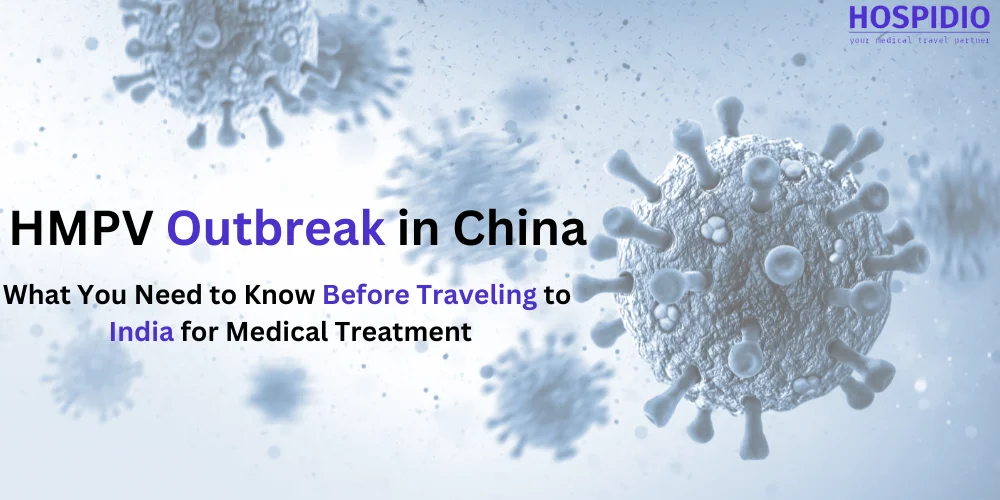
Mentre il mondo monitora con cautela le notizie relative a un'epidemia di Metapneumovirus Umano (HMPV) in Cina, i viaggiatori potrebbero avere una sensazione di déjà vu che ricorda i primi giorni della pandemia di COVID-19. Tuttavia, la situazione attuale non è motivo di allarme. L'HMPV, pur essendo preoccupante, è un virus respiratorio gestibile e l'India sta adottando misure proattive per garantire la sicurezza dei passeggeri internazionali. Questa guida fornisce informazioni complete sull'HMPV, i suoi sintomi, la trasmissione, le misure di sicurezza adottate dall'India e consigli di viaggio per coloro che pianificano visite mediche.
Che cos'è il Metapneumovirus umano (HMPV)?
L'HMPV è un virus respiratorio identificato per la prima volta nel 2001. È strettamente correlato al virus respiratorio sinciziale (RSV) e colpisce principalmente le vie respiratorie. Secondo i Centri per il controllo e la prevenzione delle malattie (CDC), l'HMPV è una delle principali cause di infezioni respiratorie acute a livello globale. Gli studi indicano che quasi tutti vengono esposti al virus entro i cinque anni di età e che le reinfezioni possono verificarsi nel corso della vita.
Sebbene l'HMPV causi generalmente una malattia lieve, può provocare gravi difficoltà respiratorie in gruppi vulnerabili come neonati, anziani e individui immunocompromessi. Le epidemie di HMPV sono tipicamente stagionali, con picchi tra la fine dell'inverno e la primavera.
Sintomi dell'HMPV
I sintomi dell'HMPV sono simili a quelli di altri virus respiratori, il che può rendere difficile la diagnosi senza test specifici. I sintomi comuni includono:
Febbre
Tosse
Naso che cola
Gola infiammata
Fiato corto
Respiro sibilante
Nei casi più gravi, soprattutto in soggetti ad alto rischio, può portare a:
Bronchiolite
Polmonite
Esacerbazione dell'asma o della BPCO
Secondo recenti rapporti provenienti dalla Cina, l'HMPV colpisce principalmente bambini e anziani, con un tasso di ospedalizzazione più elevato tra gli individui con patologie preesistenti.
Come si trasmette l'HMPV?
L'HMPV si diffonde attraverso le goccioline respiratorie quando una persona infetta tossisce o starnutisce. Può anche diffondersi tramite contatto diretto con superfici contaminate, rendendo l'igiene delle mani una misura preventiva fondamentale. Il virus può sopravvivere sulle superfici per diverse ore, aumentando il rischio di trasmissione in ambienti affollati o scarsamente ventilati.
Impatto globale e regionale
Sebbene l'esatta portata dell'epidemia in Cina sia ancora oggetto di studio, i dati del National Respiratory and Enteric Virus Surveillance System (NREVSS) degli Stati Uniti suggeriscono che l'HMPV contribuisca a circa il 5-10% dei ricoveri ospedalieri dovuti a infezioni respiratorie ogni anno. L'Organizzazione Mondiale della Sanità (OMS) sta monitorando attentamente la situazione in Cina per valutarne le implicazioni a livello globale.
Misure adottate dall'India per salvaguardare i viaggiatori
L'India vanta una solida esperienza nella gestione delle malattie infettive e la sua risposta all'epidemia di HMPV non fa eccezione. Il Paese ha implementato diverse misure proattive:
Sorveglianza aeroportuale potenziata
Scanner termici : i passeggeri in arrivo da regioni ad alto rischio vengono sottoposti a screening termico per identificare le persone con febbre.
Dichiarazioni sanitarie : i viaggiatori devono compilare moduli sanitari indicando i sintomi e la storia dei viaggi effettuati.
Protocolli di isolamento : i casi sospetti vengono immediatamente isolati e sottoposti a test.
Preparazione ospedaliera
Reparti di isolamento dedicati : gli ospedali sono dotati di unità di isolamento per gestire i casi sospetti o confermati.
Formazione sanitaria : il personale medico riceve una formazione per identificare e gestire i casi di HMPV.
Campagne di sensibilizzazione pubblica
Il Ministero della Salute e del Benessere Familiare (MoHFW) ha emesso degli avvisi per educare il pubblico al riconoscimento dei sintomi e all'adozione di misure preventive.
Precauzioni per i viaggiatori internazionali
Se vi recate in India per cure mediche, è fondamentale seguire queste precauzioni:
Prima del viaggio
Vaccinazioni : Assicuratevi che le vaccinazioni di routine siano aggiornate, soprattutto quelle contro l'influenza e la polmonite.
Assicurazione di viaggio : optate per un'assicurazione sanitaria completa che includa la copertura per le emergenze.
Cartelle cliniche : porta sempre con te cartelle cliniche dettagliate e prescrizioni mediche per averle sempre a portata di mano.
Dispositivi di protezione : mettete in valigia mascherine N95, gel igienizzante per le mani con almeno il 60% di alcol e salviette disinfettanti.
Durante il viaggio
Mantenere una buona igiene : lavarsi spesso le mani con acqua e sapone per almeno 20 secondi.
Evita gli assembramenti : mantieni la distanza fisica in luoghi affollati come aeroporti e mezzi di trasporto pubblici.
Segnalazione dei sintomi : informate l'equipaggio della compagnia aerea o il personale sanitario dell'aeroporto se non vi sentite bene.
Dopo l'arrivo in India
Monitoraggio dello stato di salute : monitorare i sintomi per almeno 7 giorni dopo l'arrivo.
Attenersi alle linee guida locali : rispettare tutte le raccomandazioni e le restrizioni sanitarie locali.
Richiedete assistenza immediata : recatevi presso una struttura sanitaria in caso di difficoltà respiratorie.
Perché l'India è una destinazione sicura per il turismo medico
L'ampia infrastruttura sanitaria dell'India e la sua esperienza nella gestione delle malattie infettive ne fanno una destinazione affidabile per il turismo medico. Ecco alcuni motivi per avere fiducia:
Strutture sanitarie avanzate
L'India vanta una vasta rete di ospedali dotati di tecnologie e infrastrutture mediche all'avanguardia. Molti ospedali sono accreditati a livello internazionale da organizzazioni come la Joint Commission International (JCI) e la NABH, garantendo standard di livello mondiale. Queste strutture offrono una vasta gamma di specialità, tra cui cardiologia, oncologia, ortopedia e trapianti. I pazienti hanno accesso ai più recenti strumenti diagnostici, alla chirurgia robotica e alle procedure minimamente invasive.
Professionisti medici altamente qualificati
L'India ospita alcuni dei medici, infermieri e professionisti sanitari più esperti e qualificati a livello internazionale. Molti specialisti indiani hanno lavorato o si sono formati nei principali ospedali del mondo, apportando una prospettiva globale alla cura dei pazienti. I professionisti medici del paese sono rinomati per la loro competenza nella gestione di casi complessi e nell'erogazione di piani di trattamento personalizzati.
Rigorosi protocolli di controllo delle infezioni
In India, gli ospedali adottano rigorose misure di controllo delle infezioni, garantendo un ambiente sicuro per pazienti e visitatori. I protocolli prevedono la frequente sanificazione delle strutture, l'utilizzo di dispositivi di protezione individuale (DPI) da parte del personale e la rigorosa osservanza degli standard igienici. Queste misure si sono rivelate fondamentali per ridurre al minimo i rischi di infezione, anche durante le crisi sanitarie globali.
Misure governative proattive
Il governo indiano adotta un approccio proattivo alla salute pubblica. Dall'implementazione di una sorveglianza capillare ai punti di ingresso all'emissione di tempestivi avvisi sanitari, il governo garantisce che i viaggiatori siano ben informati e protetti. La collaborazione tra il Ministero della Salute, le autorità locali e gli operatori sanitari rafforza la capacità del paese di gestire qualsiasi problema sanitario.
Costi sanitari accessibili
Nonostante offra cure di alta qualità, l'assistenza medica in India è significativamente più economica rispetto a molti paesi occidentali. Questo vantaggio in termini di costi, unito alla trasparenza dei prezzi e all'assenza di costi nascosti, rende l'India una meta privilegiata per i pazienti internazionali in cerca di un buon rapporto qualità-prezzo.
Concentrarsi sul comfort del paziente
Gli ospedali in India si stanno concentrando sempre più su un'assistenza incentrata sul paziente, offrendo servizi come sale d'attesa dedicate ai pazienti internazionali, personale multilingue e assistenza per viaggi e alloggio. Queste strutture garantiscono che i pazienti internazionali si sentano a casa durante il trattamento.
Statistiche chiave
Nel 2023 l'India ha gestito oltre 12 milioni di viaggiatori internazionali senza che si verificassero incidenti sanitari di rilievo.
Il paese vanta oltre 40 ospedali accreditati dalla JCI che offrono cure di livello mondiale.
Nel 2024, il settore del turismo medico indiano ha contribuito all'economia con 9 miliardi di dollari, a testimonianza della fiducia di cui gode a livello globale.
L'India ha raggiunto tassi di successo superiori al 98% negli interventi chirurgici per pazienti internazionali in specialità come cardiologia, oncologia e ortopedia, garantendo la fiducia globale nel suo sistema sanitario.
Nel 2024, oltre 650,000 pazienti internazionali si sono recati in India per cure mediche, a conferma del suo status di polo globale per l'assistenza sanitaria accessibile e di qualità.
L'epidemia di HMPV in Cina ci ricorda l'importanza di rimanere vigili, ma non è motivo di panico. Le misure proattive adottate dall'India, unite alle precauzioni individuali, garantiscono un ambiente sicuro per i passeggeri internazionali. Noi di HOSPIDIO diamo la priorità alla vostra sicurezza e siamo qui per assistervi in ogni fase del vostro percorso medico.
Referenze
Centri per il controllo e la prevenzione delle malattie (CDC): Panoramica sull'HMPV
Organizzazione Mondiale della Sanità (OMS): Aggiornamenti sui virus respiratori
Ministero della Salute e del Benessere Familiare, India: Linee guida per i viaggi
Sistema nazionale di sorveglianza dei virus respiratori ed enterici (NREVSS): dati sui virus respiratori
Blog recenti


Himang Gupta è un abile autore di contenuti medici, laureato in Biotecnologie e con una vasta esperienza nella creazione di blog coinvolgenti e informativi. Appassionato nel semplificare argomenti medici complessi, si impegna affinché i suoi contenuti siano comprensibili e apprezzati dai lettori. Quando non è impegnato nella ricerca o nella scrittura, Himang si diverte a navigare su Instagram, a fare battute e a gustare il sapore del cardamomo, la sua coccola preferita dopo una sessione di scrittura produttiva.
Guneet Bhatia è la fondatrice di HOSPIDIO e un'esperta revisore di contenuti con una vasta esperienza nello sviluppo di contenuti medici, nella progettazione didattica e nel blogging. Appassionata della creazione di contenuti di grande impatto, eccelle nel garantire accuratezza e chiarezza in ogni articolo. Guneet ama intavolare conversazioni significative con persone di diverse origini etniche e culturali, arricchendo così la sua prospettiva. Nel tempo libero, si dedica alla famiglia, ascolta buona musica e si diverte a ideare soluzioni innovative con il suo team.