
Bester Hämatologe in den Vereinigten Arabischen Emiraten
Die Entscheidung für eine Behandlung einer Blutkrankheit erfordert eine zeitnahe medizinische Betreuung durch einen erfahrenen Hämatologen. In den VAE gibt es hochqualifizierte Hämatologen, die für ihre Expertise in der präzisen und einfühlsamen Diagnose und Behandlung eines breiten Spektrums von Blutkrankheiten bekannt sind.
Diese Spezialisten bieten umfassende Versorgung bei Erkrankungen wie Anämie, Leukämie, Lymphomen, Thalassämie, Blutgerinnungsstörungen und anderen gutartigen und bösartigen Blutkrankheiten. Dabei setzen sie modernste Diagnoseverfahren und evidenzbasierte Therapien ein. Um Ihnen die Entscheidung zu erleichtern, haben wir eine Liste der führenden Hämatologen in den VAE zusammengestellt. So finden Sie leichter den Spezialisten, der am besten zu Ihrer Erkrankung und Ihren Behandlungsbedürfnissen passt.
Teilen Sie uns Ihren Bedarf mit
Kostenlose Fallprüfung. Vertraulich. Unverbindlich.Ärzte stehen auf Anfrage für Beratungen zur Verfügung.
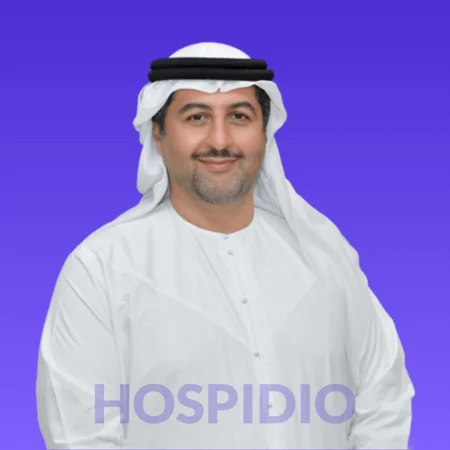
Dr. Ahmed Hamid Alrustomani
Direktor und beratender Hämatologe Burjeel-Krankenhaus, Abu Dhabi, Vereinigte Arabische Emirate sprichtEnglisch, Arabisch(Dolmetscher verfügbar)- Beratungsgebühr auf Anfrage
- Ab 23 Jahre von Erfahrung.
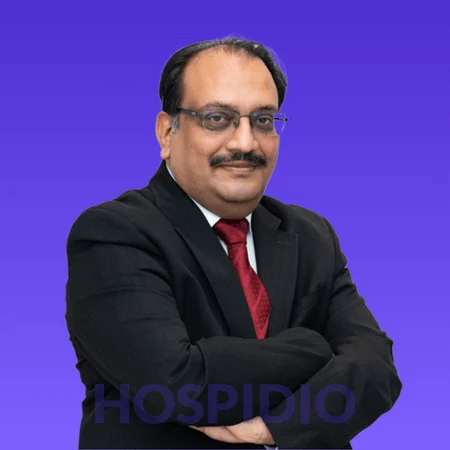
Dr. Biju George
Fachhämatologie Burjeel-Krankenhaus, Abu Dhabi, Vereinigte Arabische Emirate sprichtHindi, Englisch, Tamil(Dolmetscher verfügbar)- Beratungsgebühr auf Anfrage
- Ab 25 Jahre von Erfahrung.
- 55k+ Konsultationen
Sie sind sich nicht sicher, welcher Arzt der richtige für Sie ist?
Schildern Sie uns Ihre Beschwerden und wir vermitteln Ihnen den passenden Spezialisten.
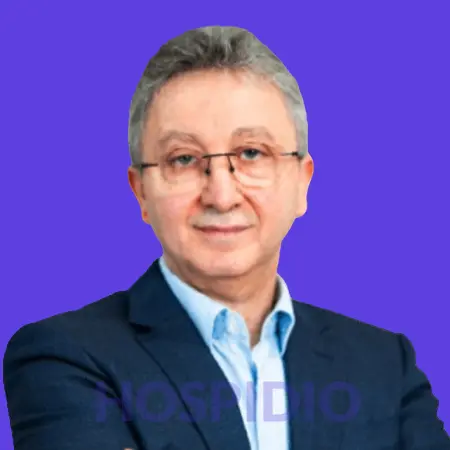
Dr. Mohamad Azzam Ziade
Facharzt – Hämatologie und Medizinische Onkologie Medcare Krankenhaus, Al Safa, Dubai, Vereinigte Arabische Emirate sprichtEnglisch, Arabisch, Französisch, Italienisch(Dolmetscher verfügbar)Spezialisiert auf
- Beratungsgebühr auf Anfrage
- Ab 24 Jahre von Erfahrung.
- 30k+ Konsultationen

Dr. Panayotis Kaloyannidis
Facharzt für Hämatologie Burjeel-Krankenhaus, Abu Dhabi, Vereinigte Arabische Emirate sprichtEnglisch, Griechisch(Dolmetscher verfügbar)Spezialisiert auf
- Beratungsgebühr auf Anfrage
- Ab 25 Jahre von Erfahrung.
- 40k+ Konsultationen
Sie sind sich nicht sicher, welcher Arzt der richtige für Sie ist?
Sparen Sie Zeit und suchen Sie unten.
Häufig gestellte Fragen
Ja. Ein Hämatologe untersucht ungewöhnliche Blutwerte oder Laborbefunde, um die Ursache zu ermitteln, sei es eine Infektion, ein Nährstoffmangel oder eine zugrunde liegende Blutkrankheit. Häufig werden weitere Untersuchungen angeordnet, um die Diagnose zu bestätigen.
Beim ersten Besuch werden üblicherweise Ihre Krankengeschichte, Ihre aktuellen Symptome und bereits vorhandene Testergebnisse besprochen. Der Hämatologe kann weitere Blutuntersuchungen anordnen, bevor er das weitere Vorgehen erläutert.
Die meisten Blutkrankheiten, einschließlich Anämie und Blutgerinnungsstörungen, werden mit Medikamenten, Lebensstiländerungen oder Bluttransfusionen behandelt, nicht operativ. Eingriffe werden nur in bestimmten Fällen, wie beispielsweise bei einer vergrößerten Milz, in Betracht gezogen.
Ja, Hämatologen arbeiten häufig mit Onkologen, Kardiologen oder anderen Spezialisten zusammen, wenn eine Blutkrankheit andere Körperteile betrifft. Diese Teamarbeit trägt zu einem umfassenderen Behandlungsplan bei.
Gentests können vererbte Erkrankungen wie Sichelzellanämie oder Blutgerinnungsstörungen bestätigen und helfen, deren Verlauf vorherzusagen. Sie können auch Familienmitglieder über ihr eigenes Risiko informieren.
Gute Fragen sind beispielsweise, was die Diagnose bedeutet, was mit der Behandlung erreicht werden soll und auf welche Nebenwirkungen zu achten ist. Hilfreich ist es auch zu fragen, wie der Therapieverlauf im Laufe der Zeit überwacht wird.
HOSPIDIO vermittelt internationalen Patienten erfahrene Hämatologen in den gesamten Vereinigten Arabischen Emiraten, abgestimmt auf deren spezifische Erkrankung und Bedürfnisse. Der gesamte Prozess, von der ersten Anfrage bis zur Terminvereinbarung, wird abgedeckt und die Suche dadurch vereinfacht.