
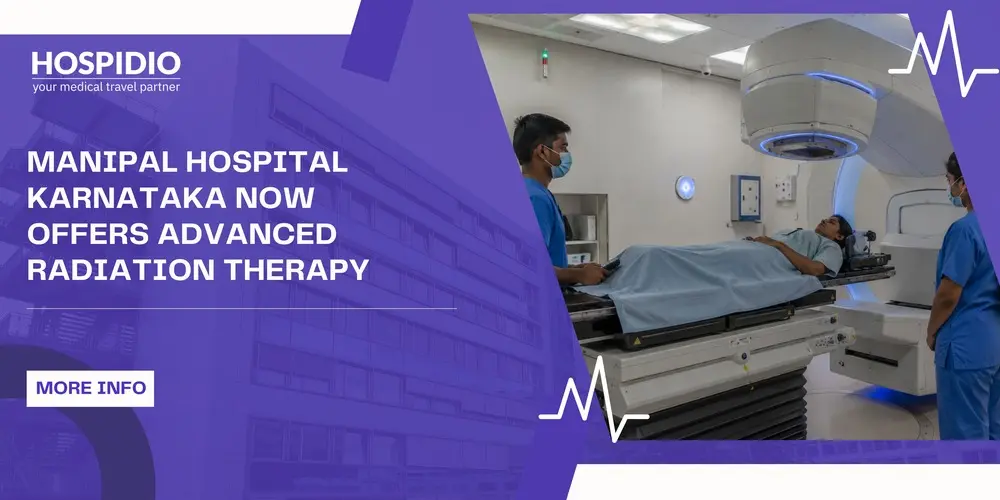
في عام ٢٠٢٥، وسّع مستشفى مانيبال في ولاية كارناتاكا رسميًا نطاق خدمات العلاج الإشعاعي المتقدمة، موفرًا بذلك علاجًا دقيقًا للسرطان لمرضى السرطان في جميع أنحاء المنطقة. وكان من المهم فهم هذا التطور لكل من يواجه تشخيصًا بالسرطان، ولا سيما للمرضى الدوليين الذين يبحثون عن خيارات العلاج في الهند.
لطالما شكّل العلاج الإشعاعي ركيزة أساسية في علاج السرطان. لكن لا تعمل جميع أنواع العلاج الإشعاعي بنفس الطريقة. فالفارق بين العلاج الإشعاعي التقليدي والتقنيات الموجهة بدقة الحديثة يُحدث فرقًا حقيقيًا في النتائج والآثار الجانبية وفترة التعافي. ومعرفة الخيارات المتاحة وأماكن توفرها يُمكن أن يُؤثر بشكل مباشر على قرارات العلاج.
ما الذي تغير في مستشفى مانيبال، كارناتاكا؟
كان قسم علاج الأورام بالإشعاع في مستشفى مانيبال قد بنى بالفعل سمعة وطنية قوية قبل إعلان عام 2025. وكان المستشفى من أوائل المراكز في ولاية كارناتاكا التي أدخلت العلاج الإشعاعي المعدل الشدة (IMRT)، وقد رسخ مكانته كواحد من المرافق الرائدة في الهند في مجال المعالجة الإشعاعية الموضعية.
عزز مشروع التطوير لعام 2025 التزام الشركة بتوفير معايير عالمية في مجال علاج الأورام للمرضى محلياً ودولياً. وتشمل الخدمات الكاملة المتوفرة في المركز العلاج الإشعاعي المعدل الشدة (IMRT)، والعلاج الإشعاعي الموجه بالصور (IGRT)، والعلاج الإشعاعي بتقنية القوس الحجمي المعدل (VMAT)، والجراحة الإشعاعية التجسيمية (SRS)، والعلاج الإشعاعي التجسيمي للجسم (SBRT)، والمعالجة الإشعاعية الموضعية عالية الجرعة.
كل من هذه الأمور يمثل خطوة للأمام في كيفية علاج السرطان بدقة وأمان.
ماذا تعني هذه التقنيات فعلياً للمرضى
قد تكون الاختصارات الطبية مربكة. إليكم شرحاً مبسطاً للعلاجات التي أصبحت متاحة بشكل أكبر بفضل هذا التطور.
- العلاج الإشعاعي التقليدي: يُسلّط الإشعاع على مساحة واسعة حول الورم. وهو فعال، لكنه قد يؤثر على الأنسجة السليمة المحيطة، مما يُسبب آثارًا جانبية تؤثر على جودة الحياة.
- آي إم آر تي: تم تغيير ذلك من خلال تشكيل حزم الإشعاع لتتوافق تمامًا مع الشكل المحيط بالورم. تصل الجرعات العالية بدقة إلى المكان المطلوب، بينما يتم تجنيب الخلايا السليمة المجاورة إلى حد كبير.
- العلاج الإشعاعي الموجه: أُضيفت تقنية التصوير الفوري أثناء جلسات العلاج. وبذلك، تمكن فريق الرعاية من تتبع موضع الورم طوال فترة العلاج، مع مراعاة حركته، مثل تحرك ورم الرئة مع كل نفس.
- SBRT: وقد حسّن هذا الأسلوب دقة العلاج للأورام الصغيرة والمتوسطة في الرئتين والكبد والعمود الفقري والبروستاتا والبنكرياس. إذ وفّر جرعات عالية في جلسة واحدة إلى خمس جلسات فقط، مما يعني أن المرضى قضوا وقتاً أقل بكثير في العلاج.
- العلاج الإشعاعي الموضعي: تضمنت هذه التقنية وضع غرسات مشعة مباشرة داخل أو بجوار نسيج الورم. وكان مستشفى مانيبال رائداً وطنياً في هذه التقنية، لا سيما لعلاج سرطانات النساء والبروستاتا والرأس والرقبة.
وقد أتاحت هذه التقنيات مجتمعة للمرضى الذين عولجوا في مستشفى مانيبال في ولاية كارناتاكا الوصول إلى مستوى من الرعاية لم يكن متاحًا محليًا في العديد من البلدان أو كان باهظ الثمن بشكل لا يصدق.
لماذا كان المرضى الدوليون يختارون الهند بالفعل للعلاج الإشعاعي؟
قبل الإعلان عن عام 2025 بفترة طويلة، كان المرضى الدوليون يسافرون إلى المستشفيات الهندية لتلقي العلاج الإشعاعي للأورام. وقد جعلت عدة عوامل من الهند خياراً جذاباً.
- التكلفة: قد يكلف علاج السرطان في الولايات المتحدة أو المملكة المتحدة أو دول الخليج أضعاف تكلفة الرعاية المماثلة في الهند. وفيما يخص العلاج الإشعاعي، أفاد المرضى الدوليون بتوفير ما بين 60 و70 بالمئة مقارنةً بمقدمي الخدمات الصحية الخاصة في الغرب، حتى بعد احتساب تكاليف السفر والإقامة.
- الاعتماد: حصلت مستشفيات مانيبال على اعتماد NABH، كما حصلت المرافق داخل المجموعة على شهادة JCI، وهو نفس المعيار الدولي المستخدم لتقييم المستشفيات في الولايات المتحدة وأوروبا.
- رعاية متعددة التخصصات تحت سقف واحد: نادراً ما يقتصر علاج السرطان على تخصص واحد فقط. في مستشفى مانيبال، كان بإمكان المرضى الوصول إلى خدمات جراحة الأورام، وعلاج الأورام بالأدوية، وعلاج الأورام بالإشعاع، وأمراض الدم، وزراعة نخاع العظم، والتشخيصات المتقدمة بما في ذلك التصوير المقطعي بالإصدار البوزيتروني والتصوير بالرنين المغناطيسي ثلاثي التسلا، وكل ذلك يتم تنسيقه من خلال مجلس أورام متعدد التخصصات.
- كبار المتخصصين الحاصلين على تدريب دولي: أكمل العديد من أخصائيي علاج الأورام بالإشعاع في المستشفيات الرائدة في الهند تدريب الزمالة في المملكة المتحدة أو الولايات المتحدة أو أوروبا، وهم يمارسون عملهم جنبًا إلى جنب مع الفيزيائيين الطبيين وخبراء قياس الجرعات المعتمدين دوليًا.
كان هذا المستوى من البنية التحتية، بتكاليف معقولة، سبباً حقيقياً وراء تحول الهند إلى واحدة من أكثر الوجهات رسوخاً في العالم للسفر الطبي لعلاج الأورام.
كيف ساعدت منظمة HOSPIDIO المرضى الدوليين في الحصول على الرعاية
لم يكن التحدي الذي واجه معظم المرضى الدوليين هو اكتشاف وجود رعاية جيدة لمرضى السرطان في الهند، بل كان التحدي هو اجتياز عملية الوصول إلى هناك، مع اختيار المستشفى المناسب والطبيب المتخصص المناسب للتشخيص الصحيح.
كان مستشفى هوسبيديو بمثابة حلقة الوصل هذه. فعندما يتواصل مريض مصاب بالسرطان ويحتاج إلى العلاج الإشعاعي، تسير العملية على النحو التالي:
- استشارة طبية مجانية: تمت مشاركة التقارير مع أخصائيي الأورام في المستشفيات الهندية الرائدة، بما في ذلك مانيبال، لتقييم مدى ملاءمة العلاج وتقديم رأي ثانٍ.
- استشارة طبية مجانية: تمت مشاركة التقارير مع أخصائيي الأورام في المستشفيات الهندية الرائدة، بما في ذلك مانيبال، لتقييم مدى ملاءمة العلاج وتقديم رأي ثانٍ.
- شفافية التكلفة: تم تقديم تقديرات العلاج مقدماً، مع تفاصيل واضحة وبدون أي رسوم خفية.
- الخدمات اللوجستية المتكاملة: تم ترتيب كل من دعم التأشيرة الطبية، وخدمات النقل من وإلى المطار، والإقامة في المستشفى، وخدمات الترجمة الفورية.
- المتابعة بعد العلاج: ساعدت خطط التعافي والاستشارات الطبية عن بعد المرضى على مواصلة الرعاية بعد عودتهم إلى منازلهم.
بالنسبة للمرضى الذين تم تشخيص إصابتهم بأنواع السرطان التي تستجيب بشكل جيد للإشعاع الدقيق، بما في ذلك سرطان البروستاتا وسرطان الثدي وسرطانات الرأس والرقبة وسرطان الرئة وسرطانات أمراض النساء، كان توفر العلاج الإشعاعي التجسيمي للجسم (SBRT) والعلاج الإشعاعي المعدل الشدة (IMRT) والعلاج الإشعاعي الموجه بالصور (IGRT) في مستشفى مانيبال ذا أهمية حقيقية.
خاتمة
كان مشروع تطوير مستشفى مانيبال في ولاية كارناتاكا عام 2025 بمثابة تذكير بأن البنية التحتية لعلاج الأورام في الهند قد وصلت إلى مستوى لم يعد فيه المرضى الدوليون مضطرين للتنازل عن الجودة للحصول على علاج ميسور التكلفة. فقد أصبح العلاج الإشعاعي المتقدم، الذي يحافظ على الأنسجة السليمة، ويتكيف مع حركة الورم، ويكتمل في عدد أقل من الجلسات، متاحًا وميسرًا.
بالنسبة للمرضى الذين تلقوا توصية بالعلاج الإشعاعي وكانوا يدرسون خياراتهم، قدمت الهند مساراً موثوقاً ومعتمداً وفعالاً من حيث التكلفة للمضي قدماً.
احصل على استشارة طبية مجانية من HOSPIDIO. شارك تقاريرك اليوم وسيقوم مستشار المرضى بالرد عليك في غضون 24 ساعة.
مراجع حسابات
- صحيفة ذا هندو. (2025). العلاج الإشعاعي المتقدم متوفر الآن في مستشفى مانيبال. https://www.thehindu.com/news/national/karnataka/advanced-radiation-therapy-now-available-at-manipal-hospital/article70426762.ece
- مستشفيات مانيبال. العلاج الإشعاعي (العلاج الإشعاعي للأورام). https://www.manipalhospitals.com/oldairportroad/specialities/radiotherapy-oncology-radiation/
حول HOSPIDIO: تهدف هذه المدونة إلى تقديم معلومات واقعية وموثقة علميًا لإبقاء مجتمعنا على اطلاع دائم بآخر مستجدات الرعاية الصحية. استشر دائمًا أخصائيي الرعاية الصحية للحصول على المشورة الطبية، والتزم بتوجيهات طبيبك المعالج.
المدونات الأخيرة
أكملت شروتي فيرما دراستها العليا في الهندسة الحيوية، ولديها خبرة في الكتابة الطبية وتطوير المحتوى العلمي. تتخصص في ترجمة المعلومات الطبية الحيوية والرعاية الصحية المعقدة إلى محتوى واضح ودقيق وسهل الفهم لمختلف شرائح الجمهور. وفي أوقات فراغها، غالباً ما تكون منشغلة بتصميم الرسومات.
غونيت بهاتيا مؤسسة هوسبيديو، وهي مُراجعة محتوى بارعة تتمتع بخبرة واسعة في تطوير المحتوى الطبي، وتصميم المواد التعليمية، والتدوين. شغوفةٌ بإنشاء محتوى مؤثر، تُبدع في ضمان الدقة والوضوح في كل مادة. تستمتع غونيت بالتفاعل مع أشخاص من خلفيات عرقية وثقافية متنوعة، مما يُثري منظورها. في أوقات فراغها، تُقدّر غونيت قضاء وقت ممتع مع عائلتها، وتستمتع بالموسيقى الجميلة، وتُحبّ تبادل الأفكار المبتكرة مع فريقها.