
Urinary Incontinence Treatment cost in India
The Urinary Incontinence Treatment cost in India ranges from $2,000 to $7,000 which is equivalent to 1,65,000 to 5,80,000 Indian Rupees, depending on the type of surgery required and the patient’s condition. Common surgical and minimal invasive options such as mid-urethral sling surgery (TVT/TOT) , Botox, Percutaneous Tibial Nerve Stimulation (PTNS) are available at the lower end of the cost range, while advanced procedures like sacral neuromodulation implants or artificial urinary sphincter surgery fall on the higher end due to the use of specialized devices and technology.
The final cost may vary based on the type of incontinence (stress or urge), severity of symptoms, surgeon expertise, hospital infrastructure, and duration of hospital stay. Even with these variations, urinary incontinence surgery in India remains significantly more affordable than in the US, UK, or other Western countries, making India a preferred destination for safe, effective, and high-quality urological surgery.
Estimated Cost of Urinary Incontinence Treatment
What is Urinary Incontinence?
Urinary incontinence is a condition in which a person experiences involuntary leakage of urine, meaning they are unable to fully control their bladder. This can happen occasionally or regularly and may range from mild leaking during activities like coughing or laughing to a sudden, strong urge to urinate that cannot be controlled in time.
Urinary incontinence occurs when the muscles and nerves that control the bladder and urethra weaken or malfunction. It is commonly seen in women, especially after childbirth or menopause, but can affect men as well. Factors such as aging, pelvic floor weakness, nerve damage, urinary tract infections, or previous pelvic surgery can contribute to this condition.
Although urinary incontinence is not life-threatening, it can significantly affect a person’s daily activities, confidence, and quality of life. With proper diagnosis and treatment, including lifestyle changes, medications, or surgery, urinary incontinence can be effectively managed or cured.
We Handle the Planning
You Focus on Recovery
From Medical Visa assistance to airport pick-up and local stay, HOSPIDIO manages your entire medical trip.
Tell Us About Your Need
Free case review. Confidential. No obligation.Types of Urinary Incontinence
Type of Urinary Incontinence | Description |
Stress Urinary Incontinence | Urine leaks during activities like coughing, sneezing, laughing, or lifting due to weak pelvic floor muscles. |
Urge Urinary Incontinence | Sudden, strong urge to urinate followed by involuntary leakage; often linked to overactive bladder or nerve issues. |
Mixed Urinary Incontinence | Combination of stress and urge incontinence, with symptoms of both types. |
Overflow Urinary Incontinence | Frequent dribbling caused by incomplete bladder emptying due to obstruction or weak bladder muscles. |
Functional Urinary Incontinence | Leakage occurs due to physical or mental limitations that prevent reaching the toilet in time. |
Reflex Urinary Incontinence | Urine leaks without warning due to neurological conditions affecting bladder control. |
Who Needs Urinary Incontinence Surgery?
Urinary incontinence surgery is recommended for individuals whose bladder control problems do not improve with non-surgical treatments such as lifestyle changes, pelvic floor exercises, physiotherapy, or medications. Surgery aims to restore bladder control and significantly improve quality of life.
You may be advised to undergo urinary incontinence surgery if you experience any of the following:
Persistent urine leakage despite conservative treatment
Moderate to severe stress urinary incontinence, especially leakage during coughing, sneezing, or physical activity
Mixed urinary incontinence where stress-related leakage is the dominant problem
Severe urge incontinence that does not respond to medication or bladder training
Pelvic floor weakness due to childbirth, aging, or previous pelvic surgery
Recurrent urinary tract infections caused by poor bladder emptying
Anatomical abnormalities such as bladder neck weakness or urethral hypermobility
Significant impact on daily life, confidence, work, or social activities
Surgery is typically considered after a thorough evaluation, including urodynamic testing and imaging, to ensure that the selected surgical procedure is appropriate for the specific type of incontinence.
Types of Urinary Incontinence Surgery
Surgery / Procedure | Description |
Mid-Urethral Sling Surgery (TVT / TOT) | A minimally invasive procedure that supports the urethra with a sling to prevent leakage during activity; most common for stress incontinence. |
Bladder Neck Suspension (Burch or Similar) | Surgically lifts and stabilizes the bladder neck and urethra to reduce leakage; often used when pelvic floor is weakened. |
Injectable Bulking Agents | Small injections around the urethra to bulk up tissue and help close the bladder outlet; usually for mild stress incontinence. |
Sacral Neuromodulation (InterStim) | Implantable device that stimulates nerves controlling the bladder; used for urge or mixed incontinence unresponsive to other treatments. |
Artificial Urinary Sphincter (AUS) | A mechanical device implanted to control urine flow; usually for complex or refractory cases. |
Pubovaginal Sling (Autologous Graft) | Uses patient’s own tissue to create a sling around the bladder neck; good option when synthetic sling is not suitable. |
We Handle the Planning
You Focus on Recovery
From Medical Visa assistance to airport pick-up and local stay, HOSPIDIO manages your entire medical trip.
Tell Us About Your Need
Free case review. Confidential. No obligation.Factors Affecting the Cost of Urinary Incontinence Surgery in India
Type of Urinary Incontinence
Stress, urge, or mixed incontinence requires different surgical approaches, which directly impacts the cost.
Type of Surgery Performed
Procedures such as mid-urethral sling surgery, bladder neck suspension, sacral neuromodulation, or artificial urinary sphincter implantation vary in complexity and pricing.
Severity of the Condition
Advanced or long-standing incontinence may require more complex surgery and extended treatment, increasing costs.
Surgeon’s Expertise and Experience
Highly experienced urologists or uro-gynecologists may charge higher professional fees, especially for advanced procedures.
Hospital Category and Location
Costs are generally higher in NABH/JCI-accredited hospitals and in major metro cities compared to smaller cities.
Use of Implants or Devices
Implant-based treatments like sacral neuromodulation (InterStim) or artificial urinary sphincters significantly increase the overall cost.
Duration of Hospital Stay
Longer hospital or ICU stays may increase room, nursing, and monitoring charges
Diagnostic Tests Before Urinary Incontinence Surgery
Diagnostic Test | Purpose |
Urine Routine & Culture | Checks for urinary tract infection before surgery. |
Ultrasound (Pelvis / KUB) | Evaluates bladder, kidneys, and residual urine after voiding. |
Urodynamic Study | Assesses bladder pressure, capacity, and urine leakage patterns. |
Cystoscopy | Direct visualization of bladder and urethra to rule out obstruction or tumors. |
Pad Test | Measures the amount of urine leakage. |
Blood Tests (CBC, Kidney Function) | Ensures patient is medically fit for surgery. |
ECG / Chest X-ray | Pre-anesthesia fitness evaluation. |
Total Estimated Diagnostic Cost in India: $400 – $500 USD
Why India is Preferred for Urinary Incontinence Surgery
India is widely preferred for urinary incontinence surgery due to its combination of expert urologists and uro-gynecologists, advanced surgical techniques, and affordable treatment costs. Indian hospitals routinely perform modern procedures such as mid-urethral sling surgery (TVT/TOT), sacral neuromodulation, bulking agent injections, and artificial urinary sphincter implantation, following global clinical guidelines.
Leading hospitals like Apollo, Fortis, Max, Medanta, Manipal, Yashoda, and Narayana Health offer state-of-the-art operation theaters, advanced urodynamic labs, and high success rates. Despite world-class quality, treatment costs in India are 60–80% lower than in the US or Europe.
Patients also benefit from short waiting times, personalized care, and complete medical travel support, including visa assistance, accommodation, and follow-up coordination through organizations like HOSPIDIO. These advantages make India a trusted and cost-effective destination for urinary incontinence surgery.
Best Urinary Incontinence Treatment Hospitals in India




- 4.7
- 9k Reviews
- (Google)
- 1k+ Beds
- 40+ Departments
- 300+ Doctors
- 55k+ Intl. Patients

- 4.1
- 5k Reviews
- (Google)
- 750+ Beds
- 40+ Departments
- 400+ Doctors
- 35k+ Intl. Patients
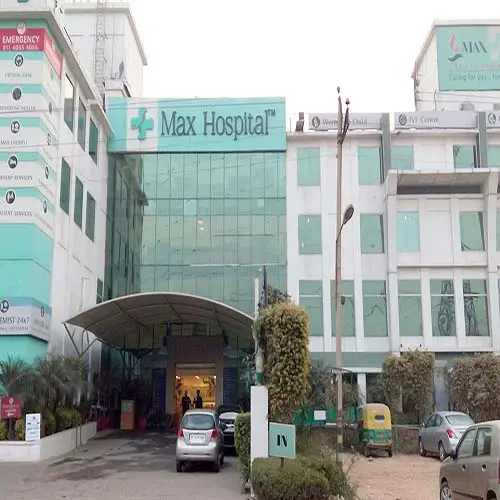
- 4.5
- 4k Reviews
- (Google)
- 104+ Beds
- 36+ Departments
- 300+ Doctors
- 300k+ Intl. Patients
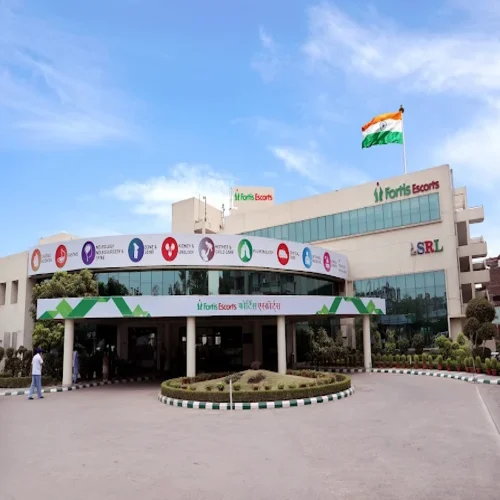
- 4.7
- 8k Reviews
- (Google)
- 260+ Beds
- 24+ Departments
- 60+ Doctors
- 8k+ Intl. Patients
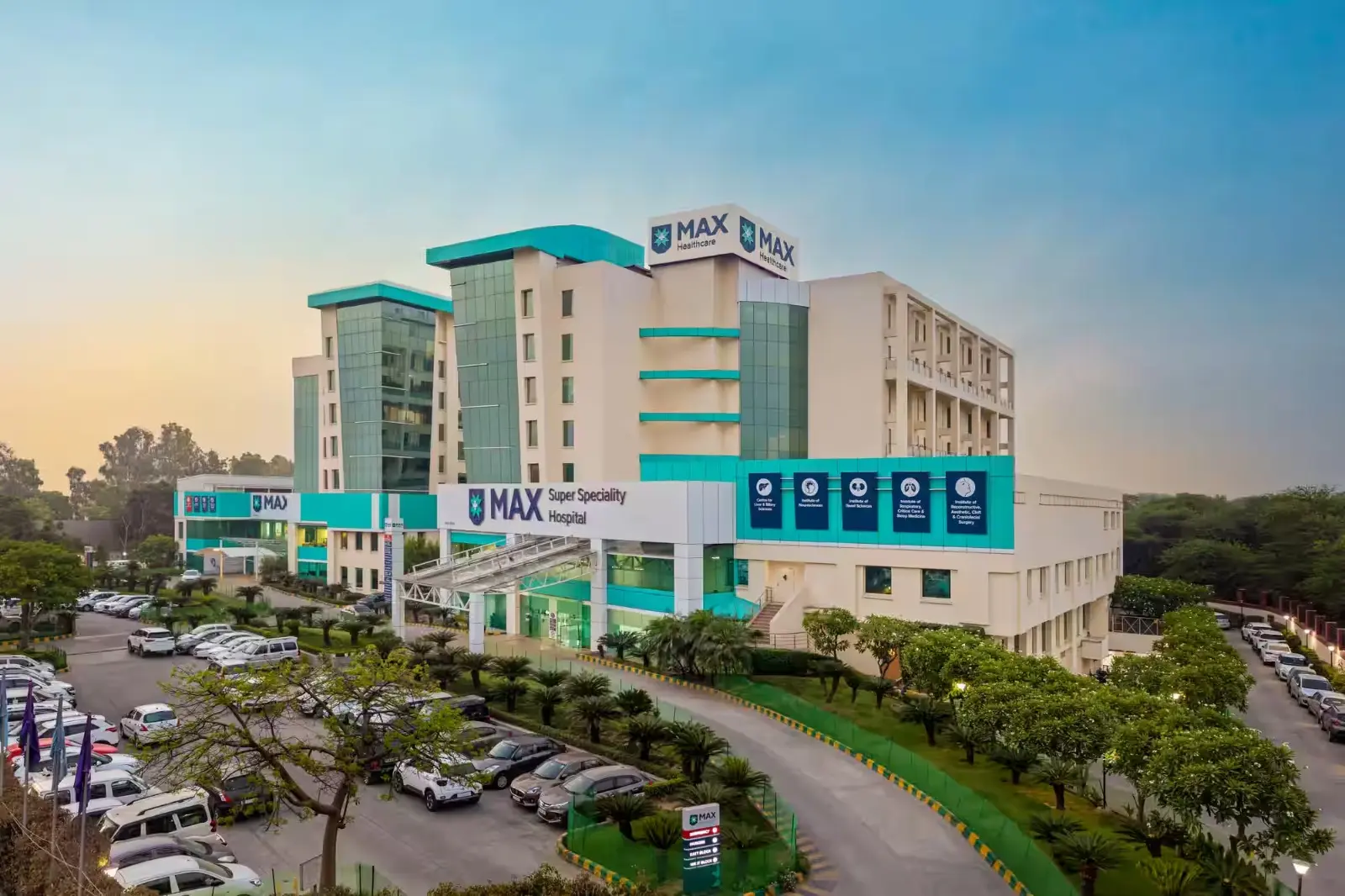
- 4.2
- 8k Reviews
- (Google)
- 539+ Beds
- 38+ Departments
- 541+ Doctors
- 80k+ Intl. Patients
Top Urosurgeon in India
International Patient Support: From Inquiry to Aftercare
- Data Privacy: Your medical records are encrypted and shared only with specialists.
- 24/7 Personal Coordinator: A dedicated point of contact throughout your stay.
- Medical Visa Support: Expert guidance on documentation for your family.
- Home-Bound Coordination: We ensure your recovery plan is ready before you fly.
FAQs
Simply share your recent medical reports. After specialist review, we provide a treatment plan and confirmed surgery date.
Yes. We share the surgeon’s profile, experience, case volume, and patient outcomes before you make a decision.
We maintain a 99% approval rate by ensuring every patient has a verified, stamped visa invitation from a JCI-accredited facility.
They simply need their passport and our Attendant Invitation Letter, which links their visa directly to your medical case for guaranteed entry.
Absolutely. Our Visa Support Desk communicates directly with hospital international departments to provide any additional documentation required by the authorities.
Urinary Incontinence treatment range from $2,000 to $7,000 USD with no hidden charges.
We specialize in the following procedures:
- Mid-Urethral Sling Surgery (TVT / TOT)
- Bladder Neck Suspension (Burch or Similar)
- Injectable Bulking Agents
- Sacral Neuromodulation (InterStim)
- Artificial Urinary Sphincter (AUS)
- Pubovaginal Sling (Autologous Graft)