
Transurethral Resection of the Prostate (TURP) Surgery cost in Turkey
The transurethral resection of the prostate (TURP) cost in Turkey ranges from $6000 to $9,000 US dollars. The overall cost depends on the hospital, city, and whether a standard or laser-assisted TURP is performed.
This price usually includes pre-anethesia check up, hospital stay (2 to 3 days), the TURP procedure, anesthesia, and post-operative care during hospital stay.
Estimated Cost of Transurethral Resection of the Prostate (TURP) Surgery
Quick Summary: TURP Surgery in Turkey
| Aspect | Details |
| Treatment | TURP Surgery |
| Average Cost in Turkey | $6000 to $8000 |
| Procedure Type | Laproscopic & Robotic |
| Hospital Stay | 2 or 3 days |
| Recovery Time | 20 days |
| Success Rate | More than 98% |
| Top Cities for TURP Surgery in Turkey | Istanbul, Ankara, Izmir, Antalya |
What is TURP?
TURP is a minimally invasive surgical treatment used to treat benign prostatic hyperplasia (BPH), a non-cancerous enlargement of the prostate gland that can obstruct the flow of urine. During the treatment, a doctor inserts a small instrument known as a resectoscope through the urethra (urine tube) to remove extra prostate tissue that is pressing on it.
The operation requires no exterior wounds, and most patients recover rapidly. TURP is regarded as the gold standard treatment for men experiencing moderate to severe urinary problems caused by an enlarged prostate. It improves urine flow, decreases overnight urination, and enhances general quality of life.
Who Is Eligible for TURP Surgery in Turkey?
Benign Prostatic Hyperplasia (BPH) Patients: Men diagnosed with significant enlargement of the prostate gland causing severe urinary symptoms such as weak urine flow, frequent urination, incomplete bladder emptying, and urinary retention unresponsive to medication.
Urinary Retention Sufferers: Men experiencing acute or chronic urinary retention where the bladder cannot empty properly due to prostate obstruction, causing painful bladder distension and requiring catheterization for relief.
Failed Medical Treatment Cases: Patients who have undergone prolonged treatment with alpha-blockers or 5-alpha reductase inhibitors without satisfactory improvement in urinary symptoms and quality of life.
Recurrent Urinary Tract Infection Patients: Men suffering from repeated urinary tract infections caused by incomplete bladder emptying due to prostate enlargement that has not responded to antibiotic therapy alone.
Bladder Stone Formation Cases: Individuals who have developed bladder stones as a direct result of chronic urinary retention and incomplete bladder emptying caused by an enlarged prostate gland.
Kidney Damage Risk Patients: Men with evidence of progressive kidney damage or hydronephrosis caused by chronic urinary obstruction due to significant prostate enlargement requiring urgent surgical intervention.
Bladder Dysfunction Sufferers: Patients with bladder wall thickening, trabeculation, or diverticula formation resulting from long-standing urinary obstruction caused by an enlarged prostate gland.
Hematuria (Blood in Urine) Cases: Men experiencing recurrent episodes of blood in the urine directly caused by enlarged prostate blood vessels that have not responded to conservative medical management.
Prostate Gland Size Criteria: Men with a prostate gland size between 30–80 grams are ideal candidates for standard TURP, while those with larger prostates may be considered for open prostatectomy or laser prostatectomy alternatives.
Types of TURP Procedures in Turkey and Cost
Type | Technique |
Standard TURP (Monopolar) | Traditional resection of prostate tissue using monopolar electrical current through a resectoscope inserted via the urethra |
Bipolar TURP | Improved TURP using bipolar electrical current in saline solution, reducing risk of TURP syndrome and bleeding |
Laser TURP (HoLEP) | Holmium laser used to enucleate and remove entire prostate lobes with minimal bleeding and faster recovery |
Greenlight Laser Vaporization (PVP) | High-powered green light laser vaporizes and removes obstructing prostate tissue with virtually no bleeding |
Thulium Laser TURP (ThuLEP) | Thulium laser used for precise prostate enucleation with excellent hemostasis and minimal thermal damage |
Diode Laser TURP | Diode laser used to vaporize and coagulate prostate tissue with good hemostatic properties |
Transurethral Incision of Prostate (TUIP) | One or two small incisions made in the prostate to relieve urinary obstruction without tissue removal |
Robotic-Assisted TURP | Robot-guided precision resection of prostate tissue for enhanced accuracy and minimal complications |
Transurethral Microwave Therapy (TUMT) | Microwave energy delivered through a urethral catheter to heat and destroy obstructing prostate tissue |
Aquablation Therapy | Automated water jet guided by ultrasound and robotics to precisely remove prostate tissue |
HoLEP (Holmium Laser Enucleation of Prostate) | Holmium laser used to precisely enucleate and completely remove entire prostate lobes which are then morcellated and extracted through the urethra |
The cost of TURP Procedures in Turkey starts- $6000 US dollars
Factors affecting the cost of TURP Surgery in Turkey
- Type of TURP Procedure Used (Standard Monopolar, Bipolar, Laser HoLEP, Greenlight, Rezum or Aquablation)
- Size and Complexity of Prostate Enlargement (Moderate BPH vs. Very Large Prostate >80g)
- Technology and Equipment Used (Standard Resectoscope vs. Holmium Laser vs. Robotic Waterjet System)
- Hospital Type and Accreditation Status (JCI-Accredited, Private vs. Public Hospital)
- Surgeon's Expertise and Years of Experience (Fellowship-Trained Urological Surgeon or Endourologist)
- Length of Hospital Stay and Catheterization Period (Day Surgery vs. Overnight vs. Extended Hospital Stay)
- Post-Operative Care and Follow-Up Program (Urological Monitoring, Bladder Rehabilitation & Medication Management)
Diagnostic Tests Required Before TURP Procedure in Turkey
- Physical Examination & Digital Rectal Examination (DRE)
- Prostate Specific Antigen (PSA) Blood Test
- Urine Analysis & Urine Culture
- Uroflowmetry (Urine Flow Rate Measurement)
- Post-Void Residual Urine Test (PVR Ultrasound)
- Transrectal Ultrasound (TRUS) of Prostate
- MRI Scan (Prostate Anatomy & Staging)
- Blood Tests (CBC, RFT, LFT, Coagulation Profile)
- Electrocardiogram (ECG & Pre-Anesthesia Assessment)
- Cystoscopy (Bladder & Urethra Inspection)
The cost of Diagnostic Tests for TURP Surgery in Turkey starts- $1000 US dollars.
Why Turkey is preferred for prostate enlargement treatment?
Turkey is becoming increasingly popular as a destination for prostate enlargement therapy, particularly TURP surgery, due to the superior medical equipment available and the skill of its urologists. Treatment methods have developed over time, from traditional ways to modern, minimally invasive procedures like bipolar TURP and laser TURP. These latest technologies minimize the danger of excessive bleeding, shorten hospital stays, and allow patients to recover more quickly and comfortably. Such advancements have made the surgery safer, more precise, and very efficient for men coping with prostate problems.
Another crucial consideration is the ability and experience of urologists in Turkey. Many specialists receive foreign training and stay up with the most recent medical advances. Their experience managing difficult prostate situations provides high success rates and positive outcomes for patients. The combination of sophisticated technology and polished surgical abilities enables patients to receive global-standard care at a fraction of the expense of Western countries. International patients also find Turkey to be a welcoming medical destination due to its patient-centered approach. From diagnosis to post-operative recovery, treatment is personalized to the individual's needs, with a focus on safety, comfort, and transparency. The availability of structured pre-operative and post-operative assistance contributes to trust and confidence in choosing Turkey for TURP surgery.
Best Hospitals for TURP in Turkey
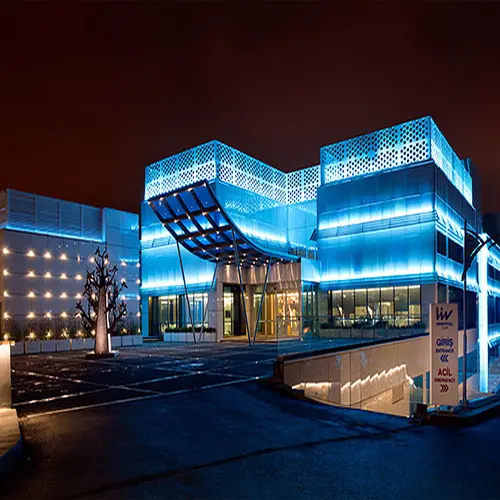

- 4.3
- 2k Reviews
- (Google)
- 153+ Beds
- 50+ Departments
- 100+ Doctors
- 120k+ Intl. Patients

- 3.3
- 3k Reviews
- (Google)
- 810+ Beds
- 60+ Departments
- 300+ Doctors
- 150k+ Intl. Patients
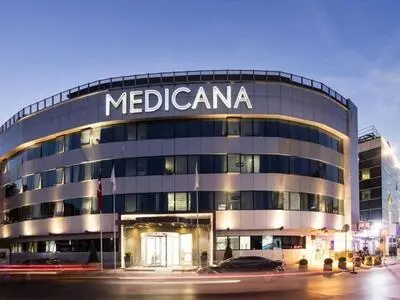
- 2.6
- 2k Reviews
- (Google)
- 220+ Beds
- 45+ Departments
- 200+ Doctors
- 90k+ Intl. Patients
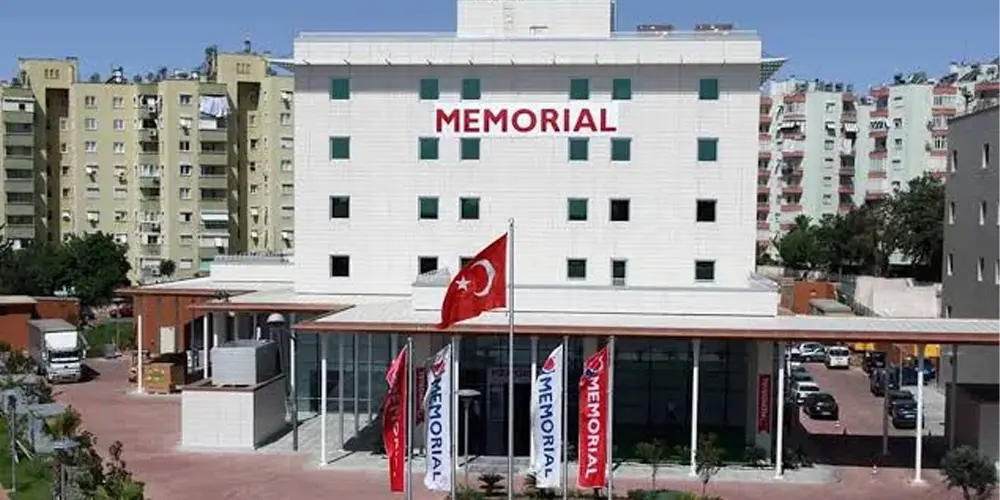
- 4.7
- 5k Reviews
- (Google)
- 280+ Beds
- 45+ Departments
- 200+ Doctors
- 120k+ Intl. Patients
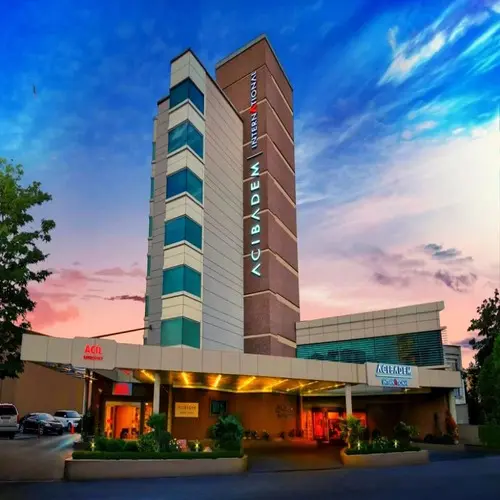
- 4.5
- 945 Reviews
- (Google)
- 112+ Beds
- 20+ Departments
- 100+ Doctors
- 33k+ Intl. Patients
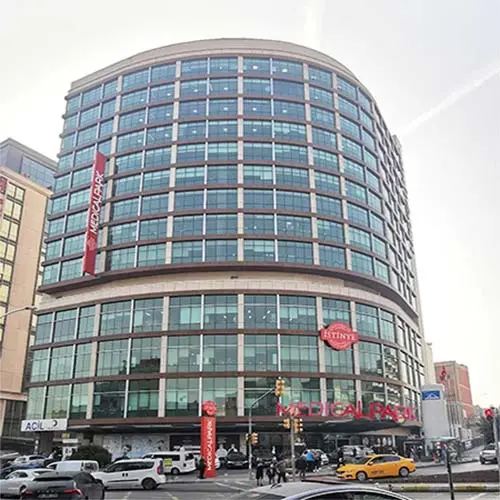
- 3.9
- 3k Reviews
- (Google)
- 197+ Beds
- 15+ Departments
- 24+ Doctors
- 13k+ Intl. Patients
Your Journey to Recovery: How HOSPIDIO Supports You
- Virtual Evaluation: Share your reports for a free specialist review.
- Tailored Treatment Plan: Receive a transparent quote and hospital options.
- Travel & Visa Assistance: We handle your invitation letters and local logistics.
- On-Ground Care: Dedicated manager for admission, surgery, and recovery.
- Heal & Return: Post-discharge follow-up and transition back home.
Frequently Asked Questions
TURP Surgery in Turkey typically takes between 1–3 hours depending on the type of procedure and the size of the prostate. Standard TURP and bipolar TURP usually take 1–2 hours, while more complex procedures like HoLEP or Aquablation may take 2–3 hours depending on prostate size and complexity.
TURP Surgery may cause retrograde ejaculation (dry orgasm) in some patients, where semen travels backward into the bladder instead of out through the urethra during orgasm. This is a common side effect affecting up to 65–70% of patients. Erectile function is generally preserved, and newer techniques like Rezum and TUIP have significantly lower rates of ejaculatory dysfunction.
Potential risks and complications of TURP Surgery include bleeding, urinary tract infection, retrograde ejaculation, urethral stricture, bladder neck contracture, temporary urinary incontinence, and in rare cases TURP syndrome with standard monopolar procedures. Choosing an experienced urologist in a reputable JCI-accredited hospital significantly minimizes these risks.
Yes, a urinary catheter is typically inserted after TURP Surgery to allow the urethra and prostate area to heal. The catheter is usually kept in place for 1–3 days after standard TURP, while newer laser procedures like HoLEP and Rezum may require shorter catheterization periods of 12–24 hours before removal.
After TURP Surgery in Turkey, patients require regular urological follow-up including urine flow rate testing (uroflowmetry), post-void residual urine measurement, PSA blood tests, urine analysis, and bladder assessment at 4–6 weeks, 3 months, 6 months, and 12 months after surgery. Hospidio coordinates telemedicine follow-up consultations for international patients after they return home.
There is no strict minimum age requirement for TURP Surgery in Turkey. However, it is most commonly performed in men aged 50 years and above who have developed significant BPH symptoms. In younger men, less invasive options such as Rezum Water Vapour Therapy or TUIP are often preferred to minimize the risk of retrograde ejaculation and preserve fertility and sexual function.
Yes, Hospidio offers a completely free medical opinion for patients considering TURP Surgery in Turkey. Patients simply need to share their medical reports, diagnostic test results, and PSA levels with Hospidio's medical team, who will review the case and connect the patient with the most suitable urological surgeon and hospital from their network of 100+ partner hospitals across Turkey for a personalized treatment recommendation.