
Thrombectomy cost in India
Thrombectomy cost in India can range from $4000 to $8000, which is equivalent to approximately 3,72,000 to 7,45,000 Indian rupees. In India. Renowned hospitals like Fortis, Apollo, and Artemis offer advanced care with experienced neurosurgeons and state-of-the-art technology.
Estimated Cost of Thrombectomy
Quick Summary: Thrombectomy in India
| Aspect | Details |
| Treatment | Thrombectomy |
| Average Cost in India | $4000 to $8000 USD |
| Procedure Type | Minimal Invasive |
| Hospital Stay | 4 to 5 days |
| Recovery Time | 3-4 weeks |
| Success Rate | More than 90% |
| Top Cities for Thrombectomy in India | Delhi, Mumbai, Chennai, Hyderabad |
What is Thrombectomy?
Thrombectomy is a surgical or minimally invasive medical procedure performed to remove a blood clot (thrombus) that has formed inside a blood vessel, blocking normal blood flow to vital organs or tissues. When a clot obstructs a major artery or vein, it can lead to life-threatening conditions such as stroke, pulmonary embolism, deep vein thrombosis, or acute limb ischemia, making timely removal of the clot absolutely critical to prevent permanent damage or death.
Thrombectomy is considered a minimally invasive procedure in most cases, performed under imaging guidance such as fluoroscopy or angiography to ensure precise clot removal with minimal damage to surrounding tissue.
Who is a candidate for Thrombectomy in India?
Candidates for Thrombectomy in India
Acute Ischemic Stroke Patients: Individuals experiencing a sudden stroke caused by a blood clot blocking a major artery in the brain, where mechanical thrombectomy must be performed within 6–24 hours of symptom onset to prevent permanent neurological damage.
Pulmonary Embolism Sufferers: Patients with a large or massive blood clot lodged in the pulmonary arteries of the lungs, causing severe breathing difficulty, low oxygen levels, and life-threatening cardiovascular instability requiring emergency clot removal.
Deep Vein Thrombosis (DVT) Cases: Those with extensive blood clots forming in the deep veins of the legs or arms, causing severe swelling, pain, and risk of the clot breaking off and traveling to the lungs or brain.
Acute Limb Ischemia Patients: Individuals with a sudden blockage of blood flow to an arm or leg due to a clot, causing severe pain, coldness, numbness, and tissue death if not treated immediately with thrombectomy.
Mesenteric Ischemia Sufferers: Patients with blood clots blocking the arteries supplying the intestines, causing severe abdominal pain, nausea, and risk of bowel necrosis requiring urgent clot removal.
Coronary Artery Thrombosis Cases: Those with blood clots forming in the coronary arteries during a heart attack, where thrombectomy may be performed alongside angioplasty to restore blood flow to the heart muscle.
Renal Artery Thrombosis Patients: Individuals with clots blocking the arteries supplying the kidneys, causing sudden kidney failure, severe flank pain, and risk of permanent renal damage if not promptly treated.
Failed Thrombolytic Therapy Cases: Patients who have received clot-dissolving medication (thrombolysis) but have not responded adequately, making mechanical thrombectomy the next essential step in treatment.
Hemodialysis Access Thrombosis Patients: Those with blood clots blocking arteriovenous fistulas or grafts used for kidney dialysis, requiring urgent thrombectomy to restore dialysis access and continue life-sustaining treatment.
Types of Thrombectomy & Cost in India
Type of Thrombectomy | Procedure Description |
Mechanical Thrombectomy | Minimally invasive catheter-based clot removal using devices (stent retriever/aspiration) |
Catheter-Directed Thrombectomy (CDT) | Catheter delivers drugs + removes clot |
Aspiration Thrombectomy | Suction device removes clot directly |
Rheolytic Thrombectomy | High-pressure saline jet breaks clot |
Open Surgical Thrombectomy | Open surgery to physically remove clot |
Pharmacomechanical Thrombectomy | Combination of clot-dissolving drugs + mechanical removal |
The cost of Thrombectomy surgery in India starts from $4000 US dollars
Factors affecting the cost of Thrombectomy in India
- Type of Thrombectomy Procedure Used (Mechanical, Surgical, Aspiration, or Catheter-Directed Thrombolysis)
- Location and Severity of the Blood Clot (Brain, Lungs, Legs, Heart, or Kidneys)
- Advanced Imaging & Equipment Used (Fluoroscopy, Angiography, or Robotic-Assisted Systems)
- Hospital Type and Accreditation Status (JCI-Accredited, Private vs. Public Hospital)
- Surgeon's Expertise and Years of Experience (Fellowship-Trained Vascular or Interventional Specialist)
- Emergency vs. Planned Procedure Cost Difference (ICU Admission, Emergency Room Charges & Critical Care)
- Post-Operative Care and Rehabilitation Program (Anticoagulation Therapy, Monitoring & Follow-Up Care)
Top Neurosurgeons for Thrombectomy Treatment in India

Specialized in




Diagnostic Tests for Thrombectomy in India
- Physical Examination & Vascular Assessment
- Doppler Ultrasound (Vascular Imaging)
- CT Angiography (Computed Tomography Angiography)
- MRI Angiography (Magnetic Resonance Angiography)
- Digital Subtraction Angiography (DSA)
- Echocardiography (Heart Ultrasound)
- Blood Tests (CBC, D-Dimer, Clotting Profile, INR)
- Electrocardiogram (ECG)
- Chest X-Ray (Pre-Procedure Assessment)
- Pulmonary Function Test (PFT)
Top Hospitals in India for Thrombectomy Treatment
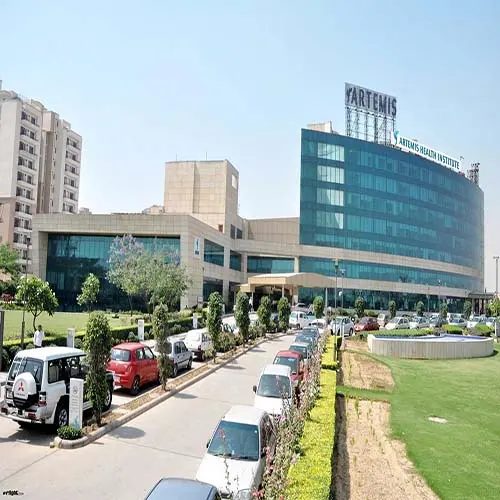

- 4.1
- 5k Reviews
- (Google)
- 750+ Beds
- 40+ Departments
- 400+ Doctors
- 35k+ Intl. Patients



- 4.5
- 3k Reviews
- (Google)
- 300+ Beds
- 30+ Departments
- 150+ Doctors
- 15k+ Intl. Patients
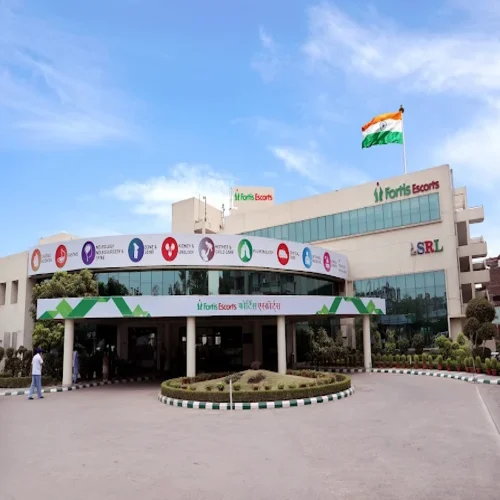
- 4.7
- 8k Reviews
- (Google)
- 260+ Beds
- 24+ Departments
- 60+ Doctors
- 8k+ Intl. Patients
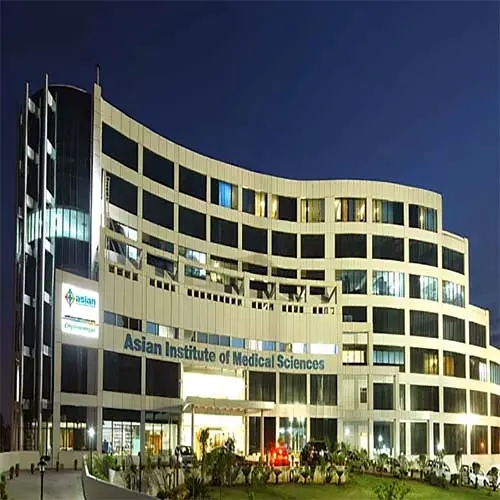
- 4.4
- 6k Reviews
- (Google)
- 425+ Beds
- 24+ Departments
- 1100+ Doctors
- 1mil+ Intl. Patients
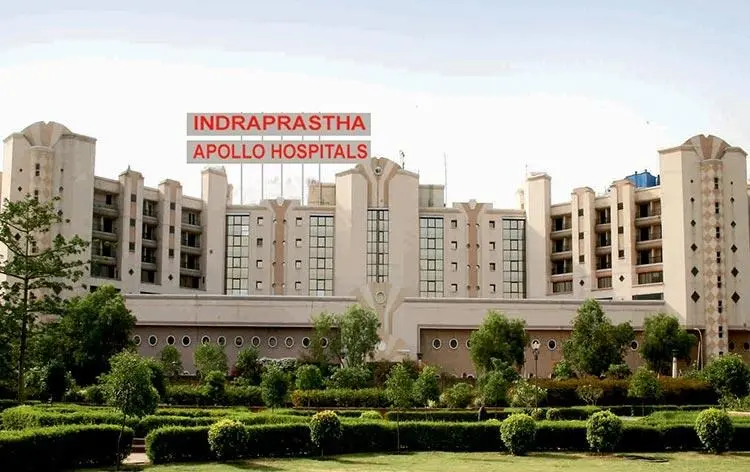
- 4.7
- 14k Reviews
- (Google)
- 710+ Beds
- 50+ Departments
- 200+ Doctors
- 45k+ Intl. Patients
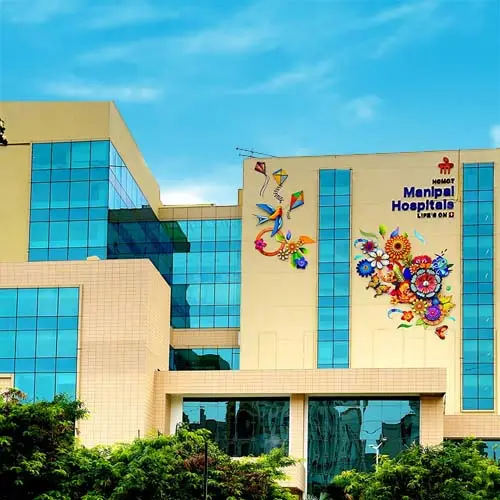
- 4.6
- 17k Reviews
- (Google)
- 380+ Beds
- 30+ Departments
- 90+ Doctors
- 50k+ Intl. Patients
Why International Patients Trust HOSPIDIO as Their Travel Partner
- Multilingual Support: Language shouldn't be a barrier; we provide expert interpreters.
- Travel & Accommodation: We book stay options near the hospital for you and your attendant.
- Airport-to-Hospital Transfers: Private pick-up and drop-off included.
- Global Continuity: Coordination with your local doctor if required after you return home.
Frequently Asked Questions
The procedure typically takes between 1–3 hours depending on the location and size of the clot, the technique used, and the complexity of the case.
Hospidio provides complete end-to-end support including hospital selection, doctor consultation, visa assistance, travel arrangements, accommodation, and post-operative care coordination, making your medical journey smooth and stress-free.
Preparation includes completing all diagnostic tests, stopping blood-thinning medications as advised, fasting before the procedure, arranging travel and accommodation, and sharing complete medical history with your surgeon.
Thrombectomy is generally a life-saving procedure, but like any emergency vascular treatment, it carries some risks. Possible complications include bleeding, damage to the blood vessel, infection, contrast allergy, re-blockage of the vessel, and in some cases stroke-related brain swelling or bleeding after clot removal. The overall risk depends on the patient’s condition, clot location, and how quickly treatment is given.
A thrombectomy is usually done when a blood clot causes a sudden blockage. Common signs and symptoms may include sudden weakness on one side of the body, facial drooping, slurred speech, confusion, severe headache, vision changes, dizziness, loss of balance, leg pain or swelling, chest pain, or shortness of breath, depending on where the clot is located.