
Myasthenia Gravis Treatment cost in India
The Myasthenia Gravis Treatment cost in India between $1,000 to $8,000 which is equivalent to 91,000 to 7,22,000 Indian Rupees. This is far more affordable compared to Western countries, where the same treatment may cost over $20,000 to $35,000.
Estimated Cost of Myasthenia Gravis Treatment
What is Myasthenia Gravis (MG)
Myasthenia Gravis (MG) is a long-term condition where the body’s immune system mistakenly interferes with the way nerves and muscles talk to each other. This makes the muscles weak and easily tired. The weakness usually affects the eyes, face, throat, and limbs, causing problems like drooping eyelids, double vision, slurred speech, difficulty swallowing, or trouble walking. A key feature of MG is that the weakness gets worse with activity but improves with rest. The condition happens because the immune system produces antibodies that block or damage the receptors (acetylcholine receptors) needed for muscles to receive signals from the nerves.
Myasthenia gravis is sometimes referred to as the "snowflake disease" because, like snowflakes, it affects each person uniquely, and its symptoms can vary in intensity and presentation from one person to another and even in the same person over time.
We Handle the Planning
You Focus on Recovery
From Medical Visa assistance to airport pick-up and local stay, HOSPIDIO manages your entire medical trip.
Tell Us About Your Need
Free case review. Confidential. No obligation.Symptoms of Myasthenia Gravis (MG)
Drooping eyelids (ptosis) – one or both eyelids may hang lower than normal
Double vision (diplopia) – blurred or overlapping vision due to weak eye muscles
Slurred or unclear speech – difficulty pronouncing words properly
Difficulty swallowing (dysphagia) – food or liquids may feel stuck in the throat
Chewing problems – jaw muscles get tired while eating
Weakness in arms or legs – making it hard to walk, climb stairs, or lift objects
Breathing difficulties – in severe cases, weak chest muscles can affect breathing (myasthenic crisis)
Muscle weakness that worsens with activity but improves with rest – a hallmark of MG
Causes of Myasthenia Gravis (MG)
Immune system attack: The body’s defense system mistakenly produces antibodies that block or damage the receptors (acetylcholine receptors) needed for nerve-to-muscle communication.
Blocked signals: Because of these antibodies, the messages from nerves don’t reach the muscles properly, leading to weakness and fatigue.
Thymus gland abnormalities: Many patients with MG have a larger-than-normal thymus gland or thymomas (tumors in the thymus), which play a role in producing the faulty immune response.
Genetic factors (rare): In some families, MG can be inherited, though most cases occur without a family history.
Other autoimmune conditions: MG can sometimes appear alongside other autoimmune diseases like thyroid problems or lupus
Treament and Managment
Type of Treatment | Description | Approx. Cost in India (USD) |
Diagnostic Tests (Blood tests, EMG, CT/MRI, Antibody Tests) | To confirm diagnosis and plan treatment. | $400 to $800 |
Medications (Immunosuppressants, Cholinesterase Inhibitors) | Long-term medicines like Pyridostigmine, Steroids, or Azathioprine to control symptoms. | $100 to $250 per month |
IVIG (Intravenous Immunoglobulin) Therapy | Short-term therapy used in severe cases or myasthenic crisis. | $2,000 to $4,000 per cycle |
Plasmapheresis (Plasma Exchange) | Removes harmful antibodies from the blood, often used in emergencies. | $600 to $,500 per cycle |
Thymectomy Surgery | Removal of the thymus gland if it contributes to MG. Done via open, laparoscopic, or robotic surgery. | $5,000 to $8,500 |
Hospital Stay & Supportive Care | Includes ICU, monitoring, and post-treatment physiotherapy. | $1,000 to $2,000 |
We Handle the Planning
You Focus on Recovery
From Medical Visa assistance to airport pick-up and local stay, HOSPIDIO manages your entire medical trip.
Tell Us About Your Need
Free case review. Confidential. No obligation.Myasthenia Gravis Treatment Cost Inclusions and Exclusions
Inclusions | Exclusions | Other Factors affecting treatment cost |
First consultation | Pre-operative examination and tests | Type of surgery advised |
Treatment as advised | Hotel stay, meals, flights and extended hospital stay | Choice of location, doctor, and hospital |
Routine drugs and consumables required during hospitalization | Post-treatment follow-ups | Pre-existing medical history |
Pre-anesthesia check-up and clearance | Treatment for any other underlying medical conditions | Type and duration of treatment advised |
Hospital stay and meals as per the package | Any complex investigations or drugs |
Diagnostic Tests for Myasthenia Gravis (MG) in India
Diagnostic Test | Description | Approx. Cost in India (USD) |
Blood Tests (Antibody Tests – AChR, MuSK, LRP4) | Detects specific antibodies that interfere with nerve-muscle communication. | $80 to $200 |
Electromyography (EMG) & Nerve Conduction Study (NCS) | Checks electrical activity of muscles and nerves to confirm muscle weakness. | $100 to $250 |
Repetitive Nerve Stimulation Test | A type of EMG that measures muscle response after repeated nerve signals. | $80 to $150 |
CT Scan / MRI of Chest | Looks for thymus gland enlargement or thymoma (tumor). | $100 to $250 |
Single-Fiber EMG (Most Sensitive Test) | Measures communication between a single nerve and muscle fiber. | $150 to $300 |
Pulmonary Function Test (PFT) | Evaluates breathing and chest muscle strength, especially if MG affects respiration. | $30 to $60 |
Routine Blood Work (CBC, LFT, KFT, Coagulation) | Checks overall health before treatment or surgery. | $20 to $50 |
Why India is Preferred for Myasthenia Gravis (MG) Treatment?
India has become a preferred destination for Myasthenia Gravis (MG) treatment because it offers expert neurologists, modern hospitals, and affordable care under one roof. Patients from around the world choose India as treatment here costs much less than in the US or Europe—often 60–70% cheaper—without compromising on quality.
Top hospitals like Apollo, Fortis, Medanta, and Manipal are equipped with advanced diagnostic tools such as EMG, antibody testing, and MRI scans, which ensure accurate diagnosis. Experienced neurologists and thoracic surgeons provide comprehensive treatment, ranging from long-term medications to advanced therapies like IVIG (Intravenous Immunoglobulin), plasmapheresis (plasma exchange), and thymectomy surgery when needed.
Another big advantage is the availability of minimally invasive surgery techniques, such as laparoscopic and robotic thymectomy, which mean smaller cuts, less pain, and quicker recovery for patients. India also provides holistic care, including physiotherapy, rehabilitation, and long-term follow-up support.
For international patients, India offers short waiting times, medical visa assistance, affordable accommodation, and multilingual support staff.
Best Myasthenia Gravis (MG) Hospitals in India
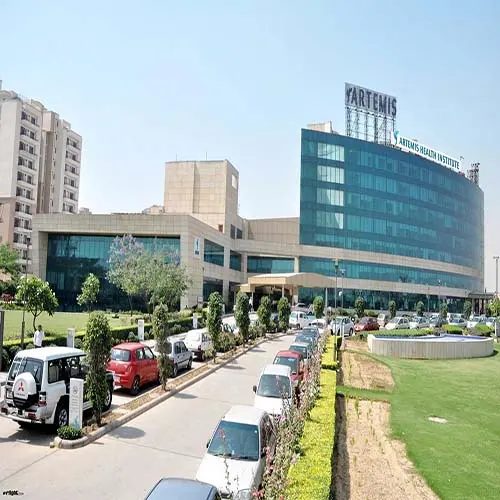

- 4.1
- 5k Reviews
- (Google)
- 750+ Beds
- 40+ Departments
- 400+ Doctors
- 35k+ Intl. Patients
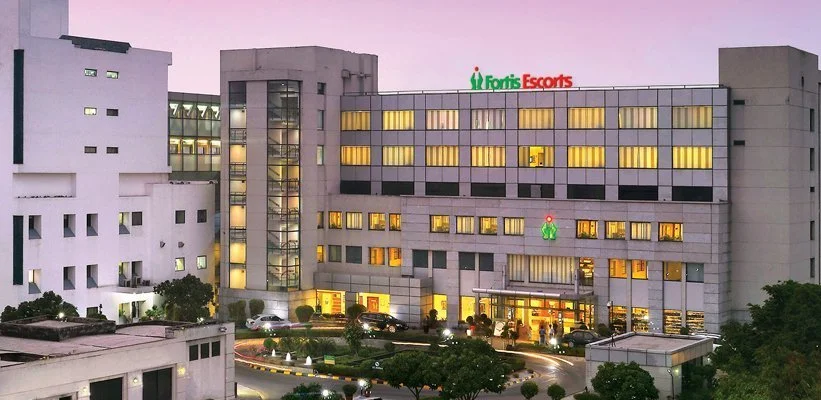

- 4.7
- 11k Reviews
- (Google)
- 310+ Beds
- 4+ Departments
- 200+ Doctors
- 70k+ Intl. Patients
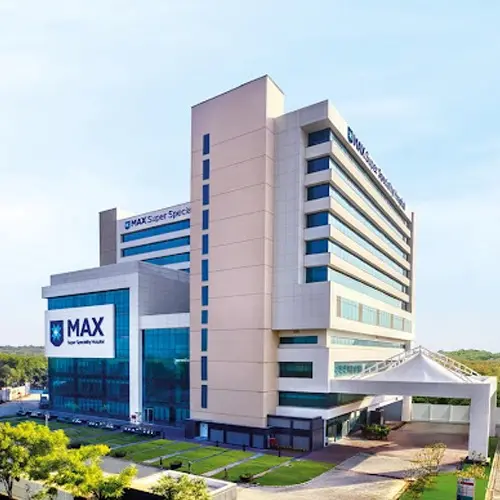

- 4.5
- 3k Reviews
- (Google)
- 300+ Beds
- 30+ Departments
- 150+ Doctors
- 15k+ Intl. Patients
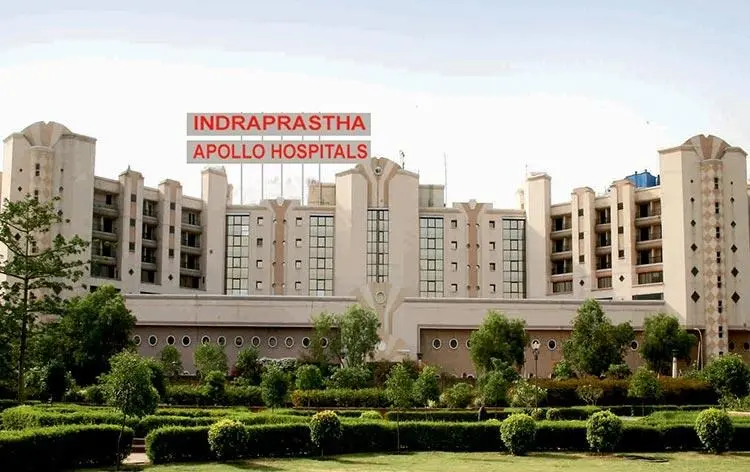
- 4.7
- 14k Reviews
- (Google)
- 710+ Beds
- 50+ Departments
- 200+ Doctors
- 45k+ Intl. Patients
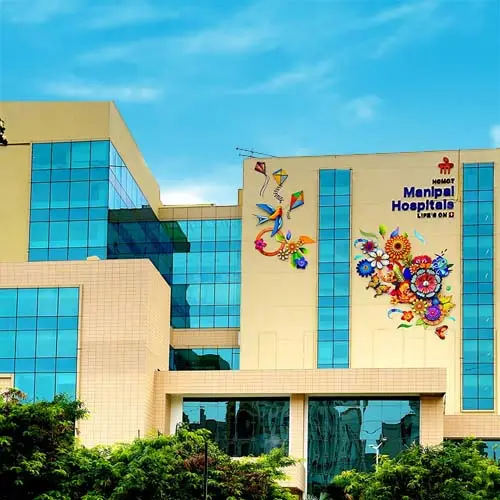
- 4.6
- 17k Reviews
- (Google)
- 380+ Beds
- 30+ Departments
- 90+ Doctors
- 50k+ Intl. Patients
Best Neurologists for Myasthenia Gravis Treatment in India





This content follows HOSPIDIO's Content Editorial Policy and has been reviewed by: