
Hydrocephalus Treatment cost in India
The Hydrocephalus Treatment in India cost ranges from $2000 to $5000 US dollars, which is equivalent to 1,80,000 to 4,60,000 Indian Rupees. The cost varies depending upon the types of the treatment offered, as well as other factors.
Estimated Cost of Hydrocephalus Treatment
What is Hydrocephalus?
Hydrocephalus is a neurological condition characterized by an abnormal accumulation of cerebrospinal fluid (CSF) within the ventricles (fluid-filled cavities) of the brain, causing them to enlarge and exert increased pressure on the surrounding brain tissue. Cerebrospinal fluid normally flows through the brain and spinal cord, providing cushioning, nutrients, and waste removal, but when this flow is disrupted, blocked, or overproduced, it builds up and creates dangerous pressure within the skull.
The condition can be congenital (present at birth) or acquired later in life due to causes such as brain injuries, infections like meningitis, brain tumors, strokes, or bleeding in the brain. In infants, hydrocephalus often presents as a rapidly enlarging head, bulging fontanelle, and downward deviation of the eyes, while in older children and adults it may cause headaches, nausea, vision problems, cognitive difficulties, balance issues, and urinary incontinence.
Who is a candidate for Hydrocephalus treatment in India?
Key candidates for Hydrocephalus Treatment in India:
Congenital Hydrocephalus Infants: Newborns and babies born with abnormal accumulation of cerebrospinal fluid in the brain ventricles, presenting with an enlarged head, bulging fontanelle, and downward deviation of the eyes requiring immediate surgical intervention.
Post-Meningitis Patients: Individuals who have developed hydrocephalus as a complication of bacterial or viral meningitis, where inflammation has blocked the normal flow and absorption of cerebrospinal fluid in the brain.
Brain Tumor Patients: Those whose brain tumor is obstructing the normal circulation of cerebrospinal fluid, causing a dangerous buildup of pressure within the skull that requires urgent surgical drainage and management.
Post-Traumatic Hydrocephalus Cases: Patients who have developed hydrocephalus following a severe head injury or traumatic brain injury that has disrupted the normal flow and absorption of cerebrospinal fluid.
Subarachnoid Hemorrhage Patients: Individuals who have experienced bleeding in the space surrounding the brain, causing blockage of cerebrospinal fluid pathways and subsequent development of hydrocephalus.
Normal Pressure Hydrocephalus (NPH) Sufferers: Elderly patients presenting with the classic triad of symptoms including difficulty walking, urinary incontinence, and progressive cognitive decline or dementia caused by gradual fluid accumulation.
Post-Stroke Hydrocephalus Cases: Patients who have developed hydrocephalus as a complication of a stroke, where bleeding or infarction has disrupted normal cerebrospinal fluid circulation and drainage pathways.
Spina Bifida Patients: Children born with spina bifida, a neural tube defect, who frequently develop associated hydrocephalus requiring early surgical shunt placement to prevent further neurological damage.
Aqueductal Stenosis Cases: Patients with a narrowing or blockage of the cerebral aqueduct, the channel connecting brain ventricles, causing obstructive hydrocephalus that requires endoscopic or shunt surgery.
Types of Hydrocephalus Treatment in India and Cost
Treatment Type | Procedure | Cost in India (USD) |
VP Shunt Surgery (Ventriculoperitoneal Shunt) | A tube (shunt) is placed to drain excess cerebrospinal fluid (CSF) from the brain to the abdomen | $1,800 – $10,000 |
Endoscopic Third Ventriculostomy (ETV) | A minimally invasive procedure creating a small opening in the brain to allow fluid flow | $4,500 – $7,100 |
ETV + CPC (Choroid Plexus Cauterization) | Combined advanced procedure reducing CSF production along with ETV | $5,000 – $8,000 (approx.) |
Neuroendoscopy | Advanced endoscopic technique used for diagnosis and treatment of complex hydrocephalus cases | $2,500 – $8,000 |
Medication Management (Temporary) | Drugs to reduce CSF production or manage symptoms (not definitive treatment) | $200 – $1,000 |
Treatment of Underlying Cause (Tumor/Infection) | Surgery or therapy to remove blockage causing hydrocephalus | $3,000 – $10,000+ |
We Handle the Planning
You Focus on Recovery
From Medical Visa assistance to airport pick-up and local stay, HOSPIDIO manages your entire medical trip.
Tell Us About Your Need
Free case review. Confidential. No obligation.Factors affecting the cost of Hydrocephalus Treatment in India
- Type of Surgical Procedure Used (VP Shunt, ETV, LP Shunt, or Revision Shunt Surgery)
- Type and Brand of Shunt Device Used (Standard, Programmable, or Anti-Siphon Shunt Systems)
- Age and Complexity of the Patient's Condition (Infant, Pediatric, Adult, or Elderly Patient)
- Hospital Type and Accreditation Status (JCI-Accredited, Private vs. Public Hospital)
- Surgeon's Expertise and Years of Experience (Fellowship-Trained Pediatric or Adult Neurosurgeon)
- Length of Hospital Stay and ICU Requirements (Standard Ward vs. Private Room & Intensive Care)
- Post-Operative Care and Follow-Up Management (Neurological Monitoring, Imaging & Rehabilitation)
Diagnostic Tests Before Hydrocephalus Treatment (India)
Test Name | Purpose |
MRI Brain | Detailed imaging to detect fluid buildup and brain structure abnormalities |
CT Scan Brain | Quick imaging to identify enlarged ventricles or blockage |
Neurological Examination | Assessment of cognitive function, reflexes, and symptoms |
Lumbar Puncture (Spinal Tap) | Measures CSF pressure and analyzes fluid |
CSF Flow Study (Cine MRI) | Evaluates cerebrospinal fluid movement |
Blood Tests | Checks for infections or underlying conditions |
The cost of Diagnostic Tests Before Hydrocephalus Treatment in India- $250-$400 US dollars
Why is India preferred as one of the best countries for Hydrocephalus Treatment?
India has emerged as one of the most preferred global destinations for Hydrocephalus treatment, offering an exceptional combination of world-class neurosurgical expertise, advanced medical technology, and highly affordable treatment costs that attract thousands of international patients from Africa, the Middle East, Southeast Asia, and beyond. Indian neurosurgeons and pediatric specialists are internationally trained and highly experienced in performing complex hydrocephalus procedures including VP shunt placement, programmable shunt systems, and Endoscopic Third Ventriculostomy (ETV), delivering outcomes that are on par with the best medical centers in the world.
The cost advantage India provides is truly remarkable. Patients can save between 60–70% compared to treatment costs in the United Kingdom, United States, or Western Europe, while receiving care in state-of-the-art hospitals equipped with advanced neuroimaging, intraoperative neuromonitoring, and dedicated pediatric neurosurgery units. Leading hospitals such as Apollo Hospitals, Fortis Healthcare, Manipal Hospitals, Max Super Speciality Hospital, Narayana Health, Kokilaben Dhirubhai Ambani Hospital, and Medanta – The Medicity are globally recognized for their excellence in neurosurgical care and have successfully treated thousands of hydrocephalus patients from around the world.
Top Hospitals in India for Hydrocephalus Treatment
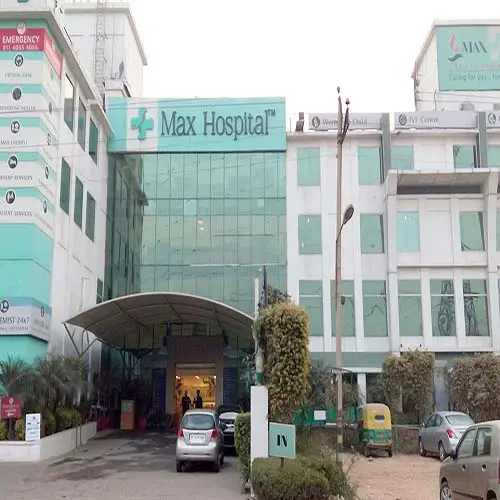


- 4.5
- 4k Reviews
- (Google)
- 104+ Beds
- 36+ Departments
- 300+ Doctors
- 300k+ Intl. Patients
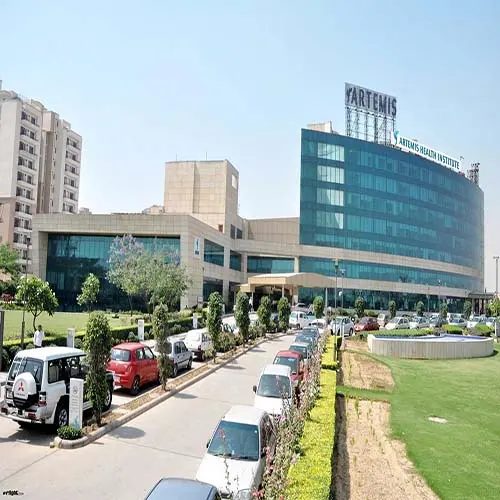

- 4.1
- 5k Reviews
- (Google)
- 750+ Beds
- 40+ Departments
- 400+ Doctors
- 35k+ Intl. Patients
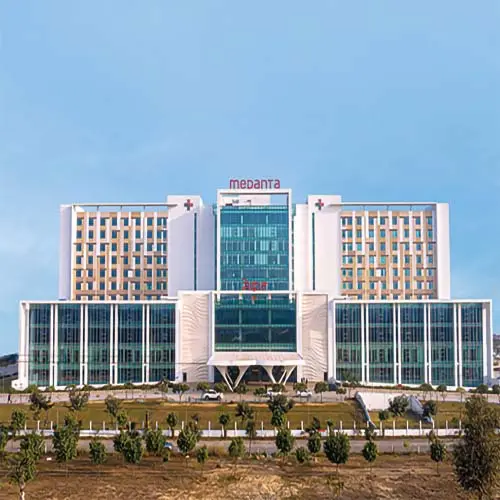
- 4.2
- 9k Reviews
- (Google)
- 1k+ Beds
- 30+ Departments
- 900+ Doctors
- 125k+ Intl. Patients

- 4.6
- 27k Reviews
- (Google)
- 500+ Beds
- 19+ Departments
- 105+ Doctors
- 35k+ Intl. Patients
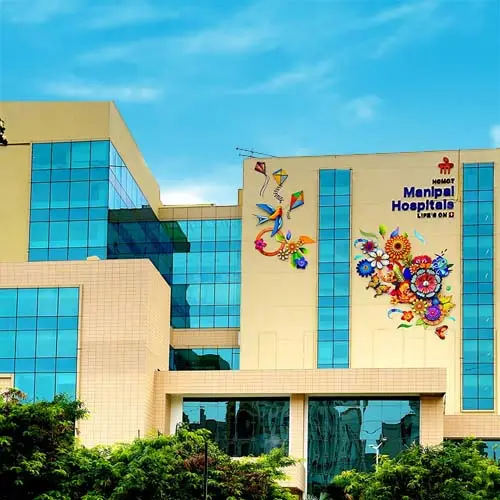
- 4.6
- 17k Reviews
- (Google)
- 380+ Beds
- 30+ Departments
- 90+ Doctors
- 50k+ Intl. Patients
Best Neurologist in India Hydrocephalus Treatment



Why International Patients Trust HOSPIDIO as Their Travel Partner
- Multilingual Support: Language shouldn't be a barrier; we provide expert interpreters.
- Travel & Accommodation: We book stay options near the hospital for you and your attendant.
- Airport-to-Hospital Transfers: Private pick-up and drop-off included.
- Global Continuity: Coordination with your local doctor if required after you return home.
Frequently Asked Questions
Symptoms vary by age. In infants, common signs include a rapidly enlarging head, bulging fontanelle, and downward deviation of the eyes. In older children and adults, symptoms may include severe headaches, nausea, vomiting, blurred vision, difficulty walking, memory problems, urinary incontinence, and progressive cognitive decline.
Yes, absolutely. India's leading hospitals are JCI-accredited and maintain international standards of patient safety, hygiene, and surgical care. Indian neurosurgeons are highly trained, many having completed fellowships in the US and Europe, ensuring that international patients receive world-class treatment with excellent outcomes.
While Hydrocephalus cannot always be completely cured, it can be effectively managed through surgery. VP Shunt Surgery and ETV are highly successful in relieving symptoms, reducing brain pressure, and preventing further neurological damage. Many patients go on to lead completely normal and productive lives following successful treatment.
Yes, there is a possibility of recurrence, particularly with VP Shunt Surgery, where the shunt may become blocked, infected, or malfunction over time and require revision surgery. ETV has a lower recurrence rate but may not be suitable for all patients. Regular follow-up with a neurosurgeon is essential for long-term management.
The earliest and most noticeable sign of Hydrocephalus in newborns is a rapidly enlarging head circumference that exceeds normal growth measurements. Other early signs include a bulging or tense fontanelle (soft spot on top of the head), prominent scalp veins, downward deviation of the eyes (also called "sunset sign"), irritability, poor feeding, and high-pitched crying that is unusual for the baby.
In adults, Hydrocephalus commonly presents with persistent and progressively worsening headaches, nausea, vomiting, blurred vision, difficulty concentrating, memory problems, slowed thinking, loss of coordination, and in severe cases, seizures or loss of consciousness. Symptoms are typically worse in the morning due to increased intracranial pressure during sleep.