
Deep Vein Thrombosis DVT Treatment cost in India
Deep Vein Thrombosis (DVT) treatment cost in India ranges from $1,500 to $6,000, which is equivalent to 1,10,000 to 5,40,000 Indian Rupees, depending on the severity of the clot, treatment approach, patient condition, and hospital selection. India offers highly affordable vascular care while maintaining advanced diagnostic facilities, modern treatment techniques, and experienced specialists.
Treatment may include anticoagulation therapy (blood thinners), catheter-directed thrombolysis, thrombectomy, or IVC filter placement in high-risk cases. The final cost varies based on the type of procedure, duration of hospitalization, need for ICU monitoring, and follow-up care.
Estimated Cost of Deep Vein Thrombosis DVT Treatment
What is Deep vein thrombosis DVT?
Deep Vein Thrombosis (DVT) is a medical condition in which a blood clot (thrombus) forms in a deep vein, most commonly in the legs. These clots partially or completely block normal blood flow and can become dangerous if they break loose and travel to the lungs, causing a potentially life-threatening complication known as pulmonary embolism (PE).
DVT may develop due to prolonged immobility, surgery, injury, pregnancy, certain medical conditions, or blood clotting disorders. Symptoms can include leg swelling, pain, warmth, redness, or tenderness, although some patients may have no noticeable symptoms.
Early diagnosis and treatment are crucial to prevent serious complications and to restore healthy blood circulation.
We Handle the Planning
You Focus on Recovery
From Medical Visa assistance to airport pick-up and local stay, HOSPIDIO manages your entire medical trip.
Tell Us About Your Need
Free case review. Confidential. No obligation.Who Is a Candidate for Deep Vein Thrombosis (DVT) Treatment in India?
Candidates for DVT treatment typically include the following:
Patients diagnosed with confirmed deep vein thrombosis through ultrasound or imaging
Individuals with leg pain, swelling, warmth, or redness suggestive of a blood clot
Patients at risk of clot progression or pulmonary embolism
Cases not adequately controlled with medication alone
Patients with recurrent DVT or high-risk clotting conditions
Individuals requiring advanced procedures such as thrombolysis or thrombectomy
Preventive treatment candidates to reduce long-term complications
Deep Vein Thrombosis (DVT) Treatment Options & Cost in India (USD)
Treatment Option | Description |
Anticoagulation Therapy | Blood-thinning medications used to prevent clot growth and reduce new clot formation; first-line treatment for most patients |
Catheter-Directed Thrombolysis | Minimally invasive procedure delivering clot-dissolving medication directly into the clot |
Mechanical Thrombectomy | Advanced catheter-based technique to physically remove the clot |
IVC Filter Placement | Device inserted into the inferior vena cava to prevent clots from reaching the lungs in high-risk cases |
Combination / Advanced Intervention | Used for severe or complicated DVT cases requiring multiple treatment approaches |
Deep Vein Thrombosis DVT Cost starts from $1500 US dollars
Factors Affecting the Cost of Deep Vein Thrombosis (DVT) Treatment in India
Type of treatment required (medication vs interventional procedures)
Severity and location of the blood clot
Need for advanced procedures such as thrombolysis or thrombectomy
Patient’s overall health condition and risk factors
Choice of hospital and city
Length of hospital stay and monitoring
Diagnostic tests and imaging required
Post-treatment care and follow-up needs
Symptoms of Deep Vein Thrombosis (DVT)
Deep Vein Thrombosis may present with noticeable symptoms, although some patients may have no obvious warning signs. Common symptoms include:
Swelling in one leg (rarely both legs)
Leg pain or tenderness, often starting in the calf
Warmth over the affected area
Red or discolored skin on the leg
A feeling of heaviness or tightness in the leg
Visible surface veins in some cases
Warning Signs Requiring Immediate Medical Attention
If a clot travels to the lungs (pulmonary embolism), symptoms may include:
Sudden shortness of breath
Chest pain, especially while breathing
Rapid heartbeat
Dizziness or fainting
Here are both sections written in a clean, landing-page–friendly format consistent with your previous content style:
Common Causes of Deep Vein Thrombosis (DVT)
Deep Vein Thrombosis occurs when a blood clot forms in a deep vein, typically due to factors that affect normal blood circulation. Frequent causes include:
Prolonged immobility (long flights, bed rest, sedentary lifestyle)
Recent surgery or hospitalization
Injury or trauma to blood vessels
Slowed blood flow in the veins
Medical conditions affecting blood clotting
Pregnancy and hormonal changes
Certain medications, including hormone-based therapies
Risk Factors for Deep Vein Thrombosis (DVT)
Several factors can increase the likelihood of developing DVT. Individuals at higher risk include:
People with a history of DVT or blood clots
Patients undergoing major surgery
Individuals with heart disease or cancer
Pregnant women or recent childbirth cases
Long periods of inactivity or travel
Obesity and smoking
Genetic or inherited clotting disorders
Advanced age, especially over 60
Diagnostic Tests for Deep Vein Thrombosis (DVT) & Cost in India (USD)
Diagnostic Test | Purpose |
Doppler Ultrasound | Primary and most commonly used test to detect blood clots and assess blood flow in deep veins |
D-Dimer Blood Test | Measures clotting activity; used to support or rule out suspected DVT |
Venography (Rarely Required) | Specialized imaging using contrast dye to visualize veins |
CT Venography | Advanced imaging used in complex or unclear cases |
MRI Venography | Detailed imaging for selected or complicated cases |
Blood Tests (Coagulation Profile) | Evaluates clotting function and underlying risk factors |
Physical Examination | Initial clinical assessment of symptoms and risk indicators |
The diagnostic cost for Deep Vein Thrombosis DVT Treatment is - $400 to $600 US Dollars
Why Is India Preferred for Deep Vein Thrombosis (DVT) Treatment?
Significantly lower treatment costs compared to Western countries
Access to experienced vascular specialists and interventional radiologists
Advanced diagnostic and imaging facilities for accurate clot detection
Modern minimally invasive treatment options
Internationally accredited hospitals with high safety standards
Short waiting times for evaluation and treatment
Comprehensive care for international patients, including visa assistance and recovery support
Best Hospitals for Deep Vein Thrombosis DVT Treatment in India
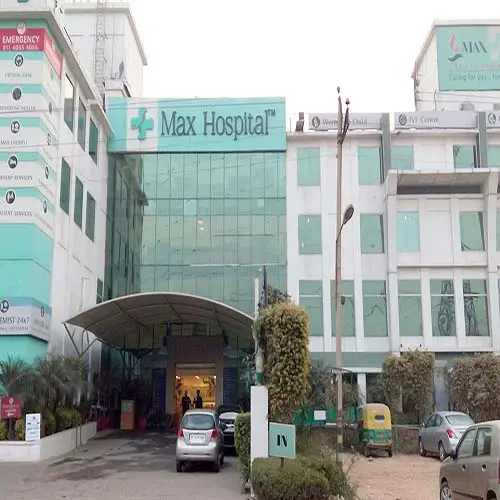


- 4.5
- 4k Reviews
- (Google)
- 104+ Beds
- 36+ Departments
- 300+ Doctors
- 300k+ Intl. Patients
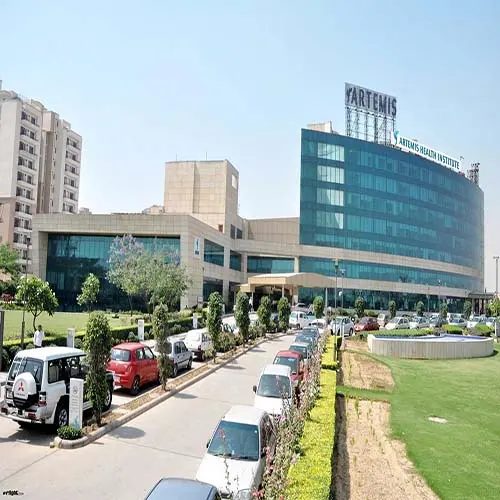
- 4.1
- 5k Reviews
- (Google)
- 750+ Beds
- 40+ Departments
- 400+ Doctors
- 35k+ Intl. Patients

- 4.7
- 9k Reviews
- (Google)
- 1k+ Beds
- 40+ Departments
- 300+ Doctors
- 55k+ Intl. Patients
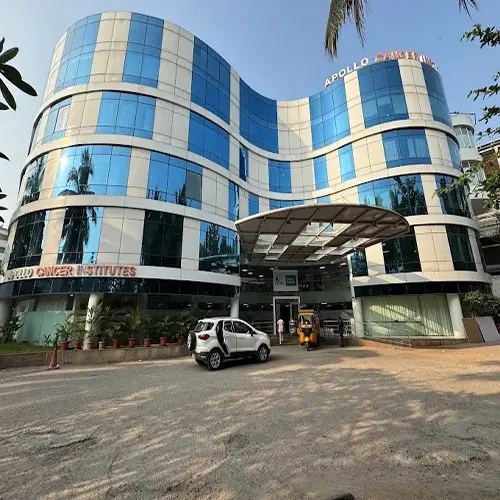
- 4.8
- 35k Reviews
- (Google)
- 550+ Beds
- 50+ Departments
- 200+ Doctors
- 9k+ Intl. Patients
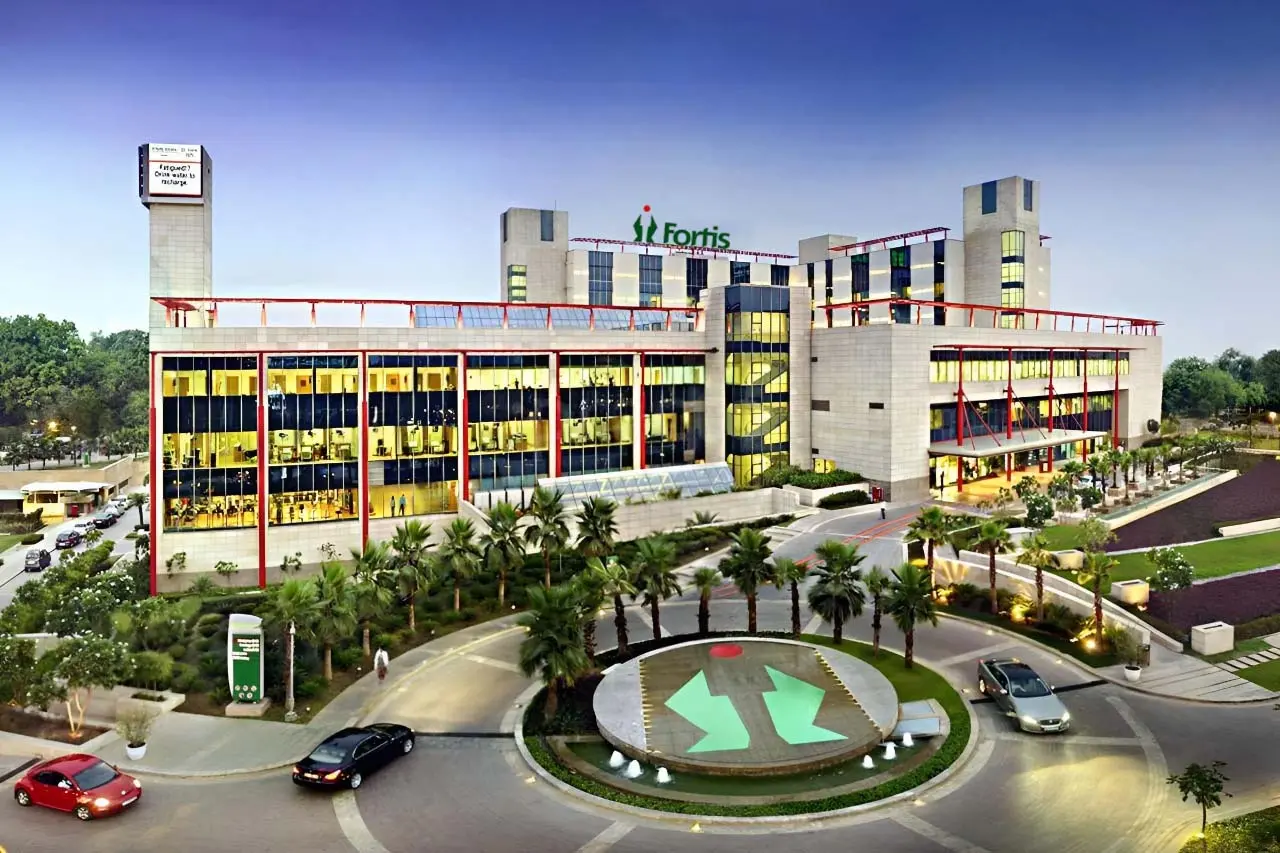
- 4.6
- 12k Reviews
- (Google)
- 330+ Beds
- 30+ Departments
- 250+ Doctors
- 72k+ Intl. Patients
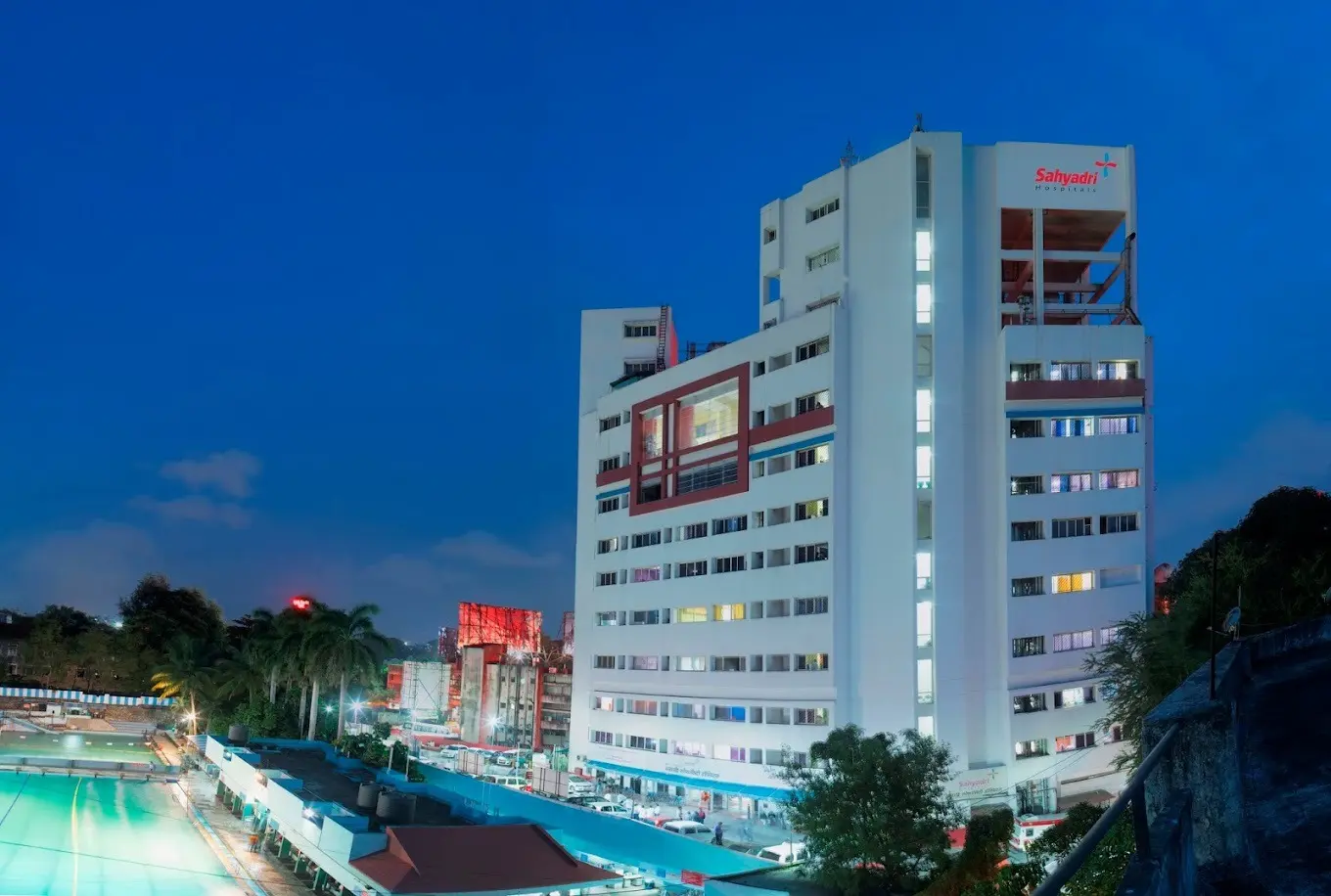
- 4.7
- 14k Reviews
- (Google)
- 200+ Beds
- 30+ Departments
- 100+ Doctors
- 25k+ Intl. Patients
Best Doctor for Deep Vein Thrombosis DVT Treatment in India

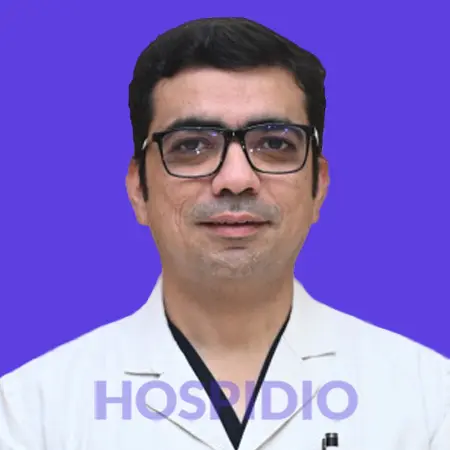

Specialized in

Specialized in

Specialized in
Your Journey to Recovery: How HOSPIDIO Supports You
- Virtual Evaluation: Share your reports for a free specialist review.
- Tailored Treatment Plan: Receive a transparent quote and hospital options.
- Travel & Visa Assistance: We handle your invitation letters and local logistics.
- On-Ground Care: Dedicated manager for admission, surgery, and recovery.
- Heal & Return: Post-discharge follow-up and transition back home.
Frequently Asked Questions
Many cases are successfully managed using medications and minimally invasive procedures, avoiding open surgery.
Untreated DVT may lead to pulmonary embolism, chronic leg pain, swelling, and long-term circulation problems.
DVT can become dangerous when a clot travels to the lungs, leading to a pulmonary embolism, which needs urgent care.
Procedures like catheter-directed thrombolysis or thrombectomy are considered in severe cases or when medication alone is insufficient.
Recurrence is possible, particularly in patients with underlying risk factors. Proper medication and follow-up reduce this risk.
Doctors commonly recommend regular movement, hydration, compression stockings, and medication adherence
Yes, once your medical reports are reviewed, we provide a confirmed surgery date typically within one week.
Yes, our surgeons use the same FDA-approved technology and protocols, ensuring world-class outcomes with a 98%+ success rate.
The average cost for Deep Vein Thrombosis (DVT) in India is $1500 to $6000 USD.
Most e-Medical visas are issued within 48 to 72 hours; we provide the required hospital visa invitation letter instantly to prevent any delays.
Yes, we assist in securing Medical Attendant Visas for up to two companions simultaneously so your support system arrives with you.
Our team handles all local visa extension paperwork at the hospital, ensuring your stay is legally extended until you are medically cleared to fly.