
CRT-D cost in India
CRT-D implantation cost in India ranges from $7,000 to $12,000 US dollars, which is equivalent to 6,30,000 to 10,80,000 Indian Rupees, depending on the device brand, hospital selection, patient’s heart condition, and complexity of the procedure. Despite the use of advanced device technology and specialized electrophysiology expertise, the cost remains significantly lower than in many Western countries. CRT-D devices are commonly recommended for patients with heart failure, reduced ejection fraction, and abnormal ventricular coordination, helping improve heart efficiency while also protecting against life-threatening arrhythmias.
The final cost may vary based on pre-implant diagnostics, ICU monitoring, device model, and duration of hospitalization.
Estimated Cost of CRT-D
What is CRT-D?
Cardiac Resynchronization Therapy with Defibrillator (CRT-D) is an implantable cardiac device designed for patients with heart failure and abnormal heart rhythm risk. It combines two important functions:
Cardiac Resynchronization Therapy (CRT) – Improves the coordination of the heart’s ventricles by delivering precisely timed electrical impulses, helping the heart pump blood more efficiently.
Defibrillator (ICD) Function – Detects and corrects life-threatening arrhythmias by delivering a controlled electric shock when needed.
CRT-D is typically recommended for patients with reduced ejection fraction, ventricular dyssynchrony, and a high risk of sudden cardiac arrest. The device helps relieve heart failure symptoms, improve quality of life, and provide protection against dangerous heart rhythms, offering both therapeutic and life-saving benefits in a single system.
We Handle the Planning
You Focus on Recovery
From Medical Visa assistance to airport pick-up and local stay, HOSPIDIO manages your entire medical trip.
Tell Us About Your Need
Free case review. Confidential. No obligation.Who Requires CRT-D Implantation?
CRT-D implantation is typically recommended for patients with heart failure and a risk of serious arrhythmias. Common candidates include:
Patients with moderate to severe heart failure (HFrEF)
Reduced left ventricular ejection fraction (typically ≤ 35%)
Abnormal ventricular contraction / dyssynchrony (e.g., bundle branch block)
Persistent symptoms despite optimal medical therapy
Patients at high risk of sudden cardiac arrest
History of dangerous ventricular arrhythmias
Cardiomyopathy with electrical conduction delays
CRT-D helps improve heart pumping efficiency while also providing defibrillator protection against life-threatening heart rhythms, making it crucial for selected high-risk heart failure patients.
CRT-D Implantation Cost in India (USD)
CRT-D Device Type | Description |
Standard CRT-D | Basic cardiac resynchronization system with defibrillator function |
Advanced CRT-D (Premium Model) | Enhanced battery life and advanced sensing capabilities |
High-End CRT-D with Remote Monitoring | Includes remote patient monitoring & advanced diagnostic features |
MRI-Compatible CRT-D Device | Safe for MRI scans with specialized hardware |
CRT-D Implantation Cost starts from $7000 US dollars
Factors Affecting the Cost of CRT-D Implantation in India
Type and model of CRT-D device (standard vs advanced / MRI-compatible)
Device brand and technology features
Patient’s heart condition and complexity of disease
Number and type of leads required
Choice of hospital and city
Length of hospital stay and ICU monitoring
Pre-implant diagnostic tests and evaluations
Post-implant programming and follow-up care
Symptoms That May Indicate the Need for CRT-D
Patients who may benefit from CRT-D implantation often experience moderate to severe heart failure symptoms, such as:
Shortness of breath, especially during activity or while lying down
Persistent fatigue and weakness
Swelling in the legs, ankles, or abdomen
Irregular or rapid heartbeat (palpitations)
Reduced exercise tolerance
Frequent dizziness or near-fainting episodes
Difficulty performing daily activities
Risk Factors That Increase the Need for CRT-D
Certain medical conditions and clinical findings increase the likelihood of requiring CRT-D therapy:
Heart failure with reduced ejection fraction (≤ 35%)
Bundle branch block or electrical conduction delays
Dilated or ischemic cardiomyopathy
History of dangerous ventricular arrhythmias
Previous heart attack with heart muscle damage
Enlarged or weakened heart chambers
Symptoms not controlled by medications alone
CRT-D vs ICD vs CRT-P – Comparison
Feature | CRT-D | ICD (AICD) | CRT-P |
Full Form | Cardiac Resynchronization Therapy with Defibrillator | Implantable Cardioverter Defibrillator | Cardiac Resynchronization Therapy Pacemaker |
Primary Purpose | Improves heart failure symptoms and prevents sudden cardiac arrest | Prevents sudden cardiac arrest from dangerous arrhythmias | Improves heart pumping efficiency in heart failure |
Heart Failure Support | Yes | No | Yes |
Defibrillator Protection | Yes | Yes | No |
Pacing Function | Yes | Limited | Yes |
Typical Candidates | Heart failure + low EF + arrhythmia risk | High arrhythmia / sudden death risk | Heart failure + ventricular dyssynchrony |
Shock Delivery | Yes | Yes | No |
Symptom Improvement | Significant | Limited | Significant |
Device Complexity | High | Moderate | Moderate |
Diagnostic Tests for CRT-D Implantation & Cost in India (USD)
Diagnostic Test | Purpose |
Electrocardiogram (ECG) | Evaluates heart rhythm and electrical conduction abnormalities |
Echocardiography (2D Echo) | Measures heart function and ejection fraction |
Doppler Echocardiography | Assesses blood flow dynamics and ventricular function |
Holter Monitoring (24–48 hrs) | Detects intermittent arrhythmias and conduction issues |
Cardiac MRI (if required) | Provides detailed structural and functional heart assessment |
CT Coronary Angiography (if required) | Evaluates coronary artery disease before implantation |
Electrophysiology (EP) Study | Analyzes electrical pathways and arrhythmia risk |
Blood Tests | Checks kidney function, electrolytes, infection risk, clotting profile |
Chest X-ray | Assesses heart size and lung condition prior to implantation |
The diagnostic cost for CRT-D Implantation is - $800-$1000 US Dollars
Why Choose India for CRT-D Implantation?
Significant cost savings compared to the US, UK, and Europe
Access to advanced CRT-D devices with latest technology
Highly experienced cardiac electrophysiologists and heart specialists
Internationally accredited hospitals with modern cardiac ICUs
High success rates following globally accepted clinical protocols
Short waiting times for diagnosis and implantation
Comprehensive support for international patients, including visa assistance, travel coordination, and recovery care
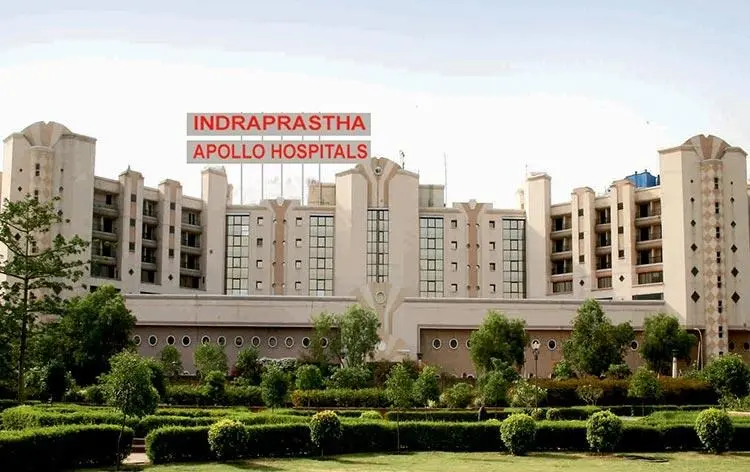
Best Hospitals for CRT-D Implantation Treatment in India
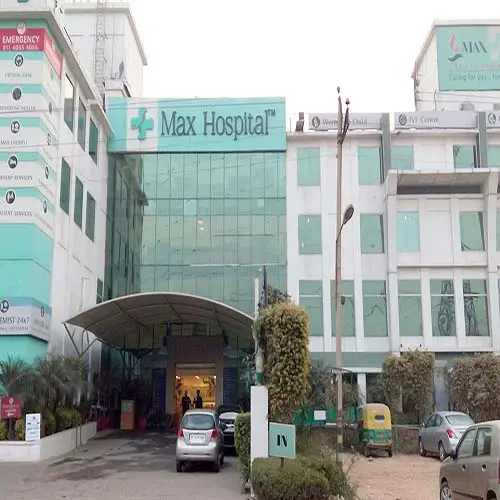


- 4.5
- 4k Reviews
- (Google)
- 104+ Beds
- 36+ Departments
- 300+ Doctors
- 300k+ Intl. Patients
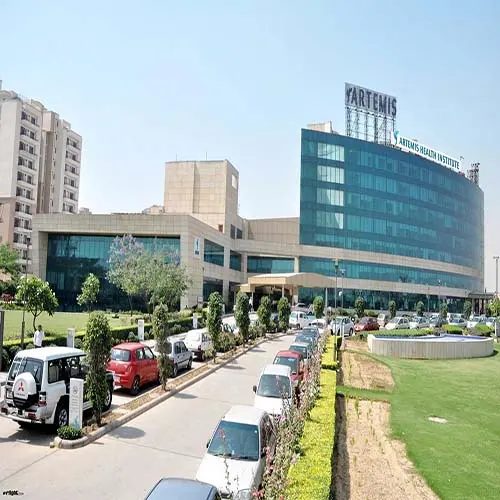

- 4.1
- 5k Reviews
- (Google)
- 750+ Beds
- 40+ Departments
- 400+ Doctors
- 35k+ Intl. Patients

- 4.7
- 9k Reviews
- (Google)
- 1k+ Beds
- 40+ Departments
- 300+ Doctors
- 55k+ Intl. Patients
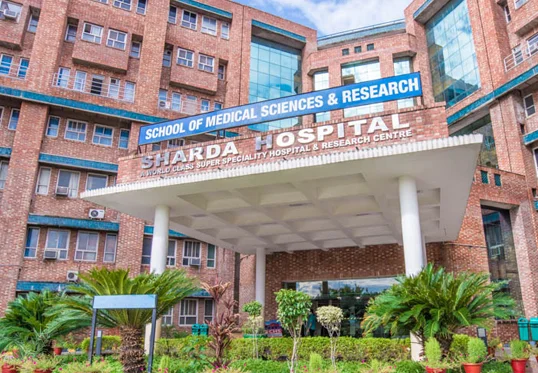
- 4.1
- 2k Reviews
- (Google)
- 1k+ Beds
- 20+ Departments
- 400+ Doctors
- 100k+ Intl. Patients

- 4.7
- 13k Reviews
- (Google)
- 275+ Beds
- 30+ Departments
- 40+ Doctors
- 50k+ Intl. Patients
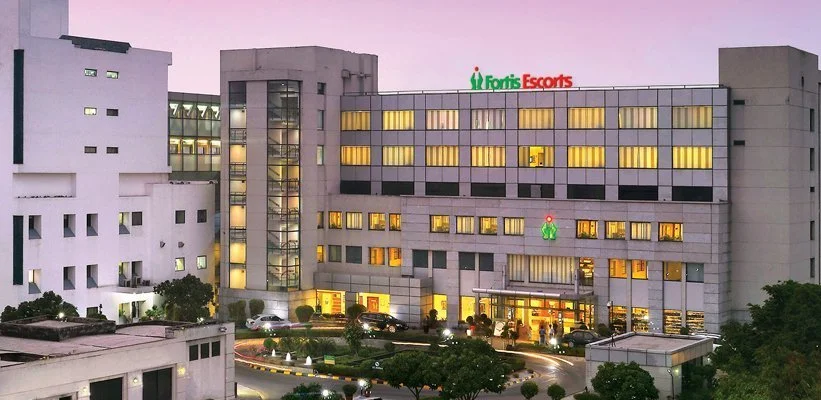
- 4.7
- 11k Reviews
- (Google)
- 310+ Beds
- 4+ Departments
- 200+ Doctors
- 70k+ Intl. Patients
- 4.7
- 14k Reviews
- (Google)
- 710+ Beds
- 50+ Departments
- 200+ Doctors
- 45k+ Intl. Patients
Best Doctor for CRT-D Implantation Treatment in India






How HOSPIDIO Works for You?
- Pre-Treatment Consultation: Video/Audio call with your surgeon.
- All Open Pricing: No hidden charges; what we quote is what you pay.
- Visa & Paperwork: Fast-track medical visa documentation assistance.
- Hospital Admission: Skip the queues with pre-booked surgery slots.
- Return Home Care: Tele-medicine follow-ups for 6 months post-op.
Frequently Asked Questions
Yes. Hospitals in India use globally approved, advanced CRT-D devices.
Most patients travel back within 1–2 weeks after procedure.
Yes. Age eligibility depends on overall heart condition and evaluation.
A small bulge may be visible, though daily activities remain unaffected.
Yes. Patients typically resume regular routines after recovery.
Battery life usually ranges between 5–10 years, depending on usage.
A planned replacement procedure is scheduled well in advance.
Yes. Periodic device checks and cardiology follow-ups are necessary. Many aspects of monitoring can be coordinated remotely depending on the device type.
High success rates comparable to leading global cardiac centers.
Simply share your recent medical reports. After specialist review, we provide a treatment plan and confirmed surgery date.
Yes. We share the surgeon’s profile, experience, case volume, and patient outcomes before you make a decision.
We maintain a 99% approval rate by ensuring every patient has a verified, stamped visa invitation from a JCI-accredited facility.
They simply need their passport and our Attendant Invitation Letter, which links their visa directly to your medical case for guaranteed entry.
Absolutely. Our Visa Support Desk communicates directly with hospital international departments to provide any additional documentation required by the authorities.