
Congenital Urinary Tract Abnormalities Treatment cost in India
The cost of treating Congenital Urinary Tract Abnormalities in India generally ranges from $2,500 to $10,000 USD which equivalent 2,05,000 to ₹8,30,000 Indian Rupees, depending on the type and complexity of the abnormality. These conditions are present from birth and may affect the kidneys, ureters, bladder, or urethra, such as hydronephrosis, vesicoureteral reflux (VUR), posterior urethral valves (PUV), ureteropelvic junction (UPJ) obstruction, or duplex kidneys.
The final treatment cost varies based on factors like the specific condition diagnosed, severity of obstruction or reflux, age of the patient (child or adult), type of surgery required (open, laparoscopic, robotic, or endoscopic), surgeon expertise, and choice of hospital. Simple corrective procedures or endoscopic treatments fall on the lower end of the cost range, while complex reconstructive or multi-stage surgeries may increase the overall expense.
Estimated Cost of Congenital Urinary Tract Abnormalities Treatment
What are Congenital Urinary Tract Abnormalities?
Congenital urinary tract abnormalities are structural or functional problems of the urinary system that are present from birth. These abnormalities can affect any part of the urinary tract, including the kidneys, ureters (tubes carrying urine from kidneys to bladder), bladder, or urethra (tube that carries urine out of the body).
These conditions occur due to abnormal development of the urinary system during pregnancy. Some abnormalities are mild and may not cause symptoms early in life, while others can lead to urinary obstruction, recurrent infections, kidney damage, difficulty passing urine, or poor kidney growth, especially if not treated in time.
Common congenital urinary tract abnormalities include hydronephrosis (swelling of the kidney), vesicoureteral reflux (backward flow of urine), ureteropelvic junction obstruction (UPJ), posterior urethral valves (PUV), duplex kidneys, and bladder abnormalities. They may be detected before birth on prenatal ultrasound, during childhood due to infections or urinary symptoms, or sometimes in adulthood.
We Handle the Planning
You Focus on Recovery
From Medical Visa assistance to airport pick-up and local stay, HOSPIDIO manages your entire medical trip.
Tell Us About Your Need
Free case review. Confidential. No obligation.Common Types of Congenital Urinary Tract Abnormalities
Condition | Affected Area | Description |
Hydronephrosis | Kidney | Swelling of the kidney due to blockage of urine flow. |
Vesicoureteral Reflux (VUR) | Ureter → Kidney | Backward flow of urine from the bladder to the kidneys, increasing infection risk. |
Ureteropelvic Junction (UPJ) Obstruction | Kidney–Ureter junction | Blockage where the kidney meets the ureter, slowing urine drainage. |
Posterior Urethral Valves (PUV) | Urethra (boys) | Abnormal tissue causing obstruction of urine flow from the bladder. |
Duplex Kidney / Duplex Ureter | Kidney / Ureter | A kidney with two drainage systems instead of one. |
Ectopic Ureter | Ureter | Ureter drains into an abnormal location (not the bladder), causing leakage. |
Ureterocele | Ureter (bladder end) | Balloon-like swelling at the end of the ureter inside the bladder. |
Bladder Exstrophy | Bladder | Rare condition where the bladder is exposed outside the body at birth. |
Neurogenic Bladder (Congenital) | Bladder nerves | Bladder control problem due to nerve development issues (e.g., spina bifida). |
Renal Agenesis / Hypoplasia | Kidney | Missing kidney or underdeveloped kidney from birth. |
Types of Surgery for Congenital Urinary Tract Abnormalities (With Cost in India)
| Surgery / Procedure | Condition Treated | Description | Approx. Cost in India (USD) |
| Pyeloplasty (Open / Laparoscopic / Robotic) | UPJ Obstruction | Removes blockage between kidney and ureter to restore urine flow. | $2,500 to $6,000 |
Endoscopic Valve Ablation | Posterior Urethral Valves (PUV) | Minimally invasive removal of obstructing valves in the urethra (boys). | $1,500 to $3,500 |
Ureteric Reimplantation | Vesicoureteral Reflux (VUR), Ectopic Ureter | Repositions ureter into bladder to prevent urine backflow/leakage. | $3,000 to $6,500 |
Ureterocele Excision / Puncture | Ureterocele | Endoscopic puncture or excision of ballooned ureter end inside bladder. | $1,800 to $4,000 |
Heminephrectomy / Nephrectomy | Duplex Kidney, Non-functioning Kidney | Removes poorly functioning part or whole kidney to prevent infections. | $3,000 to $6,500 |
Bladder Reconstruction / Augmentation | Bladder Exstrophy, Neurogenic Bladder | Reconstructs or enlarges bladder to improve storage and continence. | $5,000 to $10,000+ |
Endoscopic Injection (Deflux) | Mild–Moderate VUR | Injection near ureter opening to stop backward urine flow. | $1,200 to $2,500 |
Who Needs Surgery for Congenital Urinary Tract Abnormalities?
Surgery for congenital urinary tract abnormalities is recommended when the condition blocks urine flow, causes repeated infections, or threatens kidney function. Not all congenital abnormalities require surgery—many mild cases are monitored—but surgery becomes necessary in the following situations:
Severe or persistent urinary obstruction When urine flow is blocked (e.g., UPJ obstruction, PUV) and does not improve with observation or medication.
Progressive kidney damage or reduced kidney function Surgery is advised to protect kidney health when scans show worsening dilation or declining function.
Recurrent urinary tract infections (UTIs) Especially in conditions like vesicoureteral reflux (VUR) or ureterocele causing repeated infections.
Failure of conservative treatment When monitoring, antibiotics, or catheterization do not control symptoms or complications.
Significant hydronephrosis (kidney swelling) Moderate to severe hydronephrosis that persists or worsens over time.
Urinary incontinence or continuous leakage Seen in conditions like ectopic ureter, which often require surgical correction.
Bladder outlet obstruction in infants or children Conditions like posterior urethral valves (PUV) need early surgery to prevent long-term damage.
Associated complications Such as bladder stones, high blood pressure due to kidney disease, or pain.
Cosmetic or functional reasons (rare cases) For example, bladder exstrophy, where reconstructive surgery is essential
Diagnostic Tests Before Surgery for Congenital Urinary Tract Abnormalities
Diagnostic Test | Purpose |
Ultrasound (KUB / Pelvis) | First-line test to detect kidney swelling, obstruction, or structural abnormalities. |
Voiding Cystourethrogram (VCUG / MCU) | Identifies backward urine flow (VUR) and bladder outlet obstruction like PUV. |
Renal Scan (DTPA / MAG3 / DMSA) | Assesses kidney function, drainage, and scarring. |
MRI / CT Urogram (if required) | Provides detailed anatomy in complex or unclear cases. |
Urine Routine & Culture | Detects urinary tract infection that must be treated before surgery. |
Blood Tests (CBC, Kidney Function Tests) | Evaluates overall health and kidney performance. |
Uroflowmetry (older children/adults) | Measures urine flow to assess obstruction severity. |
Cystoscopy (Selective cases) | Direct visualization of urethra and bladder, especially in PUV or ureterocele. |
ECG & Chest X-ray | Pre-anesthesia fitness evaluation. |
Estimated Total Diagnostic Cost in India- $450 – $600 USD
Factors Affecting Treatment Cost of Congenital Urinary Tract Abnormalities in India
Type of Congenital Abnormality Different conditions such as UPJ obstruction, VUR, PUV, ureterocele, or bladder exstrophy require different levels of surgical complexity, affecting cost.
Severity and Complexity of the Condition Mild abnormalities may need simple or endoscopic procedures, while severe or multi-organ involvement requires complex reconstructive surgery, increasing expenses.
Age of the Patient Treatment in infants and children may require specialized pediatric care, anesthesia, and monitoring, influencing overall cost.
Type of Surgery Performed Endoscopic or minimally invasive procedures usually cost less than laparoscopic, robotic, or open reconstructive surgeries.
Surgeon’s Expertise and Specialization Highly experienced pediatric or reconstructive urologists may charge higher professional fees due to specialized skills.
Hospital Category and Location Costs are higher in NABH/JCI-accredited hospitals and major metro cities compared to smaller cities or non-accredited centers.
Duration of Hospital Stay Longer hospital or ICU stays, especially in children, increase room and nursing charges.
Why India is Preferred for Treatment of Congenital Urinary Tract Abnormalities
India is a preferred destination for the treatment of congenital urinary tract abnormalities due to its strong combination of highly experienced pediatric and adult urologists, advanced surgical techniques, and affordable healthcare costs. Leading hospitals across India routinely manage complex congenital conditions such as UPJ obstruction, vesicoureteral reflux (VUR), posterior urethral valves (PUV), ureterocele, duplex kidneys, and bladder exstrophy, using endoscopic, laparoscopic, and robotic-assisted approaches that meet international standards.
Another major advantage is cost-effectiveness. Treatment costs in India are significantly lower than in Western countries like the US, UK, or Europe, while maintaining excellent success rates and safety protocols. Patients benefit from modern hospital infrastructure, advanced imaging and diagnostic facilities, shorter waiting times, and personalized care plans. For international patients, India also offers comprehensive medical travel support—including visa assistance, accommodation coordination, and follow-up care—through organizations like HOSPIDIO, making India a trusted and convenient choice for high-quality and affordable treatment of congenital urinary tract abnormalities.
Best Congenital Urinary Tract Abnormalities Treatment Hospitals in India



- 4.5
- 4k Reviews
- (Google)
- 104+ Beds
- 36+ Departments
- 300+ Doctors
- 300k+ Intl. Patients


- 4.1
- 5k Reviews
- (Google)
- 750+ Beds
- 40+ Departments
- 400+ Doctors
- 35k+ Intl. Patients

- 4.2
- 2k Reviews
- (Google)
- 2k+ Beds
- 81+ Departments
- 800+ Doctors
- 1k+ Intl. Patients
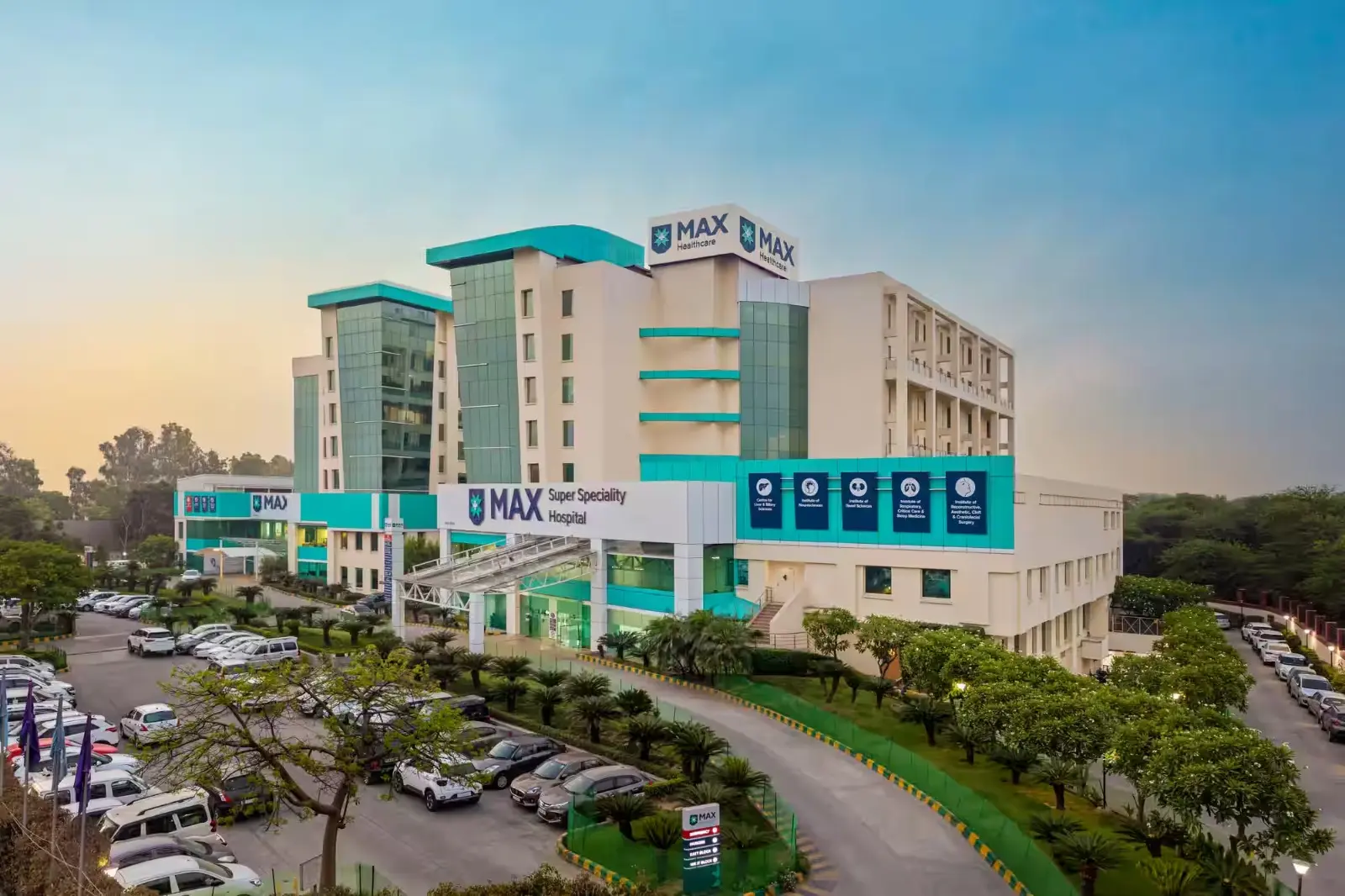
- 4.2
- 8k Reviews
- (Google)
- 539+ Beds
- 38+ Departments
- 541+ Doctors
- 80k+ Intl. Patients

- 4.6
- 12k Reviews
- (Google)
- 330+ Beds
- 30+ Departments
- 250+ Doctors
- 72k+ Intl. Patients
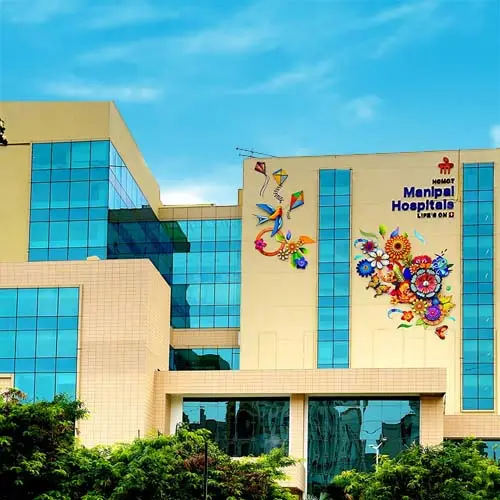
- 4.6
- 17k Reviews
- (Google)
- 380+ Beds
- 30+ Departments
- 90+ Doctors
- 50k+ Intl. Patients
Best Surgeon for Congenital Urinary Tract Abnormalities Treatment in India


Specialized in




5 Steps to Your Treatment with HOSPIDIO
Step 1: Upload Reports (Pre-Consultation)
Step 2: Get a Plan (Treatment Selection)
Step 3: Travel to India (Visa & Travel Support)
Step 4: Successful Surgery (In-Patient Care)
Step 5: Recover & Fly Home (Post-Op Support)
Frequently Asked Questions
Most patients receive a detailed treatment plan and cost estimate within 24–48 hours of submitting their reports.
Our network of JCI-accredited hospitals maintains a clinical success rate of 98% to 99%, matching global benchmarks.
Congenital Urinary Tract Abnormalities treatment range from $2500 to $10000 USD with no hidden charges.
Most e-Medical visas are processed in 3 to 5 business days. For urgent surgeries, we can provide the required hospital visa invitation letter in one day.
Yes, Up to two attendants can apply for a Medical Attendant visa which is linked to your primary medical visa.
We assist with Visa Extensions (FRRO) while you are at the hospital, ensuring you can stay legally until you are fit to fly home.
We specialize in Pyeloplasty (Open / Laparoscopic / Robotic), Ureteric Reimplantation, Ureterocele Excision / Puncture and Bladder Reconstruction / Augmentation along with other procedures.