
Carotid Endarterectomy cost in India
The cost of Carotid Endarterectomy (CEA) surgery in India ranges from $2,600 to $5,000 which is equivalent to 2,35,000 to 4,50,000 Indian Rupees. For patients who require advanced imaging, complex plaque removal, or specialized monitoring during surgery, the cost may rise, depending on the severity of carotid artery stenosis, the patient’s overall health condition, surgeon expertise, and the choice of hospital. Even with these variations, the total expense remains significantly lower than what patients would pay in the US, UK, or other Western countries, making India a preferred destination for affordable, safe, and high-quality vascular surgery.
Estimated Cost of Carotid Endarterectomy
What is Carotid Endarterectomy?
Carotid Endarterectomy (CEA) is a surgical procedure performed to remove plaque buildup from the carotid artery, the major blood vessel in the neck that supplies blood to the brain. When plaque (fatty deposits) accumulates inside this artery, it narrows the vessel (a condition known as carotid artery stenosis) and increases the risk of stroke.
During the procedure, the surgeon makes a small incision in the neck, opens the affected artery, and carefully removes the plaque to restore smooth and uninterrupted blood flow to the brain. The artery is then closed using sutures or a patch, ensuring it remains open and stable.
Carotid Endarterectomy is considered one of the most effective surgeries for stroke prevention, especially in patients with moderate to severe artery narrowing or those who have experienced symptoms such as mini-strokes (TIA).
In simple words: Carotid Endarterectomy is a surgery that cleans the blocked neck artery to improve blood flow to the brain and prevent future strokes.
We Handle the Planning
You Focus on Recovery
From Medical Visa assistance to airport pick-up and local stay, HOSPIDIO manages your entire medical trip.
Tell Us About Your Need
Free case review. Confidential. No obligation.Who Needs Carotid Endarterectomy?
Carotid Endarterectomy (CEA) is recommended for patients who have significant narrowing of the carotid artery, especially when the blockage puts them at high risk of a stroke. The procedure helps restore proper blood flow to the brain by removing plaque buildup from the artery.
Carotid Endarterectomy is recommended for individuals who have significant narrowing of the carotid artery, especially when this blockage increases the risk of a stroke. Patients who have experienced symptoms such as a transient ischemic attack (TIA), mini-stroke, sudden weakness, difficulty speaking, or temporary vision loss are strong candidates if imaging shows 50–99% artery narrowing. Even people without symptoms may require this surgery when the carotid artery is severely blocked (70–99%), or when tests reveal unstable plaque that could break off and travel to the brain. Carotid Endarterectomy is also advised for patients whose narrowing continues to worsen despite being on medications like blood thinners, cholesterol-lowering drugs, or blood pressure control therapy. Those with high-risk factors—such as diabetes, hypertension, high cholesterol, or a history of smoking—may benefit from surgery if their artery shows critical stenosis. However, the procedure is not recommended for patients with complete artery occlusion, severe medical conditions that make anesthesia dangerous, or limited life expectancy.
Types of Carotid Endarterectomy (CEA)
Type of Carotid Endarterectomy | Description |
Conventional Carotid Endarterectomy | The surgeon makes an incision in the neck, opens the carotid artery, removes the plaque, and then closes the artery with sutures. This is the most common method. |
Eversion Carotid Endarterectomy | The carotid artery is cut at its origin, turned inside out (“everted”) to remove the plaque, and then reattached. It may reduce the chances of the narrowing coming back. |
Carotid Endarterectomy with Patch Angioplasty | After removing plaque, a patch (vein or synthetic) is sewn onto the artery to widen it and improve long-term blood flow. This helps prevent re-narrowing. |
Redo / Revision Carotid Endarterectomy | Performed when a previous carotid surgery develops restenosis (narrowing again). It is more complex and requires advanced surgical skill. |
Hybrid Procedure (CEA + Stenting) | A combination of open surgery and endovascular stenting, used for complex blockages or patients with multi-level arterial disease. |
We Handle the Planning
You Focus on Recovery
From Medical Visa assistance to airport pick-up and local stay, HOSPIDIO manages your entire medical trip.
Tell Us About Your Need
Free case review. Confidential. No obligation.Factors Affecting the Cost of Endarterectomy in India
Type of Surgical Technique Used Conventional -CEA vs. advanced techniques (patch angioplasty, eversion endarterectomy) may vary in cost.
Surgeon’s Expertise Experienced- Vascular or neurosurgeons with advanced training may have higher professional fees.
Duration of ICU & Hospital Stay- Complicated cases may require longer monitoring, increasing room, nursing, and ICU charges.
Preoperative Diagnostic Tests- Tests like Doppler ultrasound, CT angiography, MR angiography, ECG, and blood work add to the overall cost.
Hospital Category & Location- Specialized facilities and urban hospitals could have more expensive rates.
Diagnostic Tests Before Endarterectomy
Diagnostic Test | Purpose |
Carotid Doppler Ultrasound | First-line test to check how much the carotid artery is blocked and how blood is flowing. |
CT Angiography (CTA) | Creates detailed 3D images of the carotid arteries to locate plaque and assess severity of narrowing. |
MR Angiography (MRA) | A radiation-free imaging technique that shows blood vessels and helps evaluate blockage or stenosis. |
ECG (Electrocardiogram) | Checks the heart’s rhythm and identifies any cardiac risks before surgery. |
Echocardiogram (2D Echo) | Evaluates heart pumping function and ensures the heart is strong enough for surgery. |
Complete Blood Count (CBC) | Assesses hemoglobin, infection risk, and overall health status. |
Coagulation Profile (PT/INR, APTT) | Ensures blood clots normally and checks for bleeding risks during surgery. |
Kidney & Liver Function Tests | Confirms organs are functioning safely to handle anesthesia and postoperative medications. |
Chest X-ray | Provides an overview of lung health before general anesthesia. |
Pre-Anesthesia Evaluation (PAE) | Final medical clearance ensuring the patient is fit for surgery and anesthesia. |
Average Total Diagnostic Cost: $250 – $400 USD
Why India is Preferred for Carotid Endarterectomy
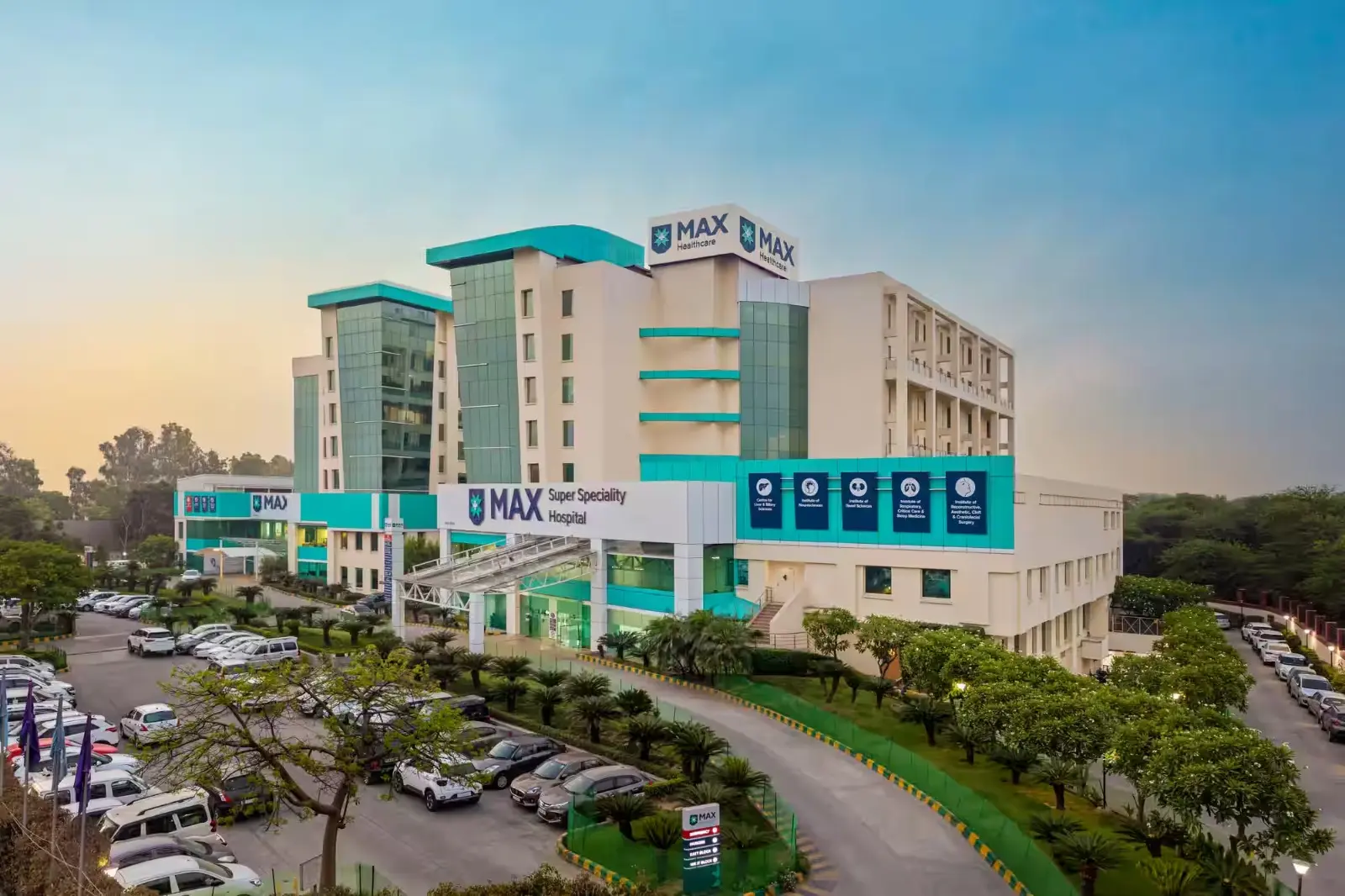
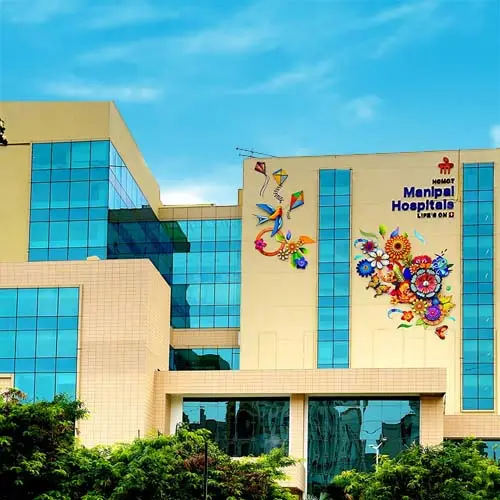
India is increasingly becoming a preferred destination for Carotid Endarterectomy (CEA) because of its combination of high surgical expertise, advanced hospital infrastructure, and cost-effective medical care. Leading vascular surgeons and neurosurgeons in India are highly experienced in managing complex carotid artery blockages and use globally accepted techniques such as conventional endarterectomy, eversion endarterectomy, and patch angioplasty. Hospitals like Apollo, Fortis, Medanta, Max, Yashoda, Manipal, and Narayana Health offer state-of-the-art operating rooms, neuro-monitoring systems, stroke units, and modern imaging technologies that ensure safe plaque removal and improved blood flow to the brain.
India provides high-quality care at a fraction of Western costs, making treatment accessible for both domestic and international patients. The country also offers shorter waiting times, personalized care coordination, and support services such as medical visa assistance, airport transfers, translators, and dedicated case managers through organizations like HOSPIDIO. With excellent clinical outcomes, experienced specialists, and affordable pricing, India stands out as one of the most reliable and trusted destinations for Carotid Endarterectomy.
Best Carotid Artery Surgery Hospitals in India



- 4.7
- 9k Reviews
- (Google)
- 1k+ Beds
- 40+ Departments
- 300+ Doctors
- 55k+ Intl. Patients

- 4.7
- 10k Reviews
- (Google)
- 250+ Beds
- 30+ Departments
- 100+ Doctors
- 40k+ Intl. Patients

- 4.2
- 7k Reviews
- (Google)
- 400+ Beds
- 30+ Departments
- 78+ Doctors
- 500k+ Intl. Patients
- 4.2
- 8k Reviews
- (Google)
- 539+ Beds
- 38+ Departments
- 541+ Doctors
- 80k+ Intl. Patients
- 4.6
- 17k Reviews
- (Google)
- 380+ Beds
- 30+ Departments
- 90+ Doctors
- 50k+ Intl. Patients
BestCardio-Vascular Surgeon in India





Why International Patients Trust HOSPIDIO as Their Travel Partner
- Multilingual Support: Language shouldn't be a barrier, we provide expert interpreters.
- Travel & Accommodation: We book stay options near the hospital for you and your attendant.
- Airport-to-Hospital Transfers: Private pick-up and drop-off included.
- Global Continuity: Coordination with your local doctor if required after you return home.
Frequently Asked Questions
You may need the surgery if:
- You’ve had a TIA (mini-stroke) or stroke symptoms
- Your carotid artery is 50–99% blocked
- Imaging tests show high-risk plaque or worsening blockage
Yes. Carotid Endarterectomy is considered a safe and effective stroke-prevention surgery when performed by an experienced vascular surgeon.
- Stop smoking
- Take prescribed blood thinners
- Control cholesterol, diabetes, and blood pressure
- Follow a heart-healthy diet These steps help prevent future blockages.
Restenosis (re-narrowing) can happen but is uncommon, especially with patch angioplasty and proper lifestyle changes.
Seek immediate help if you experience:
- Sudden weakness
- Slurred speech
- Severe headache
- Chest pain
- Difficulty breathing
Medication can slow plaque growth and reduce stroke risk, but cannot remove existing plaque. Surgery is recommended when blockage is moderate to severe or when symptoms occur.
Carotid Endarterectomy is typically suitable for adults of any age, but elderly patients benefit significantly when symptoms or high-risk plaque are present.
Avoid heavy lifting, smoking, alcohol (initially), and strenuous activities until cleared by your surgeon.
Yes. A redo endarterectomy or stenting can be done if restenosis occurs, though this is rare.
Carotid Endarterectomy has a high success rate, reducing stroke risk by up to 70–80% in patients with severe stenosis.
Yes, once your medical reports are reviewed, we provide a confirmed surgery date typically within one week.
Yes, our surgeons use the same FDA-approved technology and protocols, ensuring world-class outcomes with a 98%+ success rate.
Average cost for Carotid Endarterectomy surgery in India is $2600 to $5000 USD
We offer Conventional Carotid Endarterectomy, Eversion Carotid Endarterectomy, Carotid Endarterectomy with Patch Angioplasty and Redo / Revision Carotid Endarterectomy.
Most e-Medical visas are issued within 48 to 72 hours; we provide the required hospital visa invitation letter instantly to prevent any delays.
Yes, we assist in securing Medical Attendant Visas for up to two companions simultaneously so your support system arrives with you.
Our team handles all local visa extension paperwork at the hospital, ensuring your stay is legally extended until you are medically cleared to fly.
This content follows HOSPIDIO's Content Editorial Policy and has been reviewed by: