
Cardiac Ablation cost in Turkey
Cardiac Ablation (RFA) cost in Turkey ranges from $5,000 to $8,000 US dollars. The patient's diagnosis, the severity of theheart rhythm disorder, the length of the surgery, and the kind of EP study needed can all affect the ultimate cost. Despite these differences, Turkey offers world-class competence and cutting-edge cardiac care at a significantly lower cost than many Western nations.
Estimated Cost of Cardiac Ablation
What is Cardiac ablation ?
Cardiac ablation is a minimally invasive heart procedure used to treat abnormal heart rhythms (arrhythmias). It works by targeting and destroying tiny areas of heart tissue that generate faulty electrical signals causing irregular heartbeats.
Electrophysiology Study (EPS)
An Electrophysiology Study (EPS) is a specialized cardiac test used to evaluate the heart’s electrical system. It helps doctors identify the source of abnormal heart rhythms (arrhythmias).
During EPS:
Thin catheters are inserted through blood vessels and guided to the heart
Electrical signals are recorded and analyzed
Abnormal rhythm pathways are precisely located
EPS is primarily a diagnostic procedure.
Radiofrequency Ablation (RFA)
Radiofrequency Ablation (RFA) is a treatment procedure often performed immediately after EPS when an abnormal electrical pathway is detected.
During RFA:
Controlled radiofrequency energy is delivered via catheter
Small areas of problematic heart tissue are destroyed
Normal heart rhythm is restored
RFA is a therapeutic procedure.
Patients commonly considered for cardiac ablation in Turkey include:
Atrial Fibrillation (AFib): Individuals with irregular, often rapid heartbeats that increase stroke risk or cause discomfort.
Atrial Flutter: Patients with fast but organized electrical activity in the atria leading to rapid heart rate.
Supraventricular Tachycardia (SVT): Those experiencing episodes of abnormally fast heart rhythm originating above the ventricles.
Ventricular Tachycardia (VT): A potentially serious rapid rhythm arising from the ventricles requiring timely treatment.
Medication-Resistant Arrhythmias: Patients whose heart rhythm problems remain uncontrolled despite anti-arrhythmic drugs.
Frequent Palpitations or Symptoms: Individuals with dizziness, breathlessness, fatigue, or fainting due to rhythm disturbances.
Recurrent Arrhythmia Episodes: Patients with repeated rhythm abnormalities affecting daily activities or quality of life.
Types of Cardiac Ablation in Turkey
Type of Ablation | Technique Used | Commonly Used For |
Radiofrequency Ablation (RFA) | Heat energy delivered through a catheter | Atrial fibrillation, atrial flutter, SVT |
Cryoablation | Extreme cold used to destroy abnormal tissue | Atrial fibrillation, certain tachycardias |
Laser Ablation | Laser energy applied to targeted heart tissue | Selected arrhythmia cases |
Microwave Ablation | Microwave energy to eliminate faulty pathways | Less commonly used arrhythmias |
3D Mapping-Guided Ablation | Advanced imaging with precise catheter navigation | Complex arrhythmias |
Pulmonary Vein Isolation (PVI) | Isolation of abnormal signals from pulmonary veins | Atrial fibrillation |
We Handle the Planning
You Focus on Recovery
From Medical Visa assistance to airport pick-up and local stay, HOSPIDIO manages your entire medical trip.
Tell Us About Your Need
Free case review. Confidential. No obligation.Cardiac Ablation cost in Turkey Inclusion and Exclusion
Inclusions | Exclusions |
Cardiologist / Electrophysiologist Fee | Hotel stay, meals & flights |
Operation Theatre Charges | Extended hospital stay |
Anesthesia Charges | Post-procedure medications & follow-ups |
EPS (Electrophysiology Study) | Management of unrelated medical conditions |
Radiofrequency / Cryoablation Procedure | |
Standard Drugs & Consumables | |
Pre-anesthesia Check-up & Clearance | |
Hospital Stay & Meals (as per package) |
Other Factors Affecting Cost
Type of arrhythmia being treated
Choice of hospital, specialist, and city
Technology used (3D mapping, navigation systems)
Procedure complexity and duration
Patient’s overall clinical condition
Additional diagnostic tests when required
Diagnostic Tests Before Cardiac Ablation in Turkey
- Blood Tests
- Electrocardiogram (ECG or EKG)
- Holter Monitor
- Echocardiogram
- Electrophysiology Study (EPS)
- Stress Test
The cost of diagnostic tests for Cardiac Ablation in Turkey : $1000-$1500 US dollars
Symptoms That May Indicate the Need for Cardiac Ablation
Patients with abnormal heart rhythms (arrhythmias) often experience symptoms that can vary in intensity and frequency. Common warning signs include:
Heart Palpitations: Sensation of racing, fluttering, or irregular heartbeats
Rapid Heart Rate (Tachycardia): Noticeably fast heartbeat even at rest
Dizziness or Lightheadedness: Feeling faint or unsteady
Shortness of Breath: Difficulty breathing during mild activity or rest
Chest Discomfort: Pressure, tightness, or mild pain
Fatigue: Unusual tiredness or reduced stamina
Syncope (Fainting): Sudden loss of consciousness
Weakness: Reduced physical strength or energy
Best Hospitals for Cardiac Ablation in Turkey


- 4.3
- 2k Reviews
- (Google)
- 153+ Beds
- 50+ Departments
- 100+ Doctors
- 120k+ Intl. Patients

- 2.6
- 2k Reviews
- (Google)
- 220+ Beds
- 45+ Departments
- 200+ Doctors
- 90k+ Intl. Patients

- 4.7
- 5k Reviews
- (Google)
- 280+ Beds
- 45+ Departments
- 200+ Doctors
- 120k+ Intl. Patients

- 4
- 2k Reviews
- (Google)
- 300+ Beds
- 15+ Departments
- 50+ Doctors
- 100k+ Intl. Patients

- 4.5
- 945 Reviews
- (Google)
- 112+ Beds
- 20+ Departments
- 100+ Doctors
- 33k+ Intl. Patients

- 3.9
- 3k Reviews
- (Google)
- 197+ Beds
- 15+ Departments
- 24+ Doctors
- 13k+ Intl. Patients
Best Doctors for Cardiac Ablation in Turkey

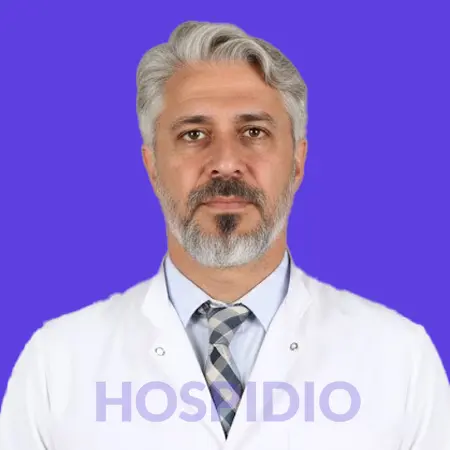
Specialized in



Specialized in

Frequently Asked Questions
Leading hospitals utilize advanced tools such as 3D electroanatomical mapping, radiofrequency energy, and cryoablation techniques for precise treatment.
Light activities are often resumed within a few days, while full recovery timelines depend on individual healing and medical advice.
Many patients experience long-term rhythm improvement after ablation. Success depends on the arrhythmia type, heart condition, and individual response to treatment.
The procedure is performed under anesthesia or sedation. Patients typically experience minimal discomfort, with mild soreness possible after the procedure.
EPS is a diagnostic test that maps the heart’s electrical activity, allowing specialists to precisely identify abnormal pathways before performing ablation.
Some patients may temporarily continue medications during recovery. Long-term medication needs depend on treatment outcomes and physician guidance.
Age alone does not determine eligibility. Overall health status, heart function, and risk assessment guide treatment decisions.
Many patients observe symptom improvement within weeks. Temporary rhythm irregularities may occur during the healing phase.
Risks of Cardiac Ablation
Minor bleeding or bruising at the catheter insertion site
Temporary discomfort or soreness after the procedure
Mild allergic reaction to medications or contrast dye
Short-term heart rhythm disturbances during healing
Small risk of blood vessel injury
Possible Complications of Cardiac Ablation
Infection at the catheter entry point
Damage to heart tissue or surrounding structures
Blood clots that may lead to stroke (rare)
Fluid accumulation around the heart (cardiac tamponade – uncommon)
Need for repeat ablation in certain cases
Very rare risk of serious cardiac events