
Cardiac Ablation cost in India
The cardiac ablation cost in India is in the range of from $2,500 to $7,500 USD which is equivalent to 2,00,000 to 7,00,000 Indian Rupees. This depends on factors like the type of arrhythmia, whether advanced 3D mapping is used, hospital choice, city, and complexity of the procedure.
Estimated Cost of Cardiac Ablation
What is Cardiac (heart) Ablation ?
Cardiac ablation is a minimally invasive procedure used to treat abnormal heart rhythms (arrhythmias) by destroying or isolating the small areas of heart tissue that cause irregular electrical signals. During the procedure, thin catheters are guided through blood vessels (usually from the groin) to the heart. Using heat (radiofrequency ablation) or extreme cold (cryoablation), the doctor creates tiny scars in the targeted heart tissue. These scars block faulty electrical pathways, allowing the heart to return to a normal rhythm. Cardiac ablation is commonly recommended for conditions such as atrial fibrillation (AFib), supraventricular tachycardia (SVT), atrial flutter, and certain ventricular arrhythmias. It helps reduce symptoms like palpitations, dizziness, shortness of breath, and may decrease long-term dependence on heart rhythm medications.
We Handle the Planning
You Focus on Recovery
From Medical Visa assistance to airport pick-up and local stay, HOSPIDIO manages your entire medical trip.
Tell Us About Your Need
Free case review. Confidential. No obligation.Who Is a Candidate for Cardiac Ablation?
Patients with recurrent abnormal heart rhythms (arrhythmias) such as atrial fibrillation, SVT, or atrial flutter
Individuals whose symptoms persist despite medication or who cannot tolerate anti-arrhythmic drugs
Patients experiencing palpitations, dizziness, fainting, or shortness of breath due to arrhythmia
People with frequent or rapid heartbeats affecting daily activities or quality of life
Patients with certain ventricular arrhythmias that increase the risk of complications
Individuals seeking a long-term solution to reduce or stop dependence on rhythm-control medications
Patients evaluated and approved by an electrophysiologist based on heart rhythm studies
Types of Cardiac (Heart) Ablation & Cost in India (USD)
Type of Ablation | Description |
Cardiac Radiofrequency (RF) Ablation | Uses heat energy to destroy abnormal heart rhythm tissue; common for SVT and some AFib |
Cryoablation | Uses freezing energy to eliminate problematic electrical pathways, often used in atrial fibrillation |
3D Mapping–Guided Ablation | Advanced ablation with detailed electrical mapping for complex arrhythmias |
Complex Ablation Procedures | For persistent AFib, VT, or re-do procedures requiring additional technology |
The cost of the Heart Ablation treatment Starts from 2500 US dollars
Factors Affecting Cardiac Ablation Cost in India
Type of arrhythmia being treated : Simple SVT costs less than complex AFib or ventricular tachycardia ablation.
Ablation technology used : Advanced techniques like 3D mapping or cryoablation add to the cost.
Number of sites requiring ablation : More areas treated means longer procedure time and higher cost.
Hospital type and city :Premium hospitals and metro cities tend to have higher charges.
Electrophysiologist’s experience : Highly experienced specialists may have higher procedure fees.
Length of hospital stay : Longer observation or overnight stay increases total charges.
Pre-procedure diagnostics : Tests like prolonged monitoring or advanced imaging add to upfront cost.
Post-procedure care and follow-up : Extended monitoring, repeat ECGs, or adjustments can affect the total bill.
Symptoms Prompting Cardiac Ablation
Repeated episodes of rapid or irregular heartbeat
Sensation of fluttering, pounding, or racing heart
Dizziness or frequent light-headedness
Shortness of breath, even with mild activity
Chest discomfort or tightness during palpitations
Persistent fatigue or low energy levels
Reduced ability to perform daily activities
Fainting (syncope) or near-fainting episodes
Sudden weakness without clear reason
Sweating or anxiety-like feelings during arrhythmia episodes
Poor response to medications controlling heart rhythm
Side effects from anti-arrhythmic drugs
Recurrent hospital visits due to rhythm disturbances
Increased risk of stroke or heart failure linked to arrhythmia
Diagnostic Tests for Cardiac Ablation & Cost in India (USD)
Diagnostic Test | Purpose |
Electrocardiogram (ECG) | Records heart’s electrical activity to detect arrhythmias |
Holter Monitor (24-48 hrs) | Continuous rhythm monitoring to catch intermittent arrhythmias |
Echocardiography (2D Echo) | Ultrasound to assess heart structure and function before ablation |
Electrophysiology (EP) Study | Detailed electrical mapping to pinpoint arrhythmia source |
Stress Test / Treadmill Test | Assesses rhythm changes under exercise stress |
Blood Tests | Checks overall fitness, electrolytes, kidney/liver before procedure |
Cardiac CT / MRI (if needed) | Advanced imaging to evaluate heart structures before complex ablations |
Consultation with Electrophysiologist | Specialist evaluation to plan ablation |
The cost of Diagnostic Tests for Cardiac (Heart) Ablation- $800-$1500
Why India Is Preferred for Cardiac Ablation
Expert doctors with international training
Advanced cath labs and latest ablation technology
Low cost (up to 70–80% cheaper than Western countries)
No long waiting time for procedures
Globally accredited hospitals (JCI, NABH)
Comprehensive care packages for patients
Strong post-procedure care & follow-up
English-speaking medical teams
Medical tourism support for international patients
Best Hospitals for Cardiac Ablation Treatment in India
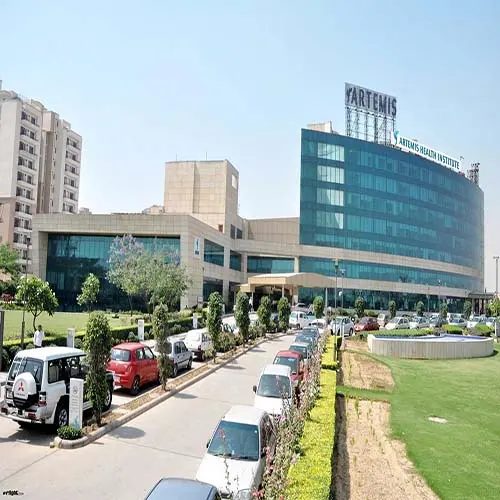
- 4.1
- 5k Reviews
- (Google)
- 750+ Beds
- 40+ Departments
- 400+ Doctors
- 35k+ Intl. Patients


- 4.2
- 2k Reviews
- (Google)
- 2k+ Beds
- 81+ Departments
- 800+ Doctors
- 1k+ Intl. Patients
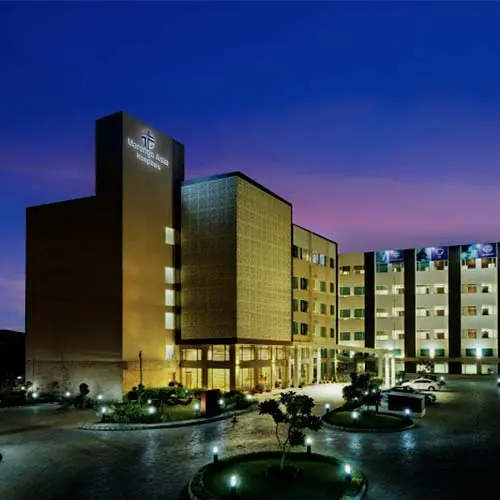
- 4.5
- 4k Reviews
- (Google)
- 250+ Beds
- 50+ Departments
- 80+ Doctors
- 20k+ Intl. Patients
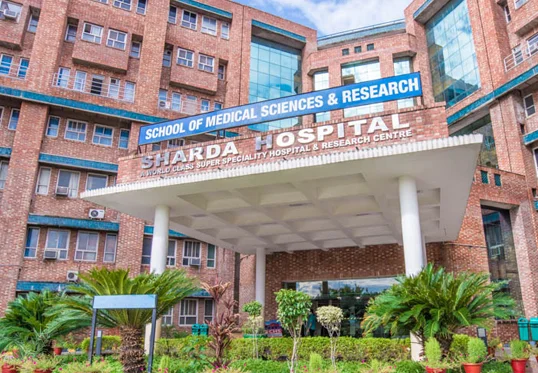
- 4.1
- 2k Reviews
- (Google)
- 1k+ Beds
- 20+ Departments
- 400+ Doctors
- 100k+ Intl. Patients
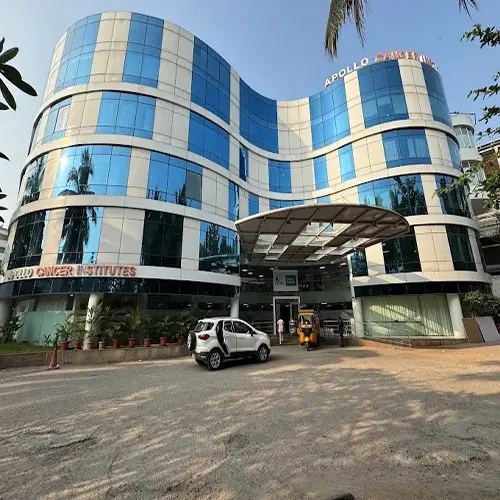
- 4.8
- 35k Reviews
- (Google)
- 550+ Beds
- 50+ Departments
- 200+ Doctors
- 9k+ Intl. Patients
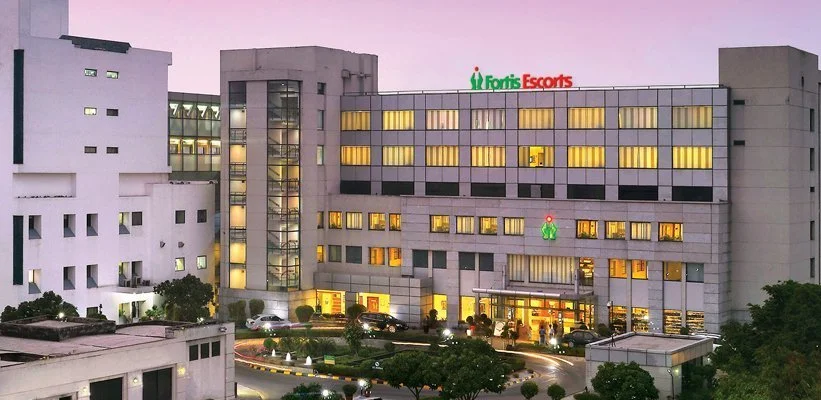
- 4.7
- 11k Reviews
- (Google)
- 310+ Beds
- 4+ Departments
- 200+ Doctors
- 70k+ Intl. Patients
Best Doctor for Cardiac Ablation Treatment in India





How HOSPIDIO Works for You?
- Pre-Treatment Consultation: Video/Audio call with your surgeon.
- All Open Pricing: No hidden charges; what we quote is what you pay.
- Visa & Paperwork: Fast-track medical visa documentation assistance.
- Hospital Admission: Skip the queues with pre-booked surgery slots.
- Return Home Care: Tele-medicine follow-ups for 6 months post-op.
Frequently Asked Questions
Usually 1–3 hours, depending on the type and complexity of the arrhythmia.
Many patients notice improvement within days to weeks as the heart rhythm stabilizes.
Some patients need medicines for a short period; others may stop rhythm drugs as advised by the doctor.
Recurrence is possible, but many patients achieve long-term rhythm control. A repeat ablation may be considered if needed.
Light activities in 2–3 days; normal routine usually within 1–2 weeks, as advised.
For many patients, ablation offers better symptom control and reduces long-term medication dependence.
No visible scars. Only a small puncture mark at the catheter entry site (groin or wrist).
Success rates vary by arrhythmia type but are generally high, especially for SVT and atrial flutter.
Most patients arrive within 2 weeks of their first consultation for Cardiac Ablation treatment in India, skipping the years-long queues in their home countries.
Extremely safe, we prioritize hospitals with the lowest infection rates and a 99% successful discharge rate for international patients.
It’s a simple three-step online process with our guidance. We provide official documentation and a step-by-step manual to ensure zero errors.
Any two family members or friends can apply for an attendant visa, allowing them to stay with you at the hospital or in nearby hotels.
For many countries, you can apply for an e-Visa online, meaning no embassy visits or physical interviews are required.