
Brachial Plexus Injury Surgery Treatment cost in India
The Brachial Plexus Injury Surgery Treatment cost ranges from $4,000 USD to $6,500 USD which is equivalent to 3,60,000 to 5,85,000 Indian Rupees depending on injury severity and procedure complexity.
Estimated Cost of Brachial Plexus Injury Surgery Treatment
What is a Brachial Plexus Injury?
A Brachial Plexus Injury occurs when the network of nerves that sends signals from the spinal cord to the shoulder, arm, and hand gets stretched, compressed, or torn. This network is called the brachial plexus, and it controls movement and feeling in the upper limb — from the shoulder down to the fingers.
When these nerves are damaged, communication between the brain and the arm muscles is disrupted, leading to weakness, numbness, or even paralysis of the affected arm.
We Handle the Planning
You Focus on Recovery
From Medical Visa assistance to airport pick-up and local stay, HOSPIDIO manages your entire medical trip.
Tell Us About Your Need
Free case review. Confidential. No obligation.Types of Brachial Plexus Injuries
Depending on the severity and location of the damage, brachial plexus injuries are classified as:
Stretch (Neuropraxia): Mild injury where nerves are stretched but not torn; recovery usually happens within weeks or months.
Rupture: The nerve is torn, but not from the spinal cord — may need surgical repair.
Avulsion: The most severe form where the nerve root is pulled out from the spinal cord — cannot heal naturally and needs nerve transfer surgery.
Compression or Scar Injury: The nerve is squeezed or surrounded by scar tissue, causing pain and weakness.
Symptoms of Brachial Plexus Injury
- Weakness or paralysis in the shoulder, arm, or hand
- Loss of sensation or numbness in the arm or fingers
- Burning, shooting, or electric shock–like pain radiating from the neck to the arm
- Inability to lift, rotate, or bend the arm or wrist
- Tingling or “pins and needles” feeling in the arm or hand
- Reduced grip strength or difficulty holding objects
- Muscle wasting (atrophy) in the affected area over time
- Limited range of motion in the shoulder or elbow
- Drooping shoulder or visible muscle weakness on one side
Causes of Brachial Plexus Injury
Motorbike or car accidents – The most common cause in adults, due to strong impact or stretching of the shoulder and neck.
Sports injuries – Contact sports like football, wrestling, or gymnastics can overstretch or compress the nerves.
Birth-related injury (Erb’s Palsy) – Occurs during difficult childbirth when a baby’s shoulder is stretched.
Falls or trauma – Sudden falls on the shoulder or arm can damage the nerve network.
Tumors or cysts – Growths pressing on the brachial plexus can cause chronic nerve compression.
Inflammation or infection – Viral or autoimmune inflammation (e.g., Parsonage-Turner Syndrome) can irritate and damage the nerves.
- Surgical or anesthesia complications – Rarely, positioning during surgery can stretch or compress nerves.
Types of Brachial Plexus Procedures with Approximate Costs in India
Type of Procedure | Description | Approx. Cost in India (USD) |
Nerve Grafting | Damaged nerve segment is removed and replaced using a healthy nerve piece (often from another part of the body) to bridge the gap. | $4,000 to $6,000 |
Nerve Transfer | A working (less critical) nerve is rerouted to replace a more important, injured nerve to restore function. | $4,000 to $6,000 |
Muscle / Tendon Transfer | Move or reattach muscles or tendons from one part of the body to the affected limb to restore function when nerve repair alone is not sufficient. | $4,500 – $6,500 |
Decompression & Neurolysis | Remove scar tissue or release nerve compression (freeing the nerve) to improve nerve conduction without full reconstruction. | $4,000 – $5000 |
We Handle the Planning
You Focus on Recovery
From Medical Visa assistance to airport pick-up and local stay, HOSPIDIO manages your entire medical trip.
Tell Us About Your Need
Free case review. Confidential. No obligation.Factors Influencing the Cost of Brachial Plexus Surgery in India
Type and Severity of Injury:
Costs depend on whether the nerve injury is partial or complete.
Complex cases involving multiple nerves or root avulsions are more expensive.
Type of Surgical Procedure:
Different procedures such as nerve grafting, nerve transfer, or muscle transfer vary in cost and complexity.
Hospital and City:
Hospitals in metro cities like Delhi, Mumbai, Chennai, and Hyderabad may have slightly higher costs due to advanced facilities.
Surgeon’s Expertise:
Experienced microsurgeons and neurosurgeons specializing in brachial plexus reconstruction may charge higher fees.
Duration of Hospital Stay:
Longer ICU or hospital stays add to the total cost.
Type of Hospital Room:
Costs differ for general, semi-private, private, or deluxe rooms.
Rehabilitation and Physiotherapy:
Post-surgery physiotherapy and nerve re-education sessions are critical for recovery and add to the total expense.
Patient’s Overall Health:
- Patients with other conditions (like diabetes or cardiac issues) may need extra pre- and post-surgery care, adding to cost.
Diagnostic Tests Before Brachial Plexus Surgery in India
Diagnostic Test | Description | Approx. Cost in India (USD) |
MRI of Brachial Plexus / MRI Cervical Spine + Brachial Plexus | Detailed imaging to see nerve roots, soft tissues, and detect the exact site and extent of injury. | $35 to $80 |
Nerve Conduction Study / Electromyography (NCS/EMG) | Measures electrical signals along nerves and in muscles to evaluate nerve damage and muscle response. | $25 to $70 |
CT / CT Myelography | Cross-sectional imaging (with contrast) to view bony structures, nerve root exit zones, and compression areas. | $50 to $150 |
Ultrasound (High-Resolution Neuro-Ultrasound) | Non-invasive scan using sound waves to image superficial nerves and soft tissues around shoulder/neck. | $15 to $40 |
Blood Tests (CBC, Biochemistry, Inflammatory Markers) | To assess health status and rule out systemic causes (e.g. infection, inflammation) before surgery. | $20 to $50 |
X-ray (Cervical Spine, Shoulder, Chest) | Evaluates alignment, fractures, bone changes or associated spine/shoulder bony issues. | $10 to $30 |
Somatosensory Evoked Potentials (SSEPs) / Motor Evoked Potentials (MEPs) | Tests nerve signal pathways by stimulating peripheral nerves and recording responses in the brain or spinal cord. | $50 to $120 |
Why India is Preferred for Brachial Plexus Injury Treatment?
India is home to highly skilled neurosurgeons and orthopedic microsurgeons, many of whom are internationally trained and experienced in complex nerve reconstruction procedures such as nerve grafting, nerve transfer, and muscle transfer. Leading hospitals like Apollo, Fortis, Medanta, Max, Narayana Health, are equipped with state-of-the-art operating microscopes, nerve monitoring systems, and advanced imaging technologies that ensure precision and safety during surgery.
Another major reason patients prefer India is the availability of comprehensive, all-inclusive packages that cover diagnostics, surgery, hospital stay, anesthesia, medications, and post-surgery physiotherapy—making the entire treatment process transparent and cost-effective. The country also offers minimal waiting times, allowing patients to receive timely treatment, which is crucial for nerve healing and recovery.
International patients receive exceptional care and convenience through medical tourism facilitators like HOSPIDIO, which provide end-to-end support including visa assistance, airport transfers, affordable accommodation near hospitals, translators, and 24×7 patient coordination. With high success rates, personalized care, and affordable pricing, India stands out as a global leader in advanced brachial plexus treatment, giving patients renewed hope, improved function, and a better quality of life.
Best Brachial Plexus Injury Treatment Hospitals in India
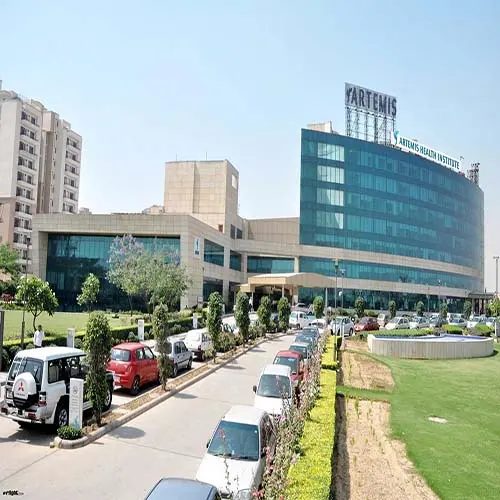
- 4.1
- 5k Reviews
- (Google)
- 750+ Beds
- 40+ Departments
- 400+ Doctors
- 35k+ Intl. Patients
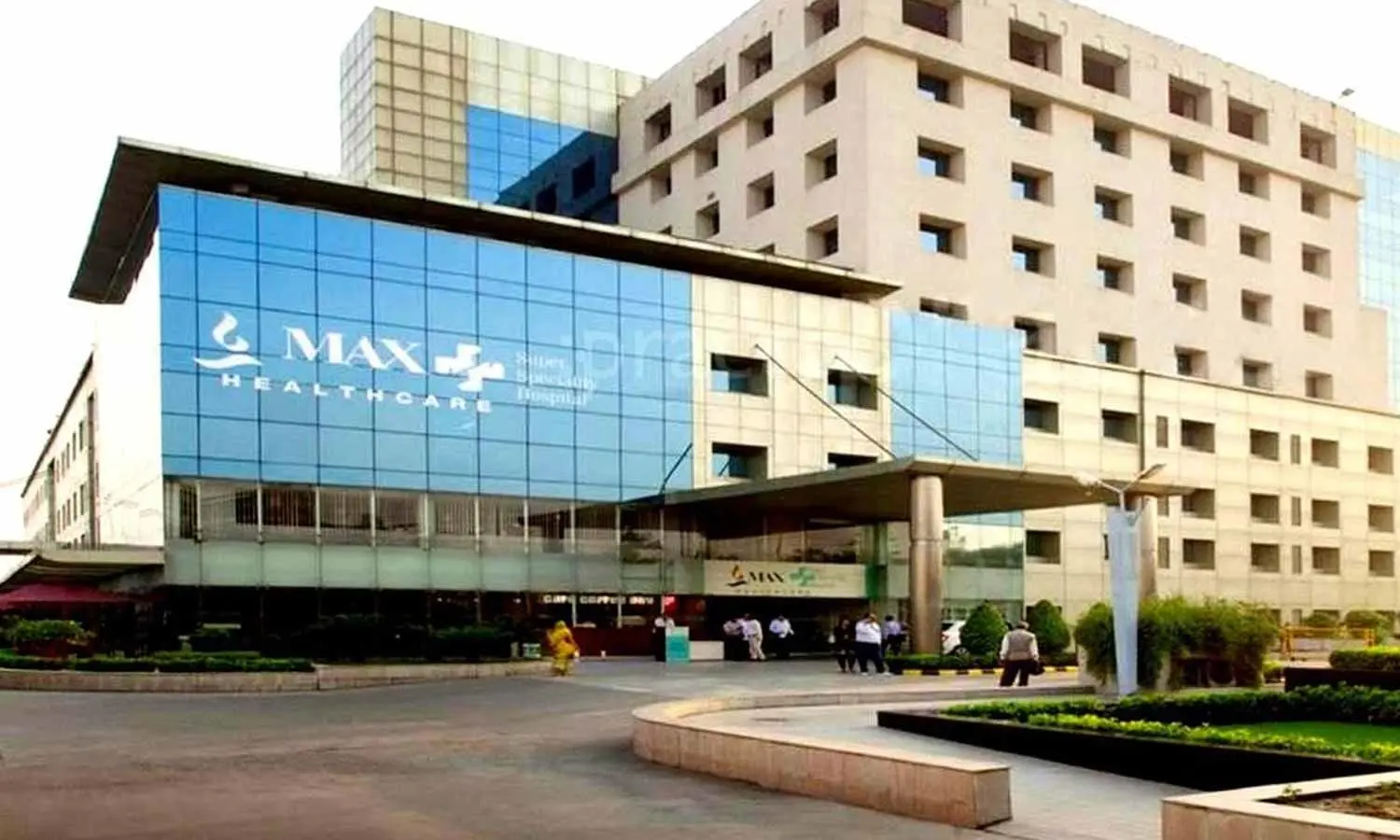


- 4.6
- 15k Reviews
- (Google)
- 370+ Beds
- 35+ Departments
- 259+ Doctors
- 33k+ Intl. Patients
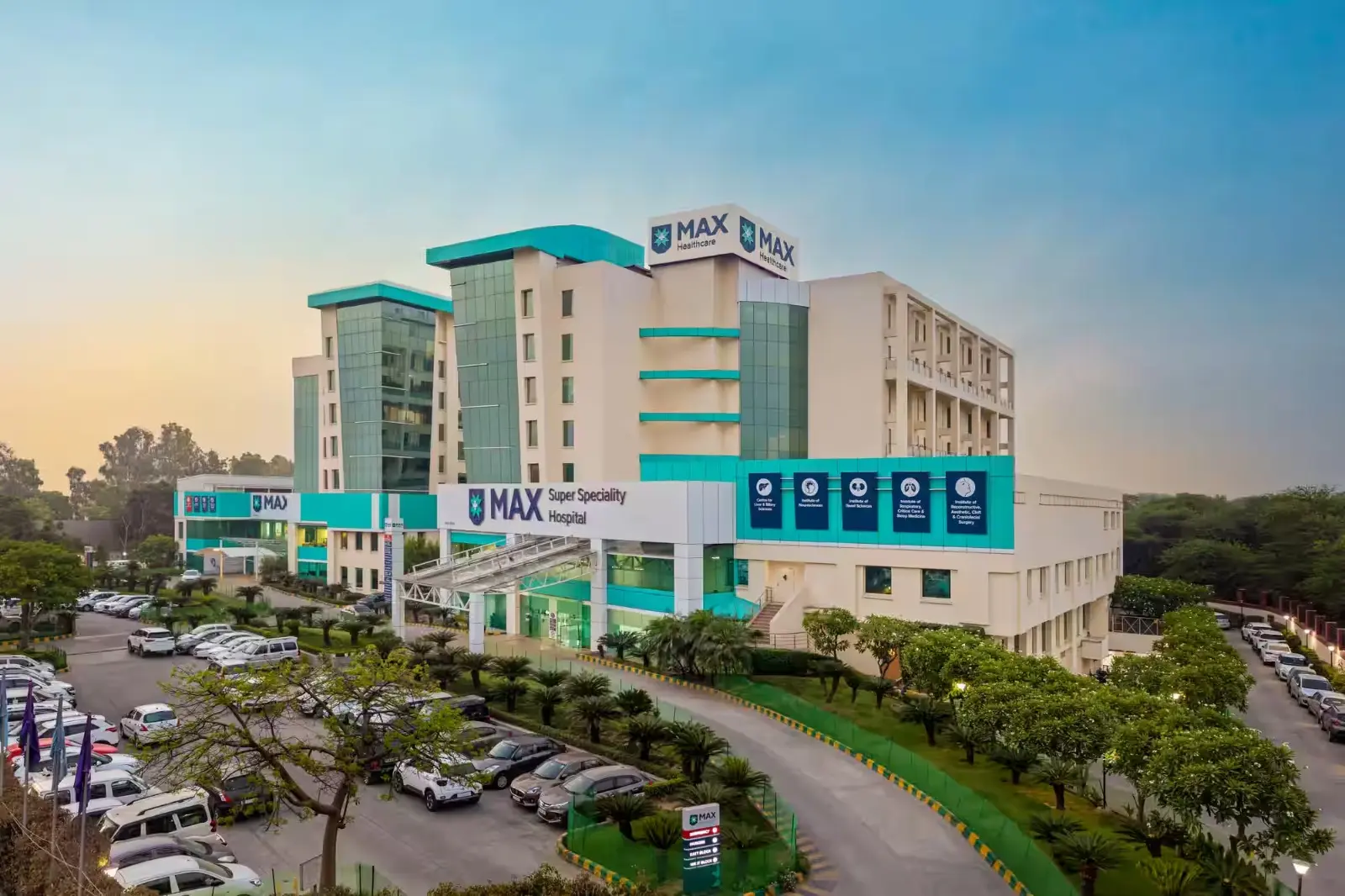
- 4.2
- 8k Reviews
- (Google)
- 539+ Beds
- 38+ Departments
- 541+ Doctors
- 80k+ Intl. Patients
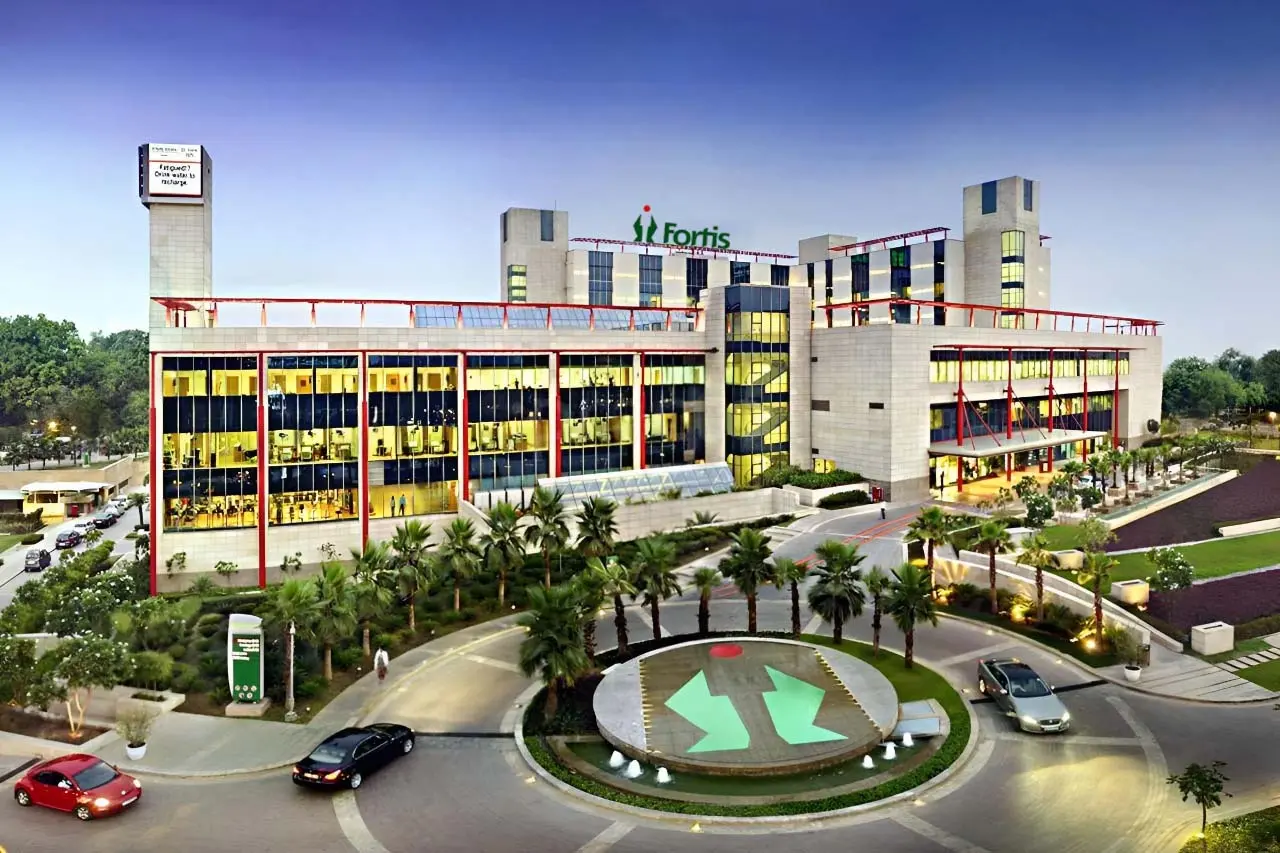
- 4.6
- 12k Reviews
- (Google)
- 330+ Beds
- 30+ Departments
- 250+ Doctors
- 72k+ Intl. Patients
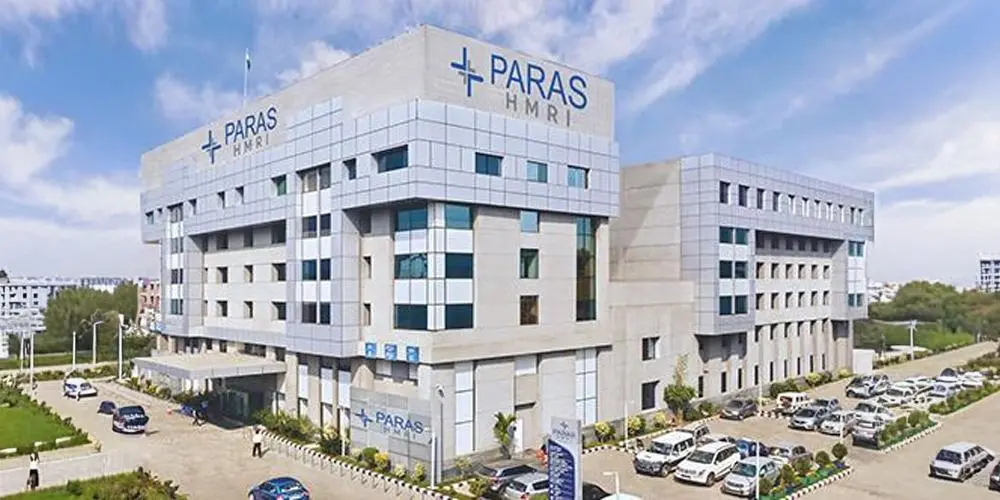
- 4.7
- 15k Reviews
- (Google)
- 250+ Beds
- 30+ Departments
- 100+ Doctors
- 30k+ Intl. Patients
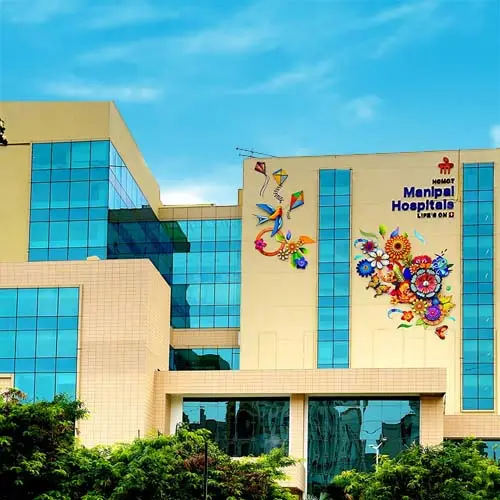
- 4.6
- 17k Reviews
- (Google)
- 380+ Beds
- 30+ Departments
- 90+ Doctors
- 50k+ Intl. Patients
Best Surgeons for Brachial Plexus Injury Treatment in India





5 Steps to Your Treatment with HOSPIDIO
Step 1: Upload Reports (Pre-Consultation)
Step 2: Get a Plan (Treatment Selection
Step 3: Fly to [Country] (Visa & Travel Support)
Step 4: Successful Surgery (In-Patient Care)
Step 5: Recover & Fly Home (Post-Op Support)
FAQs
Success rates vary by severity, but with timely treatment and expert surgeons, 70–90% of patients experience significant improvement in muscle strength, sensation, and arm movement.
Yes. India has specialized pediatric surgeons who successfully treat Erb’s Palsy using nerve grafts or transfers performed within the first 6–12 months of life for best results.
Post-surgery recovery involves regular physiotherapy, nerve stimulation exercises, and muscle retraining. Most patients begin gentle arm movements within weeks, with steady progress over months.
As with any major surgery, risks include infection, bleeding, or incomplete recovery of movement. However, these are rare when performed by experienced microsurgeons using modern techniques
Ideally, surgery should be performed within 3 to 6 months after the injury for the best chance of nerve recovery. In some cases, especially severe injuries, surgery may be planned earlier based on MRI and EMG findings. Delaying beyond one year can reduce the chances of full recovery because muscles start losing their ability to respond to nerve signals.
Yes. Mild stretching or compression injuries (neuropraxia) can heal on their own with rest, physiotherapy, and medications. Full recovery may take weeks to months, and regular nerve tests help monitor progress.
Yes, physiotherapy is crucial for regaining strength, flexibility, and coordination. It helps retrain muscles to work with newly connected nerves. Therapy usually continues for 6–12 months under a trained rehabilitation specialist.
Most patients receive a detailed treatment plan and cost estimate within 24–48 hours of submitting their reports.
Brachial Plexus Injury Surgery treatment range from $4000 to $6500 USD with no hidden charges.
Most e-Medical visas are issued within 48 to 72 hours, We provide the required hospital visa invitation letter instantly to prevent any delays.
Yes, we assist in securing Medical Attendant Visas for up to two companions simultaneously so your support system arrives with you.
Our team handles all local visa extension paperwork at the hospital, ensuring your stay is legally extended until you are medically cleared to fly.