
Atherectomy Surgery cost in India
Atherectomy Surgery cost in India Atherectomy surgery in India ranges from $3,500 to $8,000 which is equivalent to 3,00,000 to 7,20,000 Indian Rupees for most peripheral and coronary atherectomy procedures. The cost depends on factors such as the type of atherectomy performed (directional, rotational, laser, or orbital), complexity of the blockage, the artery involved (coronary vs peripheral), and the hospital chosen. India offers high-quality cardiac and vascular care at significantly lower costs compared to many Western countries, while providing experienced interventional cardiologists and advanced catheterization labs.
The final cost may vary based on pre-operative diagnostics, type of atherectomy device used, length of hospital stay, and post-operative follow-up requirements.
Estimated Cost of Atherectomy Surgery
What is Atherectomy Surgery?
Atherectomy surgery is a minimally invasive, catheter-based procedure used to remove plaque buildup (fatty deposits, calcium, or fibrous material) from inside the arteries. This plaque buildup can restrict blood flow and lead to conditions such as coronary artery disease (CAD) or peripheral artery disease (PAD).
During the procedure, a specialized catheter with a cutting blade, rotating tip, laser, or sanding device is guided through a blood vessel to the blocked artery. The device breaks down or removes the plaque, widening the artery and improving blood flow. Atherectomy is often performed along with angioplasty or stent placement to achieve better results, especially in heavily calcified or complex blockages.
Atherectomy surgery is commonly recommended for patients who are not ideal candidates for standard angioplasty alone. It offers benefits such as improved artery opening, reduced need for open surgery, shorter recovery time, and quicker return to daily activities.
We Handle the Planning
You Focus on Recovery
From Medical Visa assistance to airport pick-up and local stay, HOSPIDIO manages your entire medical trip.
Tell Us About Your Need
Free case review. Confidential. No obligation.Who Is a Candidate for Atherectomy Surgery?
Indications for Atherectomy
Patients with significant arterial plaque buildup causing reduced blood flow
Individuals with coronary artery disease (CAD) who have complex or heavily calcified blockages
Patients with peripheral artery disease (PAD) experiencing leg pain, claudication, or non-healing wounds
Cases where standard angioplasty alone is not effective or likely to fail
Patients with recurrent artery narrowing after previous angioplasty or stenting
Individuals with long, hard, or complex arterial blockages
High-risk surgical patients who are not suitable for open bypass surgery
Types of Atherectomy & Cost in India (USD)
Type of Atherectomy | Description |
Directional Atherectomy | Uses a cutting device to shave plaque from artery walls; often used in peripheral arteries |
Rotational Atherectomy (Rotablator) | Uses a high-speed rotating burr to grind away calcified plaque; common in coronary arteries |
Orbital Atherectomy | Utilizes a diamond-coated crown that orbits and sands plaque, useful for heavily calcified vessels |
Laser Atherectomy | Uses laser energy to vaporize plaque, often combined with angioplasty |
Transluminal Atherectomy | General category where plaque is removed by various catheter-based tools |
The cost of the Atherectomy treatment starts from 3500 US dollars
Factors Affecting Atherectomy Surgery Cost in India
Type of atherectomy used – Directional, rotational, orbital, or laser devices have different technology and pricing.
Artery involved – Coronary procedures usually cost more than peripheral (leg) artery atherectomy.
Severity and length of blockage – Long, complex, or heavily calcified lesions increase procedure time and cost.
Need for additional procedures – Combining atherectomy with angioplasty or stent placement raises total cost.
Number of arteries treated – Treating multiple vessels increases device use and procedure duration.
Device brand and consumables – Imported or advanced devices add to the overall expense.
Patient’s overall health and risk profile – High-risk patients may need closer monitoring or ICU care.
Hospital type and city – Costs vary based on hospital infrastructure, expertise, and location.
Length of hospital stay – Extended observation or ICU stay increases hospitalization charges.
Pre- and post-procedure diagnostics – Imaging, blood tests, and follow-up evaluations affect final cost.
Symptoms That May Require Atherectomy Surgery
Atherectomy is recommended when arterial plaque buildup causes significant blood flow restriction and symptoms do not improve with medication alone. Common symptoms include:
Chest pain or pressure (angina) due to coronary artery blockage
Shortness of breath, especially during physical activity
Leg pain or cramping while walking (claudication) in peripheral artery disease
Numbness, weakness, or heaviness in the legs
Coldness or color changes in the legs or feet
Non-healing wounds or ulcers on feet or toes
Reduced exercise tolerance and early fatigue
Rest pain in legs (pain even without walking, in severe PAD cases)
Diagnostic Tests for Atherectomy Surgery & Cost in India (USD)
Diagnostic Test | Purpose | Estimated Cost (USD) |
Electrocardiogram (ECG) | Detects heart rhythm issues and baseline cardiac status | $15 to $30 |
Echocardiography (2D Echo) | Assesses heart function and valve status | $50 to $120 |
Stress Test (TMT / Stress Echo) | Evaluates blood flow during exertion | $60 to $150 |
CT Angiography | Visualizes arterial blockages and plaque severity | $200 to $450 |
Doppler Ultrasound | Assesses blood flow in peripheral arteries | $50 to $120 |
Coronary Angiography | Gold standard to identify coronary artery blockages | $700 to $1,200 |
Blood Tests | Evaluates kidney function, clotting, and infection risk | $40 to $80 |
Ankle-Brachial Index (ABI) | Screens for peripheral artery disease | $20 to $40 |
Why Is India Preferred for Atherectomy Surgery?
Significantly lower treatment costs compared to the US, UK, and Europe, with savings of up to 70–80%
Highly experienced interventional cardiologists and vascular specialists skilled in advanced atherectomy techniques
Access to multiple atherectomy technologies including rotational, orbital, directional, and laser systems
Advanced cardiac catheterization labs with modern imaging and monitoring facilities
Internationally accredited hospitals following global safety and quality standards
High procedural success rates for complex and calcified arterial blockages
Short waiting times for diagnosis and treatment
Comprehensive support for international patients, including visa assistance, accommodation, airport pickup, and post-procedure follow-up care
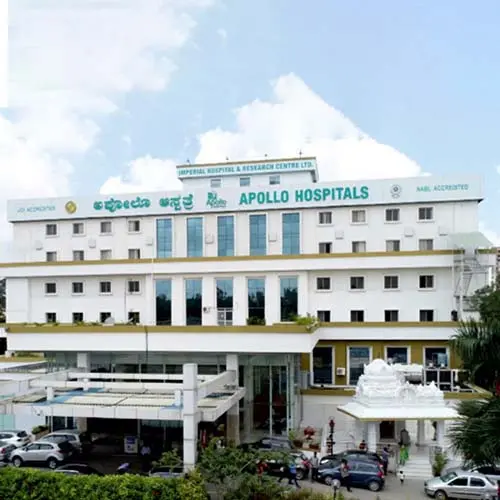
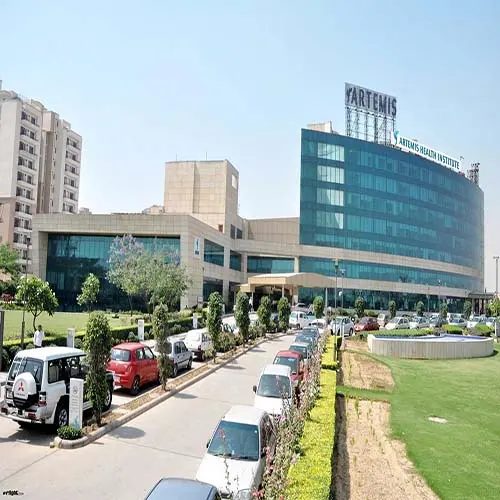
Best Hospitals for Atherectomy Treatment in India
- 4.7
- 23k Reviews
- (Google)
- 250+ Beds
- 25+ Departments
- 90+ Doctors
- 70k+ Intl. Patients
- 4.1
- 5k Reviews
- (Google)
- 750+ Beds
- 40+ Departments
- 400+ Doctors
- 35k+ Intl. Patients

- 4.1
- 2k Reviews
- (Google)
- 1k+ Beds
- 20+ Departments
- 400+ Doctors
- 100k+ Intl. Patients
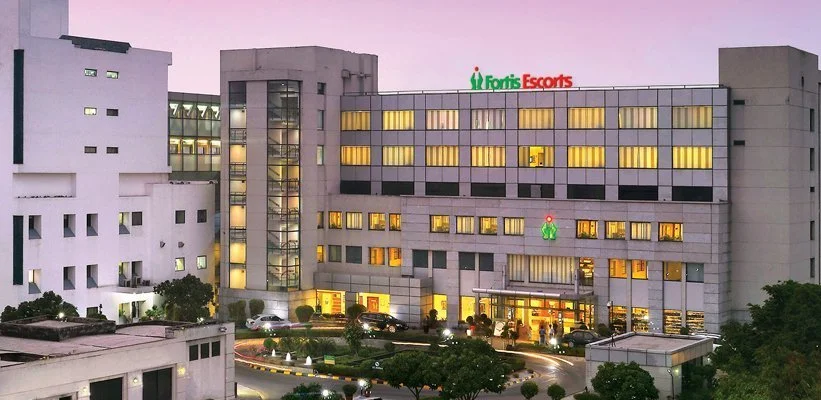
- 4.7
- 11k Reviews
- (Google)
- 310+ Beds
- 4+ Departments
- 200+ Doctors
- 70k+ Intl. Patients
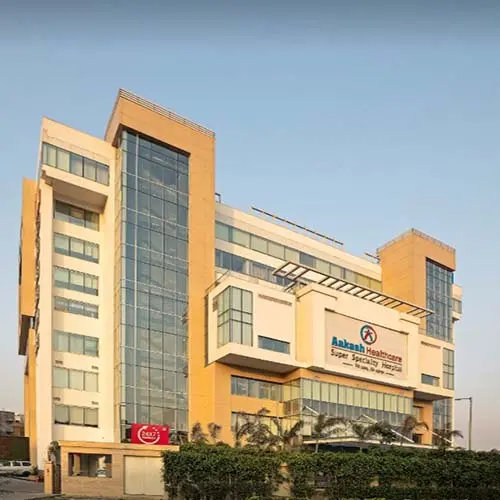
- 4.7
- 27k Reviews
- (Google)
- 230+ Beds
- 25+ Departments
- 200+ Doctors
- 20k+ Intl. Patients


- 4.5
- 3k Reviews
- (Google)
- 300+ Beds
- 30+ Departments
- 150+ Doctors
- 15k+ Intl. Patients
Best Doctor for Atherectomy Treatment in India






How HOSPIDIO Works for You?
- Pre-Treatment Consultation: Video/Audio call with your surgeon.
- All Open Pricing: No hidden charges, What we quote is what you pay.
- Visa & Paperwork: Fast-track medical visa documentation assistance.
- Hospital Admission: Skip the queues with pre-booked surgery slots.
- Return Home Care: Tele-medicine follow-ups for 6 months post-op.
Frequently Asked Questions
Atherectomy removes plaque, while angioplasty compresses plaque using a balloon. Atherectomy is often used for hard or calcified blockages.
Patients with complex, calcified, or recurrent arterial blockages that cannot be treated effectively with angioplasty alone.
Yes. When performed by experienced specialists, atherectomy is safe and effective, with a low complication rate.
The procedure usually takes 60–120 minutes, depending on complexity.
Most patients stay in the hospital for 1–3 days for monitoring and recovery.
Yes. In many cases, atherectomy is followed by angioplasty or stent placement for optimal results.
Atherectomy can be used to treat coronary arteries (heart) and peripheral arteries in the legs, arms, and neck.
Most patients can walk within 6–24 hours, depending on the artery treated and overall condition.
Possible risks include bleeding, vessel injury, embolism, or restenosis, but complications are uncommon in experienced centers.
Yes. Most patients are prescribed antiplatelet medications for a period after the procedure.
In many cases, atherectomy can delay or avoid the need for open bypass surgery, especially in complex blockages.
Steps of Atherectomy procedure
Local anesthesia is given to numb the area, usually in the groin or wrist.
A small catheter is inserted into a blood vessel and guided to the blocked artery.
Imaging dye is injected to clearly locate the plaque buildup.
The atherectomy device is activated to shave, grind, sand, or vaporize the plaque.
Removed plaque is cleared through the device or flushed safely.
Angioplasty or stent placement may be done to keep the artery open.
Catheters are removed and the entry site is closed.
The patient is monitored for a few hours to ensure stable recovery.
Recovery is quick, and most patients are discharged within 1–3 days.
Most patients arrive within 2 weeks of their first consultation for Atherectomy Surgery in India, skipping the years-long queues in their home countries.
Extremely safe, we prioritize hospitals with the lowest infection rates and a 99% successful discharge rate for international patients.
It’s a simple 3-step online process with our guidance, We provide the official documentation and a step-by-step manual to ensure zero errors.
Any two family members or friends can apply for an attendant visa, allowing them to stay with you in the hospital or nearby hotels.
For many countries, you can apply for an e-Visa online, meaning no embassy visits or physical interviews are required.