
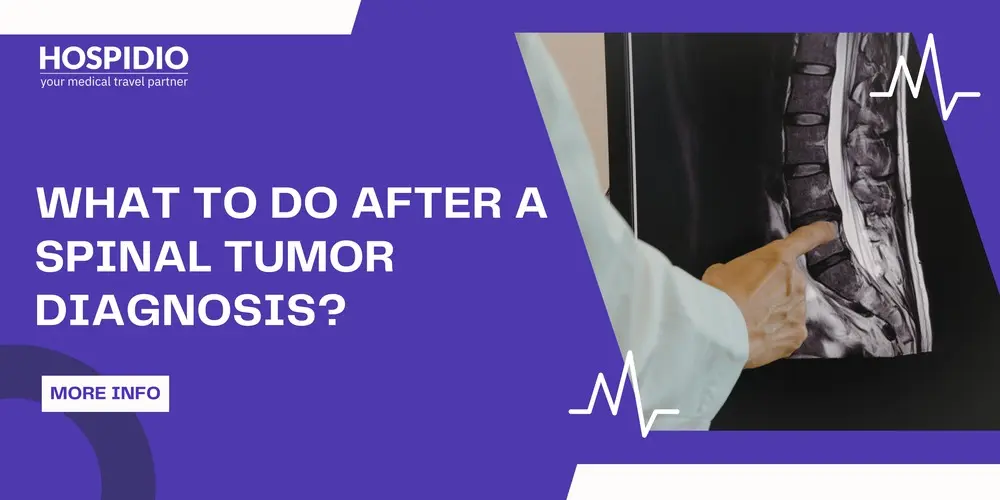
Hearing the words “spinal cord tumor” for the first time can feel like the ground has suddenly shifted beneath you. You may feel fear, confusion, or even disbelief, especially if your home country's doctors are suggesting complex surgery, long waiting lists, or treatment that feels risky or unaffordable. At that moment, it can be hard to think clearly. Yet this is also the time when thoughtful decisions can make a real difference in your outcome and quality of life.
Here is a calm, practical guide to help you regain a sense of control and hope, especially if you are considering treatment abroad, including in India.
Why India Is Considered One of the Top Destination for Spinal Cord Tumor Surgery?
India has become a realistic, high‑quality destination for international patients with complex spinal cord tumors, especially when cost, waiting times, or access to specialists are major concerns.
What makes India a strong option:
- Highly skilled neuro‑spine and spine‑oncology teams: Many hospitals in India employ neurosurgeons and spine specialists who have trained abroad or collaborated with international centers, bringing global‑standard techniques to local practice.
- Advanced technology: Leading hospitals use high‑resolution MRI‑guided surgery, intraoperative neuromonitoring, and increasingly robotic‑assisted or navigation‑guided spine surgery, which helps in safely removing tumors while protecting the spinal cord and nerves.
- Shorter waiting times: Compared with public‑health systems in the US, the UK, Canada, and some European countries, patients in India often receive neurosurgical consultations and surgery within days or weeks rather than months.
- Cost savings of roughly 40–60%: Spine tumor surgery and hospital packages in India typically range from roughly $6,000 to $8,000 (depending on hospital and complexity), versus $50,000 or more for similar procedures in Western countries.
HOSPIDIO can give you a personalized cost range and hospital shortlist for your spinal-cord-tumor surgery in India.
Want a rough cost estimate for your case?
Send your MRI/scan report to HOSPIDIO
Spinal Cord Tumor Treatment in India: Surgery, Radiation, and Beyond
In India, many hospitals use a multidisciplinary approach, with neurosurgeons, spine surgeons, radiation oncologists, medical oncologists, and physiotherapists working together to create a personalized plan. This means you are not just handed a single treatment option; instead, specialists review your scans, symptoms, and overall health to decide what gives you the best chance of recovery and quality of life.
Most treatment decisions come down to two questions: “Do I need surgery now, or is radiation enough?” and “Which surgical technique is safest and most effective for my specific tumor?”
When surgery is needed vs. when radiation/chemotherapy/targeted therapy suffices
Surgery is usually recommended if the tumor is pressing on the spinal cord or nerves and causing weakness, numbness, pain, or bladder/bowel problems. The goal is to relieve pressure, stabilize the spine, and remove as much tumor as is safe, which can often prevent or stop worsening of symptoms and sometimes even improve function.
In contrast, radiation or systemic therapy (chemotherapy or targeted drugs) may be preferred when:
- The tumor is diffuse or spread over multiple levels, making complete surgical removal risky or impractical.
- The patient is not medically fit for major surgery due to other health issues.
- The tumor is confirmed to be highly sensitive to radiation or drugs, such as certain metastatic cancers or chemosensitive tumors.
In India, many leading hospitals run tumor‑board meetings where specialists review your case together, so you get a coordinated, evidence‑based plan instead of guessing between surgery and radiation.
If you share your MRI, biopsy report, and any prior treatment plan, HOSPIDIO can match you to Indian hospitals and teams best suited for spine‑oncology cases. To see whether surgery, radiation, or a combination is right for you, book a consultation or request a treatment‑plan review.
Brief comparison of open vs. minimally invasive / endoscopic or robot-assisted spine surgery
The choice between open microsurgery and minimally invasive or robotic‑assisted techniques depends on the tumor’s size, position, and how involved the surrounding nerves and bones are. In India, many top centers now offer all three options, selecting the technique that best balances safety, completeness of removal, and recovery for each patient.
- Open spine surgery is still the gold standard for larger or more complex tumors, where the surgeon needs wide access and clear visibility. It allows for complete or near‑complete removal while carefully protecting the spinal cord and nerves.
- Minimally invasive or endoscopic spine surgery uses small incisions and specialized instruments or scopes, which can mean less blood loss, smaller scars, and potentially faster early recovery for selected tumors in favorable locations.
- Robotic‑assisted or neuro navigation‑guided spine surgery adds an extra layer of precision, especially in tricky areas of the spine, complex curves, or revision surgeries. It is especially useful when implants must be placed very close to nerves or the cord.
HOSPIDIO can help you identify hospitals and surgeons who specialize in the most suitable approach for your specific tumor. To move forward, book a free consultation or request a personalized hospital short list so you can compare options and plan your treatment journey with confidence.
Spinal Cord Tumor Surgery Cost in India vs. the USA/UK/Europe
Understanding costs helps you make calm, informed decisions instead of fear‑driven ones. In India, a comprehensive spine tumor surgery package typically ranges from $6,000 to $8,000), depending on the hospital, city, complexity, and whether implants or advanced technology are used.
In the US, UK, or many European countries, the same procedures often start at $50,000 or more and can be much higher once surgeon fees, hospital charges, and ICU stays are included.
An "all-inclusive" package in India usually covers the following:
- Hospital stay and ICU care (if needed)
- Surgeon and anesthesiologist fees
- Standard medications and basic diagnostics
- In some cases, attendant accommodation and basic physiotherapy during the hospital stay
The key is value, not just price: many Indian hospitals offer international‑standard technology and experienced teams at a fraction of the cost, making treatment far more manageable for patients from countries where it would otherwise be financially devastating.
Best Spinal Tumor Surgery Hospitals in India: How to Choose as a Foreign Patient
India has several cities where spine‑oncology–focused neuro‑spine teams have strong reputations: Delhi‑NCR, Mumbai, Bangalore, Hyderabad, and Pune are among the most common starting points for international patients.
These cities are home to multispecialty cancer and neurospine centers that regularly handle complex spinal cord tumors, often with dedicated spine‑oncology units, tumor‑board meetings, and advanced imaging suites.
List of key cities (Delhi‑NCR, Mumbai, Bangalore, Hyderabad, Pune)
- Delhi‑NCR has large hospitals with high‑volume neuro‑spine and spine‑oncology programs, strong ICUs, rehab units, and experience managing international patients.
- Mumbai offers advanced neuro‑critical‑care and strong radiation‑oncology support, ideal if you may need surgery plus radiotherapy.
- Bangalore and Hyderabad feature technology‑driven centers with robotic‑assisted or navigation‑guided spine surgery and dedicated spine‑oncology clinics.
- Pune has newer multispecialty hospitals with modern neuro‑spine departments and easy access to physiotherapy for longer rehab stays.
Share your city preference, budget, and urgency with HOSPIDIO, and we will shortlist 2–3 hospitals that match your tumor and travel needs. Speak to a care coordinator to get a tailored short list.
How to verify hospital credentials
When you are considering treatment in a foreign country, it is natural to want proof that a hospital and surgeon are safe, experienced, and trustworthy.
Here are a few practical checks you can make:
- Look for accreditations such as JCI (Joint Commission International) or NABH, which confirm that the hospital meets international standards for patient safety and quality.
- Check whether the neurospine or spine oncology department participates in international conferences, research, or collaborations, which often indicates up-to-date knowledge and technique.
- Watch patient‑story videos or written testimonials from overseas patients who have had similar spinal‑cord or major spine surgery. These stories can help you picture what the journey might look like for you.
HOSPIDIO’s “Best Hospitals in India” and “Best Doctors in India” pages filter options by specialty, city, and accreditation so you can skip random searches and focus on vetted care. Share your MRI and basic details, and we’ll match you with suitable surgeons and share a short list with links.
Request A Customized Surgeon List
Medical Visa, Travel, and Logistics for Spinal Cord Tumor Treatment in India
For many international patients, India’s medical-visa process is straightforward when you have the right support. India offers a medical-entry visa for those coming for treatment, usually requiring the following:
- A valid passport
- A doctor’s referral or an invitation letter from the Indian hospital
- Hospital registration details and sometimes a treatment cost estimate
- Completed visa forms and photographs
Processing time is typically around 3–7 working days with proper documentation.
Experienced hospitals and medical travel agencies often provide the following:
- Airport pickup and drop‑off by ambulance or hospital vehicle
- Accommodation near the hospital (guest houses, service apartments, or tied‑up hotels)
- Local transport for follow‑up visits and tests
- Interpreter or language support for patients who are not fluent in English
You do not have to manage this journey alone. Services like HOPSIDIO can coordinate your medical visa, travel, hospital admission, and discharge planning so you can focus on your treatment and recovery instead of paperwork and logistics.
Spinal Cord Tumor Recovery in India: What to Expect After Surgery
Recovery is a gradual process, not a single event; a realistic timeline can help you feel more in control.
- After surgery, many patients spend a few days in the ICU, followed by a total hospital stay of about 5 to 10 days, depending on the complexity and how smoothly recovery goes.
- Physiotherapy often starts within 1 to 2 days if your condition is stable, focusing first on breathing, sitting, standing, and then walking safely.
- Short‑term milestones include gradually returning to walking with support (within days to weeks, depending on pre‑surgery function) and relearning daily tasks like dressing, bathing, and moving safely.
- Long‑term rehab continues after discharge, either in India or in your home country, and may include ongoing physiotherapy, occupational therapy, and home‑care support to help you regain independence.
If you plan to return home, many Indian hospitals and medical‑travel coordinators (like HOPSIDIO) can help organize follow‑up care with your local doctor and share discharge summaries, imaging reports, and simple rehabilitation instructions.
Benign vs. Malignant Spinal Cord Tumors: What It Means for Your Treatment in India
Many patients worry that “tumor” automatically means “cancer.” This is not always true.
- Benign tumors are usually slower‑growing and may be completely removable with surgery. When treated early, many patients experience good functional recovery and long‑term stability.
- Malignant or metastatic tumors (either primary spine cancer or spread from other cancers such as breast, lung, or prostate) often require a combination of surgery, radiation, chemotherapy, or targeted therapies.
Indian hospitals treating spinal cord tumors follow the same modern classification and treatment protocols used in global guidelines, tailoring plans to each patient’s tumor biology, symptoms, and overall situation.
If you are considering treatment for a spinal cord tumor in India, you do not have to navigate this journey alone. Connect with experienced medical travel advisors who can help you choose the right hospital, arrange visas and travel, and coordinate your care from start to discharge so you can focus on healing rather than paperwork and logistics.
Read Some Patient Testimonials From India


Top Spine Surgeons in India


Specialized in

Recent Blogs


Frequently Asked Questions
Yes, any spinal cord surgery carries some risk because the spinal cord and nerves are very sensitive. However, advanced imaging, experienced neuro‑spine teams, and intraoperative monitoring significantly reduce complications in modern centers.
There is a minor risk, but the goal of surgery is to prevent or stop worsening paralysis. In many cases, patients stabilize or even improve rather than lose function, especially when surgery is done by an experienced team and the tumor is not too advanced.
Absolutely. Many Indian hospitals welcome second opinions; you can send your MRI/CT scans and biopsy reports digitally or on disc to experts abroad. Some hospitals even coordinate remote consultations with international specialists.
Most patients stay 2–4 weeks or longer, depending on stability, rehab needs, and whether complications arise. This period allows for initial physiotherapy, wound healing, and planning follow-up care with your local doctor back home
No. Small, slow‑growing, or asymptomatic tumors may be monitored, while symptomatic or high‑risk tumors usually require surgery, sometimes followed by radiation or chemo.
Risks include infection, bleeding, nerve injury, temporary or permanent weakness, and spinal fluid leak. These risks are lower in experienced neuro‑spine centers.
Ask for an all‑inclusive package (surgery, ICU, stay, medicines), visa/insurance compatibility, refund policies, and options for installment payments or medical‑tourism loans.
For symptomatic or progressive tumors, treatment should begin within days to weeks; your neuro‑spine team will decide urgency based on symptoms and imaging.
Shruti Verma has completed her M.Tech in Biotechnology with experience in medical writing and scientific content development. She specializes in translating complex biomedical and healthcare information into clear, accurate, and reader-friendly content for diverse audiences. When she is not designing content, probably she is designing graphics.
Guneet Bhatia is the Founder of HOSPIDIO and an accomplished content reviewer with extensive experience in medical content development, instructional design, and blogging. Passionate about creating impactful content, she excels in ensuring accuracy and clarity in every piece. Guneet enjoys engaging in meaningful conversations with people from diverse ethnic and cultural backgrounds, enriching her perspective. When she's not working, she cherishes quality time with her family, enjoys good music, and loves brainstorming innovative ideas with her team.