
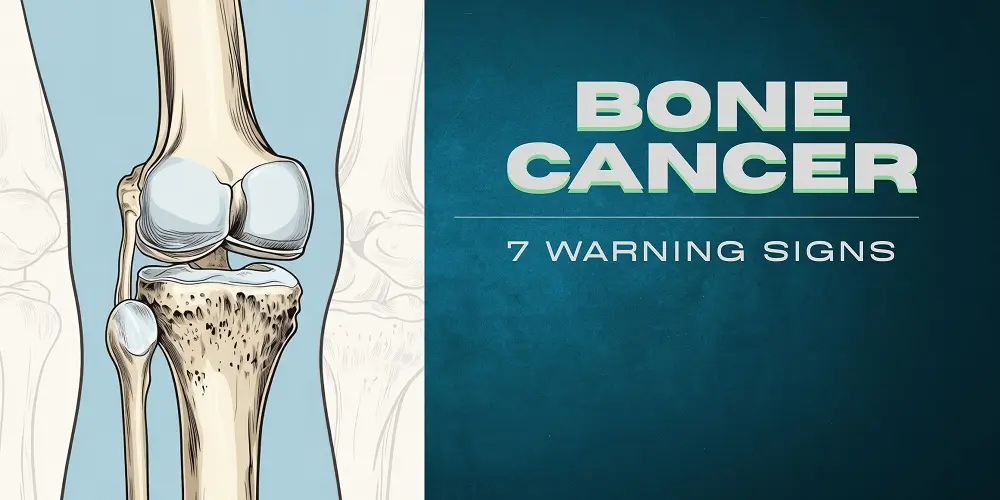
Bone cancer is rare, but when it does occur, early symptoms are often subtle and easy to ignore. Many people live with signs of bone cancer for months—or even years—without realizing what’s wrong, often mistaking the symptoms for injuries, arthritis, or normal body aches.
Understanding the early warning signs of bone cancer can make a real difference. Early detection often leads to more treatment options and better outcomes.
In this guide, we’ll clearly explain:
- What bone cancer is
- Where it usually starts
- The 7 warning signs of bone cancer you should not ignore
We Handle the Planning
You Focus on Recovery
From Medical Visa assistance to airport pick-up and local stay, HOSPIDIO manages your entire medical trip.
Tell Us About Your Need
Free case review. Confidential. No obligation.What Is Bone Cancer?
Bone cancer is a condition in which abnormal cells grow uncontrollably inside a bone, damaging healthy bone tissue. It can weaken bones, cause pain, and affect nearby muscles, nerves, or joints.
There are two main types:
- Primary bone cancer – starts directly in the bone
- Secondary (metastatic) bone cancer – spreads to the bone from another cancer (such as breast, lung, or prostate cancer)
Bone cancer can affect children, teenagers, and adults, depending on the type. Some forms grow slowly, while others are aggressive, which is why recognizing early symptoms is important. If you want deeper insight into treatment-related decisions after diagnosis, check our guide on Bone Tumor Surgery Cost in India.
Where Does Bone Cancer Usually Start?
Bone cancer most often begins in areas where bones are large or actively growing, but it can develop in any bone.
Common starting locations include:
- Long bones of the legs (especially around the knee)
- Long bones of the arms
- Pelvis
- Spine
- Ribs
Pain in these areas is frequently dismissed as:
- Sports injury
- Muscle strain
- Joint problems
This is one reason bone cancer often goes unnoticed in its early stages.
The 7 Warning Signs of Bone Cancer
Below are the seven most common warning signs of bone cancer. Having one symptom does not mean cancer—but persistent or worsening symptoms should never be ignored.
1. Persistent Bone Pain (Especially at Night)
The most common early symptom of bone cancer is ongoing bone pain that does not improve with rest.
Key characteristics:
- Pain deep inside the bone
- Worsens at night or while resting
- Becomes more intense over time
Unlike injury-related pain, this discomfort often doesn’t fully go away.
2. Swelling or a Lump Near a Bone
As a tumor grows, it may cause:
- Visible swelling
- A hard lump near the bone
- Warmth or tenderness in the area
In deeper bones (like the pelvis), swelling may not be visible but can still cause discomfort or pressure.
3. Frequent or Unexplained Bone Fractures
Bone cancer can weaken the structure of a bone, making it more likely to break.
Warning signs include:
- Fractures after minor falls or routine movement
- Bones breaking more easily than expected
These are sometimes called pathological fractures.
4. Fatigue and General Weakness
Cancer affects the body’s energy systems, which can cause:
- Constant tiredness
- Weakness not relieved by rest
- Reduced ability to perform daily activities
This fatigue often has no clear explanation, such as lack of sleep or overwork.
5. Limited Joint Movement or Stiffness
When a tumor develops near a joint, it may cause:
- Stiffness
- Difficulty moving the joint fully
- Pain during movement
This is commonly misdiagnosed as arthritis or joint inflammation.
6. Numbness or Tingling (If the Spine Is Involved)
Bone tumors near the spine can press on nerves, leading to:
- Numbness
- Tingling sensations
- Weakness in arms or legs
These symptoms require immediate medical evaluation.
7. Unexplained Weight Loss or Fever
In more advanced stages, bone cancer may cause general symptoms such as:
- Unintentional weight loss
- Ongoing low-grade fever
- Loss of appetite
These are systemic signs that the body is under stress.
Helpful: Radiotherapy Treatment cost in India
What Are the Symptoms of Bone Cancer in Early Stages?
In early stages, bone cancer symptoms are often mild and misleading.
Many people assume their symptoms are due to:
- Exercise or sports injuries
- Growing pains (in children and teens)
- Age-related joint problems
This is why early bone cancer is frequently diagnosed late—not because people ignore symptoms, but because the symptoms don’t seem serious at first.
Types of Bone Cancer
Bone cancer includes several types depending on where it begins and the type of cells involved. The behavior, treatment approach, and age group affected can vary depending on the specific type.
The most common types of primary bone cancer include:
- Osteosarcoma – The most common type of primary bone cancer. It usually develops in the long bones of the arms or legs, especially around the knee. It is most frequently seen in teenagers and young adults.
- Ewing sarcoma – A rare but aggressive cancer that can form in bone or the surrounding soft tissue. It most commonly affects children and adolescents.
- Chondrosarcoma – Begins in cartilage cells and is more common in adults. It often develops in the pelvis, hip, or shoulder region.
Each type of bone cancer may present slightly differently, but persistent bone pain and swelling remain common early warning signs. Identifying the specific type requires imaging tests and a biopsy.
Learn more about Osteosarcoma Treatment Cost in India and how treatment pathways vary.
How Long Can You Have Bone Cancer Without Knowing?
One of the most common questions people ask after learning about bone cancer symptoms is: “How long could this have been there without me knowing?”
The answer varies.
In many cases, a person can have bone cancer for several months or even years without realizing it. This happens because early symptoms are often vague and easily mistaken for common conditions.
How long bone cancer can go unnoticed depends on:
- The type of bone cancer
- How fast it grows
- Where it is located
- Whether it affects nearby nerves or joints
Slow-growing tumors may cause mild discomfort for a long time before becoming obvious, while aggressive tumors may progress faster but still resemble injuries in the beginning.
Importantly, delayed diagnosis is common and understandable. Many people seek medical help multiple times before imaging or further testing reveals the real cause.
Why Bone Cancer Is Often Missed Early
Bone cancer is rare, and most bone pain is not cancer. Because of this, early symptoms are frequently attributed to more common explanations, such as:
- Muscle strain or sports injuries
- Arthritis or joint inflammation
- Back problems or disc issues
- Growing pains in children and adolescents
Pain that comes and goes—or improves temporarily—can be especially misleading. In some cases, painkillers or rest may reduce symptoms for a short period, further delaying investigation.
This is why pattern recognition over time matters more than any single symptom.
Causes and Risk Factors of Bone Cancer
The exact cause of most primary bone cancers is not fully understood. In many cases, bone cancer develops without a clear reason. However, certain risk factors may increase the likelihood of developing the condition.
Known risk factors include:
- Genetic conditions – Certain inherited disorders, such as Li-Fraumeni syndrome or hereditary retinoblastoma, are associated with a higher risk.
- Previous radiation therapy – High-dose radiation treatment for another cancer may increase the risk of developing bone cancer later in life.
- Rapid bone growth – Osteosarcoma is more commonly seen during adolescence, when bones are growing quickly.
- Paget’s disease of bone – A chronic condition that affects bone growth in older adults may increase risk in rare cases.
It is important to note that having one or more risk factors does not mean a person will develop bone cancer. Many individuals diagnosed with bone cancer have no known risk factors.
When Should You See a Doctor?
There is no need to panic over occasional aches or pain. However, medical evaluation is recommended if you experience:
- Bone pain lasting more than 2–3 weeks
- Pain that worsens at night or during rest
- Swelling or a lump that increases in size
- Repeated fractures or unusually easy bone breaks
- Numbness, tingling, or weakness in limbs
- Persistent fatigue combined with bone pain
Early evaluation does not mean assuming the worst—it means ruling out serious causes and gaining peace of mind.
Why Early Detection of Bone Cancer Matters
When bone cancer is identified early:
- More treatment options are usually available
- Surgery may be less extensive
- Outcomes are often better
- Recovery and rehabilitation can be more effective
Early-stage bone cancer is generally easier to manage than advanced disease. This is why recognizing warning signs—and acting on persistent symptoms—is so important.
Later-stage bone cancer may involve surrounding tissues or spread to other parts of the body, making treatment more complex. Awareness plays a key role in reducing these risks.
What to Do If You Notice These Warning Signs
If any of the warning signs discussed in this article feel familiar, the next steps are usually straightforward:
- Start with a medical consultation
- Share the timeline of your symptoms clearly
- Ask whether imaging or further evaluation is appropriate
Many conditions can mimic bone cancer symptoms, and most turn out to be non-cancerous. Still, checking early helps ensure nothing serious is missed.
At a Glance
- Bone cancer symptoms are often subtle in the beginning
- Persistent bone pain is the most common early warning sign
- Bone cancer can go unnoticed for months or years due to misdiagnosis
- Early evaluation improves outcomes and treatment options
- Awareness leads to action—not fear
Further Reading


Medical Disclaimer:
This content is for informational and educational purposes only and should not be considered medical advice. Bone cancer symptoms can vary, and many conditions may cause similar signs. Always consult a qualified healthcare professional for an accurate diagnosis and personalized treatment plan. Do not delay or ignore medical advice based on information from this article.
References
- American Cancer Society
- Mayo Clinic
- National Cancer Institute
Recent Blogs




Sasmita Bal is a Digital Marketing and Content Specialist at HOSPIDIO with expertise in SEO and international healthcare content. She reviews published material to ensure it is optimized for search visibility and relevant to the needs of international patients seeking treatment in India. All content she reviews is authored and clinically approved by the Founder of HOSPIDIO and relevant medical specialists prior to publication.
Guneet Bhatia is the Founder of HOSPIDIO and an accomplished content reviewer with extensive experience in medical content development, instructional design, and blogging. Passionate about creating impactful content, she excels in ensuring accuracy and clarity in every piece. Guneet enjoys engaging in meaningful conversations with people from diverse ethnic and cultural backgrounds, enriching her perspective. When she's not working, she cherishes quality time with her family, enjoys good music, and loves brainstorming innovative ideas with her team.