
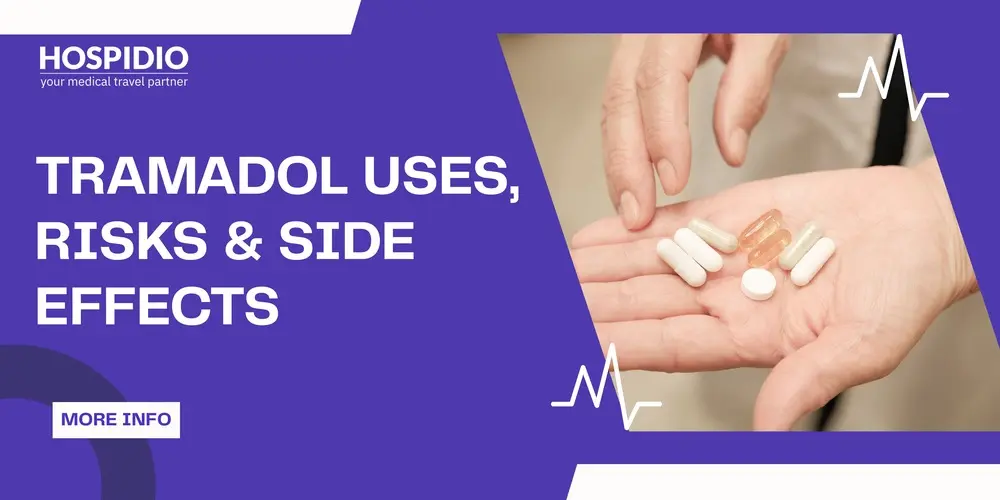
Tramadol is a widely prescribed pain-relief medication used for managing moderate to moderately severe pain. It is commonly prescribed after surgery, injury, or for chronic pain conditions when standard painkillers are not effective. Due to its opioid-like action on the central nervous system, tramadol is regulated differently across countries and must be used with caution.
In recent years, tramadol has gained global attention not only for its medical benefits but also for concerns related to dependency, side effects, and misuse. Patients from different parts of the world often have questions about its safety, effectiveness, interactions, and legal status, especially when traveling internationally for medical treatment.
This guide provides a clear, medically reviewed, and patient-focused explanation of tramadol, covering how it works, when it is used, and what patients, particularly international patients, should know before taking it.
We Handle the Planning
You Focus on Recovery
From Medical Visa assistance to airport pick-up and local stay, HOSPIDIO manages your entire medical trip.
Tell Us About Your Need
Free case review. Confidential. No obligation.What Is Tramadol?
Tramadol is a synthetic opioid analgesic used to relieve pain. Unlike stronger opioids such as morphine or oxycodone, tramadol has a dual mechanism of action, making it unique among pain medications.
It is available in several forms, including:
Immediate-release tablets or capsules
Extended-release formulations
Injectable forms (hospital use)
Tramadol is classified as a prescription-only medication in most countries due to its potential for dependence and side effects. Medical authorities recommend using tramadol only under professional supervision and for the shortest duration necessary.
Although tramadol is effective for pain relief, it is not considered a first-line treatment and is generally prescribed when non-opioid painkillers fail to provide adequate relief.
How Tramadol Works in the Body
Tramadol works through two complementary mechanisms in the central nervous system:
Opioid receptor activity
Tramadol binds to specific opioid receptors in the brain and spinal cord, reducing the perception of pain signals.
Neurotransmitter modulation
It also inhibits the reuptake of serotonin and norepinephrine, the chemicals involved in pain modulation and mood regulation.
Because of this dual action, tramadol can influence both pain perception and emotional response, which explains why some patients report mood changes while using it.
However, this same mechanism also increases the risk of:
Neurological side effects
Serotonin syndrome (when combined with certain antidepressants)
Seizures in susceptible individuals
This is why tramadol must be prescribed carefully, especially in patients with a history of neurological or psychiatric conditions.
Medical Uses of Tramadol
Tramadol is a prescription pain-relief medicine that is commonly used to treat moderate to moderately severe pain. Doctors prescribe it when pain cannot be controlled well enough with basic painkillers but does not require very strong opioid drugs.
Approved Medical Indications
Tramadol is most often prescribed for the following situations:
Post-operative pain:
After surgery, many patients experience pain that is stronger than what simple medicines like paracetamol can manage. Tramadol helps reduce this pain during the recovery period, allowing patients to move more comfortably and heal properly.
Pain following injuries or trauma:
Tramadol may be used after accidents, fractures, sprains, or other physical injuries where pain is ongoing but not life-threatening.
Chronic musculoskeletal pain:
Conditions affecting muscles, joints, and bones—such as arthritis, back pain, or long-term joint problems—may require ongoing pain management. Tramadol can be prescribed when these conditions cause persistent discomfort that interferes with daily activities.
Pain associated with certain medical conditions:
Some medical conditions cause long-lasting or recurring pain that does not respond well to standard painkillers. In such cases, tramadol may be used as part of a broader treatment plan when other options have not provided enough relief.
Short-Term and Long-Term Use
Tramadol can be used:
- Short-term, such as after surgery or an injury, to manage temporary pain
- Long-term, under close medical supervision, for chronic pain conditions when benefits outweigh the risks
Doctors carefully adjust the dose and duration based on how the patient responds and whether any side effects occur.
Why Doctors Choose Tramadol
Doctors often prescribe tramadol when:
- Non-opioid painkillers like paracetamol or NSAIDs (such as ibuprofen or diclofenac) do not provide sufficient relief
- Stronger opioids (such as morphine or oxycodone) are considered unnecessary, inappropriate, or carry higher risks for the patient
Tramadol is seen as a middle-step option, stronger than basic pain relievers but generally less potent than traditional opioids, making it suitable for carefully selected patients.
Off-Label Use and Misconceptions (Including Anxiety)
There is a common misconception that tramadol can help with anxiety, stress, or mood disorders. This belief comes from the fact that tramadol not only works on pain pathways but also affects brain chemicals such as serotonin and norepinephrine, which are involved in mood regulation.
Because of this effect, some people may notice a temporary sense of relaxation, calmness, or mild mood elevation after taking tramadol. However, this response is not the same as treating anxiety or depression, and it does not address the underlying mental health condition.
Importantly, tramadol is NOT approved for the treatment of anxiety, depression, or any other mental health disorder. Any mood-related effects are incidental and unpredictable, not therapeutic.
Why Using Tramadol for Anxiety Is Risky
Using tramadol for anxiety or emotional distress can be dangerous and may lead to more harm than benefit. Potential risks include:
Psychological dependence:
Some individuals may begin relying on tramadol to cope with stress or emotions, increasing the risk of misuse or addiction.
Worsening anxiety over time:
While short-term effects may feel calming, repeated use can disrupt brain chemistry and actually increase anxiety levels in the long run.
Withdrawal-related symptoms:
Stopping tramadol suddenly can trigger withdrawal symptoms such as restlessness, panic, agitation, irritability, sweating, and insomnia. These symptoms can closely resemble or worsen anxiety attacks.
Masking the real problem:
Using pain medication to manage anxiety can delay proper diagnosis and treatment of an underlying mental health condition.
Increased risk of side effects:
Tramadol’s effects on serotonin can increase the risk of complications such as mood instability or, in rare cases, serotonin-related reactions when combined with other medications.
Medical Guidance on Off-Label Use
Medical professionals strongly discourage the use of tramadol outside its approved pain-management indications unless there is a clear clinical justification and close medical supervision. Self-medicating or using tramadol for emotional relief is considered unsafe and inappropriate.
Doctors evaluate both physical pain and mental health symptoms separately, even when they occur together, to ensure safe and effective treatment.
What Doctors Recommend Instead
For patients experiencing both pain and anxiety, healthcare providers typically recommend:
- Separate, targeted treatments for pain and anxiety rather than one medication for both
- Non-opioid pain management options, such as physical therapy, lifestyle changes, or alternative pain medications
- Mental health evaluation to identify anxiety disorders, stress-related conditions, or mood issues
- Appropriate therapy, which may include counseling, cognitive behavioral therapy (CBT), or anxiety-specific medications when needed
This approach ensures that pain is managed safely while mental health concerns receive proper, evidence-based care.
Risks and Safety Information
Common Side Effects of Tramadol
Like all opioid-based medications, tramadol can cause side effects. While many patients tolerate it well when used correctly, side effects are more likely at higher doses or with prolonged use.
These effects are usually mild to moderate and may improve as the body adjusts:
Nausea or vomiting
Dizziness or lightheadedness
Drowsiness or fatigue
Constipation
Headache
Dry mouth
Patients are often advised to avoid driving or operating heavy machinery until they understand how tramadol affects them.
Factors That Increase Side Effect Risk
Higher doses or extended-release formulations
Older age
Liver or kidney impairment
Combining tramadol with alcohol or sedatives
For international patients, it is especially important to inform the treating doctor about all medications currently being taken, including those prescribed in their home country.
Serious Risks and Potential Complications
Although tramadol is considered less potent than some opioids, it still carries significant medical risks, particularly when misused or taken without supervision.
Respiratory depression (slow or shallow breathing)
Seizures, especially in patients with epilepsy or neurological conditions
Serotonin syndrome, when combined with antidepressants or certain psychiatric medications
Severe allergic reactions, including swelling and breathing difficulty
In rare cases, tramadol overdose can be life-threatening and requires immediate medical attention.
Who Is at Higher Risk?
Patients with a history of seizures
Those taking antidepressants, antipsychotics, or MAO inhibitors
Individuals with breathing disorders such as sleep apnea
Patients with substance use disorders
Because of these risks, tramadol should only be used under professional guidance, particularly for international patients receiving treatment abroad.
Dependence, Addiction, and Withdrawal
Is Tramadol Addictive?
Yes. Tramadol has the potential to cause physical dependence and addiction, even when taken as prescribed. The risk increases with:
Long-term use
High doses
History of substance abuse
While tramadol is sometimes perceived as a “safer opioid,” medical evidence confirms that dependence can still develop.
Withdrawal Symptoms
Stopping tramadol suddenly may lead to withdrawal symptoms such as:
Anxiety and restlessness
Insomnia
Sweating and chills
Muscle aches
Gastrointestinal discomfort
Mood changes or depression
Withdrawal symptoms can appear within hours to days after stopping the medication.
Safe Discontinuation
Doctors usually recommend gradual dose reduction (tapering) rather than abrupt cessation. This is especially important for patients who have been using tramadol for more than a few weeks.
Dosage Guidelines and Safe Administration
Tramadol dosage depends on:
The severity of pain
Patient age and weight
Kidney and liver function
Whether immediate-release or extended-release forms are used
Doctors typically start with the lowest effective dose and adjust gradually if needed.
Important Safety Guidelines
Never exceed the prescribed dose
Do not combine with alcohol
Avoid self-adjusting dosage
Take extended-release forms exactly as directed
Special Considerations for International Patients
Patients traveling for treatment should:
Carry a valid prescription and medical documents
Follow local regulations regarding controlled medications
Avoid purchasing tramadol without prescription in foreign countries
Medication reviews before travel are strongly recommended to prevent complications, legal issues, or drug interactions during treatment abroad.
Drug Interactions and Contraindications
Tramadol interacts with a wide range of medications, which can significantly increase the risk of serious side effects. Because tramadol affects both opioid receptors and neurotransmitter levels, combining it with certain drugs may lead to dangerous outcomes.
One of the most important concerns is interaction with antidepressants, particularly selective serotonin reuptake inhibitors (SSRIs), serotonin–norepinephrine reuptake inhibitors (SNRIs), and monoamine oxidase inhibitors (MAOIs). When taken together, these combinations may increase the risk of serotonin syndrome, a potentially life-threatening condition characterized by confusion, fever, rapid heart rate, and muscle rigidity.
Tramadol should also be used cautiously in patients taking sedatives, sleeping pills, or alcohol, as these combinations can suppress breathing and impair consciousness. Anti-epileptic drugs, antipsychotics, and certain antibiotics may also alter tramadol’s metabolism, increasing seizure risk.
Who Should Avoid Tramadol
Tramadol is generally not recommended for patients with:
A history of seizures or epilepsy
Severe respiratory disorders
Known opioid dependence
Uncontrolled psychiatric conditions
For international patients, a complete medication review before starting tramadol is essential, especially when prescriptions from multiple countries are involved.
Tramadol Compared to Other Pain Medications
Tramadol is often positioned between non-opioid painkillers and stronger opioids. Understanding how it compares to other pain medications helps patients and doctors make informed decisions.
Compared to paracetamol and NSAIDs, tramadol provides stronger pain relief but carries higher risks, particularly related to dependency and neurological side effects. Unlike NSAIDs, tramadol does not cause gastric bleeding but introduces central nervous system risks.
When compared to strong opioids such as morphine or oxycodone, tramadol is generally less potent and may have a lower risk of respiratory depression. However, it has a more complex side-effect profile due to its antidepressant-like activity, which can affect mood, sleep, and anxiety levels.
In many cases, doctors prefer tramadol only when:
Non-opioid medications are ineffective
Pain is moderate but not severe enough to justify stronger opioids
Short-term pain control is required
For long-term pain management, non-opioid strategies or multidisciplinary approaches are often safer and more sustainable.
Tramadol and Mental Health Considerations
Tramadol’s effect on serotonin and norepinephrine means it can influence mental and emotional states. Some patients report mood elevation or reduced emotional distress during initial use, which can lead to misconceptions about its suitability for mental health conditions.
However, medical evidence shows that tramadol does not treat anxiety or depression and may worsen these conditions over time. Long-term use has been associated with emotional instability, irritability, sleep disturbances, and increased anxiety, particularly during dose reductions or withdrawal.
Patients with existing mental health disorders should be closely monitored if tramadol is prescribed. Abrupt changes in dosage can trigger anxiety, panic symptoms, or depressive episodes. This makes tramadol a poor choice for patients with a history of substance dependence or untreated psychiatric conditions.
For patients experiencing both pain and emotional distress, doctors typically recommend separate and targeted treatment plans, rather than relying on tramadol to address both issues.
International Patients – Legal, Travel, and Safety Considerations
Tramadol is regulated differently around the world. While it is prescription-only in most European and CIS countries, enforcement and legal classification vary widely. Some countries treat tramadol as a controlled narcotic, while others allow limited prescription use under strict medical supervision.
International patients traveling for treatment should be aware that carrying tramadol across borders without proper documentation may result in legal complications. Customs authorities in many countries require:
A valid medical prescription
A doctor’s letter explaining medical necessity
Medication quantities limited to personal use
Additionally, tramadol prescribed in one country may not be legally recognized in another. Patients undergoing medical treatment abroad should always confirm whether their medication can be continued safely and legally at their destination.
For this reason, many international healthcare providers recommend a pre-travel medication assessment, ensuring pain management plans comply with local regulations and medical standards.
Using Tramadol Safely and Responsibly
Tramadol can be an effective option for managing moderate pain when used appropriately and under medical supervision. However, its opioid nature, potential for dependence, and interaction risks make it unsuitable for unsupervised or long-term use without careful monitoring.
For patients, especially international patients seeking treatment abroad, understanding how tramadol works, its risks, and its legal status is essential. Pain management should always be individualized, taking into account existing medical conditions, mental health, current medications, and local regulations.
Rather than relying on tramadol alone, many patients benefit from a comprehensive pain management approach that may include non-opioid medications, physical therapy, lifestyle modifications, and specialist consultation.
If you are considering or already using tramadol, consulting a qualified medical professional for a personalized evaluation is the safest way to ensure effective pain relief while minimizing risks.




Medical Disclaimer: This content is intended for informational purposes only and does not replace professional medical advice, diagnosis, or treatment. Always consult a licensed healthcare provider before starting, stopping, or changing any medication.
References:
- MedlinePlus
- DrugBank
- Mayo Clinic
- HealthDirect
- National Institute on Drug Abuse
- Vidal.ru
- SingleCare
Recent Blogs




FAQs
Tramadol is prescribed to manage moderate to moderately severe pain, especially when standard painkillers such as paracetamol or NSAIDs do not provide sufficient relief. It is commonly used after surgery, injury, or for certain chronic pain conditions under medical supervision.
Tramadol is considered a moderate-strength opioid analgesic. It is stronger than non-opioid pain relievers but generally less potent than opioids like morphine or oxycodone. Despite this, it still carries opioid-related risks.
No. Tramadol is not approved for treating anxiety or depression. While it affects neurotransmitters involved in mood regulation, using tramadol for mental health conditions is unsafe and may worsen symptoms or lead to dependence.
Common side effects include nausea, dizziness, drowsiness, constipation, and headache. These effects are usually mild but may become more pronounced at higher doses or during long-term use.
Yes. Tramadol can cause physical dependence and addiction, even when taken as prescribed. The risk increases with prolonged use, higher doses, or a history of substance misuse.
Abrupt discontinuation may lead to withdrawal symptoms such as anxiety, restlessness, insomnia, sweating, muscle pain, and mood changes. Doctors usually recommend tapering the dose gradually to minimize withdrawal effects.
International patients may travel with tramadol only if they carry a valid prescription and supporting medical documentation. Laws vary by country, and tramadol may be restricted or classified as a controlled substance in some regions.
Emergency care is required if symptoms such as difficulty breathing, severe drowsiness, confusion, seizures, or allergic reactions occur.
Sasmita Bal is a Digital Marketing and Content Specialist at HOSPIDIO with expertise in SEO and international healthcare content. She reviews published material to ensure it is optimized for search visibility and relevant to the needs of international patients seeking treatment in India. All content she reviews is authored and clinically approved by the Founder of HOSPIDIO and relevant medical specialists prior to publication.
Guneet Bhatia is the Founder of HOSPIDIO and an accomplished content reviewer with extensive experience in medical content development, instructional design, and blogging. Passionate about creating impactful content, she excels in ensuring accuracy and clarity in every piece. Guneet enjoys engaging in meaningful conversations with people from diverse ethnic and cultural backgrounds, enriching her perspective. When she's not working, she cherishes quality time with her family, enjoys good music, and loves brainstorming innovative ideas with her team.