
Intestinal failure is a rare but life-threatening condition that can drastically affect a patient’s quality of life and long-term survival. When the intestine can no longer absorb nutrients adequately to sustain the body, even with advanced medical therapy, an intestine (small bowel) transplant becomes the only life-saving option.
Over the last decade, India has emerged as one of the few countries globally capable of performing complex intestine and multi-visceral transplants with outcomes comparable to leading Western transplant centers, at a fraction of the cost. Indian hospitals now routinely handle isolated intestine transplants, liver-intestine transplants, and multivisceral transplants, supported by advanced ICUs, experienced transplant surgeons, and multidisciplinary care teams.
For international patients from Africa, the Middle East, Southeast Asia, and Europe, India offers a unique combination of clinical expertise, affordability, shorter waiting times, and comprehensive medical-travel support.
In this detailed guide, we highlight the Top 5 Hospitals for Intestine Transplant in India, carefully selected based on transplant volume, surgeon experience, infrastructure, success rates, and international patient care standards. We also explain the procedure, costs, eligibility, recovery, and how HOSPIDIO supports patients throughout the treatment journey.
We Handle the Planning
You Focus on Recovery
From Medical Visa assistance to airport pick-up and local stay, HOSPIDIO manages your entire medical trip.
Tell Us About Your Need
Free case review. Confidential. No obligation.What Is an Intestine (Small Bowel) Transplant?
An intestine transplant is a highly specialized surgical procedure in which a diseased or non-functioning small intestine is replaced with a healthy intestine from a donor. The donor organ is typically obtained from a deceased donor, although combined transplants may involve complex organ allocation.
How the Procedure Works
- Removal of the diseased small intestine
- Transplantation of the donor intestine
- Connection of blood vessels (arteries and veins)
- Surgical joining of the intestine to the digestive tract
- Initiation of lifelong immunosuppressive therapy to prevent rejection
Because the intestine contains a high concentration of immune cells and bacteria, this transplant is considered one of the most complex organ transplants in modern medicine.
Types of Intestine Transplants
Intestine transplantation is a highly specialized procedure, and the type of transplant recommended depends on the underlying disease, organ involvement, and overall health of the patient. Below are the main types of intestine transplants explained in a clear and patient-friendly manner:
1. Isolated Intestine Transplant
This procedure involves the replacement of only the small intestine. It is usually recommended for patients who have irreversible intestinal failure but still have a normally functioning liver and other abdominal organs. Common indications include short bowel syndrome, severe intestinal motility disorders, or intestinal damage from previous surgeries. Since fewer organs are transplanted, recovery is generally faster compared to more complex procedures.
2. Liver–Intestine Transplant
A liver–intestine transplant is performed when intestinal failure is accompanied by liver damage or liver failure, often caused by long-term dependence on total parenteral nutrition (TPN). In this combined procedure, both the small intestine and the liver are transplanted together to restore digestion, nutrient absorption, and liver function. This approach improves long-term outcomes in patients with advanced disease affecting both organs.
3. Multivisceral Transplant
This is the most extensive form of intestine transplantation. It involves transplanting the small intestine along with multiple abdominal organs, which may include the liver, pancreas, stomach, and sometimes the colon. Multivisceral transplants are recommended for patients with widespread abdominal disease, complex congenital disorders, extensive vascular problems, or severe complications involving several digestive organs. Due to its complexity, this procedure requires advanced surgical expertise and comprehensive post-transplant care.
4. Modified Multivisceral Transplant
A modified multivisceral transplant is a customized version of the multivisceral procedure. Instead of transplanting all abdominal organs, surgeons selectively replace only the organs affected by disease, such as the intestine with or without the liver or pancreas. This tailored approach helps reduce surgical risk while still addressing the full extent of the patient’s condition, making it suitable for cases where organ involvement varies in severity.
Intestine Transplant Outcomes in India
Over the past decade, intestine transplantation in India has shown significant improvement due to advances in surgical techniques, immunosuppression protocols, infection control, and post-transplant nutrition management. Leading multi-organ transplant centers across the country now deliver outcomes comparable to many global transplant programs.
Survival Rates
Top Indian hospitals report 1-year survival rates ranging between 70% and 90%, depending on the patient’s age, underlying condition, type of transplant (isolated vs. multivisceral), and overall medical stability before surgery. Early diagnosis, proper donor matching, and experienced multidisciplinary transplant teams play a crucial role in achieving these outcomes.
Improved Nutrition Independence
One of the most important measures of success after an intestine transplant is the patient’s ability to absorb nutrients naturally through oral or enteral feeding. Many patients gradually transition to a normal or near-normal diet within months after transplantation, significantly improving energy levels, growth (in children), and overall quality of life.
Reduced Dependence on Total Parenteral Nutrition (TPN)
Successful intestine transplantation greatly reduces or completely eliminates the need for long-term total parenteral nutrition (TPN). This is especially important because prolonged TPN use can lead to serious complications such as liver failure, recurrent infections, and metabolic imbalances. Post-transplant patients in India often achieve partial or complete independence from TPN, lowering long-term medical risks and healthcare costs.
Conditions Treated With Intestine Transplant
An intestine transplant is considered a last-resort treatment option, recommended only when all available medical therapies and conventional surgical interventions are no longer effective. It is primarily indicated for patients with irreversible intestinal failure, where the intestine can no longer absorb adequate nutrients and fluids to sustain life. Below are the key conditions for which an intestine transplant may be advised:
1. Short Bowel Syndrome (SBS)
Short bowel syndrome occurs when a large portion of the small intestine has been surgically removed due to trauma, intestinal cancer, vascular ischemia, or repeated abdominal surgeries. With insufficient intestinal length remaining, patients are unable to absorb nutrients properly, often becoming dependent on long-term total parenteral nutrition (TPN). Intestine transplantation may restore normal digestion and nutritional independence in severe cases.
2. Chronic Intestinal Pseudo-Obstruction & Severe Motility Disorders
These conditions involve a failure of normal intestinal movement despite the absence of a physical blockage. Patients experience symptoms similar to bowel obstruction, including severe abdominal distension, vomiting, malnutrition, and repeated hospitalizations. When medical management and surgical decompression fail, an intestine transplant may be the only viable option to regain intestinal function.
3. Mesenteric Thrombosis or Intestinal Ischemia
Blood clots or reduced blood flow to the intestines can cause irreversible damage to bowel tissue, leading to extensive bowel loss or non-functioning intestine. In cases where the intestine cannot recover and nutritional absorption is permanently compromised, transplantation becomes necessary to sustain life.
4. Complications of Inflammatory Bowel Disease (IBD)
Severe, treatment-resistant cases of Crohn’s disease can lead to repeated intestinal resections, fistulas, strictures, and chronic malabsorption. When surgical options are exhausted and intestinal failure develops, an intestine transplant may be considered as a life-saving measure.
5. Congenital Intestinal Disorders in Children
Certain birth-related intestinal conditions can result in early and severe intestinal failure in infants and children. These include volvulus (twisting of the intestine), gastroschisis (intestines developing outside the abdomen), and necrotizing enterocolitis (NEC). Pediatric intestine transplantation offers the possibility of normal growth, development, and long-term nutritional independence in selected cases.
6. TPN-Related Liver Failure
Long-term dependence on total parenteral nutrition can lead to progressive liver damage, especially in children and young adults with chronic intestinal failure. When liver dysfunction becomes advanced, a combined liver–intestine transplant may be required to address both intestinal failure and liver disease simultaneously.
With advancements in transplant medicine, careful patient selection, and comprehensive post-transplant care, intestine transplantation offers renewed hope for patients facing life-threatening intestinal failure and its complications.
We Handle the Planning
You Focus on Recovery
From Medical Visa assistance to airport pick-up and local stay, HOSPIDIO manages your entire medical trip.
Tell Us About Your Need
Free case review. Confidential. No obligation.Hospital Expenses For Intestine Transplant in India
| Point of Expense | Approximate Expenses (USD) |
| Pre-Transplant Evaluation & Diagnostics (blood tests, imaging, specialist consultations) | $2,000 – $5,000 |
| Surgery & Operating Room Charges (surgeon fees, anesthesia, OR time) | $25,000 – $32,000 |
| Hospital Stay (ICU + General Ward) (10–30 days depending on recovery) | $5,000 – $10,000 |
| Post-Operative Care & Monitoring (recovery support, nutrition management) | $2,000 – $5,000 |
| Immunosuppressive Medications (first month) | $1,500 – $4,000 |
| Follow-Up Consultations & Tests (first 3–6 months) | $1,000 – $3,000 |
| Total Estimated Cost for Transplant Procedure | $36,500 – $59,000 |
Notes
- The total cost for an intestine transplant in India typically ranges from about $45,000 to $55,000, depending on the center, complexity of the case, type of transplant, and associated services.
- Costs may be lower in some hospitals or cities (reported from ~$40,000 in certain regions) or higher in top tertiary centers with advanced multivisceral transplant programs.
- These figures do not include international travel, accommodation outside the hospital, visa fees, or long-term medication beyond the initial period, all of which should be factored into total budgeting.
Doctors Involved in an Intestine Transplant
- Transplant Surgeon (Lead Specialist): Performs the intestine transplant surgery and coordinates the entire surgical and transplant process.
- Gastroenterologist: Manages intestinal function, digestion, absorption, and long-term gastrointestinal health before and after the transplant.
- Hepatologist (for Combined Transplants): Oversees liver health and manages cases requiring liver–intestine or multivisceral transplantation.
- Anesthesiologist: Ensures safe anesthesia, pain control, and stable vital functions throughout the lengthy transplant surgery.
- Immunologist: Designs and monitors immunosuppression therapy to prevent organ rejection while minimizing infection risk.
- Nutritionist and Dietitian: Plans specialized nutrition support to transition patients from TPN to oral or enteral feeding safely.
- Critical Care Specialists: Provide intensive monitoring and life-support management during the immediate post-operative ICU phase.
- Pediatric Transplant Experts (for Children): Specialize in managing intestinal transplants in infants and children, focusing on growth, development, and long-term outcomes.
List of Top 5 Hospitals for Intestine Transplant in India
1. Gleneagles Global Hospital – Chennai & Bangalore
Established in: 1999
Number of Beds: 1,000+ (across Chennai & Bangalore)
Gleneagles Global Hospital is one of India’s most advanced multi-organ transplant centers, widely recognized for its expertise in intestine, liver–intestine, and multivisceral transplants. The hospital is a pioneer in complex abdominal and digestive organ transplantation, supported by highly experienced transplant surgeons, gastroenterologists, hepatologists, and critical care teams.
The hospital offers comprehensive intestine transplant services, including:
- Detailed pre-transplant evaluation and nutritional optimization
- Isolated intestine, liver–intestine, and multivisceral transplant procedures
- Advanced ICU care with infection-controlled transplant units
- Structured post-transplant immunosuppression and nutrition rehabilitation

Awards & Recognition
Gleneagles Global Hospital has received multiple national and international recognitions, including:
- Best Multi-Organ Transplant Hospital in India – Healthcare Excellence Awards
- Pioneer in Liver & Intestinal Transplantation – National Healthcare Leadership Awards
- Excellence in Clinical Outcomes & Transplant Innovation – FICCI Healthcare Awards
- Recognitions from CIMS, AHPI, and Times Healthcare for patient safety and clinical excellence
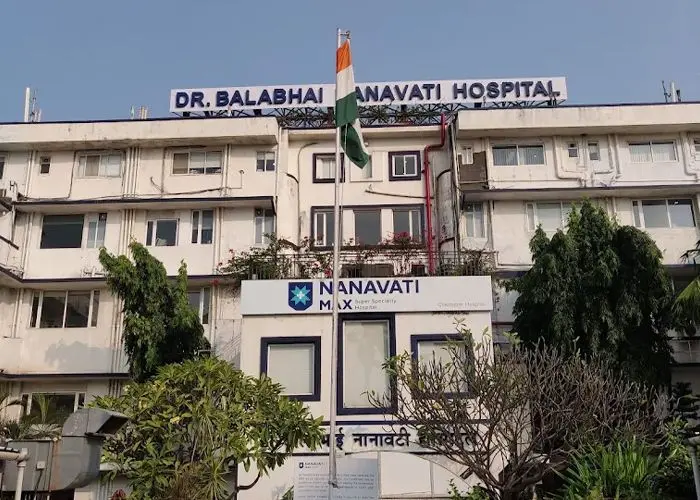
2. Nanavati-MAX Super Specialty Hospital, Mumbai
Established in: 1950
Number of Beds: 350+
Nanavati-MAX Super Specialty Hospital is a leading organ transplant and tertiary care hospital in Mumbai, offering advanced care for intestinal failure and complex digestive disorders. Backed by the MAX Healthcare network, the hospital delivers high-quality outcomes in intestine and combined liver–intestine transplantation.
The hospital specializes in intestine transplant services such as:
- Multidisciplinary intestinal failure assessment and transplant planning
- Isolated intestine and combined liver–intestine transplants
- Advanced anesthetic and critical care support for high-risk patients
- Long-term post-transplant monitoring and nutritional rehabilitation
Awards & Recognition
- Nanavati-MAX Super Specialty Hospital has earned numerous accolades, including:
- Hospital of the Year in Organ Transplant (2024) – Navabharat Healthcare Summit
- Hospital of the Year in Patient Care (2021) – Healthcare Excellence Awards
- Best Intelligent Hospital Award – AHPI Awards
- Most Popular Multi-Specialty Hospital in India – Time Cyber Media
- CISCO Technology Award & multiple CIMS recognitions for clinical excellence
3. Jupiter Hospital, Pune
Established in: 2007
Number of Beds: 350+
Jupiter Hospital, Pune, is a leading multi-specialty hospital known for its strong programs in gastroenterology, liver disease, and organ transplantation. The hospital provides specialized care for patients with intestinal failure requiring transplant evaluation and surgery.
Key intestine transplant-related services include:
- Comprehensive evaluation for intestinal failure and TPN complications
- Coordination for isolated intestine and combined transplant procedures
- Advanced ICU and peri-operative care for transplant patients
- Long-term follow-up with nutrition, immunology, and gastroenterology teams

Awards & Recognition
- Best Multi-Specialty Hospital in Pune – Times Healthcare Awards
- Excellence in Critical Care & Surgical Outcomes – National Healthcare Awards
- Recognized for patient safety, ethical practices, and quality healthcare delivery
4. MGM Healthcare, Chennai
Established in: 2019
Number of Beds: 400+
MGM Healthcare Chennai is a new-generation quaternary care hospital with a strong focus on complex organ transplants, including intestine and multivisceral transplantation. The hospital is known for its state-of-the-art infrastructure, transplant ICUs, and experienced surgical teams.
The hospital offers advanced intestine transplant care, including:
- Intestinal failure clinics and transplant eligibility assessment
- Isolated intestine and multivisceral transplant surgeries
- High-end critical care with infection-controlled transplant ICUs
- Post-transplant immunosuppression, nutrition transition, and rehabilitation

Awards & Recognition
- Best Emerging Transplant Hospital in India – Healthcare Innovation Awards
- Excellence in Clinical Infrastructure & Patient Safety – AHPI Awards
- Recognized for advanced robotic and minimally invasive surgical programs
5. Amrita Hospital, Faridabad
Established in: 2022
Number of Beds: 2,600+
Amrita Hospital, Faridabad, is India’s largest private multi-specialty hospital, offering world-class facilities for advanced organ transplantation, including intestine and combined multivisceral transplants. The hospital integrates clinical excellence with research-driven transplant protocols.
Its intestine transplant program includes:
- Comprehensive intestinal failure and transplant evaluation units
- Isolated intestine, liver–intestine, and multivisceral transplants
- Dedicated transplant ICUs with multidisciplinary critical care teams
- Long-term post-transplant follow-up, nutrition therapy, and immunology support

Awards & Recognition
- Largest Private Hospital in India – National Healthcare Records
- Excellence in Multi-Organ Transplant Infrastructure – Healthcare Leadership Awards
- Recognized for academic excellence, research-driven care, and ethical medical practices
Top 5 Surgeons For Intestine Transplant in India
1. Dr. Anil Vaidya
Qualifications:
MBBS, MS (General Surgery), with advanced fellowship training in multi-organ and intestinal transplantation. He has received specialized exposure to complex abdominal and transplant surgery techniques at leading national and international transplant centers.
Experience:
Dr. Anil Vaidya has over two decades of experience in advanced gastrointestinal and transplant surgery. He is widely respected for managing high-risk intestinal failure cases, including patients requiring isolated intestine, liver–intestine, and multivisceral transplants.
Specializations:
- Intestine and multivisceral transplantation
- Advanced gastrointestinal and abdominal surgery
- Management of intestinal failure and TPN-related complications
- Complex re-operative abdominal surgeries
Notable Achievements:
He is recognized for his role in developing structured transplant pathways for intestinal failure patients and is known for achieving favorable outcomes in complex transplant cases through meticulous surgical planning and multidisciplinary coordination.
2. Dr. Bipin Vibhute
Qualifications:
MBBS, MS (General Surgery), with super-specialized training in liver and intestine transplantation. He has undergone advanced transplant fellowships focusing on hepatobiliary and intestinal transplant surgery.
Experience:
With 20+ years of clinical and surgical experience, Dr. Bipin Vibhute is a senior transplant surgeon known for handling combined liver–intestine and multivisceral transplant procedures, especially in patients with advanced intestinal and liver failure.
Specializations:
- Liver-intestine transplant surgery
- Multivisceral transplantation
- Hepatobiliary and pancreatic surgery
- Transplant surgery for TPN-induced liver disease
Notable Achievements:
Dr. Vibhute is recognized for his expertise in complex combined organ transplants and for contributing to the expansion of advanced transplant programs in India, with a strong focus on patient safety and long-term outcomes.
3. Dr. Gaurav Chaubal
Qualifications:
MBBS, MS (General Surgery), with fellowship training in intestinal, liver, and multivisceral transplantation. He has trained extensively in advanced transplant surgery and perioperative transplant care.
Experience:
Dr. Gaurav Chaubal has over 15 years of experience in gastrointestinal and transplant surgery. He is known for managing complex intestinal failure cases, including pediatric and adult patients requiring specialized transplant evaluation.
Specializations:
- Isolated intestine transplantation
- Multivisceral and combined organ transplants
- Advanced gastrointestinal surgery
- Post-transplant complication management
Notable Achievements:
He is known for his precision-based surgical approach, strong post-transplant follow-up protocols, and contribution to improving nutrition independence and survival outcomes in intestinal transplant recipients.
We Handle the Planning
You Focus on Recovery
From Medical Visa assistance to airport pick-up and local stay, HOSPIDIO manages your entire medical trip.
Tell Us About Your Need
Free case review. Confidential. No obligation.4. Dr. Shaleen Agarwal
Qualifications:
MBBS, MS (General Surgery), with advanced training in gastrointestinal, hepatobiliary, and intestinal transplant surgery from reputed Indian and international centers.
Experience:
Dr. Shaleen Agarwal brings 15+ years of experience in complex GI and transplant surgeries. He plays a critical role in evaluating patients with chronic intestinal failure, short bowel syndrome, and complex abdominal pathologies.
Specializations:
- Intestinal failure surgery and transplant evaluation
- Liver-intestine and multivisceral transplantation
- Advanced gastrointestinal reconstruction
- High-risk abdominal and reoperative surgery
Notable Achievements:
He is recognized for integrating multidisciplinary care models in transplant programs and for optimizing surgical and nutritional outcomes in patients undergoing complex intestinal procedures.
5. Dr. Suresh Raghavaiah
Qualifications:
MBBS, MS (General Surgery), with super-specialty expertise in multi-organ transplantation, including intestine and liver–intestine transplants. He has undergone extensive transplant training in high-volume centers.
Experience:
Dr. Suresh Raghavaiah has over 25 years of experience in transplant and advanced abdominal surgery. He is highly regarded for handling critically ill transplant patients requiring complex surgical and post-operative management.
Specializations:
- Multivisceral and intestine transplantation
- Liver-intestine combined transplants
- Advanced critical care-supported transplant surgery
- Long-term transplant follow-up and immunosuppression planning
Notable Achievements:
He is known for his leadership in establishing advanced multi-organ transplant programs, mentoring transplant teams, and delivering consistent outcomes in high-complexity intestinal transplant cases.
Where does the intestine come from for small bowel transplant in India?
In India, the intestine used for a small bowel (intestine) transplant comes from a deceased organ donor who has been declared brain-dead in accordance with Indian law. Living donation of the intestine is not practiced because removing a significant portion of the small intestine from a living person would pose an unacceptably high risk to the donor. Therefore, almost all intestine transplants in India rely on cadaveric (deceased) donation.
Once brain death is certified, organs are retrieved only after legal consent is obtained from the donor’s family under the Transplantation of Human Organs and Tissues Act (THOTA), India. The donor’s small intestine is carefully assessed for suitability, including blood group compatibility, size matching, absence of infection or malignancy, and overall organ quality. Because the intestine is highly sensitive to ischemia, rapid coordination and transport are critical.
Organ allocation in India is coordinated through government-authorized organ sharing networks such as NOTTO (National Organ & Tissue Transplant Organization) and state-level bodies like ROTTO and SOTTO. These organizations ensure transparent, ethical, and equitable allocation of organs based on medical urgency, compatibility, and waiting time. Transplant centers are notified immediately when a suitable intestine becomes available.
In cases where a combined liver-intestine or multivisceral transplant is required, all organs are retrieved from the same deceased donor to ensure immunological compatibility and better long-term outcomes. After retrieval, the intestine is preserved in specialized cold-storage solutions and transplanted within a few hours to minimize damage. Intestine transplantation in India follows strict ethical, legal, and medical protocols, ensuring patient safety while promoting organ donation awareness.
For international patients, transplant hospitals and medical travel facilitators such as HOSPIDIO assist with waiting-list registration, legal documentation, and coordination throughout the process to ensure compliance with Indian transplant regulations.
Why should you choose India for intestine transplant?

If you or your loved one is considering an intestine transplant in India, having the right guidance can make a significant difference at every stage of the journey. HOSPIDIO offers end-to-end support, from online medical case review and hospital selection to cost estimation, visa assistance, treatment coordination, and post-transplant follow-up. Our team works closely with leading transplant hospitals and specialists across India to ensure a smooth, transparent, and patient-focused experience.
To explore your treatment options or receive personalized assistance, contact HOSPIDIO today and let us help you take the next step toward expert care and recovery.
Read More Blogs






Recent Blogs



Baani Singh is a Trainee Intern specializing in Content and Brand Management at HOSPIDIO. With a keen interest in healthcare communication, she contributes to creating informative and engaging content that bridges the gap between medical services and patients seeking treatment abroad. Her work supports HOSPIDIO's mission to provide accessible and transparent medical travel solutions.
Guneet Bhatia is the Founder of HOSPIDIO and an accomplished content reviewer with extensive experience in medical content development, instructional design, and blogging. Passionate about creating impactful content, she excels in ensuring accuracy and clarity in every piece. Guneet enjoys engaging in meaningful conversations with people from diverse ethnic and cultural backgrounds, enriching her perspective. When she's not working, she cherishes quality time with her family, enjoys good music, and loves brainstorming innovative ideas with her team.