
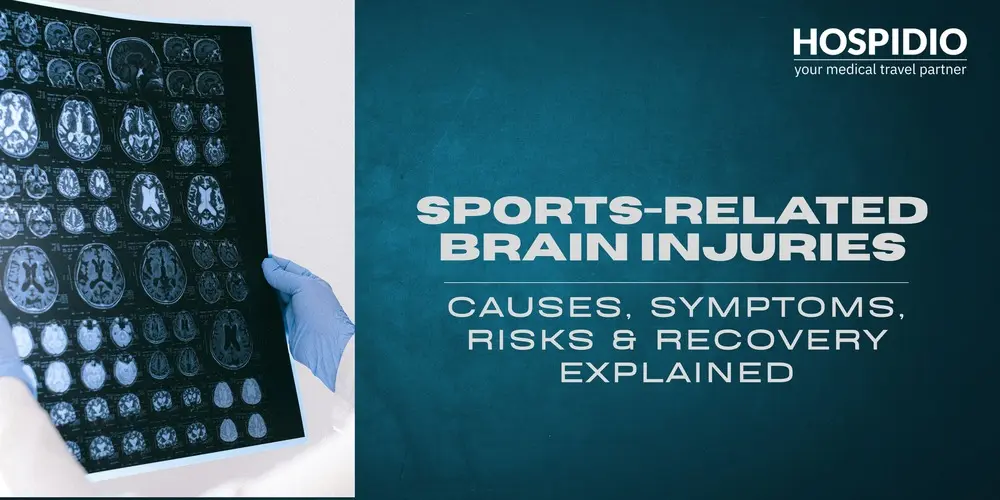
Sports are more than just games – they are passions, careers, and a source of joy and purpose for millions worldwide. From casual weekend players to professional athletes, engaging in sports supports both physical fitness and mental well-being, fostering discipline, teamwork, and resilience.
Yet, beneath the excitement of scoring a goal or hitting a home run, there is a hidden risk: brain injuries. These injuries can occur in any sport and may have short-term or long-term consequences. This makes it essential for athletes, coaches, parents, and healthcare professionals to understand the risks, recognize the signs, and take steps to prevent and manage them effectively.
What Are Sports-Related Brain Injuries?
According to Puget Sound Orthopedics, sports-related brain injuries occur when the brain experiences trauma due to impact, rapid movement, or sudden jolt during physical activity such as:
- Concussions: It is the most common type of brain injury. Brief disruptions in brain function caused by a hit, fall, or sudden jolt to the head. Symptoms can include headache, dizziness, confusion, or memory issues.
- Traumatic Brain Injury (TBI): More serious injuries that may involve structural damage to the brain, often requiring medical intervention.
- Subconcussive Impacts: Minor hits that may not produce immediate symptoms but can accumulate over time, potentially affecting long-term brain health.
- Contusions and Hematomas: Bruising or internal bleeding in the brain resulting from significant impacts, which can sometimes be life-threatening.
While contact sports such as football, hockey, and boxing carry higher risks, brain injuries can happen in any sport, including gymnastics, cycling, and even cheerleading. The consequences may be temporary or long-lasting, impacting memory, cognition, mood, and overall quality of life.
We Handle the Planning
You Focus on Recovery
From Medical Visa assistance to airport pick-up and local stay, HOSPIDIO manages your entire medical trip.
Tell Us About Your Need
Free case review. Confidential. No obligation.Signs and Symptoms
Recognizing brain injuries early is crucial for preventing further damage and ensuring proper recovery. Symptoms can appear immediately after an injury or may develop gradually over hours or even days. Prompt recognition allows athletes, coaches, and parents to take the necessary steps to seek medical evaluation and prevent complications.
Physical Symptoms
Physical symptoms are often the earliest warning signs of a brain injury. Individuals may experience a persistent headache or a sensation of pressure in the head, which often worsens with movement or physical activity. Dizziness and balance difficulties are also common, making it challenging to stand, walk, or coordinate movements. Nausea or vomiting may occur shortly after the injury, especially following a direct impact to the head. Visual disturbances such as blurred or double vision, along with heightened sensitivity to light or noise, can further signal that the brain has been affected and requires immediate attention.
Cognitive Symptoms:
Brain injuries can significantly impact an athlete’s thinking and memory, often leading to noticeable cognitive changes. Confusion or a feeling of being “foggy” is common, along with difficulty recalling plays or events that occurred during the game. Athletes may experience memory loss, both retrograde, affecting memories before the injury, and anterograde, impacting the ability to form new memories after it. Concentration and decision-making may also decline, resulting in slower reaction times. Additionally, many individuals struggle to process information as quickly as they typically would, which can interfere not only with sports performance but also with everyday tasks.
Emotional and Behavioral Symptoms
Mood and personality changes are frequently overlooked but are common after a brain injury. Athletes may become unusually irritable or experience sudden mood swings without a clear trigger. Anxiety or heightened nervousness can develop, particularly when they attempt to return to their sport. Some individuals may also experience depression or persistent feelings of sadness lasting for days or even weeks. Social behavior can shift as well, with athletes withdrawing from teammates, friends, or activities they once enjoyed, reflecting the emotional impact of the injury.
Sleep Disturbances
Sleep patterns are often disrupted following a brain injury, leading to noticeable changes in rest and energy levels. Many individuals struggle to fall asleep or remain asleep throughout the night, resulting in fragmented or poor-quality rest. Others may experience excessive sleepiness or persistent fatigue, even after what would normally be considered sufficient sleep. These disturbances can further complicate recovery and affect overall daily functioning.
Why Immediate Attention Matters
Even seemingly mild blows to the head should never be dismissed, as they can cause subtle damage that becomes more significant over time. When symptoms persist, intensify, or appear hours after the incident, they may be warning signs of a more serious underlying brain injury that requires prompt medical assessment. If left untreated, repeated or unrecognized injuries can compound, increasing the risk of long-term cognitive difficulties, emotional instability, chronic headaches, and other physical complications. Early recognition, adequate rest, and timely intervention from healthcare professionals are crucial not only for proper healing but also for preventing more severe, lasting consequences.
Why Athletes Are at Higher Risk of Brain Injuries
As per NIH, athletes are particularly vulnerable to brain injuries due to the nature of sports:
- High-impact collisions: Football tackles, hockey checks, and rugby scrums often involve strong physical contact.
- Repetitive subconcussive blows: Even minor hits repeated over time, such as heading a soccer ball, can accumulate brain damage.
- Speed and momentum: Sports involving rapid acceleration or sudden stops, like basketball or skiing, increase the risk of falls and head trauma.
- Inadequate protective gear: Helmets and mouthguards reduce risk but cannot prevent all injuries.
- High-Risk Playing Positions: Certain positions are more exposed to collisions or falls. For example, linemen in football or goalkeepers in soccer face frequent head impacts, making them more susceptible to brain injuries.
Interestingly, research indicates female athletes may experience symptoms 1.5 times longer than male athletes after similar impacts. Young athletes, whose brains are still developing, often take longer to recover from head injuries compared to adults. Their developing neural pathways can be more sensitive to trauma, and repeated concussions at a young age may have long-term implications on cognitive function, academic performance, and emotional regulation. Repeated concussions at a young age may have long-term implications on cognitive function, academic performance, and emotional regulation.
Long-Term Consequences of Brain Injuries
While many concussions resolve within a few weeks, repeated or severe injuries can lead to chronic problems, including:
- Post-Concussion Syndrome (PCS)Post-Concussion Syndrome occurs when concussion symptoms last longer than the typical recovery period, often weeks to several months. Athletes may continue to experience persistent headaches, dizziness, sensitivity to light or noise, and difficulty concentrating. These lingering symptoms can interfere with training, academic or professional tasks, and overall quality of life, making proper diagnosis and ongoing management essential.
- Chronic Traumatic Encephalopathy (CTE)Chronic Traumatic Encephalopathy is a progressive and degenerative brain disease linked to repeated head trauma. It is most commonly observed in athletes involved in high-impact sports such as football, boxing, hockey, and wrestling. CTE can develop years after the initial injuries and may lead to severe behavioral changes, mood disturbances, memory loss, and cognitive impairment. As there is currently no cure, prevention and early protection are critical.
- Mental Health IssuesAthletes with a history of brain injuries are at higher risk of developing mental health challenges. Depression, anxiety, irritability, and emotional instability may occur due to both the physical effects of brain trauma and the psychological stress of recovery. These issues can affect performance, relationships, motivation, and overall well-being, highlighting the need for integrated psychological support in post-injury care.
- Cognitive DeclineRepeated concussions or severe head injuries can lead to lasting cognitive changes. Athletes may struggle with memory difficulties, reduced attention span, slowed processing speed, and problems with executive functions such as planning, decision-making, and problem-solving. These changes can impact not only athletic performance but also academic achievement, career progression, and independent daily activities, making early management and prevention vital.
Of all the long-term consequences listed above, CTE has received significant media attention due to its association with long-term neurological decline and its tragic consequences in retired athletes.
Preventing Brain Injuries in Sports
Prevention is always better than cure. Sports organizations, coaches, and athletes can take several measures to minimize risk:
1. Education and Awareness Athletes, parents, and coaches should be educated about concussion signs, proper techniques, and the importance of reporting symptoms. Ignoring a concussion can exacerbate damage.
2. Proper Training and Technique Learning safe tackling, heading, and landing techniques reduces the likelihood of head trauma. Emphasizing form over force in training is critical.
3. Protective Equipment While no helmet can completely prevent brain injury, using certified, sport-specific helmets, mouthguards, and padding helps absorb impact forces. Regularly inspecting equipment for wear and tear is equally important.
4. Rule Changes and Enforcement Many sports have adopted rule changes to reduce dangerous play. For instance, youth football and hockey leagues now penalize helmet-to-helmet contact and illegal checks, significantly lowering risk.
5. Gradual Return to Play Athletes recovering from a concussion should follow a medically supervised return-to-play protocol. Rushing back increases the risk of second impact syndrome, a rare but potentially fatal condition.
Diagnosing and Treating Brain Injuries
Diagnosis typically involves a combination of clinical evaluation, symptom assessment, and imaging studies if needed. Key steps include:
- Neurological exams: Assess cognitive function, balance, reflexes, and memory.
- Imaging: CT scans or MRIs may be used to rule out structural damage in moderate to severe cases.
- Symptom tracking: Athletes may keep a diary to monitor headache intensity, sleep patterns, and concentration.
Treatment depends on severity:
- Mild concussions: Rest, gradual return to activities, and symptom monitoring.
- Moderate to severe injuries: Hospitalization may be necessary, along with medications to reduce swelling or manage symptoms.
- Rehabilitation: Physical therapy, occupational therapy, and cognitive exercises help restore function.
- Mental health support: Counseling and therapy may be required to address anxiety, depression, or mood changes.
It is important to note that each athlete recovers differently, and treatment should be individualized.
Emerging Research and Technology
Recent advances are changing how we approach brain injuries in sports:
- Impact-Monitoring DevicesModern wearable technology such as sensors embedded in helmets, headbands, and mouthguards, can measure the intensity, direction, and frequency of impacts during sports activities. These devices provide real-time data on forces that may increase the risk of concussion, helping coaches and trainers identify potentially dangerous hits even when athletes don’t report symptoms. By alerting teams to high-risk collisions, impact monitors play an important role in early detection, injury prevention, and safer return-to-play decisions.
- Neurocognitive Testing Digital neurocognitive tools are increasingly used to evaluate an athlete’s brain function before and after an injury. These apps measure key functions such as memory, attention, processing speed, and reaction time. Baseline testing allows clinicians to compare post-injury results to an athlete’s normal cognitive performance, making it easier to detect subtle impairments. Such tools support better diagnosis, track recovery progress, and guide safe timelines for returning to sports.
- Biomechanics ResearchAdvances in biomechanics help scientists understand how the brain responds to impact, including how force travels through the skull and how head movement contributes to injury risk. This research is shaping the design of safer helmets, better padding, and impact-resistant materials. By studying factors like rotational force, acceleration, and body position during collisions or falls, biomechanics experts aim to reduce both the incidence and severity of traumatic brain injuries in athletes.
- Genetic StudiesEmerging research suggests that genetics may influence why some athletes develop more severe brain injuries or take longer to recover than others. Scientists are investigating specific genes related to inflammation, brain repair, and resilience to trauma. Identifying genetic markers could one day help predict susceptibility to concussions, personalise treatment plans, and create tailored prevention strategies for high-risk individuals. Though still in early stages, this field holds promising potential for precision sports medicine.
These innovations provide hope for safer sports environments and better recovery outcomes.
Supporting Athletes After Injury
Recovery from a brain injury goes beyond physical healing. Athletes often face challenges related to identity, confidence, and career goals, as being sidelined can affect their sense of purpose and self-esteem. A strong support network is essential for effective recovery. Family members, coaches, medical professionals, and mental health counselors all play a vital role in guiding the athlete through both the physical and emotional aspects of healing.
Encouraging open communication about symptoms ensures that athletes feel heard and monitored properly. Providing alternative roles, such as mentoring teammates, assisting with strategy, or engaging in less physically demanding tasks, keeps them connected to their sport during recovery. A gradual, structured reintegration into training and competition, under medical supervision, not only supports physical rehabilitation but also helps rebuild confidence, motivation, and emotional resilience.
Final Thoughts
Sports will always involve risk – but with awareness, preparation, and proper care, brain injuries can be minimized. The thrill of scoring, the camaraderie of teammates, and the personal growth sports offer should not come at the expense of long-term brain health. Athletes, coaches, and families need to embrace a culture that prioritizes safety over pride. Reporting symptoms promptly, following return-to-play guidelines, and investing in education and protective equipment are simple yet powerful steps toward preserving both performance and well-being. Remember, a healthy brain ensures you can play today and enjoy life tomorrow.
References
- NIH
- Puget Sound Orthopedics
- Mayo Clinic
- American Association of Neurological Surgeons
Other Related Blogs


Recent Blogs



Frequently Asked Questions
The most common head injury in athletes is a concussion. Concussions occur when the brain moves rapidly inside the skull due to a hit, fall, or sudden change in motion. Symptoms may include headaches, dizziness, confusion, blurred vision, mood changes, or temporary memory loss. While most concussions resolve with proper rest and care, repeated injuries can have long-term consequences.
Currently, CTE has no known cure. It is a progressive degenerative brain condition linked to repeated head trauma, often seen in contact sport athletes. Researchers are exploring treatments to slow its progression and manage symptoms, but prevention—through minimizing head impacts and proper concussion management—is the most effective approach at this time.
Recovery time varies depending on the severity of the injury and individual factors. Most mild concussions resolve within 7–14 days, but some athletes may experience symptoms for weeks or months. Following a gradual, stepwise return-to-play protocol under medical supervision is essential to prevent reinjury or prolonged recovery.
Yes. Concussions can occur in non-contact sports such as gymnastics, cycling, skiing, or cheerleading, usually from falls, collisions with equipment, or sudden impacts, even without direct contact with another player.
Brain injuries can result from falls, road accidents, sports injuries, physical assaults, or medical conditions like strokes and infections.
Treatment depends on severity. Mild injuries may require rest and observation, while moderate to severe injuries could need medication, surgery, or rehabilitation therapies such as physiotherapy, occupational therapy, and cognitive therapy.
Sanjana Sharma is a certified diabetes educator with a solid academic background in nutrition and dietetics. Her qualifications include a BSc in Clinical Nutrition and Dietetics, an MSc in Foods and Nutrition from CCS University, a Diploma in Health and Education from IGNOU, and a certification from NDEP. Dedicated to helping patients manage their health through personalized care and education, she brings expertise and compassion to her work. Outside of counseling and writing, Sanjana loves staying updated with fashion trends, sharing corporate memes on Instagram, and, of course, thinking about food.
Guneet Bhatia is the Founder of HOSPIDIO and an accomplished content reviewer with extensive experience in medical content development, instructional design, and blogging. Passionate about creating impactful content, she excels in ensuring accuracy and clarity in every piece. Guneet enjoys engaging in meaningful conversations with people from diverse ethnic and cultural backgrounds, enriching her perspective. When she's not working, she cherishes quality time with her family, enjoys good music, and loves brainstorming innovative ideas with her team.