
Liver failure is a growing global health concern, affecting nearly 2 million people worldwide every year. Despite its severity, access to timely and affordable treatment remains a challenge in many countries. India, however, has emerged as a global leader in liver care—performing nearly 20% of the world’s liver transplants at almost one-tenth the cost of Western nations, while maintaining excellent clinical outcomes. This unique combination of expertise, affordability, and advanced infrastructure has made India a beacon of hope for patients battling liver failure.
We Handle the Planning
You Focus on Recovery
From Medical Visa assistance to airport pick-up and local stay, HOSPIDIO manages your entire medical trip.
Tell Us About Your Need
Free case review. Confidential. No obligation.Liver failure occurs when the liver loses its ability to function properly and can be classified into two main types: acute liver failure, which develops suddenly within days or weeks in previously healthy individuals, and chronic liver failure, which progresses gradually over months or years due to long-term liver damage. Both forms are life-threatening, but early detection can significantly improve survival and recovery.
The key lies in recognizing the warning signs early. Symptoms such as fatigue, jaundice, swelling, and confusion are often overlooked until the condition becomes critical. Spotting liver failure symptoms early can save lives—and recovery can be both effective and affordable in India.
This blog explores the signs and symptoms of liver failure, its common causes, available treatment options in India, preventive strategies, and most importantly, the hope for recovery through timely medical intervention.
Helpful: Best Surgical Oncology Doctors In India
What is Liver Failure?
Liver failure is a serious medical condition that occurs when the liver can no longer perform its vital functions effectively. The liver is one of the most hardworking organs in the body, responsible for filtering toxins from the blood, producing proteins needed for blood clotting, aiding digestion through bile production, and regulating metabolism. When these functions begin to shut down, the consequences can be life-threatening without prompt treatment.
There are two main types of liver failure: acute and chronic, each differing in onset, causes, and progression.
Acute liver failure develops rapidly—often within days to weeks—in people who previously had a healthy liver. It is commonly triggered by viral hepatitis (especially hepatitis A, B, or E), drug toxicity (such as excessive paracetamol/acetaminophen use), poisonous substances, or severe infections. Because symptoms escalate quickly, acute liver failure is a medical emergency requiring immediate hospitalization.
Chronic liver failure, on the other hand, progresses slowly over months or years. It is usually the end stage of long-standing liver disease, most commonly cirrhosis, caused by chronic alcohol use, hepatitis B or C infection, fatty liver disease, or autoimmune conditions. In chronic failure, the liver gradually loses healthy tissue and is replaced by scar tissue, permanently impairing its function.
As liver failure advances, the body loses critical abilities:
Detoxification of harmful substances from the blood
Blood clotting, increasing the risk of bleeding
Bile production, leading to digestive problems and nutrient deficiencies
For a clearer understanding of how liver detoxification really works—and to separate facts from popular misconceptions—read our detailed guide on common liver detox myths.
Early & Advanced Symptoms of Liver Failure
Liver failure does not occur overnight. In many cases, the condition develops gradually, with early symptoms that are subtle and often dismissed as routine health problems. Recognizing these warning signs—before the disease progresses to advanced stages—can be life-saving and may prevent irreversible liver damage.
Early Signs of Liver Failure (Subtle, Often Ignored)
One of the earliest and most common symptoms of liver failure is persistent fatigue. As the liver loses its ability to detoxify the blood and regulate energy metabolism, patients may feel exhausted even after adequate rest. This is frequently accompanied by nausea and loss of appetite, resulting from impaired bile production and poor digestion.
Many individuals also experience unexplained appetite loss, early fullness, or mild abdominal discomfort. Over time, this can lead to unintended weight loss and nutritional deficiencies.
Mild jaundice is another early indicator. It may present as a slight yellowing of the skin or the whites of the eyes due to a buildup of bilirubin. In early stages, jaundice can be subtle and easily overlooked. Along with this, itchy skin (pruritus) without a visible rash is common, caused by bile salts accumulating beneath the skin.
Advanced Symptoms of Liver Failure (Urgent Warning Signs)
As liver damage worsens, symptoms become severe and demand immediate medical attention. Severe jaundice becomes more pronounced, and ascites, or fluid accumulation in the abdomen, causes visible swelling and discomfort. Patients may also notice easy bruising or prolonged bleeding due to reduced clotting factor production.
A critical advanced complication is hepatic encephalopathy, which leads to confusion, forgetfulness, personality changes, and excessive sleepiness. Dark-colored urine and pale stools reflect worsening bile obstruction. In men, hormonal imbalance may cause gynecomastia, or enlargement of breast tissue.
Identifying these symptoms early and seeking timely treatment can significantly improve outcomes and open pathways to effective therapies or liver transplantation.
Helpful: Best HPB Surgery Hospitals in India
Primary Causes of Liver Failure
Liver failure can result from a wide range of causes, broadly classified into acute and chronic, with certain factors being particularly relevant in the Indian context.
Acute Causes of Liver Failure
In India, viral hepatitis remains the leading cause of acute liver failure. Hepatitis A and Hepatitis E are especially common due to contaminated food and water, and outbreaks are frequently reported during monsoon seasons. These infections can rapidly overwhelm the liver, even in previously healthy individuals.
Another major contributor is paracetamol (acetaminophen) overdose, often due to self-medication or combining multiple painkillers unknowingly. Toxic injury from poisonous substances, such as wild mushrooms and agricultural rodenticides, is also a significant cause in rural areas, where access to emergency care may be delayed.
Chronic Causes of Liver Failure
Chronic liver failure typically develops after years of ongoing liver damage. Alcohol-related liver disease remains a dominant cause in India, particularly among middle-aged men. Non-alcoholic fatty liver disease (NAFLD) is rising rapidly due to increasing rates of diabetes, obesity, and sedentary lifestyles, making it one of the fastest-growing causes of cirrhosis.
Chronic Hepatitis B and Hepatitis C infections continue to contribute significantly, especially when untreated. Less common but important causes include autoimmune hepatitis and Wilson’s disease, a genetic disorder causing copper accumulation in the liver.
| Cause | Approx. % in India | Prevention |
| Viral Hepatitis (A/E/B/C) | 35–40% | Vaccination, hygiene, screening |
| Alcohol-related disease | 25–30% | Alcohol moderation/cessation |
| NAFLD | 15–20% (rising) | Weight control, diabetes management |
| Drugs & toxins | 5–10% | Safe medication use, poison awareness |
| Genetic/autoimmune | <5% | Early diagnosis, lifelong care |
Helpful: Liver Cancer Treatment Cost in India
Diagnosis of Liver Failure in India
Early and accurate diagnosis is critical in managing liver failure and improving survival. In India, diagnosis typically begins with a combination of blood tests, imaging, and specialized investigations, often available rapidly at advanced centers.
Diagnostic Tests for Liver Failure
The first step involves Liver Function Tests (LFTs), which measure enzymes such as ALT and AST, along with bilirubin levels. Elevated enzymes indicate liver injury, while high bilirubin levels explain symptoms like jaundice. INR (International Normalized Ratio) is another key test, assessing blood clotting ability and reflecting liver synthetic function.
Imaging studies such as ultrasound, CT scan, or MRI help evaluate liver size, structure, blood flow, and complications like ascites or tumors. In selected cases, a liver biopsy may be performed to identify the exact cause and stage of liver disease.
India’s Diagnostic Advantage
India offers a significant advantage in terms of speed, quality, and affordability. Internationally accredited laboratories and hospitals—such as Apollo Hospitals, Fortis Hospitals and MAX Hospitals —operate JCI-accredited labs capable of delivering comprehensive liver test results within hours, not days.
Diagnostic packages in India typically cost USD 50–200, compared to USD 1,000 or more abroad, without compromising accuracy or standards. This rapid, cost-effective diagnosis allows patients—especially international travelers—to begin treatment or transplant evaluation without delay.
Treatment Pathways for Liver Failure
Treatment for liver failure depends on whether the condition is acute, chronic, or end-stage, as well as the underlying cause and severity. India follows globally accepted treatment protocols while offering advanced therapies at significantly lower costs, making it a preferred destination for liver care.
Supportive Treatment for Acute Liver Failure
Acute liver failure is a medical emergency, and treatment focuses on stabilizing the patient and reversing the cause wherever possible. In cases caused by paracetamol (acetaminophen) overdose, the antidote N-acetylcysteine (NAC) is administered intravenously to limit liver damage and improve survival. Early initiation is critical for effectiveness.
Patients are closely monitored in intensive care units and supported with IV fluids, electrolyte correction, glucose control, and nutritional support. If toxins accumulate rapidly, advanced liver support systems such as MARS (Molecular Adsorbent Recirculating System) dialysis may be used to temporarily filter toxins from the blood while the liver recovers or until transplantation is possible.
When viral hepatitis is the trigger, antiviral medications—especially for hepatitis B—are initiated to suppress viral replication and reduce ongoing liver injury.
Treatment of Chronic Liver Failure
Chronic liver failure requires long-term, cause-specific management to slow disease progression and prevent complications. For alcohol-related liver disease, complete sobriety is the cornerstone of treatment and can significantly improve outcomes. In patients with non-alcoholic fatty liver disease (NAFLD), lifestyle modification combined with medications such as statins (when appropriate) helps control metabolic risk factors like diabetes and obesity.
Management also focuses on treating complications of cirrhosis. Diuretics are prescribed to control ascites and leg swelling, while medications like lactulose help prevent hepatic encephalopathy. In selected patients with portal hypertension and recurrent bleeding, procedures such as TIPS (Transjugular Intrahepatic Portosystemic Shunt) may be recommended.
End-Stage Liver Failure: Transplantation
For patients with irreversible liver damage, liver transplantation remains the definitive treatment. India has emerged as a global leader in this field, with success rates approaching 95% in well-selected patients. The cost of liver transplant in India typically ranges between USD 20,000–30,000, a fraction of Western expenses.
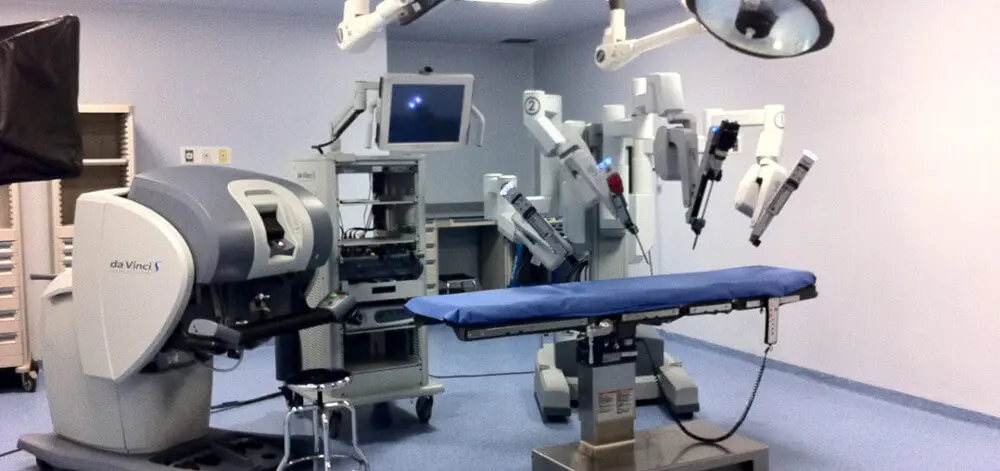
Advanced centers now employ robotic and minimally invasive transplant techniques, improving precision, reducing complications, and enabling faster recovery. For many patients, transplantation in India represents not just treatment—but a second chance at life.
Prevention Strategies for Liver Failure
Liver failure is often preventable when risk factors are identified early and addressed consistently. Simple, evidence-based preventive measures can significantly reduce the risk of both acute and chronic liver damage.
One of the most effective strategies is vaccination against Hepatitis A and Hepatitis B, which protects against two major viral causes of liver failure in India. These vaccines are safe, widely available, and strongly recommended for children, healthcare workers, travelers, and individuals with chronic medical conditions.
Alcohol moderation or complete avoidance plays a critical role in prevention. Even moderate but prolonged alcohol consumption can lead to fatty liver, hepatitis, and eventually cirrhosis. Similarly, the judicious use of medications, especially NSAIDs and paracetamol, is essential. Self-medication and exceeding recommended doses are common causes of acute liver injury and should be avoided.
Maintaining a healthy weight is increasingly important due to the rapid rise of non-alcoholic fatty liver disease (NAFLD). Studies show that losing just 7–10% of body weight through diet and regular physical activity can reverse early liver damage, reduce inflammation, and prevent progression to cirrhosis—especially in patients with obesity or diabetes.
Regular monitoring is equally vital. Annual Liver Function Tests (LFTs) are advised for individuals at higher risk, including those with diabetes, obesity, alcohol use, viral hepatitis, or long-term medication use. Early abnormalities often appear in blood tests well before symptoms develop.
Helpful: Best Surgical Oncology Hospitals in India
Why India for Liver Failure Recovery?
India has become one of the world’s most trusted destinations for liver failure recovery, combining high clinical expertise, shorter wait times, and affordable care. Today, leading Indian transplant centers collectively perform 5,000+ liver transplants every year, giving surgeons unmatched experience across complex and high-risk cases.
One of the biggest advantages is speed. While patients in many Western countries face waiting periods of months or even years for a suitable donor, India often offers evaluation and transplant within 2–3 weeks, especially for living-donor procedures. This faster access can be life-saving for patients with rapidly progressing liver failure.
India’s top hospitals—such as Apollo Hospitals, Fortis Hospitals & MAX Hospitals—combine globally trained transplant teams, advanced ICUs, robotic-assisted surgery, and internationally accredited labs under one roof. Outcomes match or exceed global benchmarks.
Recovery in India also takes a holistic approach. Alongside cutting-edge medical treatment, patients benefit from personalized nutrition plans, physiotherapy, yoga, and stress management, all of which support liver regeneration and long-term health.
As one international patient shared: “I saved nearly 80% of the cost compared to my home country—and today, I’m fully recovered and back to normal life.” For many, India offers not just affordability, but renewed hope.
Helpful: Best Hepato-Pancreato-Biliary Surgery Doctors In India
Conclusion
Liver failure is serious—but early action can change outcomes dramatically. Recognizing symptoms quickly and choosing the right treatment pathway can mean the difference between irreversible damage and recovery. India stands out by offering advanced liver care, world-class transplant success, and compassionate support—at a fraction of global costs.
Whether the condition is reversible in early stages through lifestyle changes or requires advanced intervention like transplantation, timely care is critical. India provides both urgency and excellence under one system.
If you or a loved one is facing liver disease, don’t wait. Get a FREE personalized quote for liver failure treatment or transplant in India and connect with top specialists today.



References:
Recent Blogs





Sasmita Bal is a Digital Marketing and Content Specialist at HOSPIDIO with expertise in SEO and international healthcare content. She reviews published material to ensure it is optimized for search visibility and relevant to the needs of international patients seeking treatment in India. All content she reviews is authored and clinically approved by the Founder of HOSPIDIO and relevant medical specialists prior to publication.
Guneet Bhatia is the Founder of HOSPIDIO and an accomplished content reviewer with extensive experience in medical content development, instructional design, and blogging. Passionate about creating impactful content, she excels in ensuring accuracy and clarity in every piece. Guneet enjoys engaging in meaningful conversations with people from diverse ethnic and cultural backgrounds, enriching her perspective. When she's not working, she cherishes quality time with her family, enjoys good music, and loves brainstorming innovative ideas with her team.