
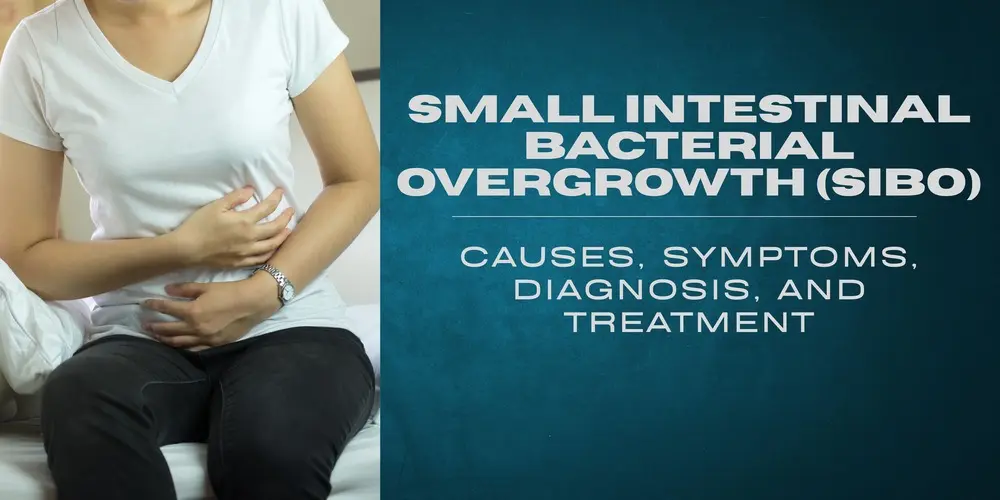
Persistent bloating, excessive gas, abdominal discomfort, and a feeling of heaviness after meals are problems many people silently struggle with on a daily basis. These symptoms often continue even after switching to a healthy diet, avoiding processed foods, and making lifestyle changes. When digestive issues linger without clear explanations, they can become frustrating, confusing, and emotionally draining.
Many individuals are told that their symptoms are due to stress, anxiety, or poor eating habits. Others are reassured that bloating and gas are normal and something they must learn to live with. As a result, the real underlying cause often goes undetected, delaying proper diagnosis and effective treatment.
One commonly overlooked cause of ongoing digestive discomfort is Small Intestinal Bacterial Overgrowth, commonly known as SIBO. SIBO is a genuine medical condition in which excessive bacteria grow in the small intestine, an area that normally contains only a small number of microorganisms. This bacterial imbalance interferes with digestion and nutrient absorption, leading to persistent symptoms that do not improve with routine dietary changes.
SIBO is far more common than most people realize. It is not imagined, and it is not simply the result of stress or unhealthy food choices. Without proper recognition, many people continue to suffer for months or even years without understanding why their digestive health is not improving.
This blog begins by addressing this often-missed problem and then offers a clear, easy-to-understand explanation of SIBO. It explains what SIBO is, why it develops, how it affects the body, how it is diagnosed, and what the recovery journey typically looks like. By understanding the root cause of persistent digestive symptoms, readers can better identify their condition and take informed steps toward proper treatment and long-term gut health.
We Handle the Planning
You Focus on Recovery
From Medical Visa assistance to airport pick-up and local stay, HOSPIDIO manages your entire medical trip.
Tell Us About Your Need
Free case review. Confidential. No obligation.What Is SIBO?
SIBO is a digestive disorder that occurs when an excessive amount of bacteria grows in the small intestine, an area that should normally contain very few bacteria. This imbalance in gut bacteria can interfere with digestion and nutrient absorption, leading to persistent digestive discomfort. While bacteria in the gut play a vital role in maintaining gut health, their location matters. The large intestine (colon) is meant to house trillions of bacteria, whereas the small intestine is designed for digestion and nutrient absorption, not bacterial fermentation.
In people with SIBO, bacteria migrate from the large intestine or multiply excessively in the small intestine. These bacteria begin fermenting food, especially carbohydrates, too early in the digestive process. This premature fermentation leads to excess gas production, resulting in common SIBO symptoms such as bloating, abdominal pain, diarrhea, constipation, and impaired nutrient absorption. SIBO is commonly linked to a range of digestive symptoms, including persistent bloating and excessive gas, abdominal discomfort or cramping, changes in bowel habits such as diarrhea, constipation, or a mix of both, and nutrient deficiencies in more severe or long-standing cases.
Identifying SIBO as a potential underlying cause of ongoing digestive issues is an important first step toward proper diagnosis and targeted treatment.
Common Symptoms of SIBO
SIBO symptoms can vary widely from one person to another, which is one of the main reasons the condition is frequently misunderstood or misdiagnosed. While some people experience obvious digestive discomfort, others may have subtle or non digestive symptoms that seem unrelated to the gut. Because of this wide range of presentations, SIBO is often mistaken for irritable bowel syndrome, acidity, food intolerance, or even anxiety.
| Symptom Category | Common Symptoms | Description |
| Digestive Symptoms | Persistent bloating | Bloating that worsens after meals and does not improve despite dietary changes |
| Digestive Symptoms | Excessive gas or belching | Frequent gas production caused by bacterial fermentation in the small intestine |
| Digestive Symptoms | Abdominal pain or cramps | Discomfort or pain after eating, ranging from mild to severe |
| Digestive Symptoms | Diarrhea | Loose or frequent stools due to disrupted digestion |
| Digestive Symptoms | Constipation | Slow bowel movements caused by altered gut motility |
| Digestive Symptoms | Alternating diarrhea and constipation | Unpredictable bowel habits often mistaken for IBS |
| Digestive Symptoms | Feeling overly full after small meals | Early satiety due to impaired digestion and gas buildup |
| Non Digestive Symptoms | Fatigue | Persistent low energy levels linked to poor nutrient absorption |
| Non Digestive Symptoms | Brain fog | Difficulty concentrating, mental fatigue, or unclear thinking |
| Non Digestive Symptoms | Vitamin B12 deficiency | May occur when bacterial overgrowth interferes with normal vitamin B12 availability |
| Non Digestive Symptoms | Iron deficiency anemia | Reduced iron absorption that may lead to weakness, dizziness, and low hemoglobin |
| Non Digestive Symptoms | Unexplained weight loss | Weight changes that may occur due to poor digestion and reduced nutrient absorption |
| Non Digestive Symptoms | Unexplained weight gain | Some people may gain weight due to gut imbalance and changes in appetite or metabolism |
| Non Digestive Symptoms | Skin issues | Acne, rashes, or eczema that may worsen with ongoing gut inflammation |
| Non Digestive Symptoms | Anxiety or low mood | Emotional symptoms that may be linked to gut discomfort and the gut brain connection |
Recognizing this wide range of symptoms is an important step toward proper diagnosis and treatment. Understanding that SIBO can affect both digestive and overall health helps explain why many people struggle for so long before receiving accurate answers.
SIBO Symptoms and Clinical Red Flags by Age Group
| Age Group | Common SIBO Symptoms | Why It Is Often Missed | Clinical Red Flags (Require Medical Evaluation) |
| Children; Adolescents (10–18 years) | Frequent stomach aches, bloating after meals, poor appetite, irregular bowel movements, fatigue | Symptoms are often attributed to diet habits, stress, school pressure, or a sensitive stomach | Poor growth or delayed puberty, recurrent iron or vitamin deficiencies, persistent fatigue affecting school performance, unexplained weight loss, chronic abdominal pain |
| Young Adults (20–40 years) | Bloating, gas, abdominal pain, diarrhea, constipation, alternating bowel habits | Commonly misdiagnosed as IBS, food intolerance, acidity, or stress-related gut issues | Symptoms not responding to IBS treatment, nutrient deficiencies (B12 or iron), unintentional weight changes, worsening symptoms despite a healthy diet, post-meal bloating within 30–60 minutes |
| Middle-Aged Adults (40–60 years) | Persistent bloating, fatigue, acid reflux, food intolerance, irregular bowel movements | Symptoms overlap with hormonal changes, metabolic disorders, or medication side effects | New-onset digestive symptoms, anemia, unexplained fatigue, multiple nutrient deficiencies, increasing food intolerance, long-term use of acid suppressants or antibiotics |
| Older Adults (60 years and above) | Chronic constipation, bloating, weakness, reduced appetite, weight loss | Often mistaken for age-related digestion changes or normal aging | Unexplained weight loss, malnutrition, anemia, muscle weakness, frequent hospitalizations, worsening constipation or diarrhea, decline in functional status |
Why These Red Flags Matter
SIBO is a medically recognized condition that can lead to significant nutritional deficiencies, systemic symptoms, and reduced quality of life if left untreated. Certain symptoms, especially those listed as clinical red flags, suggest more advanced bacterial overgrowth or underlying motility and absorption disorders.
Early recognition of age-specific red flags improves diagnostic accuracy and prevents long-term complications such as chronic malnutrition, anemia, neurological symptoms, and recurrent gastrointestinal distress.
SIBO Causes and Risk Factors
SIBO doesn’t just appear out of nowhere. It often develops when the delicate balance of your gut is disrupted or when the small intestine’s natural defenses start to falter. Imagine your gut as a carefully organized kitchen: when everything is in place, meals get prepared efficiently, and the cleanup happens on schedule. But if too many “helpers” show up in the wrong room, chaos ensues.
Here are some everyday scenarios that can tip the balance toward SIBO:
Structural changes or surgeries
Procedures like gastric bypass, bowel resection, or other abdominal surgeries can change the way food moves through the digestive tract, altering its natural flow and rhythm. When food moves more slowly or in some cases, too quickly certain areas of the small intestine can become like quiet cul-de-sacs where bacteria linger and multiply. Over time, these pockets of overgrowth can cause bloating, cramping, and unpredictable digestion. Even months or years after surgery, someone might notice that meals that were once easy to tolerate now trigger discomfort, gas, or irregular bowel habits. The gut has essentially been rerouted, and while the surgery solved one problem, it can inadvertently create the perfect environment for bacterial overgrowth if the small intestine’s natural defenses aren’t able to keep up.
Slowed gut motility
Conditions such as diabetes, hypothyroidism, or scleroderma can slow down the natural movement of the intestines, a process known as gut motility. Normally, food moves steadily through the small intestine, giving the body just enough time to extract nutrients before passing the remnants along. But when this rhythm is disrupted, food can linger longer than it should, almost like traffic stuck in a slow-moving lane. This creates a perfect opportunity for bacteria to multiply in a place where they aren’t supposed to be. Over time, this overgrowth can trigger bloating, cramping, unpredictable bowel habits, and even subtle nutrient deficiencies. For someone living with these conditions, it may feel as if their gut has become unreliable, turning meals that were once easy and comforting into sources of discomfort and frustration.
Immune system issues
A weakened immune system whether from chronic illness, certain medications like immunosuppressants or long-term antibiotics, or simply the effects of aging can make it harder for your gut to keep bacterial growth in check. Under normal circumstances, the body has multiple defense mechanisms that regulate where bacteria should and shouldn’t thrive. When the immune system is compromised, these checks and balances weaken, allowing bacteria to settle and multiply in the small intestine more easily. For someone experiencing this, it can feel like the gut is suddenly unpredictable: foods that used to be fine now trigger bloating, gas, or discomfort, and digestive recovery after meals takes longer. Over time, this imbalance doesn’t just affect digestion, it can subtly influence energy levels, nutrient absorption, and overall wellness, creating a cycle that’s frustratingly hard to break without intervention.
Digestive enzyme deficiencies
If your body isn’t producing enough stomach acid or digestive enzymes, food isn’t broken down properly, leaving larger, undigested particles lingering in the small intestine. These particles act like a buffet for bacteria, giving them extra fuel to ferment prematurely. Instead of nutrients being absorbed efficiently, this early fermentation creates gas, bloating, and pressure, often shortly after meals. Over time, this can lead to discomfort that feels unpredictable. One day a simple meal passes without issue, the next day the same food triggers bloating or cramping. The ripple effects can go beyond digestion too: poorly absorbed nutrients may contribute to fatigue, weight changes, or deficiencies in vitamins and minerals. Essentially, when the gut’s “kitchen” isn’t functioning fully, bacteria can take over parts of the small intestine that were meant to be off-limits, setting the stage for SIBO to develop.
Diet and lifestyle factors
High-sugar diets, frequent antibiotic use, or prolonged stress can quietly disrupt the delicate balance of the gut microbiome, sometimes tipping the scale toward bacterial overgrowth. Sugar and refined carbohydrates feed bacteria and yeast, encouraging them to multiply faster than the body can control. Antibiotics, while lifesaving when needed, don’t discriminate; they can wipe out beneficial bacteria along with harmful ones, leaving space for opportunistic bacteria to settle in the small intestine. Chronic stress adds another layer, slowing digestion, altering gut motility, and affecting the immune system’s ability to keep bacterial growth in check. Over time, these lifestyle and dietary factors create a perfect storm: the small intestine becomes a more welcoming environment for bacteria, leading to bloating, irregular bowel habits, and the frustrating, unpredictable symptoms that define SIBO.
It’s important to understand that SIBO is rarely caused by just one factor. Often, it’s a combination of structural, medical, and lifestyle influences that allow bacteria to settle where they shouldn’t. By knowing the causes and risk factors, you can start to see why SIBO isn’t “all in your head.” It’s a physiological condition with identifiable triggers and the first step toward recovery is recognizing what may have set the stage.
Why is SIBO Often Mistaken for IBS?
Because SIBO and IBS share many symptoms, SIBO is frequently misdiagnosed as IBS. However, treating IBS without addressing underlying SIBO may lead to incomplete or temporary symptom relief. Recognizing the differences allows for more accurate diagnosis, targeted treatment, and better long-term outcomes.
Imagine this scenario:
You’ve been to the doctor multiple times. Blood tests, scans, and ultrasounds all come back normal. You’re told it’s stress, a sensitive gut, or “just IBS.” You start tracking your meals, avoiding trigger foods, trying probiotics, and following general gut-health advice but the relief is temporary or minimal. You’re left wondering if it’s your diet, your lifestyle, or something more.
SIBO often hides behind this mask because:
- SIBO doesn’t show up on routine tests: Common blood work, scans, and ultrasounds are often normal, giving the impression that nothing is physically wrong.
- The symptoms look familiar: Bloating, gas, bowel changes, and discomfort mirror IBS so closely that SIBO rarely stands out as a separate possibility.
- Symptoms come and go: Some days feel manageable, others overwhelming, with no obvious trigger. This inconsistency can confuse both the person experiencing it and the clinician trying to diagnose it.
- Temporary relief creates false reassurance: Dietary tweaks or standard IBS medications may ease symptoms for a short while, masking the deeper issue rather than resolving it.
For those living with it, this can feel isolating like your body is betraying you, and no one can explain why. Recognizing SIBO requires looking beyond labels, understanding the timing and triggers of symptoms, and sometimes using specialized tests to reveal what’s really happening in the small intestine. The following table lists down the important differences between SIBO and IBS.
SIBO vs. IBS
| Feature | SIBO (Small Intestinal Bacterial Overgrowth) | IBS (Irritable Bowel Syndrome) |
| What it is | A specific medical condition caused by excessive bacteria in the small intestine | A functional gastrointestinal disorder with no single identifiable cause |
| Type of diagnosis | Measurable and test-based diagnosis | Diagnosis of exclusion |
| Underlying cause | Bacterial overgrowth disrupting digestion and nutrient absorption | Multifactorial, involving gut sensitivity, brain-gut interaction, motility changes, and stress |
| Primary symptoms | Bloating, gas, abdominal pain, diarrhea, constipation, early fullness | Bloating, abdominal pain, diarrhea, constipation, or mixed bowel habits |
| Timing of bloating | Often occurs soon after eating, typically within 30 to 90 minutes | Can occur at any time and is not consistently meal-related |
| Nutrient deficiencies | Common, especially vitamin B12, iron, and fat-soluble vitamins | Rare |
| Weight changes | Unexplained weight loss or gain may occur | Weight changes are uncommon |
| Response to diet changes | Temporary or partial relief, symptoms often return | Many patients improve with dietary modification |
| Response to probiotics | May worsen symptoms in some cases | Often helpful for symptom management |
| Diagnostic testing | Hydrogen and methane breath tests | No definitive test |
| Treatment approach | Targeted antibiotics, herbal antimicrobials, motility support, dietary management | Symptom-based management including diet, stress reduction, and medications |
| Long-term outcome | Symptoms improve significantly when bacterial overgrowth is treated | Chronic condition with symptom management focus |
We Handle the Planning
You Focus on Recovery
From Medical Visa assistance to airport pick-up and local stay, HOSPIDIO manages your entire medical trip.
Tell Us About Your Need
Free case review. Confidential. No obligation.Diagnosis and Treatment of SIBO
SIBO requires targeted testing because its symptoms closely resemble those of other functional and inflammatory digestive disorders. Routine blood tests and imaging are often normal, making specific diagnostic tools essential. The following are the two tests usually used for the diagnosis of SIBO:
- Hydrogen and methane breath testing: The hydrogen breath test is the most commonly used diagnostic method. This non-invasive test measures hydrogen and methane gases in the breath after ingestion of a sugar substrate, typically lactulose or glucose.A rise of 20 parts per million or more in hydrogen within 90 minutes, or methane levels exceeding 10 ppm at any point, is considered indicative of SIBO.
- Small intestinal aspirate culture: Although less commonly performed due to its invasive nature and higher cost, small intestinal aspirate culture is considered the diagnostic gold standard. A bacterial concentration exceeding 1000 colony forming units per milliliter confirms the presence of bacterial overgrowth in the small intestine.
Effective SIBO management requires an integrated and individualized approach that addresses both bacterial overgrowth and underlying contributing factors.
Medications
For most people, antibiotics are the first line of treatment for bacterial overgrowth. Doctors may start antibiotics based on symptoms and medical history alone, even if test results are unclear or testing has not been done. If symptoms do not improve, further testing may be recommended. A short course of antibiotics often reduces the excess bacteria and improves symptoms. However, symptoms can return once treatment stops, so some patients may require repeat or long-term therapy. While some individuals can go long periods without antibiotics, others may need them at regular intervals. To reduce the risk of antibiotic resistance and side effects, doctors may rotate different antibiotics. Because antibiotics affect both harmful and beneficial gut bacteria, side effects such as diarrhea can occur. Using different medications and adjusting treatment plans helps minimize these effects and improve long-term outcomes.
Recurrence Management
Successful initial treatment does not always guarantee long term relief. According to NCBI, approximately 50% of patients experience recurrence after antibiotic therapy.Early recurrences within three months are often managed with a repeat antibiotic course, while later recurrences usually require retesting before further treatment is initiated.
Dietary Modifications
Diet plays a supportive role alongside medical therapy and is tailored to symptom severity and tolerance. Common strategies include:
- Low FODMAP diet, which limits fermentable carbohydrates that fuel bacterial fermentation.
- Elemental diet, a liquid nutrition approach that is absorbed rapidly in the upper gut before bacteria can metabolize it.
- Meal spacing, allowing at least three hours between meals to support normal gut motility and bacterial clearance.
Correction of Nutritional Deficiencies
SIBO is frequently associated with malabsorption, making assessment and correction of nutrient deficiencies essential. Supplementation may be required for vitamins A, B12, D, and E, as well as calcium and magnesium.All supplementation and dietary changes should be guided by a healthcare professional to avoid creating new nutritional imbalances.
Living With SIBO: What Daily Life and Food Choices Look Like
Living with SIBO often means becoming more aware of your body than you ever planned to be. Meals are no longer just about hunger or enjoyment. They become moments of observation, where you notice how your gut responds, how long symptoms take to appear, and which foods feel safe on certain days. Daily life with SIBO is rarely predictable. Some mornings begin comfortably, while others start with bloating before breakfast. Energy levels can fluctuate, making it harder to plan work, travel, or social events. Many people learn to build flexibility into their routines, choosing smaller meals, eating at regular intervals, and avoiding long gaps or constant snacking. Food choices tend to shift from rigid rules to gentle structure over time.
During active symptoms or treatment, simpler meals often feel better tolerated. Foods that are easy to digest, freshly prepared, and lower in fermentable carbohydrates may reduce discomfort. As symptoms improve, foods are slowly reintroduced, one at a time, allowing the gut to adapt without becoming overwhelmed. Eating out can feel challenging. Uncertainty around ingredients, cooking methods, and portion sizes often leads people to choose familiar meals or eat at home more often. This is not about restriction, but about preserving comfort and confidence. With time and symptom stability, many people regain the freedom to enjoy shared meals again.
When to Seek Medical Help with SIBO?
While many people learn to manage SIBO symptoms over time, there are moments when medical support is essential. Digestive discomfort should never be something you feel pressured to tolerate or normalize, especially when symptoms begin to change or worsen. It is important to seek medical advice if symptoms return soon after treatment or progressively worsen despite following a treatment plan. Recurring bloating, persistent diarrhea or constipation, unexplained weight loss, or increasing fatigue may signal a relapse or an unresolved underlying cause.
New or alarming symptoms should always be evaluated. These include severe abdominal pain, vomiting, blood in stools, anemia, or signs of significant nutrient deficiency such as hair loss, dizziness, or tingling sensations. These symptoms may not be directly related to SIBO and require prompt assessment. Ongoing dependence on restrictive diets is another reason to seek guidance. If food choices continue to feel limited months after treatment, a healthcare professional can help reassess gut function, nutritional status, and recovery progress to prevent long term deficiencies.
Regular follow up is especially important for people with conditions that increase the risk of recurrence, such as diabetes, connective tissue disorders, or previous intestinal surgery. Early intervention can prevent symptoms from becoming entrenched and harder to treat.
Common Myths About SIBO
SIBO is surrounded by misconceptions that can delay diagnosis or complicate recovery. Clearing up these myths helps create realistic expectations and healthier approaches to treatment.
- One common myth is that SIBO is rare. In reality, it is increasingly recognized in people with unexplained bloating, IBS like symptoms, and digestive distress, particularly when symptoms do not respond to standard treatments.
- Another misconception is that SIBO can be cured permanently with a single course of antibiotics. While treatment can be highly effective, recurrence is common if underlying factors such as impaired gut motility or medication use are not addressed.
- Many believe that probiotics always help SIBO. In some cases, certain probiotics may worsen symptoms by adding to bacterial load in the small intestine. Their use should be individualized rather than assumed to be beneficial.
- There is also the belief that long term restrictive diets are the solution. While temporary dietary adjustments can ease symptoms, prolonged restriction can weaken nutritional status and gut resilience, making recovery more difficult rather than easier.
- Finally, SIBO is sometimes dismissed as stress related or imagined. This overlooks the real physiological changes involved in bacterial overgrowth and can leave individuals feeling invalidated. SIBO is a genuine medical condition, and appropriate diagnosis and care matter.
Living with ongoing digestive symptoms can be exhausting. The bloating, discomfort, and constant second guessing around food slowly take up more space in daily life than they should. For many people, SIBO explains what never quite made sense before. It connects the dots between symptoms, food reactions, fatigue, and nutrient deficiencies that were often dismissed or misunderstood. A SIBO diagnosis is not a setback. It is a starting point. With the right testing, targeted treatment, and attention to underlying causes, many people experience meaningful relief and regain trust in their digestive system. Recovery is rarely instant, and it is not always linear, but improvement is possible. Most importantly, SIBO does not mean lifelong restriction or fear around food. With guidance, patience, and follow up care, the goal shifts from managing symptoms to rebuilding resilience in the gut and confidence in everyday life.
References
Read More Blogs



Recent Blogs



Frequently Asked Questions
SIBO is not life threatening, but it can significantly affect quality of life if left untreated. Over time, it may lead to nutrient deficiencies, fatigue, and persistent digestive symptoms that deserve medical attention.
No. IBS is a symptom based diagnosis, while SIBO is a specific condition caused by bacterial overgrowth in the small intestine. Many people diagnosed with IBS are later found to have SIBO.
? SIBO can be effectively treated, and many people achieve long periods of relief. However, recurrence is possible, especially if underlying causes are not addressed. Long term management focuses on prevention as much as treatment.
? No. Diet changes during treatment are usually temporary. Long term recovery aims for a varied, balanced diet that supports gut health without unnecessary restriction.
? Probiotics affect people differently. Some may help, while others may worsen symptoms. They should be used cautiously and preferably under medical guidance.
If symptoms return, worsen, or fail to improve after treatment, follow up testing or medical review is recommended. New or concerning symptoms should always be evaluated promptly.
Sanjana Sharma is a certified diabetes educator with a solid academic background in nutrition and dietetics. Her qualifications include a BSc in Clinical Nutrition and Dietetics, an MSc in Foods and Nutrition from CCS University, a Diploma in Health and Education from IGNOU, and a certification from NDEP. Dedicated to helping patients manage their health through personalized care and education, she brings expertise and compassion to her work. Outside of counseling and writing, Sanjana loves staying updated with fashion trends, sharing corporate memes on Instagram, and, of course, thinking about food.
Dr. Ankur Garg serves as Group Director & Head of Liver Transplant and GI Surgery at Paras Hospitals, India. He holds MBBS, MS (General Surgery), and MCh (HPB Surgery & Liver Transplant) qualifications, with advanced training from the Institute of Liver & Biliary Sciences (ILBS), New Delhi. With over 25 years of experience, Dr. Garg has performed 3000+ successful liver transplants and complex HPB/GI surgeries. His expertise includes living and deceased donor liver transplantation, pediatric liver transplants, complex liver resections, and GI cancer surgery, and he is widely respected for his clinical excellence and compassionate patient care.