
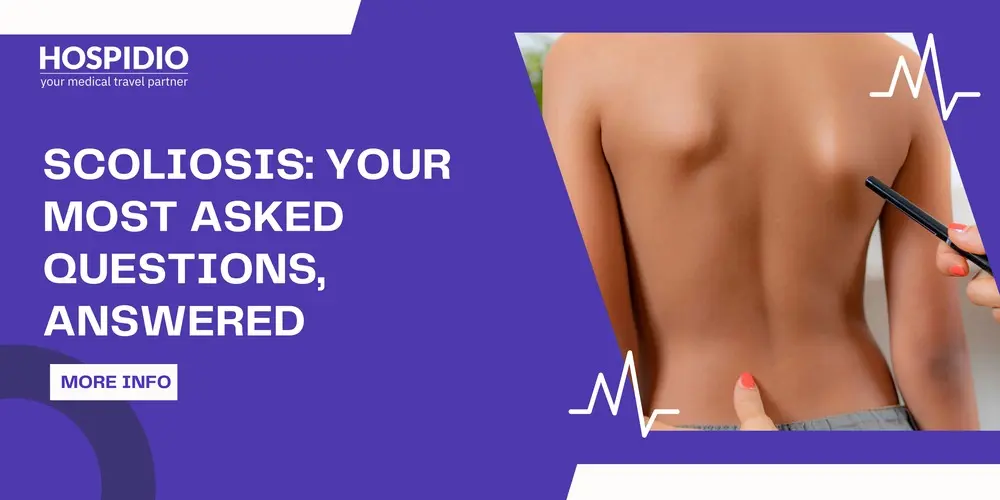
Scoliosis raises a lot of questions, especially right after a diagnosis. Below are direct, expert-reviewed answers to the questions people most often ask, covering why it happens, whether it can be fixed without surgery, what surgery involves, life afterward, and what treatment costs in India.
Understanding Scoliosis: Causes and Basics
Why does scoliosis happen?
In about 80% of cases, scoliosis has no identifiable cause and is called idiopathic scoliosis. It tends to appear during the rapid growth spurts of adolescence and is thought to result from a mix of genetic and growth-related factors rather than poor posture, heavy backpacks, or sleeping position. The remaining cases are linked to a known cause, such as a spinal malformation present at birth, a neuromuscular condition, or age-related spinal wear.
What are the main causes of scoliosis? Can it be genetic?
Scoliosis has four main types: idiopathic (cause unknown), congenital (a bone malformation present at birth), neuromuscular (caused by conditions like cerebral palsy or muscular dystrophy), and degenerative (from spinal wear in adults). Yes, idiopathic scoliosis has a clear genetic component; if a parent, sibling, or close relative has it, the risk is higher. The inheritance is complex and involves several genes, which is why it can appear unpredictably within a family.
Can scoliosis stop progressing on its own?
Yes, in adolescents most curves stop progressing once the spine finishes growing. The highest risk of worsening is during puberty growth spurts, and progression usually slows or halts at skeletal maturity. Smaller curves often stay stable for life, while adult degenerative scoliosis can progress slowly over many years and is monitored differently.
Will It Get Worse? Progression and Prevention
Will my scoliosis get worse considering I'm young?
Being young is the single biggest factor in whether scoliosis progresses, because curves tend to worsen during growth. The risk is highest in children who have a lot of growing left, larger starting curves, and curves in the chest region. This is exactly why doctors monitor adolescents closely with regular X-rays and recommend bracing during growth, since acting early can prevent a curve from reaching a severity that needs surgery.
Would my scoliosis get worse if I don't exercise?
Lack of exercise does not directly cause idiopathic scoliosis to worsen, but staying inactive does not protect your spine either. General exercise keeps the muscles supporting your spine strong and helps with posture and pain, though it cannot reverse a structural curve on its own. Scoliosis-specific exercises like the Schroth method are different; when done consistently under a trained therapist, they can help stabilize a curve and improve trunk symmetry.
How do I slow down or stop scoliosis?
Scoliosis is slowed or stopped through monitoring, bracing during growth, scoliosis-specific physiotherapy, and surgery for severe curves. For a growing child with a moderate curve, a well-fitted brace worn for the prescribed hours each day is the most proven way to prevent progression. Adding supervised Schroth exercises can further support stability, and consistent follow-up X-rays let your doctor act quickly if the curve starts to move.
Does S-shape scoliosis shorten height?
Yes, a significant S-shaped or C-shaped curve can reduce your standing height because the spine bends sideways instead of extending fully upright. The larger the curve, the more height is typically lost. Correcting the curve through surgery can restore some of that lost height, which is why many patients stand taller after their spine is straightened.
Living With Scoliosis
Can you live a normal life with 40 degree scoliosis?
Yes, most people with a 40 degree curve live full, active, normal lives. A 40 degree curve is considered moderate and sits just below the threshold where surgery is usually discussed, so it is typically managed with monitoring and sometimes exercise or bracing. Many people work, exercise, travel, and raise families with curves of this size, though regular check-ups are wise to make sure it stays stable.
Can scoliosis affect breathing or the lungs?
Only severe curves, usually beyond 70 to 80 degrees in the chest region, are large enough to restrict the lungs and affect breathing. When a curve is that significant, it can reduce the space the lungs have to expand, leading to a condition called restrictive lung disease. Mild and moderate curves, including most cases people are diagnosed with, do not meaningfully affect breathing.
Can scoliosis be life-threatening?
Scoliosis is very rarely life-threatening, and only in extreme, untreated cases where a severe curve compresses the heart and lungs. The vast majority of people with scoliosis face cosmetic, comfort, or mobility concerns rather than dangers to their life. The clear exception is severe early-onset or neuromuscular scoliosis, which is treated proactively precisely to protect heart and lung function.
How does scoliosis affect pregnancy?
Most women with scoliosis, including those who have had spinal fusion, have normal pregnancies and deliveries. Some experience more back pain during pregnancy because of the added weight and shifting center of gravity. An epidural is usually still possible, though it can be technically more difficult if the lower spine has been fused, so it helps to discuss your scoliosis history with the anesthesia team in advance.
What do you do to stop scoliosis pain?
Scoliosis pain is most often managed with targeted physiotherapy, core-strengthening and scoliosis-specific exercises, posture work, and over-the-counter pain relief. When pain is persistent, options can include physical therapy programs, heat, and in some cases injections to calm irritated joints or nerves. Because pain has different sources, the most effective relief usually comes from a plan tailored to your curve rather than a single remedy.
Which workouts should you avoid with scoliosis?
Avoid activities that repeatedly load, twist, or hyperextend the spine, such as heavy overhead weightlifting with poor form, high-impact jarring movements, and intense one-sided or contact sports. These can aggravate an existing curve or cause discomfort, especially without proper technique. Lower-risk choices like swimming, core stabilization, walking, and supervised scoliosis-specific exercise are generally encouraged, but always confirm your own limits with your specialist.
Treating Scoliosis Without Surgery
Is there a way to completely fix scoliosis without surgery?
A structural scoliosis curve cannot be completely straightened without surgery, but non-surgical treatment can halt progression, ease pain, and improve posture and trunk symmetry. Bracing during growth and scoliosis-specific exercises like Schroth are the main tools, and in mild to moderate cases they can stabilize and sometimes modestly reduce the curve. The realistic goal of non-surgical care is to keep the curve from worsening and to avoid surgery, rather than to erase it entirely.
What is the most effective way to treat scoliosis?
The most effective treatment depends on your age, how large the curve is, and whether it is progressing. Small curves are simply observed, moderate curves in growing children are treated with bracing and often scoliosis-specific exercises, and severe or rapidly worsening curves are treated with surgery. There is no single best treatment for everyone; the right choice is the one matched to your specific curve and stage of growth.
I have been diagnosed with scoliosis. What can be done?
Your options depend on the size of your curve, and they range from simple monitoring to exercises, bracing, or surgery. A mild curve usually needs only periodic X-rays to confirm it is stable. A moderate curve in a still-growing child often calls for a brace plus scoliosis-specific physiotherapy, while a severe or progressing curve is evaluated for surgical correction. The first step is a proper assessment with a spine specialist to measure the curve and your growth stage.
What are the best treatments for mild scoliosis?
Mild scoliosis is best managed with regular monitoring and scoliosis-specific exercises such as the Schroth method, rather than aggressive intervention. Most mild curves stay stable and need only periodic follow-up X-rays to confirm they are not progressing. If a mild curve does start to worsen during growth, a brace may be added to prevent it from advancing further.
Can scoliosis be reduced by 5 to 6 degrees in one year with Schroth or other exercises?
Yes, a reduction of around 5 to 6 degrees is achievable in some mild to moderate cases with consistent, supervised Schroth exercises, though it is not guaranteed. Research shows scoliosis-specific exercises can reduce or stabilize the Cobb angle and improve quality of life, with the best results in people who train regularly and correctly. The primary purpose of these exercises is to prevent the curve from progressing, so any measurable reduction is a welcome bonus rather than the main objective.
How long does it take for a scoliosis brace to work?
A brace does not straighten the spine; its job is to prevent a curve from getting worse while the child is still growing, so it works over the entire remaining growth period. Most braces are worn for a number of hours each day, often 16 to 23 hours, and effectiveness rises with the hours worn consistently. Bracing typically continues for two to four years until the bones mature, and progress is tracked with periodic X-rays.
How has anyone improved their scoliosis as an adult with bracing?
In adults, bracing mainly relieves pain and supports the spine rather than correcting the curve, because mature bones no longer reshape the way a growing child's do. Some adults with degenerative scoliosis use a brace to reduce discomfort and improve daily function, especially during flare-ups. Meaningful curve reduction in adulthood usually requires surgery, so adult bracing is best thought of as a comfort and stability measure.
What will happen if scoliosis surgery is not done?
For most people with mild to moderate curves, skipping surgery is perfectly fine, and they manage well with monitoring or non-surgical care. For severe or progressive curves, declining surgery can mean the curve continues to worsen, leading to increasing deformity, back pain, and in rare extreme cases pressure on the heart and lungs. The decision always depends on the size of the curve and how fast it is changing, which is why an individual assessment matters.
Scoliosis Surgery: What to Expect
How is scoliosis (curvature of the spine) surgery performed?
The most common scoliosis surgery is spinal fusion, in which the surgeon attaches metal rods, screws, and hooks to the spine to straighten it, then places bone graft so the corrected vertebrae fuse into one solid section. It is performed under general anesthesia, usually through an incision in the back, and takes roughly 4 to 8 hours depending on how much of the spine is being corrected. Newer non-fusion options like vertebral body tethering exist for select younger patients, but fusion remains the standard for severe curves.
What are the risks that can arise in a scoliosis surgery?
The main risks include infection, bleeding, nerve or spinal cord injury, hardware problems, failure of the bones to fuse, blood clots, and the usual risks of anesthesia. Serious complications like spinal cord injury are uncommon, and surgeons reduce risk further by monitoring the spinal cord throughout the operation. As with any major surgery, the overall risk depends on the patient's health and the complexity of the curve, all of which are reviewed before surgery.
Is scoliosis surgery dangerous? What are the survival rates?
Scoliosis surgery is considered safe and is performed routinely, with serious complications being uncommon and the risk to life extremely low. Mortality from elective scoliosis correction is well under 1%, and the large majority of patients recover and return to normal activities. Like any major spinal operation it carries real risks, but in experienced hands at an accredited center it has a strong safety record.
After scoliosis surgery, will the patient become taller? If so, by how much?
Yes, most patients gain some height after surgery because straightening the spine lets it extend more fully upright. The gain is typically in the range of a couple of centimeters up to around 5 cm, and patients with larger curves often gain more. The exact increase depends on how severe the curve was and how much correction is achieved.
What can I never do again after scoliosis surgery?
Permanent restrictions are few; most people return to nearly all activities, though a fused spine has slightly less flexibility in the fused section. During recovery you avoid heavy lifting and excessive bending or twisting for several months while the bones fuse. Long term, many surgeons advise caution with high-impact collision sports, but everyday activities, work, exercise, and most recreation are fully possible once you heal.
What's the quality of life like 5 to 10 years after having scoliosis surgery?
Quality of life 5 to 10 years after scoliosis surgery is generally good, with most patients reporting normal function, satisfaction with their results, and a return to regular activities. The corrected posture, reduced visible deformity, and often less pain contribute to high satisfaction over time. A minority may experience back stiffness or issues in the spinal segments next to the fusion, which is why long-term follow-up is recommended.
How has life changed for people after scoliosis surgery, and what does it feel like to straighten your spine?
Most people describe standing taller and straighter, improved posture and appearance, often reduced pain, and a noticeable boost in confidence after surgery. The first weeks of recovery are demanding, but many patients say the longer-term change in how they look and feel is well worth it. The sensation of a straighter spine and a more balanced trunk is one of the most commonly reported positives.
When scoliosis patients need metal rods implanted, are they usually removed after a certain amount of time?
No, the rods are usually permanent and are not routinely removed. Once the spine fuses solidly, the rods have done their job of holding everything in place during healing, but they typically stay because removing them offers no benefit and carries its own surgical risk. Rods are only taken out if a specific problem develops, such as infection, breakage, or hardware that causes discomfort.
Is vertebral body tethering surgery for scoliosis safe?
Vertebral body tethering is a recognized, FDA-approved option for select skeletally immature patients, and it has a reasonable safety profile, though it carries a higher chance of needing a follow-up procedure than fusion. It works by placing screws and a flexible cord along the curve to gradually guide growth, which preserves spinal motion and avoids fusion. Because it is newer than fusion, its long-term data is still building, so it is offered to carefully chosen candidates with flexible curves who are still growing.
Can I have surgery to hide a scar I have from a scoliosis surgery?
Yes, scar revision options exist and can significantly improve the appearance of a scoliosis surgery scar. These range from non-surgical treatments like silicone sheets, laser therapy, and injections for raised or keloid scars, to surgical scar revision that re-closes the area more discreetly. A plastic surgeon or dermatologist can advise which approach suits your scar type and skin.
Cost and Where to Get Treated
How much does surgery for scoliosis cost?
In India, scoliosis surgery typically costs between $6,500 and $13,500, which is among the most affordable in the world. The final figure depends on how many spinal levels need correction, the type of implants used, the surgeon, and the hospital and city. The package usually covers pre-surgery tests, the operation, implants, hospital stay, and follow-up, and a personalized quote is given after the surgeon reviews your reports.
Which is the best center in India for scoliosis treatment?
There is no single best center, because the right choice depends on your specific curve, age, and overall health, but India has many internationally accredited spine centers with highly experienced scoliosis surgeons. Look for hospitals with NABH or JCI accreditation, a dedicated spine deformity team, and a strong track record in your type of surgery. HOSPIDIO helps match you to the surgeon and accredited hospital best suited to your case rather than a one-size-fits-all answer.
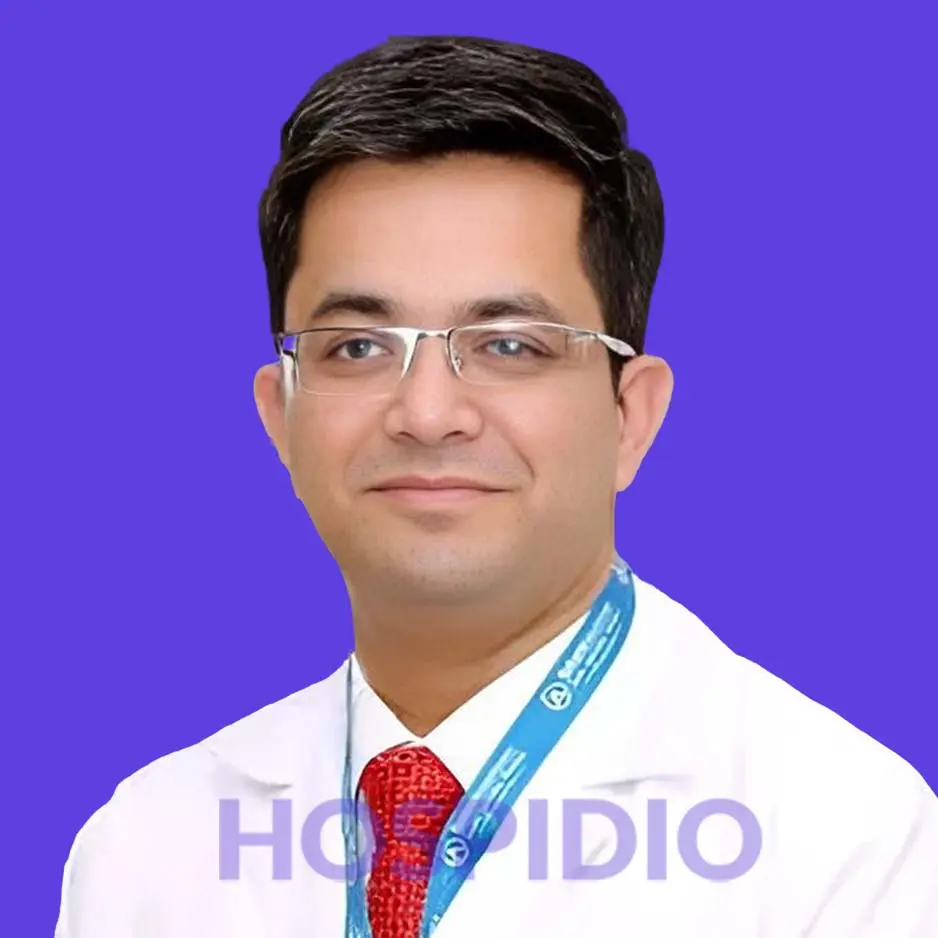
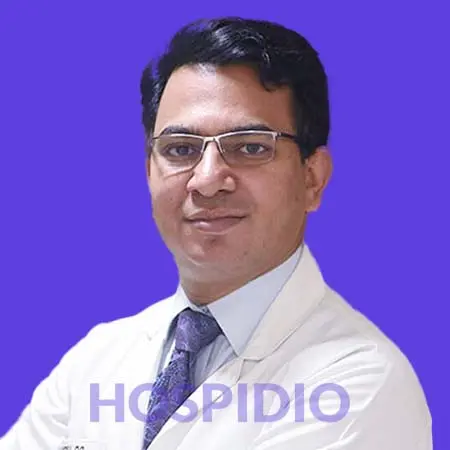
Best Surgeons for Scoliosis Correction in India

Specialized in
How HOSPIDIO Helps
If you or a family member has been diagnosed with scoliosis, you do not have to navigate the decisions alone. HOSPIDIO connects international and domestic patients with India's leading accredited spine hospitals and experienced scoliosis surgeons, and arranges a clear, all-inclusive cost estimate so there are no surprises.We can help you with:
- A free review of your reports and X-rays by qualified spine specialists
- A transparent, all-inclusive surgery estimate
- Help choosing the right surgeon and accredited hospital for your specific curve
- Coordination of travel, stay, and follow-up for out-of-town and international patients
Get a free, no-obligation opinion today.
Recent Blogs

Dr. Basim Parvez is a licensed physiotherapist and Senior Patient Consultant at HOSPIDIO, holding an MBA in Health Management. With extensive clinical experience and a compassionate approach, he assists patients navigating medical treatments. Dr. Basim also leverages his writing talent to simplify complex healthcare information, empowering patients to make informed decisions and fostering clarity and confidence in their medical journeys.
Dr. Hamza Shaikh is a dedicated spine surgeon with over 15 years of experience in spine surgery, specializing in the comprehensive management of spinal deformities such as scoliosis and kyphosis and complex spinal disorders. He currently serves as a Consultant Spine Surgeon at Manipal Hospital, Dwarka, where he provides advanced, evidence-based spine care tailored to both pediatric and adult patients.