
What Are Intestinal Parasites and Why Do People Look for Natural Remedies?
Intestinal parasites are organisms that live in the gastrointestinal tract and rely on a human host for survival. According to the Centers for Disease Control and Prevention, intestinal parasites are commonly transmitted through contaminated food, water, or poor hygiene practices, particularly in areas with limited sanitation.
We Handle the Planning
You Focus on Recovery
From Medical Visa assistance to airport pick-up and local stay, HOSPIDIO manages your entire medical trip.
Tell Us About Your Need
Free case review. Confidential. No obligation.Common Types of Human Intestinal Parasites
Human intestinal parasites generally fall into two main categories:
Protozoa, such as Giardia and Entamoeba histolytica, which are microscopic organisms that can multiply inside the intestines
Helminths, including roundworms, tapeworms, and hookworms, which are larger parasitic worms
Symptoms vary depending on the organism and may range from mild digestive discomfort to diarrhea, bloating, fatigue, nutrient deficiencies, or weight loss. In some cases, people may carry parasites without noticeable symptoms.
Can Foods Really Kill Parasites—or Just Support Gut Health?
Many people search for natural antiparasitic foods because they want gentler, diet-based ways to support their health. While certain foods contain compounds with antimicrobial or digestive benefits, no food has been proven to reliably eliminate intestinal parasites on its own.
Instead, these foods may help by supporting digestion, reducing gut inflammation, or creating an environment that makes it harder for parasites to thrive. Understanding this distinction is essential for using natural remedies safely and responsibly—and for knowing when medical evaluation is necessary.
The Heavy Hitters — Pumpkin Seeds and Garlic for Parasites
Certain foods are frequently mentioned in traditional medicine for their potential role in supporting the body during parasitic infections. Among them, pumpkin seeds and garlic are the most studied and widely discussed.
Can Pumpkin Seeds Kill Parasites?
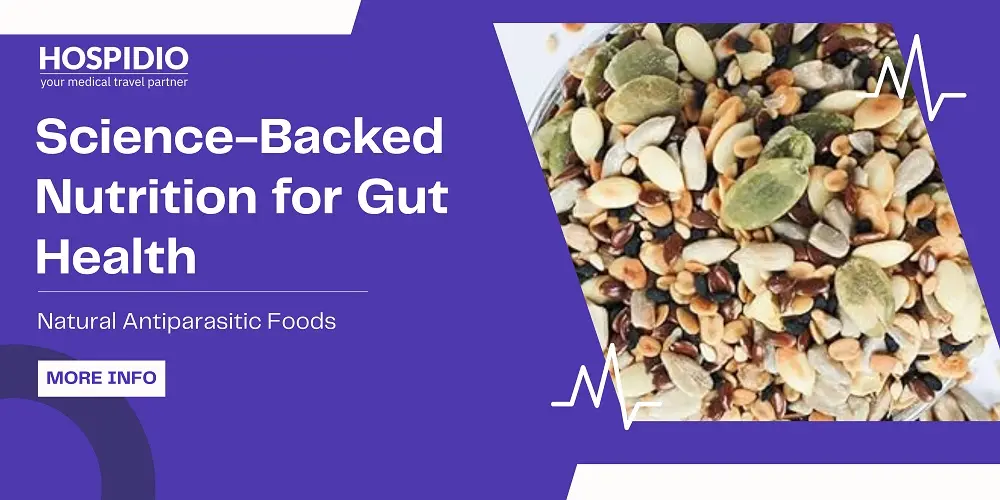
Pumpkin seeds have been traditionally used in many cultures as a natural support against intestinal worms. The interest in pumpkin seeds comes from a bioactive compound called cucurbitacin, which is naturally present in raw, unprocessed seeds.
Cucurbitacin is believed to interfere with the nervous system of certain intestinal worms, potentially reducing their ability to cling to the intestinal wall. Rather than directly “killing” parasites, this mechanism may help the body eliminate them through normal bowel movements.
Most traditional preparations recommend raw, crushed pumpkin seeds consumed on an empty stomach, as roasting or heavy processing may reduce cucurbitacin levels. While pumpkin seeds alone are not a medical treatment, they may support gut health when used alongside proper diagnosis and care.
Garlic for Parasites: How Allicin Works
Garlic has long been recognized for its antimicrobial properties. When raw garlic is crushed or chopped, it releases allicin, a sulfur-containing compound with documented antibacterial and antiparasitic activity in laboratory studies.
Allicin may help inhibit the growth of certain protozoa, such as Giardia, and may also influence gut microbes that compete with parasites. However, heat significantly reduces allicin, which is why cooked garlic may be less effective for this purpose.
Because raw garlic can irritate the digestive tract and interact with blood-thinning medications, it should be used cautiously. Garlic should be viewed as a supportive dietary component, not a replacement for medical treatment—especially in persistent or severe symptoms.
Fruit Enzymes and Parasites — Pineapple, Papaya, and Digestive Enzymes
Fruits are often included in discussions about natural antiparasitic foods, particularly those rich in digestive enzymes. Pineapple and papaya stand out because they contain compounds that may influence digestion and gut balance—two factors that matter when the body is dealing with parasites.
Does Pineapple Juice Kill Parasites or Aid Digestion?
Pineapple contains bromelain, a group of proteolytic (protein-digesting) enzymes found primarily in the fresh fruit and stem. Bromelain is known for supporting digestion and reducing inflammation in the gastrointestinal tract.
Rather than directly killing parasites, bromelain may help by breaking down proteins involved in mucus and biofilm, potentially making the intestinal environment less favorable for parasitic organisms. This digestive support may also ease symptoms such as bloating or discomfort that commonly accompany parasitic infections.
It’s important to note that fresh pineapple is significantly more active than canned pineapple or pasteurized juice, as heat processing reduces bromelain content. Pineapple juice should therefore be viewed as a digestive aid, not a standalone antiparasitic treatment.
Papaya Seeds and Papain: Traditional Use and Modern Evidence
Papaya seeds have a long history of use in traditional medicine systems for intestinal health. Their potential benefit is linked to papain, a powerful enzyme that helps break down proteins.
Some studies suggest papain may interfere with parasite membranes and disrupt protective biofilms, which parasites use to survive in the gut. Traditionally, papaya seeds are consumed raw, dried, or ground—often in small amounts—rather than eaten in large quantities.
While promising, papaya seeds can be harsh on the digestive system if overused and should be avoided by pregnant individuals. As with other natural remedies, they are best considered supportive, not curative.
What Fruits Kill Parasites — and Which Ones Don’t?
A common misconception is that many fruits can “kill parasites.” In reality, most fruits do not contain direct antiparasitic compounds. Apples, bananas, and berries are healthy due to fiber and antioxidants, but they do not actively target parasites.
Fruits like pineapple and papaya stand out not because they kill parasites outright, but because they support digestion, reduce inflammation, and may weaken parasite defenses, helping the body’s natural elimination processes work more effectively.
Foods With Anti-Parasitic Properties — The Role of Spices and Herbs
Spices and herbs are often described as “natural antiparasitics,” but their primary value lies in how they support the gut environment rather than directly killing parasites. Many contain bioactive compounds with antimicrobial and anti-inflammatory properties that may help the body respond more effectively during parasitic infections.
Does Turmeric Kill Parasites or Reduce Gut Inflammation?
Turmeric contains curcumin, a compound widely studied for its anti-inflammatory and antioxidant effects. While curcumin has shown antimicrobial activity in laboratory settings, its primary benefit in parasitic infections appears to be reducing intestinal inflammation and oxidative stress.
Parasites often trigger irritation of the gut lining, which can worsen symptoms such as abdominal pain, diarrhea, and nutrient malabsorption. By calming inflammation, turmeric may help preserve gut barrier integrity and improve digestive comfort. However, turmeric should not be considered a direct parasite-killing agent and is best used as part of a broader dietary approach.
Ginger, Clove, and Other Antimicrobial Spices
Ginger contains gingerol, a compound associated with antimicrobial and digestive-support effects. It may help reduce nausea and improve gut motility, which can support the body’s natural elimination processes.
Clove is rich in eugenol, a compound with documented antimicrobial properties. Some laboratory studies suggest eugenol may affect certain parasites, but human evidence remains limited. Other spices, such as cinnamon and black pepper, may also contribute modest antimicrobial activity while enhancing digestion.
These spices are typically used in small culinary amounts, which helps minimize side effects while still offering digestive and anti-inflammatory support.
Why Anti-Inflammatory Foods Matter During Parasitic Infections
Parasitic infections do not only involve the presence of an organism; they also involve the body’s immune and inflammatory response. Chronic inflammation can damage the gut lining, disrupt nutrient absorption, and prolong recovery.
Anti-inflammatory foods and spices help create a gut environment that supports healing and immune balance. While they do not replace medical treatment, they may complement conventional care by reducing symptom severity and supporting overall gut health during recovery.
Common Myths About Parasite-Killing Foods
Misinformation about “parasite-killing foods” is widespread online. While certain foods can support gut health, overstating their effects can delay proper diagnosis and treatment. Addressing these myths directly helps set realistic expectations and promotes safer health decisions.
Do Apples Kill Parasites or Just Improve Digestion?
Apples are often mentioned as a natural way to “cleanse” the digestive system. In reality, apples do not contain compounds known to kill or disable parasites. Their primary benefit comes from dietary fiber, particularly pectin, which supports regular bowel movements and overall gut health.
While improved digestion may help the body eliminate waste more efficiently, fiber alone does not target parasites. Apples can be part of a balanced diet, but they should not be relied upon as an antiparasitic remedy.
Can One Food Completely Eliminate Parasites?
A common misconception is that a single food—such as garlic, pumpkin seeds, or papaya—can completely eliminate parasitic infections. Currently, no food has been proven to eradicate parasites on its own in humans.
Parasitic infections vary widely in type and severity, and effective treatment often requires targeted medical therapy. Foods with antimicrobial or digestive-support properties may assist the body, but they are not substitutes for diagnosis or treatment.
Why “Parasite Cleanses” Are Often Misleading
Many commercial parasite cleanses claim to “flush out” parasites using aggressive combinations of herbs, laxatives, or extreme diets. These approaches often lack scientific evidence and may cause side effects such as dehydration, electrolyte imbalance, or gut irritation.
Symptoms attributed to parasites during cleanses are frequently normal digestive responses, not proof of parasite elimination. Sustainable gut health is best supported through balanced nutrition, evidence-based care, and professional medical guidance when symptoms persist.
Natural Antiparasitic Foods Compared
"Evidence-Based Overview"
The following table summarizes commonly discussed natural foods with antiparasitic properties, the compounds they contain, and their primary supportive role in gut health. This comparison helps distinguish between foods that may affect parasites directly and those that primarily support digestion or inflammation control.
| Natural Food | Key Compound | Primary Supportive Function |
| Raw Garlic | Allicin | Antimicrobial activity against some protozoa |
| Pumpkin Seeds | Cucurbitacin | May reduce worm attachment in the intestine |
| Papaya Seeds | Papain | Enzyme that may disrupt parasite biofilms |
| Fresh Pineapple | Bromelain | Digestive enzyme; may weaken parasite defenses |
| Turmeric | Curcumin | Reduces gut inflammation and oxidative stress |
| Clove | Eugenol | Antimicrobial effects shown in laboratory studies |
How to Interpret Anti-Parasitic Food Data
It is important to understand that not all antiparasitic claims are equal. Some foods, such as garlic and pumpkin seeds, contain compounds that have demonstrated direct activity against certain parasites in laboratory or traditional use contexts. Others, like turmeric and pineapple, provide indirect benefits by improving digestion or reducing inflammation.
Human clinical evidence remains limited for most natural remedies, and results can vary depending on parasite type, preparation method, and individual health factors. For this reason, these foods should be viewed as supportive dietary tools, not definitive treatments.
Using this data responsibly helps avoid unrealistic expectations while still recognizing the role nutrition may play in maintaining gut health and supporting the body during recovery.
How to Use Antiparasitic Foods Safely
Natural antiparasitic foods should be used as dietary support, not as treatment. Their effectiveness depends on preparation, amount, and individual health factors.
Preparation Methods That Preserve Active Compounds
Certain bioactive compounds are sensitive to heat and processing:
- Garlic: Crushing raw garlic activates allicin; cooking significantly reduces it
- Pumpkin seeds: Raw or lightly dried seeds preserve cucurbitacin better than roasted
- Pineapple & papaya: Fresh fruit contains more active enzymes than canned or pasteurized forms
- Turmeric: Absorption improves when consumed with black pepper and healthy fats
Excessive heat, prolonged storage, or heavy processing may reduce potential benefits.
Suggested Amounts Based on Traditional Use
There is no standardized medical dosage for antiparasitic foods. Traditional use generally involves small, food-level amounts, not concentrated extracts.
Examples include:
- A small handful of raw pumpkin seeds
- One clove of raw garlic
- A teaspoon of ground papaya seeds mixed with food
Using amounts far beyond normal dietary intake may increase the risk of side effects without added benefit.
Who Should Avoid Natural Antiparasitic Remedies
Natural does not mean risk-free. These foods may not be appropriate for:
- Pregnant or breastfeeding individuals
- Children
- People with gastrointestinal disorders
- Individuals taking blood thinners or other medications
Anyone with ongoing symptoms should seek medical advice before relying on dietary approaches.
Guidance aligned with general safety principles from organizations such as the CDC and WHO.
When to See a Doctor for Parasite Symptoms
Dietary strategies may support gut health, but they are not a substitute for diagnosis or treatment when parasites are suspected.
Signs Natural Remedies Are Not Enough
Seek medical care if symptoms include:
- Persistent diarrhea or abdominal pain
- Unexplained weight loss
- Anemia or fatigue
- Fever or blood in stool
- Symptoms lasting longer than two weeks
These may indicate an infection that requires targeted medical treatment.
Diagnostic Tests for Parasitic Infections
Doctors may use:
- Stool examination for ova and parasites
- Antigen or PCR tests for specific organisms
- Blood tests in certain parasitic diseases
Both the World Health Organization and CDC emphasize that confirmed parasitic infections require proper diagnosis and targeted treatment, and that dietary approaches should be considered supportive rather than curative.
Related Articles You Might Find Helpful




Medical Disclaimer: This article is for informational purposes only and is not intended to diagnose, treat, cure, or prevent any disease. Natural foods discussed here may support digestive and gut health but should not replace medical evaluation or prescribed treatment. If you suspect a parasitic infection or have persistent symptoms, consult a qualified healthcare professional.
References
PubMed (Journal of Medicinal Food)
Recent Blogs




Sasmita Bal is a Digital Marketing and Content Specialist at HOSPIDIO with expertise in SEO and international healthcare content. She reviews published material to ensure it is optimized for search visibility and relevant to the needs of international patients seeking treatment in India. All content she reviews is authored and clinically approved by the Founder of HOSPIDIO and relevant medical specialists prior to publication.
Guneet Bhatia is the Founder of HOSPIDIO and an accomplished content reviewer with extensive experience in medical content development, instructional design, and blogging. Passionate about creating impactful content, she excels in ensuring accuracy and clarity in every piece. Guneet enjoys engaging in meaningful conversations with people from diverse ethnic and cultural backgrounds, enriching her perspective. When she's not working, she cherishes quality time with her family, enjoys good music, and loves brainstorming innovative ideas with her team.