
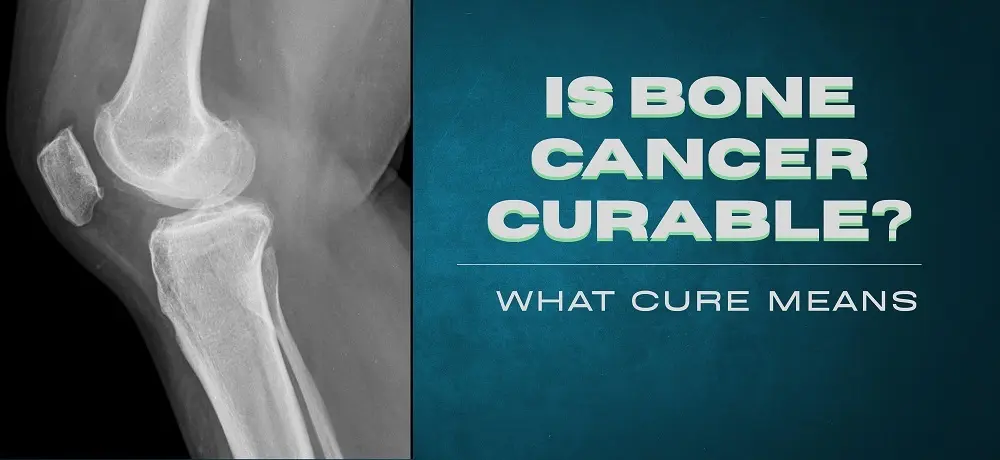
One of the first and most emotional questions people ask after hearing the words “bone cancer” is whether it can be cured. The honest answer is that bone cancer can be curable in many cases, especially when it is diagnosed early and treated appropriately.
However, cure is not a single yes-or-no outcome. It depends on several factors, including the type of bone cancer, how advanced it is at diagnosis, where it is located, and how well it responds to treatment. Some people achieve long-term remission and go on to live full lives, while others may need ongoing treatment and monitoring.
We Handle the Planning
You Focus on Recovery
From Medical Visa assistance to airport pick-up and local stay, HOSPIDIO manages your entire medical trip.
Tell Us About Your Need
Free case review. Confidential. No obligation.Understanding what “curable” means in real medical terms can help set realistic expectations and reduce unnecessary fear.
What Does “Curable” Mean in Bone Cancer?
In medical practice, cure usually means that there is no detectable cancer after treatment and no recurrence over time. For some patients, this happens after surgery alone. For others, it may require a combination of surgery, chemotherapy, and radiation therapy.
Doctors often talk in terms of:
- Long-term remission
- Disease-free survival
- Overall survival
These terms reflect the reality that cancer outcomes vary, and progress is measured over time rather than immediately after treatment ends.
How Stage Affects Whether Bone Cancer Is Curable
The stage of bone cancer at diagnosis plays a major role in determining outcomes. Early-stage bone cancer is generally much more treatable than advanced disease.
When bone cancer is confined to one area and has not spread, treatment is often focused on removing or destroying the tumor completely. In such cases, cure rates are significantly higher.
When cancer has spread beyond the original bone—especially to the lungs or other bones—treatment becomes more complex. Cure may still be possible in selected cases, but the focus often shifts toward controlling the disease and maintaining quality of life.
How Long Can You Live With Bone Cancer?
Life expectancy with bone cancer varies widely and cannot be predicted with certainty for any individual. Some people live for decades after treatment, while others may face a more aggressive disease course.
Survival depends on:
- The specific type of bone cancer
- Stage at diagnosis
- Age and overall health
- Response to treatment
Early diagnosis and access to specialized care consistently improve outcomes. Advances in surgical techniques, chemotherapy protocols, and supportive care have also led to better survival over time.
Helpful- Can an X-ray how Bone Cancer
Bone Cancer Survival Rates: What They Really Mean
Survival statistics are based on large groups of patients and are often reported as five-year survival rates. These numbers can be useful for understanding general trends, but they do not determine what will happen to any one person.
It’s important to remember that survival rates:
- Reflect past data, not current individual outcomes
- Do not account for newer treatments
- Cannot predict personal response to therapy
Many patients do better than expected, especially when treated at experienced centers.
Helpful: Osteosarcoma Treatment Cost in India
What Are the First Signs of Metastatic Bone Cancer?
Metastatic bone cancer refers to cancer that has spread beyond its original location. The early signs can sometimes be subtle and may overlap with symptoms of localized disease.
Possible early signs include:
- Bone pain that becomes more widespread or intense
- New pain in areas previously unaffected
- Increased fatigue or weakness
- Neurological symptoms if the spine is involved
These symptoms do not always mean cancer has spread, but they do require prompt medical evaluation.
Why Prognosis Is Not the Same for Everyone
Two people with the same diagnosis can have very different outcomes. Differences in tumor biology, access to care, and individual health all influence prognosis. This is why doctors avoid making absolute predictions and instead focus on personalized treatment planning.
How Treatment Affects the Chances of Cure
The likelihood of curing bone cancer depends not only on the stage of the disease but also on how well it responds to treatment. Modern bone cancer treatment is usually planned carefully and personalized, rather than following a one-size-fits-all approach.
In many cases, treatment begins soon after diagnosis and may involve one or more therapies. The goal is to remove or destroy cancer cells while preserving as much normal bone function as possible. Advances in medical care have made it possible for many patients to achieve long-term remission, even in complex cases.
The Role of Surgery in Bone Cancer Treatment
Surgery is often the most important treatment for bone cancer when the tumor is localized. The aim is to remove the cancer completely, along with a margin of healthy tissue, to reduce the risk of recurrence.
In the past, amputation was common. Today, limb-sparing surgery is possible for many patients, allowing them to retain function and mobility. Surgical outcomes are best when procedures are performed by teams experienced in orthopedic oncology.
When surgery successfully removes all cancer cells, the chances of long-term cure increase significantly.
Chemotherapy and Radiation Therapy: When Are They Needed?
Chemotherapy is commonly used for certain types of bone cancer, either before surgery to shrink the tumor or after surgery to eliminate any remaining cancer cells. In some cases, chemotherapy plays a central role in treatment and significantly improves survival.
Radiation therapy may be used when surgery is not possible or when cancer cells remain after surgery. It can also help control pain or prevent tumor growth in advanced cases.
The combination and timing of these treatments depend on the type of bone cancer and how it behaves in the body.
Living With Bone Cancer After Treatment
Completing treatment does not always mean the journey is over. Many patients enter a period of regular follow-up care, which may include imaging tests, physical exams, and rehabilitation.
Some people return to normal daily activities within months, while others may need longer recovery due to surgery or ongoing treatment effects. Fatigue, emotional stress, and physical limitations are common, especially in the early recovery phase.
Supportive care, physical therapy, and psychological support all play an important role in long-term well-being.
Helpful: Bone Tumor Surgery cost in India
What Life Looks Like After Remission
For patients who achieve remission, life often slowly returns to a new sense of normal. Follow-up visits are scheduled to monitor for recurrence, especially during the first few years after treatment.
Many people go on to:
- Resume work or studies
- Stay physically active with modifications
- Travel and plan for the future
While concerns about recurrence are natural, most long-term survivors learn to manage uncertainty and focus on quality of life.
When Bone Cancer Cannot Be Fully Cured
In some cases, bone cancer cannot be completely eliminated. When this happens, treatment focuses on controlling the disease, reducing symptoms, and maintaining comfort and function.
Even when cure is not possible, many patients live meaningful lives for years with appropriate treatment and support. Advances in pain management, targeted therapies, and supportive care have greatly improved quality of life for people with advanced disease.
Why Hope Is Still Realistic
Bone cancer treatment has improved steadily over time. Earlier diagnosis, better imaging, more precise surgery, and improved medications have all contributed to better outcomes.
Hope does not always mean cure—it can also mean:
- More time
- Less pain
- Better mobility
- A fuller life
Doctors today focus not only on survival but also on how well patients live during and after treatment.
A Final Word for Patients and Families
Hearing a bone cancer diagnosis is life-changing, but it is not the end of the story. Many people are cured, many live long lives after treatment, and many find strength and support they did not know they had.
Asking questions, seeking expert care, and staying informed all help patients make confident decisions about their treatment and future.


Medical Disclaimer:
This content is for informational and educational purposes only and should not be considered medical advice. Bone cancer symptoms can vary, and many conditions may cause similar signs. Always consult a qualified healthcare professional for an accurate diagnosis and personalized treatment plan.
References
- American Cancer Society
- Mayo Clinic
- National Cancer Institute
Recent Blogs


Sasmita Bal is a Digital Marketing and Content Specialist at HOSPIDIO with expertise in SEO and international healthcare content. She reviews published material to ensure it is optimized for search visibility and relevant to the needs of international patients seeking treatment in India. All content she reviews is authored and clinically approved by the Founder of HOSPIDIO and relevant medical specialists prior to publication.
Guneet Bhatia is the Founder of HOSPIDIO and an accomplished content reviewer with extensive experience in medical content development, instructional design, and blogging. Passionate about creating impactful content, she excels in ensuring accuracy and clarity in every piece. Guneet enjoys engaging in meaningful conversations with people from diverse ethnic and cultural backgrounds, enriching her perspective. When she's not working, she cherishes quality time with her family, enjoys good music, and loves brainstorming innovative ideas with her team.