
If physiotherapy, epidural steroid injections, and pain medications have failed to relieve your severe back pain, leg weakness, numbness, or difficulty walking, spine surgery may be your most effective treatment option. India has emerged as a premier destination for international patients seeking spine surgery in India, offering world-class spine surgeons with extensive experience, state-of-the-art robotic navigation systems, JCI-accredited hospitals, and comprehensive treatment packages that cost 70-80% less than comparable care in the United States, United Kingdom, or Europe.
Through HOSPIDIO's medical coordination services, patients can submit their MRI, CT scan, and EMG reports to receive a free surgical opinion from leading spine surgeons and a personalized spine surgery cost estimate within 24-48 hours, before committing to medical travel.
Who Should Read This Decision-Making Guide
This resource serves patients whose local spine specialists have indicated surgery after comprehensive conservative management has failed. You will find this guide valuable if you have:
- Definitive MRI/CT documentation of surgical pathology (herniated disc, spinal stenosis, Grade II spondylolisthesis, or dynamic instability)
- Persistent neurological symptoms (radiculopathy, neurogenic claudication, or progressive motor weakness) despite multimodal non-operative care
- A surgical recommendation and need to evaluate spine surgery in India - comparing costs, hospital expertise, surgeon experience, and complete medical travel coordination
We Handle the Planning
You Focus on Recovery
From Medical Visa assistance to airport pick-up and local stay, HOSPIDIO manages your entire medical trip.
Tell Us About Your Need
Free case review. Confidential. No obligation.Clinical Decision Points: When Spine Surgeons Recommend Surgery
Experienced spine surgeons determine surgical necessity through objective criteria combining failed medical management with progressive structural pathology:
- Persistent Radicular Pain (Sciatica/Arm Pain): MRI-confirmed disc herniation or foraminal stenosis with pain despite transforaminal epidural steroid injections. Microdiscectomy achieves 92% leg pain resolution.
- Neurogenic Claudication: Multilevel lumbar stenosis limiting walking despite flexion posture training, gabapentinoids, and lumbar bracing. Laminectomy yields 85% improvement in walking tolerance.
- Progressive Neurological Deficit: Documented motor weakness, foot drop, or gait instability from compressive myelopathy/radiculopathy. Urgent decompression prevents permanent deficit.
- Mechanical Instability: Flexion-extension radiographs demonstrating 10° angular motion at L4-S1 with mechanical low back pain. Instrumented fusion indicated.
- Cauda Equina Syndrome: Saddle anesthesia, bladder/bowel dysfunction, bilateral leg weakness - surgical emergency within 48 hours.
HOSPIDIO coordinates second opinions from surgeons averaging 400+ procedures annually to validate these surgical triggers for your specific case.
How Diagnostic Imaging Confirms Surgical Necessity
Advanced imaging provides objective evidence that conservative care has failed and surgery offers superior outcomes:
- MRI (Gold Standard): T2-weighted sagittal/axial views demonstrate thecal sac compression >50%, sequestered fragments, or circumferential stenosis. Gadolinium contrast differentiates scar tissue from recurrent disc herniation.
- Flexion-Extension X-rays: Document dynamic instability, missed on neutral films, confirming fusion candidacy.
- CT Myelogram: Alternative for MRI-incompatible patients, clearly delineating bony stenosis and nerve root impingement.
- EMG/Nerve Conduction: Quantifies axonal loss and chronic denervation correlating with motor weakness severity.
Submit these studies through HOSPIDIO for expert radiologist-neurosurgeon correlation determining optimal surgical timing and approach.
Why Conservative Treatments Often Fail And Surgery Delivers Lasting Results
Conservative treatments provide symptomatic relief but cannot correct the underlying structural problems confirmed by your MRI or CT scan. Here's why each approach falls short for surgical candidates, and the superior outcomes surgery achieves:
Medications (NSAIDs, Gabapentinoids, Opioids)
These reduce inflammation and nerve pain temporarily but leave the herniated disc fragment, stenotic bone spurs, or unstable vertebrae untouched. Approximately 70% of patients requiring surgery experience pain recurrence (VAS rebound) within 4 weeks after reducing or stopping medications, as the mechanical compression persists.
Physical Therapy (McKenzie, Neural Gliding, Core Strengthening)
Structured programs like McKenzie extension exercises and neural mobilization improve spinal mechanics and muscle support, but they cannot physically remove disc material compressing your S1 nerve root or create space in a narrowed spinal canal measuring less than 10mm. Therapy plateaus after 8-12 weeks in surgical pathology cases.
Epidural Steroid Injections
Two to three transforaminal injections deliver potent anti-inflammatory medication directly to irritated nerve roots, providing 50% pain reduction in 60% of patients for 6-12 weeks. However, 85% of patients with confirmed structural compression experience disease progression and symptom return beyond 3 months, as injections don't alter anatomy.
Surgical Success Provides Durable Resolution
Unlike temporary symptom management, surgery addresses the root cause:
- Microdiscectomy: 92% complete leg pain (sciatica) resolution by 6 weeks, maintained at 5-year follow-up
- Laminectomy/Decompression: 85% improvement in walking distance (neurogenic claudication)
- Spinal Fusion: 88% achieve spinal stability, 90% leg pain relief, radiographic fusion confirmed at 12 months
These outcomes reflect results from high-volume surgeons performing 300-500 procedures annually, far exceeding conservative care's 20-30% long-term success rate for equivalent pathology.
Primary Spine Surgeries for Failed Conservative Care
- Microdiscectomy: 1.5cm incision removes extruded L4-L5/L5-S1 fragment compressing traversing nerve root. 1-2 day stay, 90% patients walk Day 1, return work 2-4 weeks.
- Laminectomy/Foraminotomy: 2-3 level L3-S1 decompression creates 30% greater canal dimensions. 85% neurogenic claudication resolution, ODI improves 35 points at 1 year.
- Transforaminal Lumbar Interbody Fusion (TLIF): PEEK cage + pedicle screws stabilizes single/two-level instability. 94% radiographic fusion at 12 months, 88% leg pain relief.
- Minimally Invasive Techniques: Endoscopic visualization through 8mm portals reduces muscle disruption 65%, hospital stay 1-2 days versus 4-6 days open surgery.
HOSPIDIO matches pathology to procedure expertise across India's highest-volume centers.
Complete Spine Surgery Cost Breakdown - India 2026
Spine surgery cost in India packages for international patients range USD 5,800-17,500 based on levels treated and technology used:
| Procedure Type | Cost Range in USD** | Hospital Stay |
| Microdiscectomy (single level) | $3,000 to $4,000 | 1 to 2 days |
| Laminectomy (single level) | $5,000 to $6,000 | 1 to 2 days |
| TLIF (single level) | $5,000 to $5,800 | 2 to 3 days |
| TLIF (two levels) | $6,000 to $6,800 | 2 to 3 days |
An additional $800 to $1,000 may be charges for minimnally invasive surgery involving multiple levels.
Global Comparison: India pricing represents 75-85% savings versus US ($50,000-160,000) with equivalent 90-day outcomes and lower infection rates (0.8% vs 2.1%).
HOSPIDIO provides case-specific quotes after surgeon review rather than generic ranges.
Leading Spine Surgery Hospitals in India
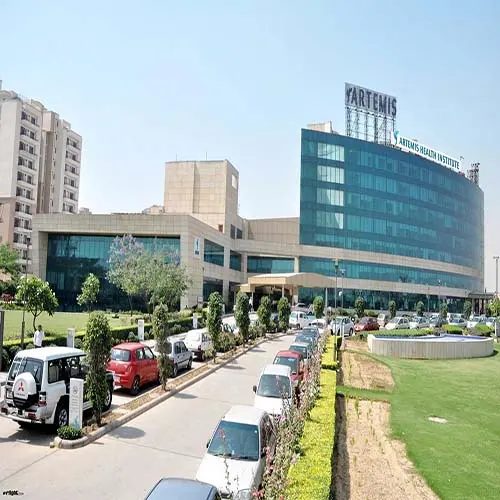

- 4.1
- 5k Reviews
- (Google)
- 750+ Beds
- 40+ Departments
- 400+ Doctors
- 35k+ Intl. Patients
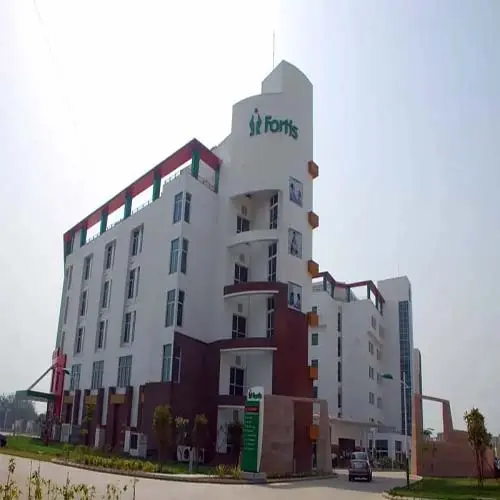


- 4.6
- 11k Reviews
- (Google)
- 262+ Beds
- 40+ Departments
- 150+ Doctors
- 37k+ Intl. Patients
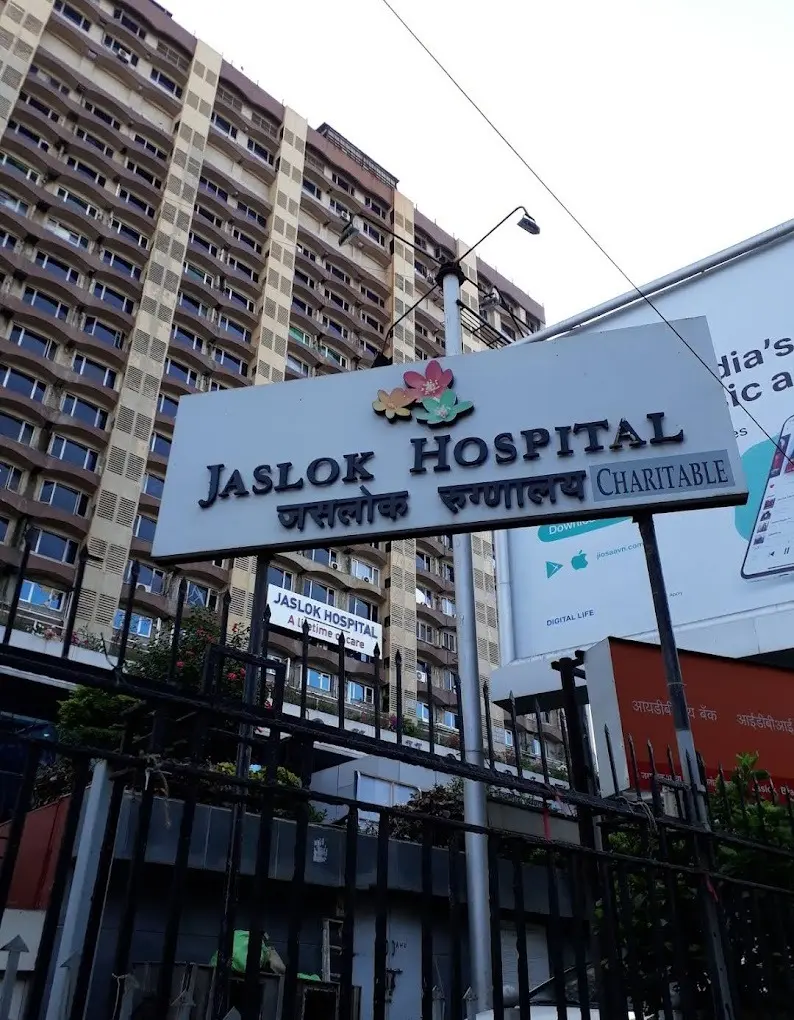
- 4.8
- 11k Reviews
- (Google)
- 350+ Beds
- 50+ Departments
- 300+ Doctors
- 65k+ Intl. Patients
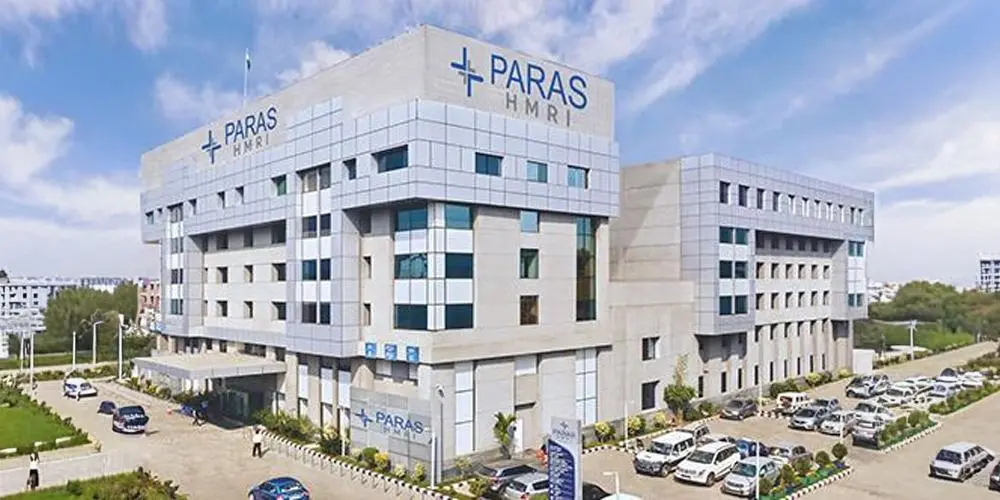
- 4.7
- 15k Reviews
- (Google)
- 250+ Beds
- 30+ Departments
- 100+ Doctors
- 30k+ Intl. Patients
Popular Spine Surgeons in India




Recovery Timeline After Spine Surgery
Recovery after spine surgery depends on the type of procedure, the patient’s overall health, and the complexity of the spinal condition. With proper postoperative care and rehabilitation guided by experienced spine specialists, many patients gradually regain mobility and return to daily activities.
| Recovery Stage | What to Expect |
| First Few Days | Patients stay in the hospital for monitoring, pain management, and early movement under experienced spine surgeons in modern hospitals. |
| 1 to 2 Weeks | Focus on wound care, rest, and limited activity while following postoperative instructions to support safe spine healing. |
| 3 to 6 Weeks | Patients often begin guided physiotherapy and rehabilitation programs to strengthen back muscles and improve flexibility after spine treatment. |
| 6 to 12 Weeks | Mobility improves and many patients gradually return to light work or daily activities depending on recovery progress. |
| 3 to 6 Months | Most patients experience improved spinal stability, strength, and function with continued therapy and follow-up with spine specialists. |
| Long-Term Care | Regular medical follow-ups and rehabilitation exercises help maintain spine health after advanced spine surgery. |
Spine Conditions Requiring Immediate Surgical Correction
Certain progressive or severe spinal conditions require surgical correction regardless of conservative treatment attempts, as non-operative management cannot address the underlying structural pathology:
- Severe scoliosis (>45-50° Cobb angle): Surgical correction with posterior spinal fusion and instrumentation prevents cardiopulmonary compromise and neurological deterioration
- High-grade spondylolisthesis (Grade III-IV): Anterior-posterior reconstruction required for stability; conservative care risks neurological catastrophe
- Cauda equina syndrome: Emergency decompression mandatory within 48 hours to preserve bladder/bowel/sexual function
- Progressive myelopathy: Cervical/thoracic cord compression with hyperreflexia/gait disturbance demands urgent laminectomy/corpectomy
- Unstable burst fractures: Instrumented stabilization prevents deformity progression and cord injury
- Primary spinal tumors/infections: Complete resection/debridement essential for neurological preservation and oncologic control
These conditions bypass conservative algorithms entirely. Surgery represents the only evidence-based pathway to prevent irreversible deficit.
Why International Patients Select India for Spine Surgery
Patients from Africa, Middle East, CIS countries, and Latin America choose India because of:
- Surgeons averaging 300-500 spine procedures annually versus 30-50 in most Western centers
- State-of-the-art technology including intraoperative CT navigation, robotic guidance systems, and endoscopic platforms matching US/European standards
- Comprehensive packages eliminating surprise billing with implants, rehabilitation, and international patient services included
- Demonstrated outcomes equivalent to global benchmarks with lower infection rates due to stringent protocols
Step-by-Step Spine Surgery Planning Process with HOSPIDIO
HOSPIDIO provides end-to-end coordination for international spine surgery patients:
- Medical Records Submission: Upload complete MRI (DICOM format preferred), CT scan, EMG/nerve conduction studies, operative reports, and physical therapy documentation through email or WhatsApp
- Multispecialty Surgical Review: Within 24-48 hours, 2-3 board-certified spine surgeons provide independent opinions regarding surgical candidacy, recommended procedure, risks, and anticipated outcomes
- Personalized Cost Estimates: Receive detailed treatment packages from JCI-accredited hospitals including surgeon fees, implants, hospital stay, physical therapy, and international patient services
- Hospital and Surgeon Selection: Compare options across Delhi, Gurugram, Mumbai, and Chennai based on case volume, technology, surgeon experience (>3,000 procedures), and package inclusions
- Pre-Travel Coordination: Medical visa invitation letters, preoperative optimization protocols, travel arrangements, and guaranteed admission dates
- Complete In-Country Support: Airport reception, hospital admission, daily care coordination, rehabilitation program, and discharge planning with home recovery protocols
- Begin immediately: Contact HOSPIDIO via WhatsApp at +91-9319955321 or email [email protected] with subject "Spine Surgery Case Review India."
HOSPIDIO facilitates rapid case review by surgeons averaging 300-500 spine procedures annually to confirm surgical candidacy and recommend the optimal procedure for your specific pathology. If you are looking for a second opinion related to spine issues, a teleconsultation with one of top spine surgeons in India, or arrangements to travel to India for spine surgery, contact us today.
Recent Blogs


Shruti Verma has completed her M.Tech in Biotechnology with experience in medical writing and scientific content development. She specializes in translating complex biomedical and healthcare information into clear, accurate, and reader-friendly content for diverse audiences. When she is not designing content, probably she is designing graphics.
Guneet Bhatia is the Founder of HOSPIDIO and an accomplished content reviewer with extensive experience in medical content development, instructional design, and blogging. Passionate about creating impactful content, she excels in ensuring accuracy and clarity in every piece. Guneet enjoys engaging in meaningful conversations with people from diverse ethnic and cultural backgrounds, enriching her perspective. When she's not working, she cherishes quality time with her family, enjoys good music, and loves brainstorming innovative ideas with her team.