
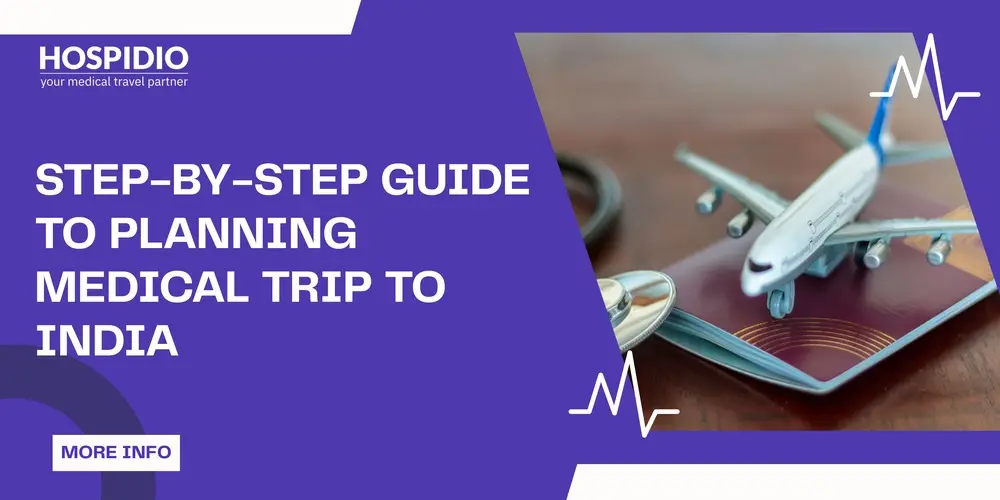
For many international patients, India represents a powerful combination: globally trained doctors, advanced technology, and costs that are often much lower than the US, UK, or the Gulf. Yet the biggest question remains: “How do I actually plan this journey safely and smoothly?”
This guide is designed for you if:
- You are considering advanced treatment in India but don’t know where to start.
- You feel unsure about hospitals, visas, language, or what happens after surgery.
- You want a structured, end‑to‑end journey, from your first consultation to long‑term recovery at home.
Organizations like HOSPIDIO exist to make that journey clear, not just the “medical” part, but travel, documentation, and follow‑up care too. Here is how you can plan your medical trip to India, step by step.
Why plan a medical trip to India? (Is it safe and worth it?)
India combines world‑class infrastructure in major cities with significantly lower costs for complex procedures such as cardiac surgery, orthopedic joint replacements, oncology treatments, fertility cycles, bariatric surgery, and cosmetic procedures.
Major hubs like Delhi‑NCR, Mumbai, Chennai, Bangalore, Hyderabad, and Kerala each have hospitals accredited by bodies like JCI and NABH, staffed with doctors trained or experienced in the US, UK, and Europe. Instead of choosing “India” as a country, you are choosing a specific city and hospital that match your medical need.
Medical‑travel facilitators help you filter options, compare treatment plans, and avoid risks that can arise from choosing purely on price or reputation. At HOSPIDIO, the focus is on structuring your entire journey, not just booking an operation, but ensuring you feel supported from day one to long after you return home.
India has become one of the world’s top destinations for medical travel, combining globally trained doctors, advanced technology, and costs that are often a fraction of what patients pay in the US, UK, or many Gulf countries.
A few key statistics:
- In 2024, more than 6,40,000 lakh foreign tourists visited India specifically for medical treatment, with numbers steadily recovering and growing after the pandemic.
- Government and industry estimates suggest around 2 million international patients come to India each year for medical, wellness, and IVF‑related treatments.
- Cardiovascular surgery alone accounts for roughly one‑fifth of all medical‑tourism revenue in India, underlining how trusted the country has become for complex heart procedures.
Medical‑travel facilitators help you navigate this ecosystem safely, so you are not just “choosing a country” but selecting the right hospital, doctor, and care package for your specific condition.
Most common procedures international patients travel to India for:
Cardiac care: Coronary artery bypass grafting (CABG), angioplasty, valve replacement, and complex pediatric heart surgeries.
Orthopedic surgery: Total knee and hip replacements, spine surgeries, and advanced joint‑preservation procedures, often at 60–80% lower cost than in Western markets.
Cancer treatment (oncology): Chemotherapy, radiotherapy, targeted therapies, and advanced options such as bone marrow transplant and immunotherapy.
Organ transplant: Kidney, liver, and bone marrow transplants, supported by experienced transplant teams and growing international‑patient programs.
Fertility & IVF: In vitro fertilization (IVF), ICSI, egg/sperm freezing, and surrogacy‑related treatments, often combined with shorter wait times and lower prices.
Cosmetic and reconstructive surgery: Rhinoplasty, liposuction, tummy tucks, breast augmentation, and advanced hair‑transplant procedures using modern techniques.
Dental and maxillofacial treatments: Implants, full‑arch reconstructions, and complex dental procedures that are often 50–70% cheaper than in Western countries.
Unlike “general tourism,” a medical trip to India should be structured around your specific condition, not generic promotional material. That is where facilitators like HOSPIDIO add value: matching your diagnosis and budget with the right treatment stream, hospital, and long‑term follow‑up plan, so your journey feels safe, predictable, and outcome‑focused.
Where should you start planning your medical trip to India?
Start by getting clear internally:
- What is your diagnosis and what are the treatment options?
- Do you want: a second opinion, a more affordable surgery, or access to a specific technology (such as robotic‑assisted procedures)?
- How long can you realistically stay in India (e.g., 2, 3, or 4 weeks)?
Before you look at hospitals or costs, ask your local doctor for:
- Updated medical records, imaging reports, and recent blood work.
- A brief summary of your condition and current treatment plan.
Once you have these, you are ready to approach a medical‑travel facilitator. The goal is not to “pick India first,” but to build a coherent plan that fits your medical profile, budget, and life constraints.
How do you choose a hospital and doctor in India?
Choosing the right hospital and doctor in India is about specialization and experience, not just the name on the board.
When evaluating options, look for:
- Hospitals that focus on your specific condition (e.g., a cardiac center for heart surgery, an oncology‑specific hospital for cancer).
- Accreditations like JCI or NABH, which indicate adherence to international standards.
- A track record in treating international patients and handling complex, multi‑stage procedures.
Red flags to watch for:
Extremely low prices with no clear hospital name or doctor details.
No written treatment plan, no itemized estimate, and no talk of follow‑up or rehabilitation.
At HOSPIDIO, your case is reviewed by a medical‑travel team that shortlists hospitals and doctors based on: your diagnosis, previous treatments, age, and budget. You receive a curated list with clear pros and cons, so your decision is informed, not rushed.
How much does treatment in India really cost?
When patients ask “How much does treatment in India cost?”, the honest answer is: it depends on the condition, hospital, and level of care. What matters most is transparency.
A clear estimate should typically include:
- Procedure cost (surgery or intervention).
- Hospital stay (room type, ICU if needed).
- Basic post‑op care, tests, and medications during the hospital stay.
Hidden‑cost watch‑out list:
- ICU days beyond the standard plan.
- Custom implants, special devices, or high‑end prosthetics.
- Extended rehab stays, follow‑up scans, and additional consultations.
- Additional stay in a hotel or accommodation nearby to the hospital post-discharge.
- Discharge medicines and any additional material needed to be purchased, eg., a walker or crutchers or a wheelchair.
- Local transportation, SIM card, visa extension fee etc.
HOSPIDIO helps patients by providing a transparent dashboard that breaks down treatment, accommodation, transfers, and potential add‑ons. This avoids the stress of surprise charges and lets you compare “like‑for‑like” options.
How do you plan travel, visa, and documents for India?
Traveling to India for treatment is not just about booking a flight, it’s about preparing the right medical and legal groundwork in advance.
Steps you will usually need:
- Obtain a medical or attendant visa for India, supported by an invitation letter from the treating hospital.
- Prepare your passport, recent photos, and any additional documents your home‑country embassy requires.
- Carry complete medical records (reports, scans, prescriptions, and medication list).
Helpful checklist items:
- Up‑to‑date COVID‑vaccination or other required vaccinations (travel‑specific guidance from your home country).
- Emergency contact details and copies of your medical insurance.
HOSPIDIO supports patients by coordinating invitation letters, advising on visa timelines, and doing a pre‑travel document check. This reduces waiting, confusion, and last‑minute surprises at the airport or consulate. You care coordinator will share a checklist of documents that you should bring with you to India.
How does your journey work from arrival to recovery in India?
A well‑structured medical trip to India avoids the feeling of “being dropped into a strange system.” Instead, you move through clear phases: arrival, pre‑op, procedure, in‑hospital recovery, and early rehab.
Typical day‑by‑day flow (example 2–3 week stay):
- Pre‑arrival: Online consultation with your allocated doctor and HOSPIDIO care manager; flight and hotel finalized.
- Day 1–2: Airport pickup, transfer to hotel or hospital, basic check‑ups, and orientation to the hospital.
- Pre‑op days: Tests, consultations, consent discussions, and final confirmation of the surgery/treatment plan.
- Procedure day: Surgery or intervention, followed by immediate recovery in the hospital.
- In‑hospital stay: Monitoring, pain management, wound care, and early mobilization as advised.
- Day of discharge: Final instructions, prescriptions, and planning for any short rehab or extended stay.
Each phase is designed to balance medical safety and emotional comfort. HOSPIDIO care managers coordinate this flow, ensuring you know what to expect each day and whom to contact if anything changes.
What role does a medical‑travel facilitator like HOSPIDIO play?
A medical‑travel facilitator is not just a “travel agent” or price‑comparator. At HOSPIDIO, the role is to structure your entire journey, medical, logistical, and emotional, you don’t have to juggle multiple hospital hotlines, hotel bookings, and visa offices alone.
Before travel:
- Review of your medical reports and history.
- Shortlisting of hospitals and doctors that match your medical profile and budget.
- Arranging second‑opinion consultations if needed.
- Visa and invitation‑letter support, insurance checks, and emergency‑contact planning.
- Arranging an accommodation and on ground transportation, including airport pick up.
- A personal coordinator to stay connected with 24X7.
During treatment:
- Airport pickups and transfers to hotel or hospital.
- Local transport coordination for all hospital visits.Interpreter support if language is a barrier.
- Daily check‑ins and coordination with the hospital team for any updates or concerns.
After discharge (but before you return home):
- Help with arranging rehab or extension stays if needed.
- Guidance on when it is safe to travel home and what precautions to take during the flight.
HOSPIDIO acts as your single point of contact: one phone number or email thread that stays with you from the first consultation to the last message before you board your flight back.
How do you plan rehabilitation and long‑term follow‑ups after returning home?
Recovery does not end when you leave the hospital in India. For many patients, the first 4–12 weeks at home are crucial.
Types of rehab you may need:
- Physiotherapy and walking programs after orthopedic or cardiac surgery.
- Nutritional plans and diet monitoring after bariatric or gastrointestinal procedures.
- Regular blood tests and imaging follow‑ups for oncology or chronic conditions.
HOSPIDIO helps by:
- Passing a detailed discharge summary to you and, with your consent, to your local doctor.
- Suggesting a follow‑up timeline (when to repeat tests, when to see a local specialist).
- Offering optional tele‑consults with your Indian doctor for the first 3–6 months after return.
This keeps the loop open between your home‑country care team and the Indian hospital, minimizing gaps and ensuring continuity.
What are the main risks and how can you reduce them?
Any surgery or medical intervention carries risks, whether in India or abroad. The key is not to chase “zero risk” but to reduce avoidable risk through structure and support.
Common concerns include:
- Infection or complications at the surgical site.
- Language or cultural barriers leading to misunderstandings.
- Unexpected travel‑related issues (flight delays, visa problems, or medical emergencies en route).
You can reduce these by:
- Choosing a hospital and doctor with strong track records in your condition.
- Getting clear, written explanations of risks and benefits before signing consent.
- Traveling with a trusted companion if possible.
- Having a facilitator like HOSPIDIO who can coordinate with hospitals, consulates, and local services in case of emergencies.
HOSPIDIO’s role is to turn uncertainty into a structured plan: clear timelines, named contacts, and predefined escalation paths if anything goes wrong.
Your next step: Turn intention into a clear plan
If you are reading this, you are already halfway there: you’ve recognized that India offers advanced, affordable treatment, but you want a clear, structured path and not guesswork.
Ready to move from “thinking about India” to a real plan?
Start by sharing your medical reports with HOSPIDIO. In return, you’ll receive:
- A tailored shortlist of hospitals and doctors.
- A transparent cost estimate that includes treatment, travel, and stay.
- A “day‑by‑day” outline for your journey, from arrival to recovery and follow‑up.
Click here to book your free pre‑travel consultation and begin building your “From Consultation to Recovery” timeline with HOSPIDIO today.
Explore Best Hospitals in India

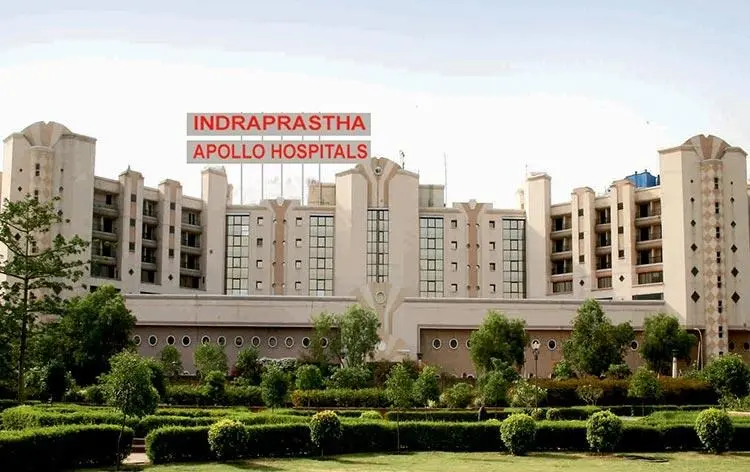
- 4.1
- 5k Reviews
- (Google)
- 750+ Beds
- 40+ Departments
- 400+ Doctors
- 35k+ Intl. Patients
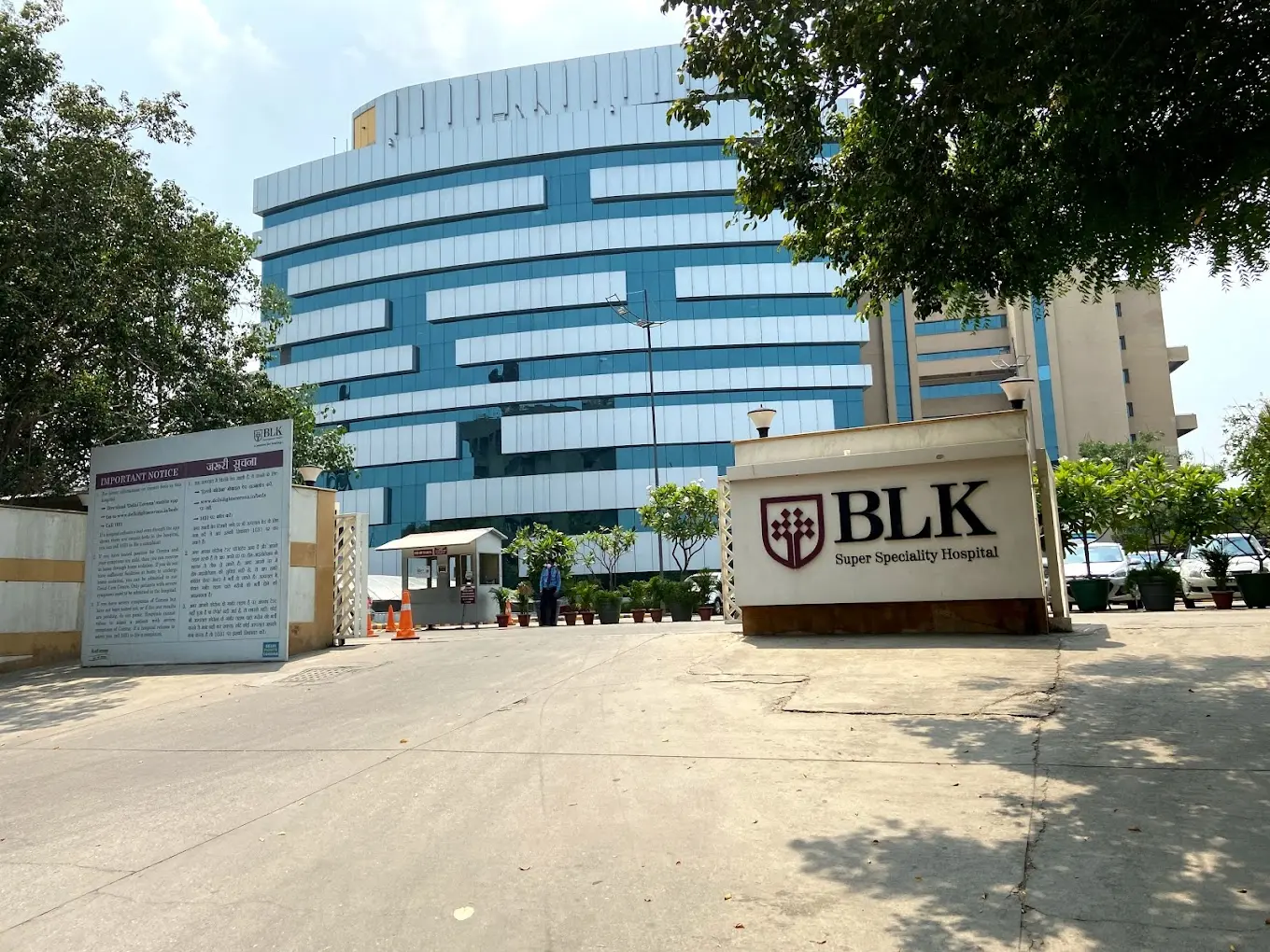

- 4.6
- 18k Reviews
- (Google)
- 650+ Beds
- 60+ Departments
- 300+ Doctors
- 90k+ Intl. Patients


- 4.2
- 8k Reviews
- (Google)
- 539+ Beds
- 38+ Departments
- 541+ Doctors
- 80k+ Intl. Patients

- 4.6
- 12k Reviews
- (Google)
- 330+ Beds
- 30+ Departments
- 250+ Doctors
- 72k+ Intl. Patients
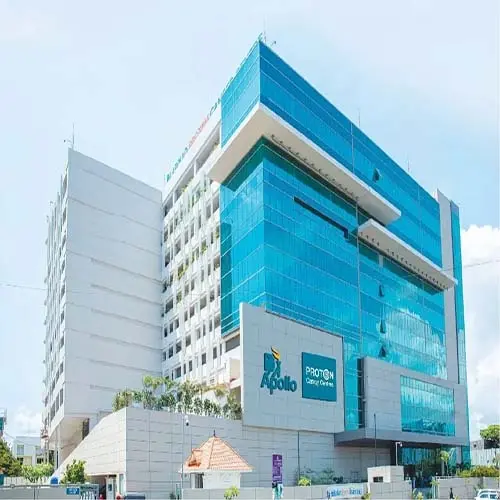
- 4.9
- 5k Reviews
- (Google)
- 150+ Beds
- 10+ Departments
- 30+ Doctors
- 2k+ Intl. Patients

- 4.2
- 9k Reviews
- (Google)
- 1k+ Beds
- 30+ Departments
- 900+ Doctors
- 125k+ Intl. Patients
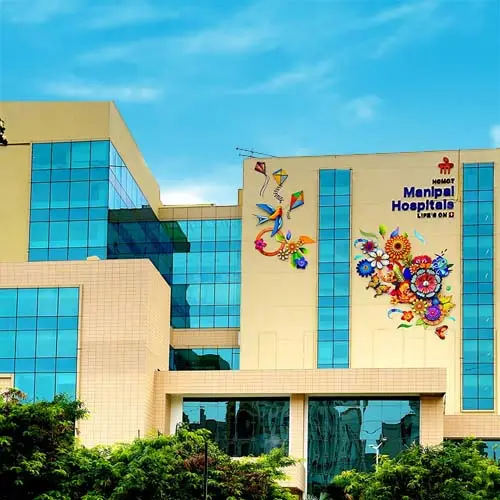
- 4.7
- 14k Reviews
- (Google)
- 710+ Beds
- 50+ Departments
- 200+ Doctors
- 45k+ Intl. Patients

- 3.8
- 4k Reviews
- (Google)
- 750+ Beds
- 35+ Departments
- 410+ Doctors
- 25k+ Intl. Patients
- 4.6
- 17k Reviews
- (Google)
- 380+ Beds
- 30+ Departments
- 90+ Doctors
- 50k+ Intl. Patients
Read Related Blogs


Recent Blogs


Frequently Asked Questions
This depends on your procedure. Routine orthopedic surgeries may require 10 to 14 days, while complex cardiac or oncology plans may need 2 to 4 weeks or more, including recovery and early rehab.
Yes. You will usually require a medical or attendant visa, supported by an invitation letter from the Indian hospital and a referral from your home‑country doctor.
Look for accreditations (JCI, NABH), specialization in your condition, and transparent communication. Facilitators like HOSPIDIO vet and shortlist hospitals and doctors based on your medical profile.
Yes. HOSPIDIO supports you with coordination, communication, and escalation to the right medical or administrative team. You are not alone in a foreign system.
You, your local doctor, and HOSPIDIO together manage follow‑up: reports, timelines, and optional tele‑consults so your care continues smoothly.
Baani Singh is a Trainee Intern specializing in Content and Brand Management at HOSPIDIO. With a keen interest in healthcare communication, she contributes to creating informative and engaging content that bridges the gap between medical services and patients seeking treatment abroad. Her work supports HOSPIDIO's mission to provide accessible and transparent medical travel solutions.
Guneet Bhatia is the Founder of HOSPIDIO and an accomplished content reviewer with extensive experience in medical content development, instructional design, and blogging. Passionate about creating impactful content, she excels in ensuring accuracy and clarity in every piece. Guneet enjoys engaging in meaningful conversations with people from diverse ethnic and cultural backgrounds, enriching her perspective. When she's not working, she cherishes quality time with her family, enjoys good music, and loves brainstorming innovative ideas with her team.