
Gallbladder stones, commonly known as gallstones, are one of the most common digestive disorders affecting millions worldwide. These hardened deposits form inside the gallbladder – a small organ that stores bile and can range in size from tiny grains of sand to stones as large as a golf ball. While many people live with gallstones without knowing it, others may experience sudden, intense abdominal pain or develop serious complications that require immediate medical care.
Gallstones usually form when the bile contains too much cholesterol, bilirubin, or lacks enough bile salts. Poor diet, rapid weight loss, obesity, hormonal changes, certain medical conditions, and genetics can all contribute to their development. Recognizing early symptoms is essential because untreated gallstones can lead to complications such as cholecystitis (gallbladder inflammation), jaundice, pancreatitis, or bile duct infections, some of which may require hospitalization or surgery.
In this blog, we’ll cover all the essentials – what gallstones are, why they form, the key symptoms, risk factors, complications, and the diagnostic tests used to detect them. We’ll also outline both surgical and non-surgical treatment options, along with practical prevention tips, diet advice, and lifestyle changes to reduce your risk.
We Handle the Planning
You Focus on Recovery
From Medical Visa assistance to airport pick-up and local stay, HOSPIDIO manages your entire medical trip.
Tell Us About Your Need
Free case review. Confidential. No obligation.What Are Gallbladder Stones?
Gallbladder is a small, pear-shaped organ tucked under your liver. It stores bile, a digestive fluid made by the liver, and releases it into your small intestine to help digest fats. When components of this bile such as cholesterol or bilirubin harden, they can form gallstones.
These stones can differ widely in size, ranging from microscopic grains of sand to ones as large as a golf ball.Some people may have a single gallstone, while others could have many.
There are two main types of gallstones:
Cholesterol stones: These are the most common type. They’re often yellow and form when bile contains more cholesterol than it can dissolve.
Pigment stones: These are darker (brown or black) and develop when there's too much bilirubin in bile, a pigment from the breakdown of red blood cells.
Why Do Gallstones Form?
Although the exact reason gallstones form isn’t always clear, several well-established factors contribute to their development. When the liver produces more cholesterol than the bile can dissolve, the excess can crystallize and gradually form cholesterol stones. Certain medical conditions such as liver cirrhosis, chronic infections of the biliary system, or blood disorders like hemolytic anemia can increase bilirubin levels, leading to pigment stones. Poor gallbladder motility is another major cause; when the gallbladder doesn’t empty fully or frequently, bile becomes stagnant and overly concentrated, allowing crystals to form.
Hormonal influences (such as pregnancy or estrogen therapy), obesity, rapid weight loss, and diets high in fats and refined carbohydrates can further increase the risk. Together, these factors create the ideal environment for gallstones to develop and grow over time.
Risk Factors
Some people are more prone to gallstones than others. Key risk factors include:
- Gender and hormones: Women are more likely to develop gallstones — especially during their fertile years – because estrogen increases cholesterol in bile and decreases gallbladder motility.
- Age: Risk increases as you get older.
- Obesity or rapid weight loss: Being overweight raises your risk, but so does losing weight too quickly (for example, after bariatric surgery).
- Ethnicity/genetics: Certain populations (e.g., Native Americans, people of Mexican descent) have higher rates of gallstones, likely due to genetic factors.
- Diet & lifestyle: High-fat, high-cholesterol, low-fiber diets, and sedentary habits all contribute.
- Medical conditions: Diabetes, certain blood disorders (like sickle cell anemia), liver disease, and rapid weight loss can all increase risk.
- Medications: Estrogen therapy and some other drugs have been linked to gallstone formation.
Signs & Symptoms of Gallbladder Stones
One tricky thing about gallstones is that many people don’t feel anything – these are known as “silent” gallstones. But when symptoms do occur, they often arise because a stone gets stuck in a bile duct and partially or completely blocks bile flow.
Here’s what to watch out for:
- Sudden, intense pain in the upper right abdomen or the center of the abdomen just below the breastbone.
- Pain that radiates to your back (between your shoulder blades) or to your right shoulder.
- Nausea or vomiting.
- Biliary colic: This is a gallstone “attack” – the pain builds up, peaks, and then subsides, especially when the stone moves or the blockage clears temporarily.
Warning Signs
You should see a doctor if you experience any of these:
- Pain lasts several hours, especially if it’s severe.
- Fever or chills (signs of infection).
- Jaundice - yellowing of skin or eyes.
- Dark-colored urine or pale stools.
These symptoms may indicate serious complications like cholecystitis (inflamed gallbladder), cholangitis (bile-duct infection), or pancreatitis (inflammation of the pancreas).
Possible Complications:
When gallstones cause obstruction or recurrent inflammation, they can lead to several complications:
Cholecystitis (gallbladder inflammation)
When a stone blocks the gallbladder’s outlet, bile gets trapped inside, causing swelling, severe pain, fever, and infection. This often needs urgent medical care and may require surgery.
Blocked bile duct (choledocholithiasis)
Gallstones can travel and lodge in the common bile duct, preventing bile from reaching the intestine. This can lead to jaundice, infection (cholangitis), and severe abdominal pain.
Pancreatitis
If a stone blocks the pancreatic duct or its opening, digestive enzymes get trapped and inflame the pancreas. This can cause intense abdominal pain and may become a life-threatening emergency if not treated promptly.
Gallbladder cancer
Through uncommon, having long-standing gallstones, especially large ones or chronic inflammation can slightly increase the risk of developing gallbladder cancer over time. cancer: Rare, but long-term gallstone disease slightly increases risk.
Diagnosis: How Are Gallstones Detected?
If your doctor suspects gallstones, they may recommend:
- Blood tests to check overall blood counts and measure digestive enzymes like amylase and lipase.
- Ultrasound, the first-line imaging test to visualize the gallbladder and detect stones.
- CT scan for more detailed images of the abdominal organs.
- MRCP, a special MRI that provides clear images of the liver, bile ducts, and gallbladder
- ERCP, an invasive procedure used not only to locate the gallbladder stone in the bile or pancreatic ducts but also to remove them during the same session.
- HIDA scan (cholescintigraphy), to assess how well the gallbladder empties bile.
Treatment Options
Not all gallstones require treatment. If the stones are “silent,”meaning they aren’t causing pain, discomfort, or complications, your doctor may simply monitor them over time. Many people live with gallstones for years without needing any intervention.
However, when gallstones become symptomatic or lead to complications such as inflammation, infection, or blockage of the bile ducts, treatment becomes necessary. Here are the most common options:
1. Surgery (Cholecystectomy)
This is the standard and most effective treatment for symptomatic gallstones. In this procedure, the entire gallbladder is removed, typically through laparoscopic (keyhole) surgery, which involves small incisions, minimal pain, and a quicker recovery period. Most patients can return to their normal routine within a week. Living without a gallbladder usually doesn’t cause major issues, as the liver continues to produce bile needed for digestion. This surgery is generally recommended when gallstones lead to repeated pain, infections, or complications such as gallbladder inflammation (cholecystitis).
2. Non-Surgical
Treatments While surgery is the most reliable solution, certain non-surgical options may be used in specific cases:
- Oral dissolution therapy: It involves medications like ursodeoxycholic acid (UDCA) that help dissolve small, cholesterol-based stones. This approach is mainly for patients who cannot undergo surgery, but it requires months to years of treatment, and stones often return once the medication is stopped.
- ERCP (Endoscopic Retrograde Cholangiopancreatography): which is used when gallstones migrate into the common bile duct. In this procedure, a flexible endoscope is passed through the mouth to locate and remove the stones. ERCP is often paired with surgery when both the gallbladder and bile ducts contain stones.
- Shock-Wave Lithotripsy: uses high-energy sound waves to break gallstones into smaller fragments. However, it is rarely used today because it works only for select types of stones, the broken pieces can still move and cause blockages, and it often needs to be combined with medications to fully clear the stones.
3. Monitoring:
If your gallstones aren’t causing any symptoms, your doctor may simply suggest monitoring them over time. This usually involves routine checkups and ultrasound scans only if new symptoms appear. You may also be advised to adopt healthier lifestyle habits – such as maintaining a balanced diet and a healthy weight to help prevent stone progression. In many cases, silent gallstones remain harmless and never require treatment.
Best Hospitals for Gall Bladder Stone Removal in India


- 4.1
- 5k Reviews
- (Google)
- 750+ Beds
- 40+ Departments
- 400+ Doctors
- 35k+ Intl. Patients



- 4.7
- 9k Reviews
- (Google)
- 1k+ Beds
- 40+ Departments
- 300+ Doctors
- 55k+ Intl. Patients

- 4.3
- 6k Reviews
- (Google)
- 402+ Beds
- 34+ Departments
- 348+ Doctors
- 50k+ Intl. Patients
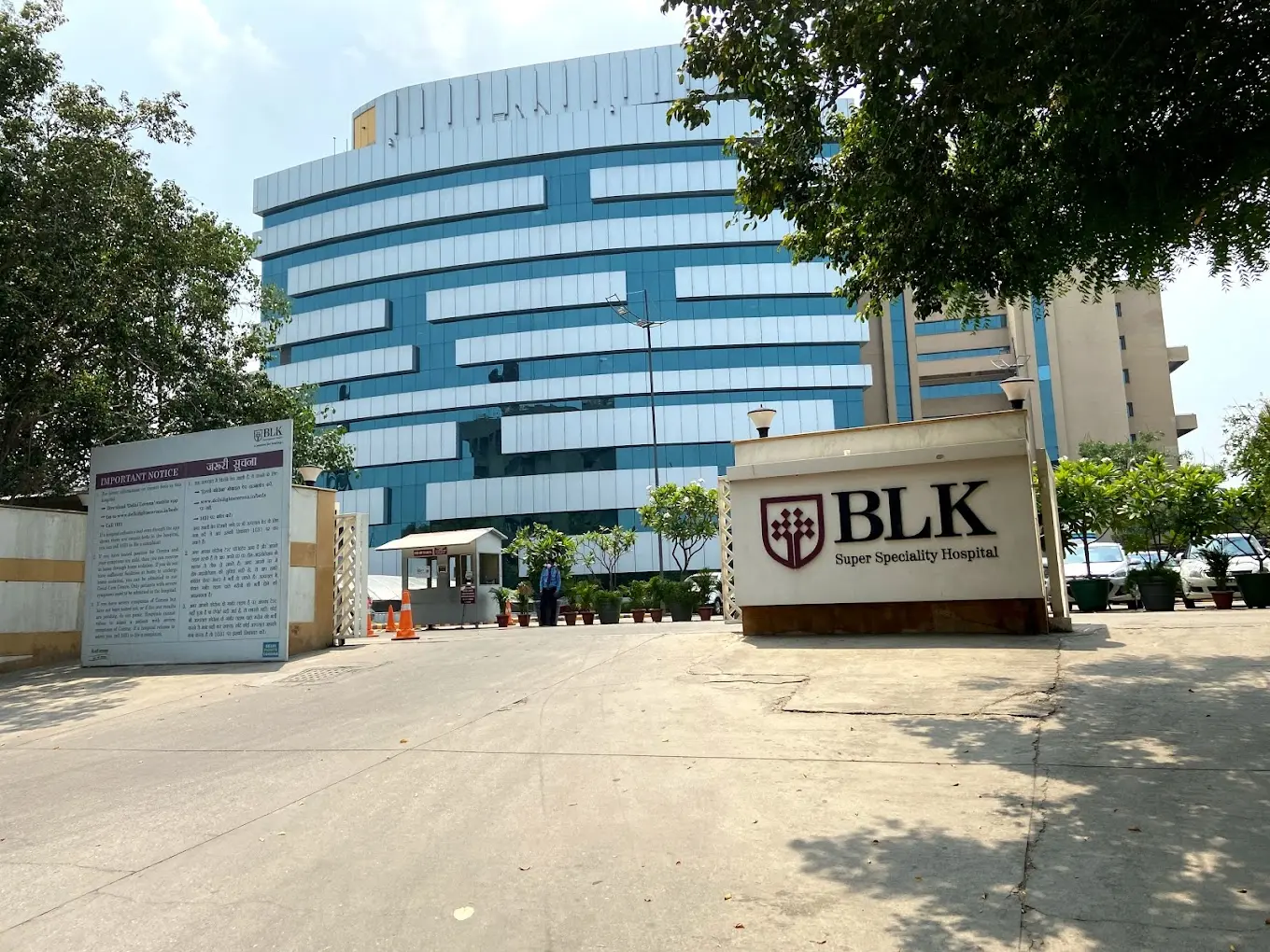
- 4.6
- 18k Reviews
- (Google)
- 650+ Beds
- 60+ Departments
- 300+ Doctors
- 90k+ Intl. Patients

- 4.8
- 11k Reviews
- (Google)
- 350+ Beds
- 50+ Departments
- 300+ Doctors
- 65k+ Intl. Patients
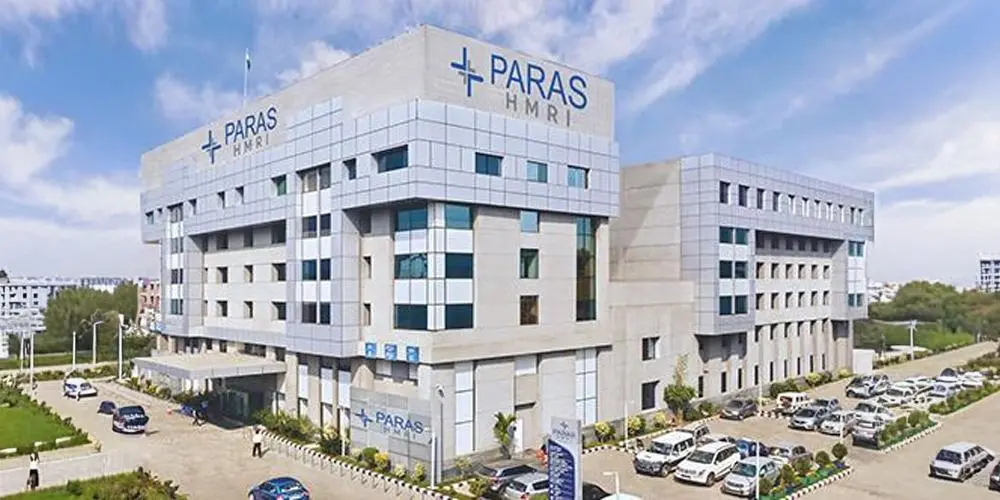
- 4.7
- 15k Reviews
- (Google)
- 250+ Beds
- 30+ Departments
- 100+ Doctors
- 30k+ Intl. Patients

- 4.6
- 901 Reviews
- (Google)
- 130+ Beds
- 30+ Departments
- 50+ Doctors
- 10k+ Intl. Patients
Living With Gallstones
If you have gallstones without symptoms, staying aware of warning signs is essential because silent stones can sometimes shift and cause sudden pain or blockage. Maintaining a balanced, fiber-rich diet, staying active, and achieving a healthy body weight can significantly reduce the risk of complications by improving bile flow and reducing cholesterol saturation. Regular checkups are especially important if you have conditions like obesity, diabetes, liver disease, or rapid weight fluctuations, as these factors can influence stone formation and progression.
After gallbladder removal, most people digest food normally because bile continues to flow directly from the liver to the intestine. However, some may experience temporary bloating, loose stools, or difficulty digesting very fatty meals during the initial recovery period. These symptoms usually improve over time and can be managed with small, frequent meals, moderated fat intake, and guidance from a healthcare professional. With appropriate lifestyle habits and medical follow-up, long-term digestive health can be maintained effectively.
Read More Blogs


Final Thoughts
Gallbladder stones may sound alarming, but not all of them are dangerous. Many people live their entire lives with silent stones that never cause pain or require treatment. The key is understanding your personal risk, recognizing early symptoms when they appear, and adopting lifestyle habits that support healthy digestion and prevent complications. Regular checkups, timely medical advice, and mindful dietary choices can go a long way in keeping gallstone issues under control. If you ever experience persistent pain or suspect symptoms, consulting a medical professional is the safest and smartest step. Your gallbladder health is manageable and with the right guidance, often completely treatable.
Top Surgeons For Gall Bladder Stone Removal in India




Specialized in




References:
- Cleveland Clinic: https://my.clevelandclinic.org/health/diseases/7313-gallstones
- Mayo Clinic: https://www.mayoclinic.org/diseases-conditions/gallstones/symptoms-causes/syc-20354214
- NIH: https://www.niddk.nih.gov/health-information/digestive-diseases/gallstones/definition-facts
Recent Blogs


Frequently Asked Questions
Any gallstone can become dangerous if it blocks the bile ducts, but stones larger than 1 cm are more likely to cause complications like inflammation, infection, or pancreatitis. Very large stones (2 cm or more) can increase long-term risks, including gallbladder cancer.
Gallstones develop due to excess cholesterol, imbalanced bile composition, rapid weight loss, obesity, pregnancy, or genetics. Women, diabetics, and people over 40 are at higher risk.
Most gallstones do not dissolve naturally. Silent stones may remain stable, but symptomatic stones rarely disappear without treatment.
Yes. Hormonal changes slow gallbladder emptying, making pregnant women more prone to developing stones or experiencing symptoms.
Gallstones are most commonly detected through ultrasound, but tests like MRCP, CT scan, blood tests, and HIDA scan may be used to assess complications.
High-fat, greasy, and fried foods often trigger pain. Processed meats, full-fat dairy, and heavy carbs can also worsen symptoms.
Sanjana Sharma is a certified diabetes educator with a solid academic background in nutrition and dietetics. Her qualifications include a BSc in Clinical Nutrition and Dietetics, an MSc in Foods and Nutrition from CCS University, a Diploma in Health and Education from IGNOU, and a certification from NDEP. Dedicated to helping patients manage their health through personalized care and education, she brings expertise and compassion to her work. Outside of counseling and writing, Sanjana loves staying updated with fashion trends, sharing corporate memes on Instagram, and, of course, thinking about food.
Guneet Bhatia is the Founder of HOSPIDIO and an accomplished content reviewer with extensive experience in medical content development, instructional design, and blogging. Passionate about creating impactful content, she excels in ensuring accuracy and clarity in every piece. Guneet enjoys engaging in meaningful conversations with people from diverse ethnic and cultural backgrounds, enriching her perspective. When she's not working, she cherishes quality time with her family, enjoys good music, and loves brainstorming innovative ideas with her team.