
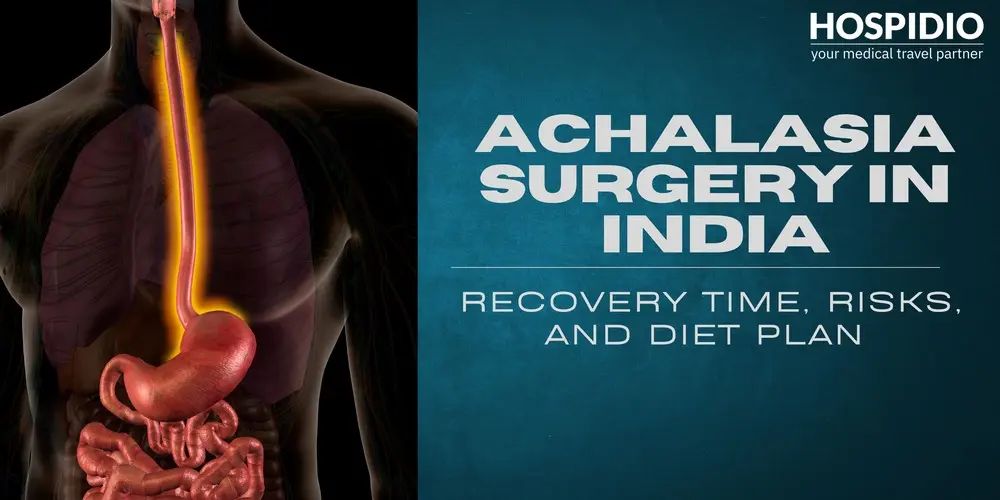
Achalasia is a rare but serious disorder of the esophagus, where the lower esophageal sphincter fails to relax properly, making it difficult to swallow food and liquids. Left untreated, it can lead to significant weight loss, malnutrition, and reduced quality of life. Many patients find that medications and temporary treatments such as balloon dilatation or Botox injections offer only short‑term relief. In contrast, surgery, such as peroral endoscopic myotomy (POEM) or laparoscopic Heller myotomy, often provides the best long‑term solution.
India has become a preferred destination for international patients seeking advanced and affordable achalasia surgery. With internationally accredited hospitals, highly experienced gastrointestinal surgeons, and transparent bundled packages, patients from countries like the USA, UK, Canada, the Gulf, and others can access world‑class care at a fraction of the cost. This FAQ‑style guide answers the most common questions about achalasia surgery in India, covering recovery time, risks, diet, costs, and how HOSPIDIO can help you plan your treatment journey.
Why International Patients Choose India for Achalasia Surgery?
Many foreign patients choose India for achalasia surgery because of the combination of quality, expertise, and affordability.
Internationally accredited hospitals: Leading centers in India hold accreditations such as NABH and JCI‑equivalent standards, ensuring high‑quality infrastructure, infection control, and patient safety protocols.
Experienced GI surgeons: Hospitals in major cities have dedicated teams performing hundreds of POEM and laparoscopic Heller myotomy procedures each year.
Lower overall cost: Compared to the US, UK, or Gulf countries, the total cost of achalasia surgery in India is often 60 to 80% lower, even after including travel and accommodation.
Short‑term medical‑tourism stays: Most patients can complete diagnostic tests, surgery, and initial recovery within 10–14 days.
Language and support services: Multilingual staff and dedicated medical‑tourism coordinators (including HOSPIDIO) assist with everything from visa letters to airport transfers and local interpreter services.
If you are considering treatment abroad, India offers a balance of advanced technology, experienced surgeons, and a supportive environment for international patients.
Best Surgeons for Achalasia Surgery in India

FAQ 1: What Types of Achalasia Surgery Are Available in India?
In India, the main surgical options for achalasia are:
- Peroral endoscopic myotomy (POEM): A minimally invasive procedure in which the surgeon uses an endoscope passed through the mouth to cut the over‑tight muscle in the lower esophagus. There are no external cuts, recovery is generally faster, and hospital stay is shorter.
- Laparoscopic Heller myotomy with fundoplication: A keyhole surgery where the surgeon cuts the lower esophageal muscle laparoscopically and often adds a partial fundoplication (wrapping part of the stomach) to reduce the risk of post‑surgery acid reflux.
- Temporary options: Balloon dilatation and Botox injections can ease symptoms for a while, but they often need repeating and are not considered long‑term solutions for most patients.
The choice between POEM and Heller myotomy depends on factors such as your age, overall health, grade of achalasia, surgeon’s expertise, and whether you are prone to reflux. A specialist in India can guide you on the best option for your case.
FAQ 2: How Long Do I Need to Stay in India for Surgery and Recovery?
Many international patients are pleasantly surprised by how quickly they can complete their treatment.
- Typical hospital stay: After POEM or laparoscopic Heller myotomy, most patients stay in the hospital for 2 to 4 days for observation, pain management, and dietary transition.
- Recommended total stay in India: Doctors usually advise a total stay of 10 to 14 days, which covers pre‑operative tests, surgery, observation, and at least one post‑surgery follow‑up.
- When to fly home: It is generally safe to fly about 5 to 7 days after surgery if your pain is controlled, you are tolerating a soft diet, and your surgeon has cleared you. Some patients may need to stay longer if complications arise or if travel is from a distant region.
Your exact stay will depend on your individual recovery, your home‑country travel regulations, and the surgeon’s recommendations.
FAQ 3: What Is the Recovery Timeline After Achalasia Surgery?
Recovery after achalasia surgery is usually gradual but steady.
- First 24–48 hours: You will be monitored in the hospital, start with clear liquids, and receive pain relief as needed.
- Days 3–7: Many patients move to a soft diet (well‑blended or mashed foods) and may begin light walking inside the hospital or hotel.
- Weeks 2–4: Most patients can return to light work or short‑distance travel, continue soft foods, and slowly increase activity. Full functional recovery typically takes about 4–6 weeks.
- Heavy lifting or strenuous exercise: Surgeons usually advise avoiding heavy lifting or intense workouts for 6 to 8 weeks to protect the healing area.
Recovery after POEM is often slightly faster than after laparoscopic Heller myotomy, but both procedures yield excellent long‑term symptom relief when performed at experienced centers.
FAQ 4: What Are the Risks and Possible Complications of Achalasia Surgery?
Like any surgery, achalasia procedures carry some risks, but serious complications are relatively rare in expert hands.
- General surgical risks: Infection, bleeding, adverse reactions to anesthesia, and blood clots.
- Achalasia‑specific risks:
- New or worsened GERD (acid reflux) after myotomy.
- Minor leaks or perforations that can usually be managed endoscopically.
- Recurrence of dysphagia over time, which may require repeat treatment.
Indian hospitals minimize these risks through thorough pre‑operative evaluation (including manometry and endoscopy), experienced surgical teams, and strict protocols for infection control and post‑op care. Many leading centers also have low‑risk complication rates, similar to those reported in Western literature.
FAQ 5: Will I Still Have GERD or Heartburn After Surgery?
GERD and heartburn can occur or worsen after achalasia surgery, especially after Heller myotomy without an adequate antireflux procedure.
- Why reflux happens: Cutting the lower esophageal muscle can reduce resistance to acid reflux.
- Role of fundoplication: If a partial fundoplication is added during Heller myotomy, it helps reduce the risk of chronic reflux.
- Lifestyle and diet changes: Elevating the head of the bed, avoiding late‑night meals, and reducing spicy or fatty foods can help control symptoms.
- Medications: Some patients need long‑term proton pump inhibitors (PPIs) or H2 blockers under their doctor’s guidance.
Follow‑up consultations in India and coordination with your local gastroenterologist can help monitor and manage any reflux symptoms effectively.
FAQ 6: What Kind of Diet Should I Follow After Achalasia Surgery?
Diet plays a crucial role in recovery and long‑term comfort.
- First 24–48 hours: Clear liquids only (water, broth, clear juices without pulp).
- First 1–2 weeks: Soft, well‑blended foods such as smoothies, soups, mashed potatoes, curd, and semi‑solid khichdi. Avoid very hot, spicy, or carbonated drinks.
- Week 3–4 onwards: Gradually reintroduce soft solids, chewing each bite slowly and in small portions.
Long‑term diet tips:
- Eat small, frequent meals instead of large ones.
- Avoid foods that trigger reflux or choking.
- Drink fluids between meals rather than with meals.
Your surgeon or dietitian may provide a customized meal chart, especially useful if you are traveling back home soon after surgery.
FAQ 7: How Soon Can I Eat Normally Again Without Pain or Choking?
Most patients notice improvement in swallowing within days of surgery, but full comfort can take a few weeks.
- Immediate improvements: Many patients report easier swallowing of liquids and soft foods within the first week.
- Important factors: Choosing an experienced center, following the prescribed diet plan, and attending follow‑up visits all speed up recovery.
- Warning signs: Seek urgent medical attention if you develop high fever, severe chest or abdominal pain, vomiting, or difficulty breathing after surgery.
If you notice persistent or worsening symptoms despite following instructions, your doctor may recommend an endoscopic check‑up to rule out complications.
FAQ 8: What Should I Know Before Traveling to India for Achalasia Surgery?
Planning your trip to India with the right information can ease anxiety and streamline your treatment.
Before travel:
- Collect your medical records, especially endoscopy and manometry reports.
- Book a pre‑consultation video call with your chosen surgeon via HOSPIDIO.
- Arrange a medical visa with the help of the hospital and visa‑support letters.
On arrival:
- Many hospitals and medical‑tourism agencies (like HOSPIDIO) offer airport pickup and hotel arrangements.
- Admission is usually fast‑tracked once you clear preliminary tests.
During your stay:
- Interpreter services and multilingual staff help overcome language barriers.
- HOSPIDIO coordinates between the hospital, your travel schedule, and any need for extensions or follow‑up tests.
It is also wise to ensure you have adequate travel insurance and emergency contacts before you leave your home country.
FAQ 9: How Much Does Achalasia Surgery Cost in India for International Patients?
India offers a strong cost advantage for achalasia surgery compared with Western countries.
Typical price ranges (approximate):
- POEM: Often in the range of USD 3,500–4,000
- Laparoscopic Heller myotomy with fundoplication: Around USD 4,000–5,500
What is usually included:
- Diagnostic tests (endoscopy, manometry, imaging).
- Surgery, anesthesia, hospital stay, and surgeon fees.
- Follow‑up consultation within the package period.
Extra costs to consider:
- Accommodation for you and a companion.
- Non‑medical travel (airfare, local transportation).
- Additional investigations or treatments if complications arise.
Many hospitals provide transparent, all‑inclusive packages that help you plan your budget confidently. HOSPIDIO can assist in comparing offers and selecting the best‑value option for your needs.
FAQ 10: How Can HOSPIDIO Help Me Plan My Achalasia Treatment in India?
HOSPIDIO acts as your end‑to‑end partner for medical travel to India.
- Hospital and surgeon selection: We connect you with top GI‑surgery centers and experienced achalasia surgeons in India.
- Cost estimates and timelines: We help you understand package details, compare options, and choose a treatment window that fits your schedule.
- Travel and stay coordination: We support visa‑support letters, appointment scheduling, local transportation, and follow‑up coordination.
- Ongoing support: Even after you return home, we can help with sharing reports, coordinating virtual follow‑ups, or guiding you to local specialists.
If you are ready to explore treatment in India, ask us for a personalized treatment plan for your achalasia surgery. You can fill out a contact form or send a WhatsApp message, and we’ll respond within a few hours.
FAQ 11: Is Achalasia Surgery Covered by Insurance for International Patients?
Insurance coverage depends on your provider and home country’s policies.
- Reimbursement options: Some insurers allow reimbursement for treatment abroad if you submit detailed medical reports, itemized bills, and discharge summaries.
- Pre‑authorization: Certain plans require prior approval before you travel for surgery.
- Out‑of‑pocket and claim route: Many patients pay directly in India and then claim back from their insurer.
HOSPIDIO can help you document your treatment appropriately, provide electronic copies of invoices, and support your insurance claim process.
FAQ 12: Can I Travel Alone for Surgery, or Should I Bring a Companion?
Traveling with a companion is often beneficial but not always mandatory.
When a companion is recommended:
- If you are older, have other medical conditions, or feel anxious about traveling alone.
- A companion can help with meals, medication, communication, and moral support.
If you travel alone:
- Hospitals and medical‑tourism agencies can arrange attendants or caregivers.
- Hotel staff and local coordinators can also assist with day‑to‑day needs.
Discuss your situation with HOSPIDIO; we can advise on the safest and most comfortable option for you.
FAQ 13: How Is Achalasia Diagnosed Before Surgery in India?
Proper diagnosis is crucial to ensure the right treatment.
Key tests:
- Endoscopy: To visually examine the esophagus and rule out other conditions.
- Barium swallow: To observe how food moves through the esophagus.
- High‑resolution manometry: The gold standard for confirming achalasia and its subtype.
Why these tests matter: They help the surgeon decide between POEM, Heller myotomy, or other options and assess the severity of your condition.
Waiting time: In major tertiary centers, diagnostic tests are usually completed within a few days, allowing surgery to be scheduled quickly.
If you already have recent tests done abroad, bring them along; your Indian doctor may still want to repeat or update some studies.
FAQ 14: What If My Symptoms Don’t Improve After Surgery?
Most patients experience significant relief, but a small percentage may face persistent or returning symptoms.
Possible reasons:
- Incomplete muscle cut (inadequate myotomy).
- Stricture or narrowing at the surgical site.
- Ongoing motility disorders.
Next steps:
- Repeat endoscopy and manometry may be needed.
- Treatments can include balloon dilation, additional endoscopic procedures, or revision surgery.
Regular follow‑up and early reporting of symptoms increase the chances of successful correction.
FAQ 15: How Often Should I Follow Up After Returning Home?
Follow‑up is key to long‑term success.
Typical follow‑up schedule:
- First month: Check‑up via video call or in person to review recovery and diet.
- 3 and 6 months: Endoscopic review or tele‑consultation if required.
- Annually or as advised: Monitoring for reflux, dysphagia, or other issues.
From abroad:
HOSPIDIO can help coordinate virtual consultations and share reports with your local gastroenterologist.
Keeping your Indian surgeon informed improves continuity of care.
FAQ 16: Can I Combine Achalasia Surgery with Other Procedures or Health Checks?
Some patients choose to bundle achalasia surgery with other health checks.
Possible additional procedures:
Cardiac screening, cancer screening, or other elective surgeries.
Considerations:
- Combining multiple procedures increases complexity and recovery time.
- A thorough pre‑operative assessment is essential.
HOSPIDIO can help design a safe, multi‑procedure medical‑tourism itinerary if you wish to maximize your stay in India.
FAQ 17: What Lifestyle Changes Improve My Long‑Term Outcome?
Surgery is just one part of long‑term management.
Beneficial changes:
- Maintain a healthy weight and avoid obesity.
- Avoid late‑night meals and don’t lie down immediately after eating.
- Elevate the head of your bed or sleep on a wedge pillow.
Behaviors to avoid:
- Smoking, excessive alcohol, and tight belts around the abdomen.
- Overeating or eating very quickly.
These habits complement your surgery and reduce the risk of reflux and complications.
FAQ 18: What Questions Should I Ask My Surgeon Before Surgery?
Coming prepared with the right questions helps you choose the right surgeon and center.
Essential questions to ask:
- How many POEM or Heller myotomy procedures have you performed?
- What are your complication and symptom‑relief rates?
- What is the expected hospital stay and recovery timeline?
- How are follow‑ups handled after I return home?
Judging experience:
- Ask for published outcomes or data, if available.
- Prefer centers with a dedicated motility unit and high‑resolution manometry.
A video consultation with your surgeon via HOSPIDIO can give you confidence before you travel.
Conclusion
Achalasia surgery in India offers international patients a combination of advanced expertise, faster access, and cost savings. With the right preparation, a clear diet plan, and proper follow‑up, most patients enjoy a dramatic improvement in swallowing and quality of life. If you or a loved one is struggling with achalasia, consider exploring treatment in India with HOSPIDIO’s guidance.
To get started, ask us for a personalized treatment plan, tell us about your condition, home country, and preferred timeline, and we’ll help you choose the best hospital, surgeon, and package for your achalasia surgery in India.
Recent Blogs

Shruti Verma has completed her M.Tech in Biotechnology with experience in medical writing and scientific content development. She specializes in translating complex biomedical and healthcare information into clear, accurate, and reader-friendly content for diverse audiences. When she is not designing content, probably she is designing graphics.
Guneet Bhatia is the Founder of HOSPIDIO and an accomplished content reviewer with extensive experience in medical content development, instructional design, and blogging. Passionate about creating impactful content, she excels in ensuring accuracy and clarity in every piece. Guneet enjoys engaging in meaningful conversations with people from diverse ethnic and cultural backgrounds, enriching her perspective. When she's not working, she cherishes quality time with her family, enjoys good music, and loves brainstorming innovative ideas with her team.