

For most men, turning 40 marks the beginning of a new phase of health awareness, especially when it comes to the prostate. Terms like enlarged prostate, benign prostatic hyperplasia (BPH), PSA and prostate cancer may start appearing during doctor visits or routine screenings. But many men still don’t fully understand the difference between the two most commonly discussed prostate conditions: BPH vs prostate cancer.
Although both conditions affect the same gland and may cause similar urinary symptoms, they are very different in nature, seriousness, and long-term outcomes. Understanding these differences can be life-saving.
Here we break down everything you need to know – symptoms, causes, warning signs, diagnosis, PSA test meaning, treatments, and when it’s time to see a urologist.
What is the Prostate?
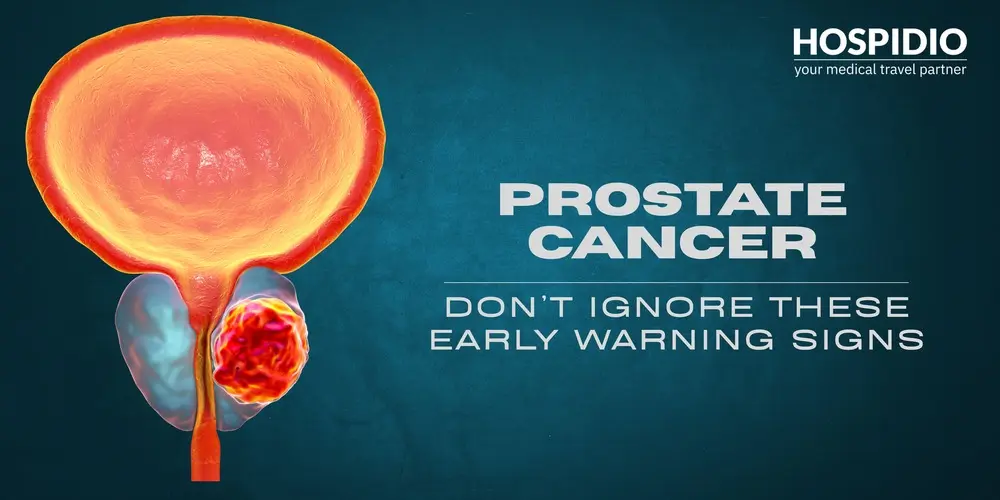
The prostate is a walnut-sized gland located below the bladder and in front of the rectum. It surrounds the urethra – the tube that carries urine out of the body. Its job is to produce seminal fluid. Because of where it sits, even small changes in its size or texture can cause urinary problems. As men age, two conditions tend to affect the prostate:
- Benign Prostatic Hyperplasia (Enlarged Prostate): a non-cancerous enlargement also known as prostate enlargement or prostate hypertrophy
- Prostate Cancer: uncontrolled growth of prostate cells
What Is an Enlarged Prostate (BPH)?
Enlarged prostate, medically known as benign prostatic hyperplasia, is one of the most common conditions men experience as they grow older. Studies suggest that by age 60, nearly 50% of men show symptoms of BPH, and by age 85, the number rises to up to 90%.
Is BPH Cancer?
No, BPH is not cancer, and it does not turn into cancer. However, the symptoms of BPH can mimic those of prostate cancer, which is why evaluation is important.
What Causes Prostate Enlargement?
Doctors still don’t know the exact cause, but several factors are strongly linked to prostate enlargement. These include:
- Hormonal changes with age, particularly decreasing testosterone and relatively higher estrogen levels.
- Dihydrotestosterone (DHT) buildup inside the prostate, which stimulates continued growth of prostate tissue.
- Natural aging-related cell proliferation, where prostate cells multiply over time, causing gradual enlargement.
Symptoms of Enlarged Prostate (BPH Symptoms)
BPH mostly affects urination, because the enlarged gland presses on the urethra. Common symptoms include:
- Frequent urination, especially at night
- Weak urine stream
- Difficulty starting urination
- Dribbling after urination
- Feeling of incomplete bladder emptying
- Sudden, strong urge to pass urine
These symptoms are bothersome but usually not dangerous.
What Is Prostate Cancer?
Prostate cancer occurs when cells in the prostate begin to grow abnormally and uncontrollably, forming a tumor. It is one of the most common cancers in men, with about 1 in 8 men worldwide being diagnosed during their lifetime.
What makes prostate cancer particularly concerning is not just the presence of a tumor in the prostate, but the possibility that these cancerous cells can invade nearby tissues or spread (metastasize) to other parts of the body, most commonly the bones and lymph nodes.
Early detection is crucial because prostate cancer in its early stages often has no symptoms, yet it is highly treatable when caught before it spreads.
Early Signs of Prostate Cancer
When symptoms do appear, they may include:
- Difficulty urinating
- Blood in urine or semen
- Pain in the pelvis or lower back
- Unexplained weight loss
- Erectile dysfunction
However, these symptoms appear later in the disease, which makes early detection vital.
The clinical sign of prostate cancer is elevated prostate specific antigen (PSA), which acts as a marker for prostate cancer. The PSA levels remain more or less normal or a little elevated in the case of prostate enlargement, even if the other physiological symptoms are the same.
BPH vs Prostate Cancer: Key Differences Every Man Should Know
Below is a simple comparison to help you understand the difference between enlarged prostate and prostate cancer:
| Feature | Enlarged Prostate (BPH) | Prostate Cancer |
| Nature | Non-cancerous enlargement | Cancerous growth |
| Risk Level | Not life threatening | Can spread; early catch = 90% survival |
| Common Age | >40 | >50 |
| Growth Pattern | Prostate enlarges uniformly | Tumor growth is irregular |
| Symptoms | Primary urinary | Often no early symptoms |
| PSA Levels | Mildly elevated or no changes | Moderately to sharply elevated |
| Treatment | Medications, ifestyle management, minimally invasive surgery | Surgery, radiation hormone therapy, active surveilance |
Can an Enlarged Prostate Lead to Cancer?
A lot of men worry about this and ask, “If the prostate is enlarged, does that mean it will lead to cancer?”
The simple answer is no. An enlarged prostate and prostate cancer are two completely different conditions. One doesn’t turn into the other.
However, it is possible for a man to have both at the same time because they’re both common as you age. That’s why regular check-ups and screening are important - to make sure nothing is missed.
How Do Doctors Diagnose Prostate Conditions?
Men often feel anxious about diagnostic tests, but understanding them makes the process easier. The following are some of the common tests that are prescribed once you visit a urologist with symptoms:
1. PSA Test
PSA is a simple blood test that measures the levels of a specific protein produced by the prostate. Slightly elevated PSA levels indicate inflammation, infection or enlargement. A significantly or sharply increased PSA levels usually indicate prostatic carcinoma. Please note that PSA test is not a marker of cancer itself but is utilized more as a screening tool and warrants the need for further investigations if the values are abnormal.
What is a normal PSA level by age?
While guidelines vary, this is a generally accepted range:
Age Normal PSA Level
40-49 0-2.5 ng/mL
50-59 0-3.5 ng/mL
60-69 0-4.5 ng/mL
70+ 0-6.5 ng/mL
What PSA level indicates cancer?
There is no fixed number, but:
- PSA >4 may require further evaluation
- PSA >10 significantly increases suspicion
- PSA >20 is considered high risk
Your doctor evaluates PSA along with symptoms that you are experiencing, family history of cancer, and a physical examination.
2. Digital Rectal Exam
During a quick physical exam known as a Digital Rectal Examination (DRE), the doctor gently inserts a lubricated, gloved finger into the rectum to assess the prostate gland. This test helps evaluate the prostate’s size, shape, and texture.
- If the prostate feels enlarged but smooth, it may indicate prostate enlargement.
- If the prostate feels hard, nodular, or irregular, it could raise suspicion of prostate cancer, and the doctor may recommend additional tests such as a prostate MRI or biopsy for confirmation.
The DRE is a simple, quick, and essential part of a prostate health evaluation, often performed alongside other diagnostic tests for a complete assessment.
3. Prostate MRI
A prostate MRI is a detailed imaging test that uses magnetic fields and radio waves to create high-resolution pictures of the prostate gland and surrounding tissues. It helps doctors identify suspicious areas or lesions that may not be detected through a physical exam or blood test alone.
This advanced scan provides valuable information about the size, location, and nature of abnormalities, assisting doctors in deciding whether a prostate biopsy is needed. A multiparametric MRI (mpMRI) is often preferred, as it offers even more detailed images to help distinguish between benign conditions, such as BPH or prostatitis, and potential prostate cancer.
Prostate MRI is non-invasive, highly accurate, and plays a crucial role in early detection and treatment planning for prostate diseases.
4. Prostate Biopsy
If prostate cancer is suspected based on blood tests, MRI results, or a physical exam, the doctor may recommend a prostate biopsy. During this procedure, small tissue samples are collected from different parts of the prostate gland using a thin needle, usually guided by ultrasound or MRI imaging.
These samples are then examined under a microscope by a pathologist to check for the presence of cancer cells. A biopsy helps determine whether cancer is present, how aggressive it may be (Gleason score), and what treatment options are most suitable.
Although the test may cause mild discomfort, it is a safe and essential diagnostic step in confirming or ruling out prostate cancer and planning an individualized care approach.
Treatment for Prostate Enlargement
Treatment for an enlarged prostate depends on how severe the BPH symptoms are and how much they affect daily life.
Some of the common treatment and management methods include the following:
1. Lifestyle Changes for Prostate Enlargement
- Reduce evening fluids
- Limit caffeine and alcohol
- Bladder training
- Regular physical activity
These help men with mild symptoms manage discomfort naturally.
2. Medications for Enlarged Prostate
Most men improve significantly with medicines such as:
- Alpha-blockers (relax prostate muscles for easier urine flow)
- 5-alpha reductase inhibitors (shrink the prostate over time)
- Combination therapy for moderate to severe symptoms
Medications are often effective enough to avoid surgery.
3. Minimally Invasive Procedures to Restore Urine Flow
For men who don’t respond to medications, the following are some of the most common minimaly invasive procedures for symptomatic relief:
TURP (Transurethral Resection of the Prostate):
TURP is often regarded as the gold-standard surgical procedure for treating BPH or an enlarged prostate. In this procedure, the surgeon inserts a special instrument called a resectoscope through the urethra, without any external cuts, to remove excess prostate tissue that is blocking urine flow. By clearing this obstruction, TURP significantly improves urinary symptoms such as weak urine stream, frequent urination, or incomplete bladder emptying. Recovery typically involves a short hospital stay, and most patients experience marked improvement in urinary function within a few weeks.
Laser Therapy:
Laser therapy for prostate enlargement uses a high-precision laser beam to remove or vaporize excess prostate tissue, restoring normal urine flow. Depending on the laser type such as Holmium Laser Enucleation of the Prostate (HoLEP) or Photoselective Vaporization (GreenLight laser therapy), the procedure can be customized based on prostate size and patient condition. The key benefits include minimal bleeding, a shorter hospital stay, and faster recovery compared to traditional surgery. It is especially suitable for patients who take blood thinners or wish to avoid major surgery.
Prostate Artery Embolization (PAE):
Prostate artery embolization is a minimally invasive, non-surgical procedure performed by an interventional radiologist to treat BPH. A thin catheter is inserted through a small incision in the groin or wrist and guided to the arteries supplying blood to the prostate using X-ray imaging. Tiny microspheres or particles are then injected to block blood flow, causing the overgrown prostate tissue to shrink over several weeks and relieve urinary symptoms like frequent urination or weak stream.
PAE offers quick recovery as an outpatient treatment under local anesthesia, with low risks of sexual side effects compared to traditional surgery, making it ideal for patients unsuitable for invasive options.
UroLift System:
The UroLift procedure is a minimally invasive treatment designed to relieve urinary symptoms caused by BPH without cutting, heating, or removing prostate tissue. During the procedure, small permanent implants are inserted to lift and hold the enlarged prostate lobes away from the urethra, allowing urine to flzazAow freely again. UroLift is an outpatient procedure performed under local or light anesthesia, offering quick recovery and a low risk of sexual side effects. It is ideal for men seeking an effective yet gentle alternative to traditional prostate surgery.
Rezum Water Vapor Therapy:
Rezum therapy is an innovative, minimally invasive treatment that uses natural water vapor (steam) energy to shrink overgrown prostate tissue. The steam is delivered directly into the affected areas through a thin device inserted via the urethra. As the targeted tissue shrinks over several weeks, urinary symptoms gradually improve. This procedure can be done in an outpatient setting and usually requires minimal downtime. Rezum therapy offers a balance between effectiveness and convenience, making it an excellent option for men looking for long-term symptom relief without major surgery.These procedures are quicker, have faster recovery, and are done without major cuts.
4. Surgery for Very Large Prostates
When symptoms are severe or other treatments don’t help, the following are some of the surgical treatment modalities that are suitable for the patient:
Open Prostatectomy:
An open prostatectomy is a traditional surgical procedure performed through a single larger incision in the lower abdomen to remove part or all of the prostate gland. This method allows the surgeon direct access and better visibility of the prostate, making it suitable for very large prostates or situations where minimally invasive approaches are not appropriate. Although recovery may take longer compared to modern techniques, open prostatectomy remains an effective treatment for severe cases of BPH or certain types of prostate cancer.
Laparoscopic Prostatectomy:
A laparoscopic prostatectomy is a minimally invasive “keyhole” surgery that involves making a few small incisions in the abdomen. A tiny camera and specialized instruments are inserted to remove or treat the affected prostate tissue. This approach offers several advantages over open surgery, including quicker recovery, less blood loss, shorter hospital stay, and smaller scars. Patients often experience reduced pain and can return to normal activities sooner.
Robot-Assisted Prostatectomy:
The robot-assisted prostatectomy is the most advanced surgical technique for treating prostate conditions. In this method, the surgeon controls robotic arms equipped with precision instruments while viewing a high-definition 3D image of the surgical area. This technology enhances accuracy, reduces trauma to surrounding nerves and tissues, and minimizes blood loss. As a result, men typically experience faster recovery, minimal discomfort, and better preservation of urinary and sexual function. It is increasingly becoming the preferred option for prostate cancer surgery and complex prostate cases.
These provide lasting relief for significantly enlarged prostates.
Prostate Cancer Treatment Options
Prostate cancer treatment is never “one-size-fits-all.” What a doctor recommends depends on how aggressive the cancer is, whether it has spread, the patient’s overall health, and personal preferences. Here’s a clearer, more comprehensive breakdown of each treatment option.
1. Active Monitoring
This approach is ideal for slow-growing, low-risk prostate cancers that are unlikely to spread quickly. Instead of starting treatment immediately, the doctor closely monitors the cancer through:
- Regular PSA tests
- Digital rectal exams (DRE)
- Repeat MRI scans
- Occasional prostate biopsies
Many prostate cancers grow so slowly that they never cause symptoms or affect lifespan. Active surveillance helps avoid unnecessary side effects from treatment (like urinary leakage or sexual problems) while keeping a close watch in case the cancer changes.
Best Urologists in India


Specialized in






2. Surgery (Radical Prostatectomy)
Surgery involves removing the entire prostate gland along with some surrounding tissues. It is usually recommended when:
- The cancer is confined to the prostate
- The patient is younger or otherwise healthy
- The cancer is intermediate to high risk
Main prostate cancer surgery type
The primary operation for prostate cancer is called a radical prostatectomy, where the entire prostate gland, seminal vesicles, and sometimes nearby lymph nodes are removed. This surgery is usually offered when the cancer is confined to the prostate or has only minimally spread to nearby areas.
Ways radical prostatectomy is done
Radical prostatectomy can be performed as an open surgery through a single larger incision in the lower abdomen (open radical prostatectomy) or through several small cuts using cameras and long instruments (laparoscopic radical prostatectomy). A more advanced form is robot-assisted radical prostatectomy, where the surgeon controls robotic arms to perform precise movements through keyhole incisions, often resulting in less blood loss, shorter hospital stay, and faster recovery.
Other surgical procedures for prostate cancer
In some cases, surgery such as transurethral resection of the prostate (TURP) may be done to relieve urinary blockage, especially in advanced cancer, but it is not aimed at curing the disease. Another operation, bilateral orchiectomy (removal of the testicles), may occasionally be used as a surgical way to lower hormone levels that fuel prostate cancer growth.
3. Radiation Therapy
Radiation therapy employs high-energy beams or sources to precisely target and destroy prostate cancer cells while sparing surrounding healthy tissues. This non-surgical approach serves as a powerful alternative to prostatectomy, particularly for older patients, those with comorbidities, or individuals preferring to avoid invasive procedures.
Types of Radiation Therapy
External Beam Radiation Therapy (EBRT): High-precision machines deliver radiation from outside the body directly to the prostate. Advanced modalities like Intensity-Modulated Radiation Therapy (IMRT) and Image-Guided Radiation Therapy (IGRT) shape the beams to match the tumor's contours, minimizing exposure to the bladder and rectum. Stereotactic Body Radiation Therapy (SBRT), including systems like CyberKnife, administers intense doses in just a few sessions for highly focused treatment.
Brachytherapy (Internal Radiation): This involves implanting tiny radioactive seeds directly into the prostate gland, where they emit radiation continuously over several months before becoming inert. Low-dose-rate (LDR) brachytherapy uses permanent seeds, while high-dose-rate (HDR) brachytherapy employs temporary sources for shorter, more intense sessions, often combined with EBRT for optimal results.
Reasons to Choose Radiation
Radiation proves highly effective for localized prostate cancer, offering outcomes comparable to surgery with the advantage of being non-invasive and preserving organ structure. It frequently pairs with androgen deprivation therapy (ADT) for higher-risk or aggressive cases to enhance control over cancer growth.
Potential Side Effects
Common effects include urinary urgency, frequency, or burning sensation, along with fatigue during treatment. Bowel irritation occurs less often with modern precision techniques, and erectile dysfunction may be temporary. Most side effects are manageable with medication and resolve within months post-treatment.
4. Hormonal Therapy (Androgen Deprivation Therapy – ADT)
Hormone therapy, also known as androgen deprivation therapy (ADT), targets prostate cancer cells that depend on male hormones like testosterone for growth. By significantly lowering testosterone levels or blocking its effects, this treatment slows cancer progression, shrinks tumors, and helps manage symptoms in various disease stages.
Types of Hormone Therapy
- Medications that lower testosterone production: Luteinizing hormone-releasing hormone (LHRH) agonists like leuprolide (Lupron) or antagonists like degarelix temporarily suppress the testicles' ability to produce testosterone. These injections are commonly used as the foundation of ADT.
- Drugs that block testosterone receptors: Anti-androgens such as bicalutamide, enzalutamide, or apalutamide prevent testosterone from binding to cancer cells, even if some hormone production continues. Newer agents like abiraterone inhibit hormone synthesis at multiple levels for more comprehensive control.
- Surgical orchiectomy: This one-time procedure removes the testicles, the primary source of testosterone, providing permanent hormone suppression. Though effective, it is rarely chosen today due to advances in reversible medications.
When Hormone Therapy is Used
Hormone therapy is standard for metastatic prostate cancer that has spread beyond the prostate, often extending survival significantly. It combines effectively with radiation for high-risk localized disease and serves as salvage treatment when PSA levels rise after surgery or radiation, indicating recurrence.
Benefits and Side Effects
This therapy excels at slowing cancer growth, alleviating bone pain or urinary obstruction from advanced disease, and improving quality of life. Common side effects include hot flashes, fatigue, weight gain, reduced libido, erectile dysfunction, and mood swings, but these can often be managed through lifestyle adjustments, exercise, or supportive medications.
5. Chemotherapy & Targeted Therapy
Chemotherapy and targeted therapy represent advanced treatment options for prostate cancer that has progressed beyond earlier interventions, focusing on controlling aggressive or metastatic disease while improving patient quality of life.
Chemotherapy
Chemotherapy employs powerful intravenous drugs such as docetaxel or cabazitaxel to target and kill rapidly dividing cancer cells throughout the body. It becomes essential when prostate cancer becomes castration-resistant (no longer responding to hormone therapy) or has spread extensively to bones, lymph nodes, or other organs. Administered in cycles every few weeks, chemotherapy helps shrink tumors, slow disease progression, and alleviate symptoms like bone pain, often extending survival by months to years when combined with other treatments.
Targeted Therapy
Targeted therapies attack specific molecular weaknesses in cancer cells with greater precision and fewer widespread effects than traditional chemotherapy. PARP inhibitors like olaparib or rucaparib exploit DNA repair defects in tumors with certain genetic mutations (e.g., BRCA1/2), while advanced androgen receptor inhibitors such as enzalutamide, apalutamide, or darolutamide block hormone signaling pathways more effectively. PSMA-targeted radioligands like lutetium-177-PSMA-617 deliver radiation directly to prostate-specific membrane antigen on cancer cells, offering a novel approach for metastatic cases.
Reasons for Use and Side Effects
These therapies excel in managing advanced or metastatic prostate cancer, reducing pain from bone metastases, delaying disease progression, and significantly prolonging life in combination with hormone therapy. Side effects differ by type: chemotherapy may cause fatigue, nausea, hair thinning, lowered blood counts, and increased infection risk, while targeted agents often lead to milder issues like hypertension, rash, or joint pain. Modern supportive care, including anti-nausea drugs and growth factors, makes these treatments more tolerable and allows many patients to maintain daily activities.
When to See a Urologist for Prostate Problems
Men over 40 should consult a urologist promptly for prostate evaluation if urinary symptoms interfere with daily life or signal potential issues like benign prostatic hyperplasia (BPH), prostatitis, or prostate cancer.
Key Prostate Symptoms Requiring Attention
Frequent nighttime urination (nocturia) that disrupts sleep multiple times per night often stems from prostate enlargement pressing on the bladder. Difficulty starting or stopping urine flow, along with a weak or interrupted stream, indicates obstruction that can lead to bladder strain or incomplete emptying over time.
Serious Warning Signs
Pain or burning during urination suggests inflammation or infection, while blood in urine (hematuria) or semen demands immediate assessment to rule out tumors or stones. Persistent pelvic, lower back, or perineal pain, especially if unexplained, warrants checking for prostate abnormalities.
Monitoring and Preventive Checks for Prostate
Rising PSA levels detected on routine blood tests signal possible prostate changes needing further investigation like MRI or biopsy. Sudden worsening of any urinary symptoms, even if previously mild, requires urgent evaluation to prevent complications like urinary retention.
Benefits of Early Prostate Evaluation
Regular urologist visits provide reassurance through simple exams like digital rectal examination (DRE) and PSA testing, enabling early intervention for better outcomes. Men with family history of prostate issues or risk factors should seek baseline screening starting at age 40.
Even if symptoms are mild, an evaluation provides reassurance.
Latest Research Insights
1. BPH is Almost Universal with Age
According to data from the Global Burden of Disease Study 2019 (published in The Lancet Healthy Longevity), there were an estimated 94 million men globally with benign prostatic hyperplasia in 2019 — a substantial increase from 51.1 million in 2000.
Older autopsy-based studies further show that histologic BPH can be detected in around 50% of men in their 50s and up to 80–90% of men over 70.
2. Prostate Cancer Survival Is Exceptionally High When Caught Early
According to the American Cancer Society, Nearly 99% of men diagnosed with localised prostate cancer live 10+ years after diagnosis.This proves why early screening matters.
3. PSA Screening Reduces Mortality
European Randomized Study of Screening for Prostate Cancer (ERSPC) involving 160,000+ men showed - PSA screening reduced prostate cancer deaths by 21% over 13 years.
4. Indian Data Shows Rising Awareness
Study by NCB shows, India has reported increasing prostate cancer incidence over recent years — though exact figures vary across regions and registries.
Tips to Protect Your Prostate After Age 40
- Establish baseline screening at age 40: Get a PSA blood test, especially with family history, African ancestry, obesity, or BRCA mutations. Combine with annual digital rectal exams for early detection when treatments work best.
- Cut back on red and processed meats: High intake raises prostate cancer risk via inflammation and hormone changes. Limit to 1-2 servings weekly, opting for plant-based proteins instead.
- Prioritize prostate-protective foods: Include cooked tomatoes (lycopene), pumpkin seeds (zinc), green tea (antioxidants), berries (anti-inflammatories), cruciferous veggies like broccoli (sulforaphane), and fatty fish (omega-3s) daily.
- Maintain healthy BMI through exercise: Aim for 150+ minutes weekly of brisk walking, cycling, or strength training. This balances hormones, cuts inflammation, and counters obesity-linked aggressive cancers.
- Limit alcohol and quit smoking: Cap alcohol at 1-2 drinks daily; eliminate tobacco completely to reduce oxidative stress, DNA damage, and prostate mutations.
- Stay sexually active: Regular ejaculation (4-7 times weekly) may flush carcinogens and lower cancer risk by 20-30%, per studies.
- Consider doctor-approved supplements: Vitamin D (if deficient), saw palmetto, or beta-sitosterol for BPH relief and overall support.
- Manage stress and prioritize sleep: Use meditation/yoga to lower cortisol; aim for 7-9 hours nightly for hormone recovery and reduced prostate issues.
Conclusion
Both enlarged prostate (BPH) and prostate cancer become more common as men grow older, but they are very different conditions. BPH mainly affects day-to-day urinary comfort, while prostate cancer has implications for long-term health. Understanding the difference, recognising early warning signs, and knowing what your PSA levels mean can help reduce unnecessary worry and ensure timely medical attention.
If you’re over 40, make your prostate health a priority. A routine check-up can protect your well-being, improve quality of life, and even save your life.
Concerned about your symptoms? Contact us for a review and consultation.
References:
Read More Related Blogs




Recent Blogs





FAQs
Yes. Regular exercise, weight control, reducing caffeine/alcohol, and a balanced diet support prostate health and may help with BPH symptoms.
Yes. BPH, prostate infections, and even recent ejaculation can raise PSA – so a high PSA is not always cancer.
Not necessarily. BPH and prostate cancer can occur at the same time because both become more common with age, but BPH does not cause cancer.
No. Benign Prostatic Hyperplasia (BPH) is a non-cancerous enlargement of the prostate due to aging. Prostate cancer, on the other hand, involves abnormal cell growth that can spread to other parts of the body.
Yes. An enlarged prostate (BPH) is a non-cancerous condition and very common as men age. It does not mean cancer.
Yes. Many men live normally with BPH. Symptoms can be managed with medication, lifestyle changes, or minimally invasive treatments if needed.
Sanjana Sharma is a certified diabetes educator with a solid academic background in nutrition and dietetics. Her qualifications include a BSc in Clinical Nutrition and Dietetics, an MSc in Foods and Nutrition from CCS University, a Diploma in Health and Education from IGNOU, and a certification from NDEP. Dedicated to helping patients manage their health through personalized care and education, she brings expertise and compassion to her work. Outside of counseling and writing, Sanjana loves staying updated with fashion trends, sharing corporate memes on Instagram, and, of course, thinking about food.
Guneet Bhatia is the Founder of HOSPIDIO and an accomplished content reviewer with extensive experience in medical content development, instructional design, and blogging. Passionate about creating impactful content, she excels in ensuring accuracy and clarity in every piece. Guneet enjoys engaging in meaningful conversations with people from diverse ethnic and cultural backgrounds, enriching her perspective. When she's not working, she cherishes quality time with her family, enjoys good music, and loves brainstorming innovative ideas with her team.