
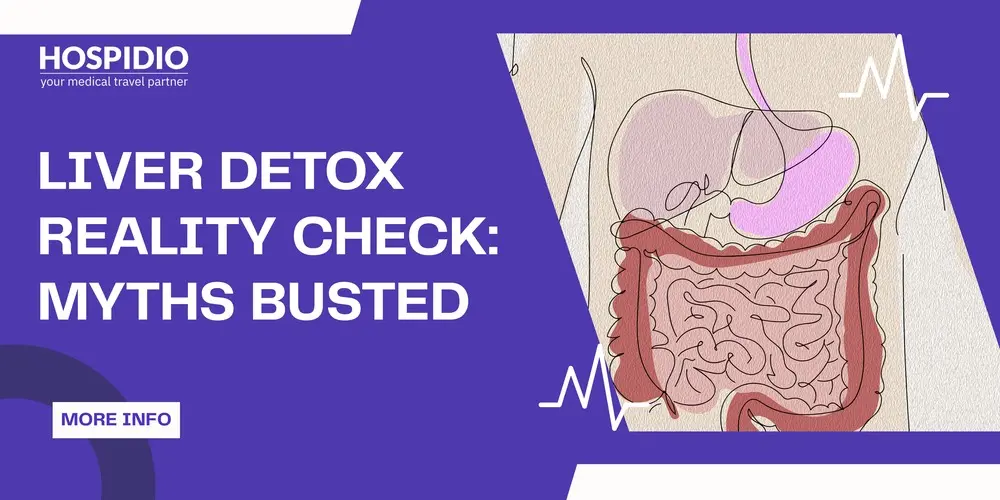
Your liver works silently, tirelessly, and without complaint. It filters toxins, processes nutrients, balances hormones, and helps your body survive modern life filled with processed foods, stress, alcohol, medications, and pollution. Yet when fatigue sets in or digestion feels off, many people immediately turn to liver detox drinks, pills, or extreme cleanses.
These quick fixes promise a reset, a cleanse, or a fresh start. The idea is comforting, especially in a world where we often look for simple solutions to complex health issues. But before reaching for a detox drink or starting a restrictive cleanse, it is worth understanding what the liver actually needs and whether these detox claims are grounded in real science or clever marketing.
This blog breaks down the truth about liver detoxing. We separate science from marketing, facts from fiction, and habits that genuinely support liver health from those that may do more harm than good.
Understanding the Liver’s Role in Detoxification
Before talking about detoxes, it is important to understand what the liver already does every single day.
What does the liver do?
The liver is the body’s primary detox organ and one of the most complex organs in the human body. It performs over 500 essential functions that are vital for survival and overall health, including:
- Filtering toxins and waste products from the blood
- Metabolizing alcohol, medications, and other chemicals
- Regulating blood sugar levels by storing and releasing glucose
- Producing bile to help digest fats and absorb nutrients
- Storing important vitamins and minerals such as iron and vitamin B12
- Breaking down and regulating hormones to maintain balance in the body.
These functions highlight that the liver is not only responsible for detoxification, but also plays a central role in digestion, metabolism, immunity, and energy regulation.
Unlike detox products that claim to “clean” the liver, your liver detoxifies your body naturally through a highly efficient and well coordinated process that occurs continuously. This coordinated process is carried out in two phases.
- Phase 1: Liver enzymes identify and break down toxins, drugs, and waste products into less harmful intermediate substances. This step makes potentially dangerous compounds easier for the body to handle.
- Phase 2: These intermediate substances then bind to other molecules, making them water soluble so they can be safely eliminated from the body through urine or stool.
When the liver is healthy, this two phase detoxification system runs smoothly on its own. It does not require special cleanses, detox drinks, or supplements. Supporting this natural process through good nutrition and healthy lifestyle habits is far more effective than attempting to replace it with external detox methods. If liver damage progresses over time, it may lead to serious conditions such as liver cirrhosis that require specialized treatment. Learn more about treatment options available in India.
We Handle the Planning
You Focus on Recovery
From Medical Visa assistance to airport pick-up and local stay, HOSPIDIO manages your entire medical trip.
Tell Us About Your Need
Free case review. Confidential. No obligation.Common Liver Detox Myths vs. Real Facts
Myth 1: You Need Regular Liver Detoxes to Stay Healthy
Many people believe that cleansing the body requires special detoxes designed to flush out toxins. However, scientific and medical studies have not shown that these dedicated detox products provide any essential benefit to the body’s natural detoxification processes.
Fact: A healthy liver does not store toxins. Its job is to break them down and remove them from the body every single day. This process happens continuously and automatically, without the need for special cleanses or interventions. Medical experts agree that if your liver is functioning normally, it does not require periodic detoxes. In fact, repeated detox programs or extreme cleanses can put unnecessary strain on the liver instead of supporting it.
What truly helps the liver is not detox products, but consistent healthy habits. Balanced nutrition, adequate hydration, regular physical activity, good sleep, and limiting alcohol do far more to protect and support liver function than any marketed detox solution.
Also Read: Liver Transplant cost in India
Myth 2: Liver Detox Drinks Flush Toxins Out of Your Body
Many detox drinks claim to flush toxins from the liver using ingredients like lemon, herbs, or green juices. These products often suggest that toxins build up and need to be washed away with special liquids.
Fact: Liver is not a storage unit for toxins that can be flushed out with drinks. It converts harmful substances into forms that can be safely removed through urine and stool. This process does not speed up because of detox beverages. While some drinks may support hydration or provide antioxidants, they do not directly remove toxins from liver cells. Drinking water and maintaining a balanced diet supports normal liver function far more effectively than relying on detox drinks.
Myth 3: Liver Detox Supplements Can Repair Liver Damage
Detox supplements are often marketed as solutions that can heal the liver after alcohol use, poor diet, or medication exposure. Many people take these products believing they can reverse damage.
Fact: No supplement can repair liver damage on its own. Once liver cells are injured, recovery depends on removing the cause and allowing the body time to heal. Some supplements may support overall nutrition, but they cannot undo damage caused by alcohol, fatty liver disease, or infections. In some cases, unregulated supplements can actually worsen liver health and interfere with medications.
Myth 4: Extreme Cleanses Give the Liver Time to Rest
Fasting, juice cleanses, and very low calorie detox programs are often promoted as ways to give the liver a break and allow it to reset.
Fact: The liver does not benefit from starvation or extreme restriction. It needs nutrients such as protein, vitamins, and minerals to carry out detoxification efficiently.Severely limiting food intake can slow down liver processes and increase stress on the body. A steady intake of nourishing foods supports liver function far better than extreme cleanses.
Myth 5: Fatigue or Skin Issues Mean Your Liver Is Toxic
People often associate tiredness, acne, bloating, or headaches with toxin buildup in the liver and assume detoxing is necessary.
Fact: These symptoms are common and can be linked to stress, lack of sleep, dehydration, hormonal changes, or poor diet. They are not reliable signs of liver toxicity. Liver problems usually do not cause noticeable symptoms until the condition becomes more advanced. Self diagnosing liver issues based on everyday discomfort can lead to unnecessary detoxing instead of addressing the real cause.
Myth 6: Natural or Herbal Detox Remedies Are Always Safe
Many detox products are labeled as natural or herbal, which makes them appear safe and gentle.
Fact: Natural does not always mean safe. Some herbs can be harmful to the liver, especially when taken in high doses or combined with medications. Without proper regulation and dosage control, herbal detox products may place additional strain on the liver rather than protecting it. Medical guidance is important before using any supplement for liver health.
Myth 7: A Short Detox Can Undo Years of Poor Lifestyle Habits
Detox programs often promise quick results, suggesting that a few days of cleansing can reset the liver and erase past damage.
Fact: Liver health improves through long term, consistent habits rather than short term fixes. No detox can undo the effects of years of excessive alcohol use, poor diet, or inactivity.Sustainable lifestyle changes such as eating well, exercising regularly, reducing alcohol, and managing stress offer real and lasting benefits for the liver.
Many patients try detox diets when they experience symptoms like fatigue, abdominal swelling, or jaundice. However, these symptoms may indicate underlying liver disease that requires medical evaluation. Explore the signs and symptoms of liver failure and when to seek treatment.
Concerned About Your Liver Health?
If you have abnormal liver reports, fatty liver, or cirrhosis symptoms, our specialists can review your reports and recommend the best treatment options in India.
- Free medical opinion
- Response within 24 hours
- Assistance for international patients
Send Your Medical Reports Now!!
What Science Says About Supporting Liver Health
Instead of focusing on short-term detox trends, long-term lifestyle choices are far more effective at supporting liver function and overall health. The liver already performs its detoxification work every day, so what science focuses on is reducing stress on this organ and enhancing its natural processes through healthy habits.
1. Eat a Liver-Friendly Diet
Your liver thrives on balanced nutrition that provides the right mix of carbohydrates, proteins, healthy fats, vitamins, and minerals. When you eat a varied and wholesome diet, you supply the liver with the nutrients it needs to carry out detoxification, regulate metabolism, and repair itself efficiently. Adequate protein supports enzyme production, healthy fats aid hormone balance, and vitamins and antioxidants help protect liver cells from damage.
At the same time, balanced nutrition helps control inflammation, stabilise blood sugar levels, and prevent excess fat buildup in the liver. Over time, these benefits reduce unnecessary strain on this vital organ and support long term liver health far more effectively than restrictive diets or short term detox plans.
Foods That Support Liver Health
- Leafy greens like spinach and kale- Cruciferous vegetables like broccoli and cauliflower- Fruits rich in antioxidants such as berries- Whole grains-Healthy fats from nuts, seeds, and olive oil
Foods to Limit
- Excess alcohol- Sugary beverages- Refined carbohydrates- Highly processed foods- Excess saturated fats.
2. Stay Hydrated
Proper hydration plays a key role in supporting normal liver function. Water helps the body transport and eliminate waste products efficiently and supports kidney function, which works alongside the liver to remove toxins from the body. Adequate fluid intake also aids digestion, helps nutrients move through the system smoothly, and supports overall metabolic balance, reducing unnecessary strain on the liver.
3. Regular Physical Activity
Scientific evidence consistently shows that regular physical activity plays an important role in protecting liver health. Exercise helps prevent the buildup of fat in the liver, improves insulin sensitivity, and supports healthy metabolism. Even moderate activities such as brisk walking, cycling, or light strength training can significantly lower the risk of developing liver disease. When combined with a balanced diet, regular movement also reduces inflammation and contributes to better long term liver function and overall health.
We Handle the Planning
You Focus on Recovery
From Medical Visa assistance to airport pick-up and local stay, HOSPIDIO manages your entire medical trip.
Tell Us About Your Need
Free case review. Confidential. No obligation.4. Maintain a Healthy Weight
Obesity and excess abdominal fat are major risk factors for non alcoholic fatty liver disease, as excess fat tends to accumulate in liver cells and disrupt normal metabolic processes. Over time, this can lead to inflammation and impaired liver function. Research shows that even a modest weight loss of 5 to 10 percent can lead to meaningful improvements, including a reduction in liver fat, lower inflammation levels, and better liver enzyme readings. These changes help restore healthier liver function and reduce the risk of disease progression, highlighting the importance of gradual and sustainable weight management rather than rapid or extreme weight loss methods.
5. Limit Alcohol Intake
Alcohol is processed almost entirely by the liver, which means this organ bears the greatest burden of alcohol consumption. When alcohol intake is excessive or frequent, the liver becomes overworked, leading to inflammation, fat buildup, and over time, serious conditions such as fatty liver disease, hepatitis, and cirrhosis. Scientific studies consistently show that reducing alcohol intake, or avoiding it altogether, allows the liver to recover and function more efficiently. Even small reductions can significantly lower liver stress, improve liver enzyme levels, and reduce the risk of long term and irreversible liver damage.
6. Reduce Processed Foods and Added Sugars
Diets high in processed foods, added sugars, and unhealthy fats place extra strain on the liver by increasing inflammation and promoting fat accumulation within liver cells. Over time, this added workload can disrupt normal liver function and raise the risk of developing metabolic and liver related disorders. In contrast, eating whole, minimally processed foods provides essential nutrients and fiber that support healthy digestion and stable blood sugar levels. This approach reduces metabolic stress on the liver and helps it function more efficiently, supporting long term liver health and overall well being.
7. Quality Sleep and Stress Management
Although less frequently discussed than diet and exercise, sleep quality plays a meaningful role in metabolic regulation and liver function. During sleep, the body carries out important repair and regulatory processes that support hormone balance, glucose metabolism, and liver enzyme activity. Poor or irregular sleep can disrupt these processes, increasing inflammation and metabolic stress on the liver.
Most adults benefit from 7-8 hours of restorative sleep each night to maintain healthy biochemical pathways, including those involved in liver metabolism and detoxification. Consistent sleep patterns not only support liver health but also improve energy levels, immune function, and overall metabolic balance.
While healthy lifestyle habits support liver function, they may not be enough if significant liver damage has already occurred. In advanced cases, patients may require medical procedures such as minimally invasive liver surgery or even a liver transplant in India to restore liver function.
When to Seek Advice for Liver Health
Most people do not need detox programs to maintain liver health, but there are situations where medical advice is important. The liver often does not show clear warning signs in its early stages of dysfunction, so paying attention to persistent or unusual symptoms is essential.
You should seek medical advice if you experience symptoms such as ongoing fatigue that does not improve with rest, yellowing of the skin or eyes, dark urine, pale stools, persistent abdominal pain, unexplained weight loss, or swelling in the legs or abdomen. These signs may indicate underlying liver issues that require proper evaluation. It is also advisable to consult a healthcare professional if you have risk factors such as regular or heavy alcohol consumption, obesity, diabetes, high cholesterol, or a family history of liver disease. People who take long term medications or supplements should also seek guidance to ensure these do not place unnecessary strain on the liver.
Early medical assessment allows liver problems to be identified and managed before they progress. Professional advice, appropriate testing, and personalised treatment plans are far more effective and safer than self treating with detox products or restrictive cleanses.
Liver Detox Products: What You Should Know Before Buying
The wellness market is flooded with liver detox teas, powders, tablets, and drinks that promise rapid cleansing and renewed energy. These products often use persuasive language such as “flush,” “cleanse,” or “reset,” which can be misleading.
Most liver detox products are classified as supplements, not medicines. This means they are not required to undergo the same rigorous testing for safety and effectiveness as prescription drugs. As a result, their claims are often based on tradition or marketing rather than strong scientific evidence. Some detox products may contain herbs or compounds that support general digestion or hydration. However, there is no reliable clinical evidence showing that these products improve liver detoxification or enhance liver enzyme function in healthy individuals. In certain cases, excessive or prolonged use of detox supplements has been linked to liver injury rather than protection.
Before using any liver related supplement, especially if you have an existing medical condition or take regular medication, it is important to consult a healthcare professional.
We Handle the Planning
You Focus on Recovery
From Medical Visa assistance to airport pick-up and local stay, HOSPIDIO manages your entire medical trip.
Tell Us About Your Need
Free case review. Confidential. No obligation.When Does the Liver Actually Need Medical Help?
While detox products are unnecessary for most people, there are situations where the liver does require medical attention and proper treatment.
Signs That Should Not Be Ignored
- Yellowing of the skin or eyes.
- Persistent dark urine or pale stools
- Unexplained weight loss
- Swelling in the abdomen or legs
- Ongoing fatigue that does not improve with rest
These symptoms may indicate liver disease and should be evaluated by a doctor. Detoxing at home is not a solution in such cases and may delay proper diagnosis and treatment.
The Psychological Appeal of Detoxing
Detox programs often feel attractive because they offer structure, simplicity, and the promise of a fresh start. For many people, starting a detox creates a sense of control and motivation, especially after periods of unhealthy eating, overindulgence, or prolonged stress. Following a set plan can feel reassuring and can temporarily encourage mindful eating and better hydration.
However, this emotional boost should not be confused with actual physical detoxification. Feeling lighter, less bloated, or more energetic after a detox is usually the result of eating fewer processed foods, reducing salt and sugar intake, drinking more water, and paying closer attention to meals. These benefits occur because the body is being treated more gently, not because toxins have been flushed from the liver.
The problem arises when detoxing becomes a repeated cycle. Restrictive plans are often difficult to maintain, and once they end, old habits tend to return. This pattern of restriction followed by relapse can create frustration and guilt, without delivering lasting health benefits. True liver health is built through long term, sustainable habits that support the body every day, not through short bursts of extreme cleansing.
Key Takeaways: Facts Over Fiction
Let us simplify everything.
What Is True
- Your liver detoxifies your body naturally
- Healthy habits support liver function
- Lifestyle changes prevent liver disease
What Is False
- Detox drinks clean the liver
- Supplements repair liver damage
- Extreme cleanses improve liver health
Conclusion
Your liver does not need to be cleansed, punished, or reset. It needs to be supported, protected, and given the right conditions to do the job it already does so well. This vital organ is designed to detoxify your body every single day, without special drinks, extreme fasting, or expensive supplements.
Instead of chasing detox trends or miracle products, focus on habits that respect how your body naturally functions. Simple, consistent choices such as eating balanced meals, staying active, sleeping well, managing stress, and limiting alcohol create an environment where the liver can thrive. These habits reduce unnecessary strain and allow the liver to perform its detoxification processes efficiently and safely.
It is also important to be patient with your body. Liver health is not built overnight, and it cannot be fixed through short term solutions. Sustainable change comes from consistency, not intensity. Small improvements made daily have a far greater impact than dramatic efforts followed by burnout.
The most powerful detox is not something you follow for a few days or weeks. It is the way you eat, move, rest, and care for your body every day. When you support your liver through mindful, long term lifestyle choices, you are investing in lasting health, energy, and well being.
Talk to a Liver Specialist
If you are experiencing symptoms of liver disease or have been diagnosed with fatty liver, cirrhosis, or liver cancer, expert treatment options are available in India.
Send your medical reports today to receive a free personalized treatment plan from top liver specialists.
We Handle the Planning
You Focus on Recovery
From Medical Visa assistance to airport pick-up and local stay, HOSPIDIO manages your entire medical trip.
Tell Us About Your Need
Free case review. Confidential. No obligation.Read Related Blogs
References
2. Fast&UP
Recent Blogs


Frequently Asked Questions
No, a healthy liver does not need detoxing. Your liver naturally detoxifies the body every day by breaking down and eliminating harmful substances. Detox drinks, cleanses, and supplements are not necessary for this process.
There is no scientific evidence to support the claim that liver detox drinks flush toxins from the liver. While some drinks may improve hydration or reduce bloating temporarily, they do not enhance the liver’s natural detoxification process.
No supplement can repair liver damage on its own. Liver recovery depends on removing the underlying cause, such as excess alcohol or poor diet, and allowing time for healing. Some supplements may even cause liver injury if used incorrectly.
Not necessarily. Fatigue, bloating, or skin issues are common symptoms that can result from stress, poor sleep, dehydration, or diet. Liver disease often does not show symptoms until it reaches more advanced stages.
Natural does not always mean safe. Some herbal products have been linked to liver toxicity, especially when taken in high doses or without medical supervision. It is best to consult a healthcare professional before using any supplement for liver health.
The most effective way to support liver health is through long term lifestyle habits. These include eating a balanced diet, staying hydrated, exercising regularly, maintaining a healthy weight, limiting alcohol, sleeping well, and managing stress.
Yes, early stage fatty liver disease can often be improved or reversed through lifestyle changes. Weight management, improved diet quality, regular physical activity, and reducing alcohol intake are proven strategies for supporting liver recovery.
You should seek medical advice if you have persistent symptoms such as yellowing of the skin or eyes, dark urine, unexplained fatigue, abdominal pain, or swelling. Regular checkups are also recommended if you have risk factors like obesity, diabetes, or regular alcohol use.
Dr. Basim Parvez is a licensed physiotherapist and Senior Patient Consultant at HOSPIDIO, holding an MBA in Health Management. With extensive clinical experience and a compassionate approach, he assists patients navigating medical treatments. Dr. Basim also leverages his writing talent to simplify complex healthcare information, empowering patients to make informed decisions and fostering clarity and confidence in their medical journeys.
Dr. Ankur Garg serves as Group Director & Head of Liver Transplant and GI Surgery at Paras Hospitals, India. He holds MBBS, MS (General Surgery), and MCh (HPB Surgery & Liver Transplant) qualifications, with advanced training from the Institute of Liver & Biliary Sciences (ILBS), New Delhi. With over 25 years of experience, Dr. Garg has performed 3000+ successful liver transplants and complex HPB/GI surgeries. His expertise includes living and deceased donor liver transplantation, pediatric liver transplants, complex liver resections, and GI cancer surgery, and he is widely respected for his clinical excellence and compassionate patient care.