
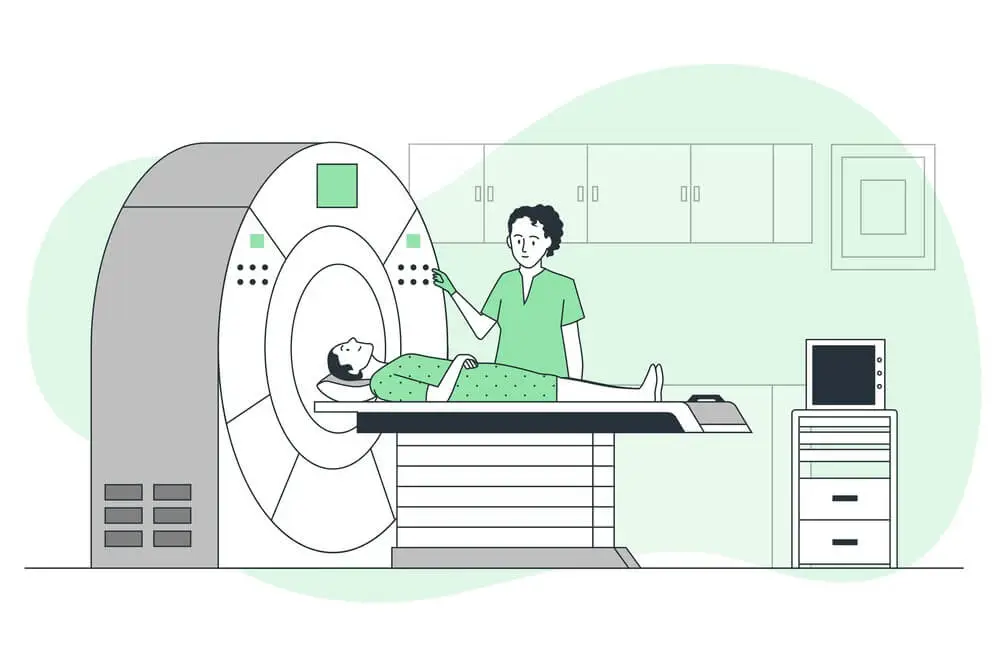
Radiation therapy is one of the most effective and widely used cancer treatments, harnessing precisely controlled high-energy X-rays, protons, electrons, or radioactive implants to target and destroy cancer cells at their DNA level while minimizing damage to surrounding healthy tissues, successfully treating over 50% of all cancer patients globally, either as a curative standalone option, in combination with surgery/chemotherapy, or for symptom relief in advanced stages.
Each radiation session feels like a quick, painless X-ray (no heat, noise, or sensation from the beams themselves), typically lasting 10-30 minutes total (including setup), delivered 5 days a week over 1-8 weeks depending on your specific cancer type, stage, and chosen technique.
This comprehensive, patient-first guide, crafted from authoritative sources like the National Cancer Institute (NCI), Cleveland Clinic, American Cancer Society, and HOSPIDIO's clinical partnerships, provides the full picture: detailed explanations of every major treatment type with real-world examples by cancer, complete step-by-step timelines with what you'll experience daily, area-specific side effects with severity grades and proven management strategies, success statistics, India-specific costs/logistics for medical travelers, top hospital breakdowns, and answers to every common question to eliminate uncertainty and empower your journey toward recovery.
Patient Profiles and Real Scenarios
Radiation therapy is not “one-size-fits-all.” The way it is used depends heavily on when the cancer is detected, how advanced it is, and what other treatments have been given. This section walks through typical patient profiles to help readers see where they fit and what kind of radiation plan might be suggested in each situation.
1. Newly diagnosed, early-stage cancers
In many early-stage cancers, radiation can be a primary curative option and may either replace surgery or complement organ-preserving surgery.
Typical profile: A person whose cancer has been found at an early stage on scans or screening, with no spread to distant organs and good overall health.
Example - prostate cancer: A man with Stage I-II prostate cancer (Gleason 6-7) may be offered external beam radiation therapy (EBRT) over 7-8 weeks or, in some cases, brachytherapy (internal radiation) as an alternative to surgery. The goal is cure while preserving urinary and sexual function as much as possible.
2. Post-surgical (adjuvant) treatment
Sometimes surgery removes all visibly detectable cancer, but there is a risk that microscopic cells are left behind. Radiation is then used as a “safety net.”
Typical profile: A patient who has already undergone surgery and whose pathology report suggests higher risk of recurrence (for example, close or positive margins, lymph node involvement, or aggressive tumor features).
Example - breast cancer: After a breast-conserving surgery (lumpectomy), whole-breast irradiation for 3-6 weeks is usually recommended. This reduces the chance of the cancer coming back in the same breast and offers outcomes similar to mastectomy while allowing the breast to be preserved.
We Handle the Planning
You Focus on Recovery
From Medical Visa assistance to airport pick-up and local stay, HOSPIDIO manages your entire medical trip.
Tell Us About Your Need
Free case review. Confidential. No obligation.3. Locally advanced or inoperable cancers
When tumors are too large, too close to critical structures, or attached to major blood vessels, surgery may not be safe initially. In these situations, radiation is used to shrink the tumor or to control it when an operation is not possible.
Typical profile: A patient whose scans show a tumor encasing blood vessels, pressing on vital organs, or whose general health makes major surgery risky.
Example - pancreatic head cancer: For some patients whose tumors cannot be removed upfront, stereotactic body radiotherapy (SBRT) in a few high-dose sessions (for example, 5 fractions) can help control the tumor, relieve pain, and, in selected cases, make later surgery more feasible.
4. Recurrent or metastatic (“oligometastatic”) disease
Even after successful initial treatment, cancer can sometimes return in the same area or appear in a few new spots. When there are only a small number of metastases (commonly 1-5), focused radiation can be used to treat these isolated sites.
Typical profile: A patient who did well after initial therapy but now has one or a few new lesions on the lung, liver, bone, or brain, while the rest of the body remains under good control.
Example - lung metastases: Someone who completed chemotherapy for colon cancer and later develops three small nodules in the lung may be offered SBRT. This type of focused radiation can target each nodule with high precision, often with 1-5 treatments, to keep disease controlled in those spots.
5. Palliative situations focused on comfort
When cancer is widespread or very advanced, the main goal of care may shift from cure to comfort and quality of life. Radiation can still play a major role by relieving pain or preventing serious complications.
Typical profile: A patient with multiple metastases, significant symptoms (such as severe pain, bleeding, or pressure on the spinal cord), and overall limited tolerance for intensive therapies.
Example - spinal cord compression: A person with metastatic cancer involving the spine may suddenly develop back pain and weakness in the legs. A single, higher-dose radiation fraction (for example, 10 Gy in one session) may rapidly reduce swelling and relieve pain, protecting mobility and function.
6. Pediatric and young adult patients
Children and young adults are particularly sensitive to long-term effects of radiation because their bodies and brains are still developing. Planning in these cases is extremely careful and often involves advanced technologies.
Typical profile: A child or teenager with a brain tumor, leukemia with central nervous system involvement, or certain solid tumors where radiation is part of a curative protocol.
Example - medulloblastoma: For a child with this type of brain tumor, craniospinal irradiation (treating the entire brain and spine) is often needed. When available, proton therapy may be chosen to deliver the required dose while reducing exposure to healthy brain, endocrine organs, heart, and other tissues, helping preserve IQ, growth, hearing, and hormonal function better than traditional X-ray.
Cancers Treated by Subspecialty (with Typical Radiation Role & Duration)
| Subspecialty | Key Cancers | Standard Radiation Approach | Typical Duration | Expected Outcome |
| Breast | Ductal/lobular, DCIS | Whole/partial breast IMRT post-lumpectomy + nodal boost if high-risk | 3-6 weeks (15-25 fractions) | 95% local control; excellent cosmesis (90%) |
| Thoracic/Lung | NSCLC stage I-III, SCLC | SBRT (early), chemo+IMRT (advanced) | 1-7 weeks | Stage I SBRT: 90% 3-yr survival |
| GI | Rectal, esophageal, pancreatic, liver | Neoadjuvant IMRT short-course (5x5Gy) or SBRT | 1-6 weeks | Rectal: 80% downstaging for surgery |
| Gynecologic | Cervical, endometrial, ovarian | EBRT + HDR brachy boost | 4-6 weeks + 3-5 brachy | Stage IB cervical: 92% 5-yr survival |
| GU/Prostate | Prostate, bladder, kidney | EBRT/IMRT, brachy, or SBRT | 4-8 weeks or 5 fractions | Low-risk: 98% 5-yr freedom |
| Head/Neck | Oral, larynx, HPV+ oropharynx | IMRT/VMAT with chemo | 6-7 weeks | HPV+: 85% 5-yr survival |
| CNS/Brain | Glioma, meningioma, mets | SRS (1-3fx) or whole-brain hypofrac | 1 day to 3 weeks | Mets SRS: 80% 1-yr control |
| Pediatric | Leukemia, neuroblastoma, sarcomas | Proton craniospinal | 6 weeks | ↓secondary cancers 3x vs photons |
| Musculoskeletal | Sarcomas, bone mets | IMRT pre/post-surgery or SBRT | 5-6 weeks | Local control 80% |
| Lymphomas | Hodgkin/non-Hodgkin | Involved-site RT (ISRT) 20-30Gy | 2-3 weeks | Relapse-free 90% early stage |
Not Suitable For? Widespread mets (chemo/immuno first), very frail patients, or pregnancy (shielding possible post-1st trimester).
Your Full Treatment Journey: Week-by-Week Timeline & What to Expect
Total timeline: 4-10 weeks including prep/follow-up. HOSPIDIO streamlines for internationals with e-medical visas (30-180 days), airport-to-hospital transfers, family accommodations, and diet coordinators (halal/veg/kosher).
- Week 0: Initial Consult (Days 1-3): Upload biopsy/PET-CT/MRI via HOSPIDIO portal. Virtual consult (30-60 min) explains options; tumor board (48 hrs) confirms plan.
- Week 1 after arrival in India: Simulation & Planning (Days 4-10): 20-30 min CT scan in exact treatment position (lying still, no contrast). Custom thermoplastic mask (head/neck) or vacuum cradle (body) molded (warm plastic cools in 5 min). Dosimetrists/physicists create 3D plan (100-500 beams simulated); doctor approves (2-5 days). Tattoos (3-5 tiny dots) mark setup.
- Week 1-2: Dry Run & QA (Days 10-14): Mock treatment with imaging verifies 1-2mm accuracy. Machine tests dose (phantom doll).
- Weeks 2-8: Daily Treatment (Mon-Fri): Arrive 30 min early. Change to gown, lie on table, laser aligns tattoos (2 min), IGRT X-rays confirm position (1 min), beams deliver (1-10 min). Exit dose verified. No nausea/sedation—eat/drive normally.
- Ongoing Weekly Review: Skin/blood checks; adaptive re-scan if tumor shrinks >10% (new plan in 48 hrs).
- Week 9+: Follow-Up: Exit scan Day 1 post; visits at 1, 3, 6, 12 months. Mammogram/PSA per cancer; annual lifelong if high-risk.
Daily Reality: Week 1 mild fatigue; Week 3 peak skin effects; Week 6 improvement. 95% complete without breaks.
We Handle the Planning
You Focus on Recovery
From Medical Visa assistance to airport pick-up and local stay, HOSPIDIO manages your entire medical trip.
Tell Us About Your Need
Free case review. Confidential. No obligation.Exhaustive Side Effects Guide: Acute/Chronic by Area, Graded & Managed
| Treatment Area | Acute Effects (Peak Wk 3, Resolve 4-8wks) | Grade/Severity | Management Strategies | Chronic Effects (Risk %) | Monitoring |
| Skin (Universal) | Erythema, dry/peel, itch (Grade 1-2) | 80% mild | Aloe vera q4h, aquaphor, no alcohol soaps, cold packs | Hyperpigment, telangiectasia (10%) | Moisturize lifelong |
| Breast/Chest Wall | Tenderness, edema, desquamation (Grade 2) | 50% mod | Silvadene if wet, Mepilex dressing, avoid wire bras | Lymphedema (5-10%), rib fx (1%) | PT, compression |
| Head/Neck | Mucositis (ulcers), xerostomia, dysphagia (G2-3) | 60% mod | Sucralfate rinse, glutamine, feeding tube ~5%, amifostine | Osteoradionecrosis (1%), carotid stenosis | Dental eval pre, fluoride |
| Lung/Thoracic | Esophagitis, cough, dyspnea (G1-2) | 40% mild | Proton pump inhibitors, dexamethasone, sputum culture | Pneumonitis (5-15%), fibrosis | PFTs q3mo x1yr |
| Upper Abdomen | Nausea, gastritis (G1) | 30% mild | Ondansetron 8mg TID, small meals, ginger | Gastritis (2%) | EGD if persistent |
| Pelvis/Bowel | Diarrhea (10+ episodes), tenesmus (G2) | 50% mod | Imodium 4mg TID, mesalamine suppository, low-residue diet | Proctitis, stricture (3-5%) | Sigmoidoscopy |
| Prostate/Bladder | Dysuria, frequency, hematuria (G2), ED (50%) | 40% mod | Tamsulosin 0.4mg, solifenacin, viagra trial, spaceOAR gel | Incontinence (2-5%), fistula (1%) | Urodynamics if ongoing |
| Brain | Alopecia, headache, nausea (G1-2) | 70% mild | Dexamethasone 4mg BID taper, ondansetron, memantine | Necrosis (3-8%), vasculopathy | MRI q3mo x2yrs |
Fertility/Safety: Pelvic shielding, GnRH agonists females, sperm bank males. Safe around kids post-session (no radiation emitted).
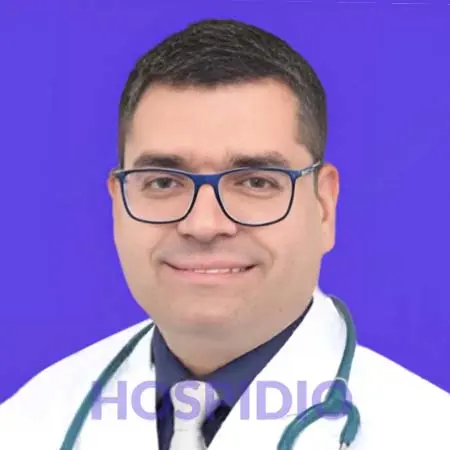
Top Radiation Oncologists in India




Ultimate Radiation Technique Guide: How Each Works, For Which Cancers, Pros/Cons & Data
India matches US/EU tech (Varian TrueBeam, Elekta Versa) at 1/3-rd of the cost. Choice depends on the tumor size/shape/motion/location decides.
1. External Beam Radiation Therapy (EBRT)
Foundation for 70% CasesLinear accelerator rotates around you, firing photons from 200+ angles. Daily 1.8-2.5Gy x 20-40 = 40-70Gy total.
| Treatment Type | Sessions | Cost in USD (Approx.) | Details |
| External Beam Radiation Therapy (EBRT) | 20-30 sessions | $3,000 - $5,000 | Standard radiation treatment used to target tumors or abnormal tissue. Delivered over multiple sessions with precise targeting to minimize damage to healthy tissues. |
| 3D Conformal Radiation Therapy (3D-CRT) | 20-30 sessions | $4,200 - $5,600 | Uses 3D imaging to shape radiation beams to the tumor for improved accuracy and reduced side effects. |
| IMRT (Intensity-Modulated Radiation Therapy) | 25-35 sessions | $4,000 - $4,800 | Advanced form of EBRT that delivers precise radiation doses while protecting surrounding healthy tissue. |
| IGRT (Image-Guided Radiation Therapy) | 25-35 sessions | $4,800 - $5,800 | Uses real-time imaging to improve accuracy and treatment effectiveness during each session. |
2. Brachytherapy - Internal High-Dose Rate Delivery
Brachytherapy places radioactive sources directly inside or near the tumor via catheters or applicators, delivering high doses precisely while sparing skin and distant tissues.
HDR Brachytherapy uses a computer-controlled Ir-192 source that travels through catheters for 5-15 minutes per session. Typically 1-5 outpatient treatments.
- Cervical cancer: EBRT (45Gy) + HDR boost (28Gy/4 fractions) achieves 92% control for stage II.
- Prostate: Monotherapy (19Gy/2 fractions) cures 95% low-risk cases.
LDR Brachytherapy implants 50-100 permanent I-125 seeds in a 1-hour procedure under spinal anesthesia, decaying over 6 months. Prostate low-risk: 90% 15-year survival.
Key Benefits: No skin reaction, biologically effective dose 2x external beam radiation. Recovery involves mild urinary symptoms for 1-2 weeks.
3. Stereotactic Radiosurgery/Body Radiotherapy (SRS/SBRT): Extreme Precision
SRS and SBRT achieve sub-millimeter accuracy using advanced robotics like CyberKnife (track-and-target motion) or framed arrays like GammaKnife (immobilized head positioning).
This precision enables delivery of a biologically effective dose (BED) of 100-150 Gy across just 1-5 fractions, equivalent to months of conventional radiation in days—ablating small tumors while minimizing healthy tissue exposure.
| Target | Technique | Dose/Fx | Cancers | Control Rate | Toxicity |
| Brain Mets (~3cm) | GammaKnife/CyberKnife | 20-24Gy/1fx | Brain metastases | 80% 1yr | 15% edema |
| Early Lung (≤5cm) | SBRT (RTOG 0236) | 54Gy/3fx | Early stage NSCLC | 97% 3yr | 16% G3 |
| Prostate (low-risk) | SBRT | 36.25Gy/5fx | Low-risk prostate cancer | 95% 5yr | GU2 13% |
Key Benefits: No skin reaction, biologically effective dose 2x external beam radiation. Recovery involves mild urinary symptoms for 1-2 weeks.
4. Proton Beam Therapy: The "Stop-at-Tumor" Radiation
Unlike regular X-rays that pass through your body (delivering 30% extra radiation beyond the tumor), protons act like a "brake light," they release 100% of their energy exactly at the tumor and stop completely. This physics advantage dramatically reduces damage to healthy tissues behind the cancer.
Best for patients where every millimeter matters:
- Children: Whole brain/spine treatment (23.4Gy over 28 sessions) cuts lifetime second cancer risk from 8% to just 2%.
- Skull base chordoma: 74Gy/37 sessions achieves 80% 5-year control near critical brain nerves.
- Prostate: Bowel side effects under 1% (vs 5-10% with X-rays).
Duration: 28-40 daily sessions over 6-8 weeks.
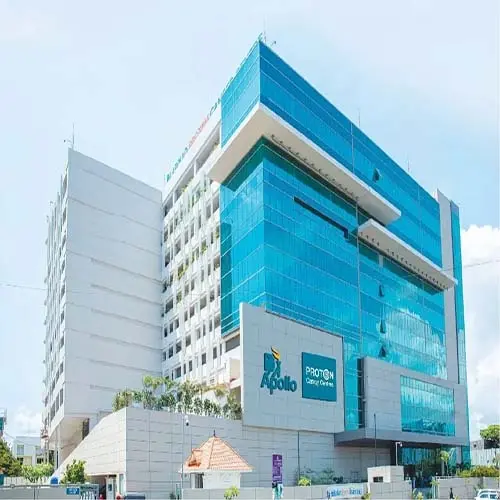
In India: Available at Apollo Proton Cancer Centre.
5. Cutting-Edge Radiation Technologies
MRI-Guided Radiation (MR-Linac): Live MRI scans during treatment let doctors see your tumor breathing/moving and adjust beams instantly. Pancreas tumors shrink 30% mid-treatment through real-time adaptation.
- Radioembolization (Y-90): Tiny radioactive beads injected into liver artery blood vessels—delivers 50% tumor kill while healthy liver gets almost none.
- Radiopharmaceuticals (Lutetium-177 PSMA): IV injection seeks prostate cancer anywhere in body like a "smart bomb"—40% of men see PSA levels drop by half.
Simple Decision Guide for Your Cancer:
- Small lung cancer (~3cm)? - SBRT (1 week)
- Complex head/neck shape? - IMRT (6 weeks)
- Child or tumor near brainstem? - Proton (6-8 weeks)
Premier Partner Hospitals: Capabilities & International Support
| Hospital | Location | Signature Radiation Technology | Subspecialty Excellence | Intl Patient Services | Contact For Quote |
| Artemis Hospital | Gurgaon (30min Delhi airport) | VMAT, IMRT, Cyberknife, Brachy Suite | Pediatric, Breast, CNS | Arabic/Hindi/English, halal kitchen, visa lounge | Get Cyberknife Quote |
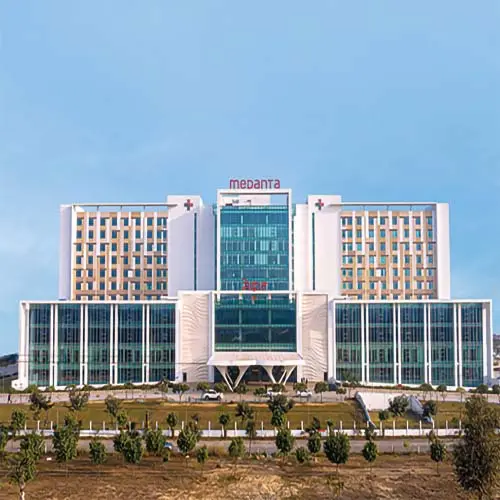
| Medanta The Medicity | Gurugram | CyberKnife M6, RapidArc, VMAT | Thoracic SBRT, Prostate HDR | JCI Gold, 5-star suites, tele-ICU family link | Share Reports For Opinion |
| Fortis Shalimar Bagh | Delhi North | VersaHD IMRT, Brachy Suite V2 | Head/Neck chemoRT, GI | 24/7 intl desk, prayer room, dietitian | Consult Now |
| Apollo Proton Cancer Center | Chennai | Proton Therapy, IGRT, GI SBRT, TrueBeam | Pancreatic, Prostate SpaceOAR | Fast-track OPD, close to airport | Consult for Radiation Oncology |
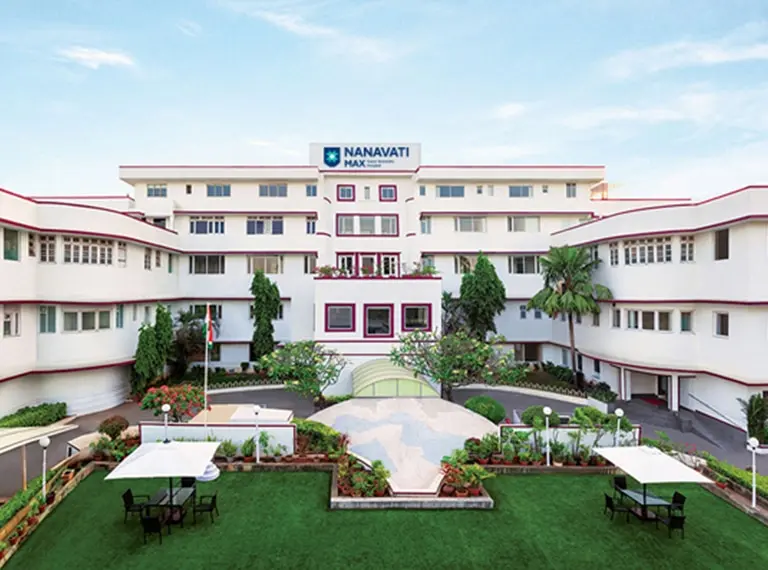
| Max Super Speciality | Shalimar Bagh, Delhi | IMRT, VMAT, ISRT Lymphomas | Brain metastasis, Hematologic | Dedicated international wing, yoga therapy | Book Appointment |
Ready to Start Your Personalized Radiation Therapy Journey?
Don't navigate cancer treatment alone, HOSPIDIO's expert team provides free customized quotes, second opinions from leading radiation oncologists, and complete guidance for radiotherapy in India. Send your biopsy, PET/CT scans, and medical reports today for a 24-hour personalized plan including optimal technique (IMRT, SBRT, proton), best-matched JCI hospital, exact treatment timeline, total cost breakdown (20-60% savings vs US/Europe), visa/logistics coordination, and multilingual support throughout your stay in the country.
Top Hospitals for Radiation Oncology Treatment in India
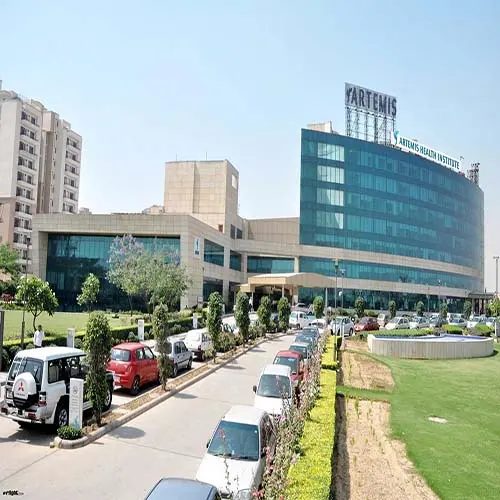

- 4.1
- 5k Reviews
- (Google)
- 750+ Beds
- 40+ Departments
- 400+ Doctors
- 35k+ Intl. Patients
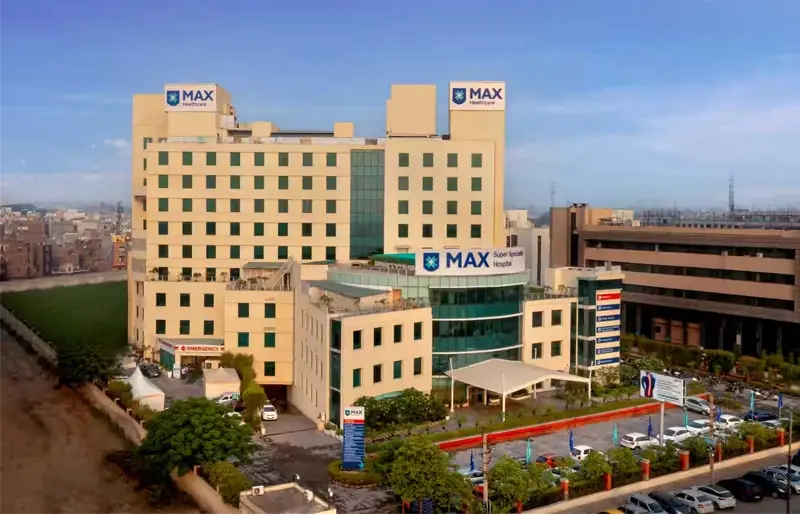


- 4.3
- 6k Reviews
- (Google)
- 402+ Beds
- 34+ Departments
- 348+ Doctors
- 50k+ Intl. Patients
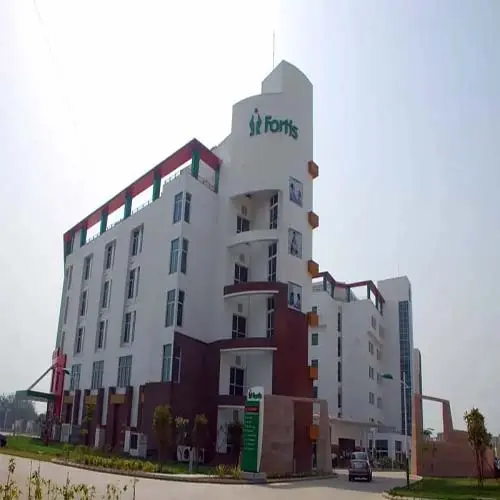
- 4.6
- 11k Reviews
- (Google)
- 262+ Beds
- 40+ Departments
- 150+ Doctors
- 37k+ Intl. Patients
- 4.5
- 5k Reviews
- (Google)
- 350+ Beds
- 55+ Departments
- 200+ Doctors
- 50k+ Intl. Patients
- 4.9
- 5k Reviews
- (Google)
- 150+ Beds
- 10+ Departments
- 30+ Doctors
- 2k+ Intl. Patients
- 4.2
- 9k Reviews
- (Google)
- 1k+ Beds
- 30+ Departments
- 900+ Doctors
- 125k+ Intl. Patients
Recent Blogs


Himang Gupta is a skilled medical content writer with a Bachelor's degree in Biotechnology and extensive experience crafting engaging and informative blogs. Passionate about simplifying complex medical topics, he ensures his content resonates with readers. When not researching or writing, Himang enjoys scrolling Instagram, cracking jokes, and savoring the flavor of elaichi—his ultimate treat after a productive writing session.
Guneet Bhatia is the Founder of HOSPIDIO and an accomplished content reviewer with extensive experience in medical content development, instructional design, and blogging. Passionate about creating impactful content, she excels in ensuring accuracy and clarity in every piece. Guneet enjoys engaging in meaningful conversations with people from diverse ethnic and cultural backgrounds, enriching her perspective. When she's not working, she cherishes quality time with her family, enjoys good music, and loves brainstorming innovative ideas with her team.