
Ewing Sarcoma: Rare Diagnosis Demanding Extraordinary Care
Hearing the words “Ewing Sarcoma” can feel like the ground shifting beneath your feet. For many families, it marks the beginning of a long medical journey filled with questions, fear, and tough decisions: Where can we find the best care? Will my child or loved one get the right treatment?
The good news: there is real hope. Ewing Sarcoma, though rare and aggressive, can be treated successfully with the right combination of therapies and expertise. Over the last decade, India has become a trusted global destination for advanced cancer care, offering internationally recognized protocols, cutting‑edge technology, and experienced specialists at significantly lower costs than many Western countries.
If you are already thinking seriously about treatment abroad, this guide will help you understand how Ewing Sarcoma is managed in India and what makes the country one of the leading destinations for high‑quality, affordable cancer care. For many international patients, working with a coordinator like HOSPIDIO makes this process clearer and less overwhelming, from the very first question to the final follow‑up.
Understanding Ewing Sarcoma: Why Expertise Matters
Ewing Sarcoma is a rare tumor that forms in the bones or soft tissue, most commonly in children, teenagers, or young adults. It often affects the long bones of the arms or legs, the pelvis, or the chest wall, and can spread quickly if not treated promptly.
Diagnosis requires precision. Doctors usually start with imaging tests like X‑ray, MRI, or CT scans, followed by a biopsy to confirm the tumor type under the microscope. In many cases, additional molecular tests are used to detect specific genetic changes characteristic of Ewing Sarcoma. Leading hospitals in India follow international guidelines such as those from major global oncology societies, ensuring that diagnosis and staging meet global benchmarks.
By combining advanced pathology, bone marrow studies where needed, and molecular profiling, Indian oncologists are able to develop individualized treatment plans tailored to each patient’s disease extent, age, and overall health. This level of expertise is especially important for overseas patients, who want reassurance that the care they receive abroad is aligned with global standards.
Unsure about the next step? Get a preliminary expert opinion from India’s top oncology boards within 48 hours.
How Successful Is Ewing Sarcoma Treatment Today?
Around the world, outcomes for Ewing Sarcoma have improved significantly with multimodal therapy. For patients with localized disease, published five‑year survival rates are often in the range of 70 to 80 percent in major centers. When the disease has already spread (metastatic Ewing Sarcoma), survival rates are lower, typically around 35 to 45 percent, depending on the sites involved and response to treatment.
Specialized cancer centers in India report results that closely mirror these global figures, particularly when patients are treated in high‑volume, multidisciplinary institutions. Early diagnosis, strict adherence to treatment cycles, and comprehensive rehabilitation all play key roles in achieving the best possible outcomes. Many patients, both Indian and international, go on to return to school, work, and daily activities after completing their treatment and follow‑up.
For families coming from countries with limited oncology infrastructure, fewer specialists, or long waiting lists, this alignment with global outcomes can be especially reassuring. It shows that seeking treatment in India does not mean compromising on quality but rather expanding access to it.
Advanced Treatment Options for Ewing Sarcoma Available in India
Ewing Sarcoma is usually treated with a combination of chemotherapy, surgery, and radiation. In India, leading cancer centers deliver these treatments using well‑established international protocols, with close monitoring to manage side effects and ensure safety.
Chemotherapy is typically given in cycles over several months using a multi‑drug regimen designed to shrink the tumor, treat microscopic disease, and reduce the risk of relapse. Teams in India monitor blood counts, organ function, and infection risk carefully, with extra attention to younger patients and their nutritional needs.
Ewing Sarcoma Surgery aims to remove the tumor while preserving as much limb function as possible. Limb‑sparing techniques and prosthetic reconstruction are standard in major hospitals, helping patients regain mobility and quality of life after treatment.
Radiation therapy for Ewing Sarcoma is used when surgery is not fully possible or when tiny amounts of disease may remain. Advanced techniques like IMRT, IGRT, and proton beam therapy allow highly precise targeting of the tumor while minimizing damage to nearby healthy tissue, especially important for children and growing patients.
Supportive care, including physiotherapy, nutrition, and psychological support, is built into the treatment plan so patients can heal physically and emotionally. In India, these treatments are delivered with strict protocols and close monitoring, so you can feel confident in the safety and quality of care and in the possibility of meaningful recovery.
Why India Has Become a Global Hub for Sarcoma Care
Thousands of international patients choose India every year for complex cancer treatment, and Ewing Sarcoma is one of the conditions for which the country has built a strong reputation. Several factors explain why:
Clinical expertise: Many oncologists, surgeons, and radiation specialists are trained at or collaborate with leading international institutions. They routinely manage complex bone and soft‑tissue tumors and contribute to international guidelines.
World‑class infrastructure: Tertiary cancer hospitals are equipped with advanced imaging, digital pathology, robotic surgery, and high‑end radiation units. Many centers hold national and international accreditations that reflect high standards of safety and quality.
Affordability: Total treatment costs for Ewing Sarcoma in India are often substantially lower than in the US, UK, or parts of Europe, commonly by a margin of 60 to 70 percent, depending on the exact plan and hospital.
Shorter waiting times: For aggressive cancers like Ewing Sarcoma, starting treatment without long delays can improve outcomes. In India, treatment can often begin within days to weeks of case acceptance.
Support for international patients: Most major hospitals have dedicated international patient departments that assist with appointment scheduling, translation, and basic logistics.
For patients from regions where infrastructure is limited, specialists are few, or treatment is unaffordable, India offers a real alternative. Ewing Sarcoma is an aggressive cancer where delays can affect outcomes, and many families choose India because advanced care can start quickly, with expert teams and coordinated planning.
Understanding the Cost of Ewing Sarcoma Treatment in India
For complete guidance on the cost of Ewing sarcoma treatment, click here.
If you want to understand your treatment costs in India and compare options across hospitals with good infrastructure and renowned oncology teams, you can share your medical reports with HOSPIDIO for a clear, non‑obligatory cost overview and guidance. This helps you see realistic figures before committing, without any pressure to proceed.
If you’re unsure which hospital or treatment plan is right for your case, you can also share your reports with HOSPIDIO for a review and guidance before making a decision.
Top Hospitals for Ewing Sarcoma Treatment in India
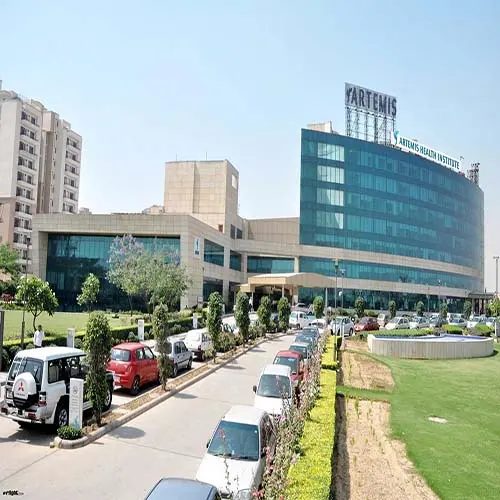
- 4.1
- 5k Reviews
- (Google)
- 750+ Beds
- 40+ Departments
- 400+ Doctors
- 35k+ Intl. Patients
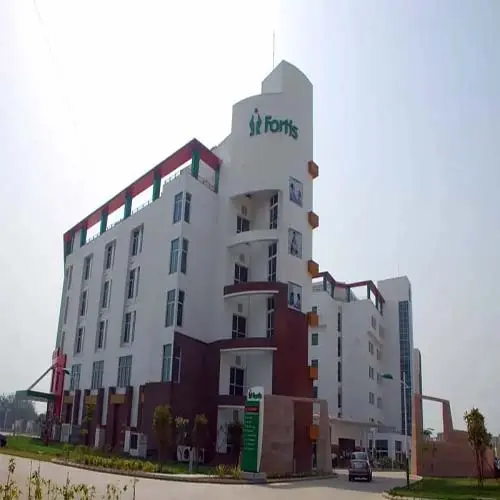
- 4.6
- 11k Reviews
- (Google)
- 262+ Beds
- 40+ Departments
- 150+ Doctors
- 37k+ Intl. Patients
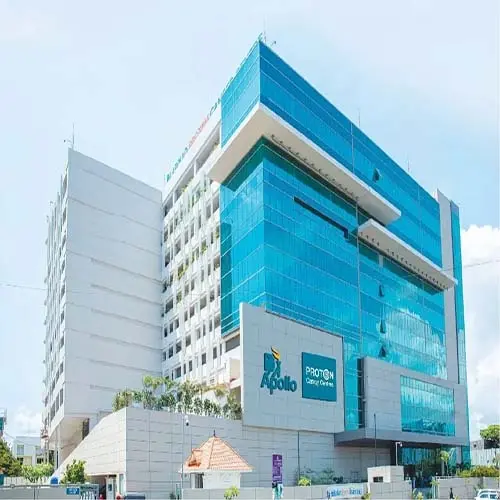
- 4.9
- 5k Reviews
- (Google)
- 150+ Beds
- 10+ Departments
- 30+ Doctors
- 2k+ Intl. Patients
The International Patient Journey – From Consultation to Recovery
Travelling to another country for cancer treatment is a major decision, but with a structured process and the right support, it can be manageable and reassuring. A typical journey to India for Ewing Sarcoma treatment may look like this:
Sharing medical reports
You or your local doctor send your imaging, biopsy reports, and clinical summary electronically for review by Indian specialists.
Expert case evaluation
Oncologists in India assess the case and propose a preliminary treatment plan, along with recommended hospitals or cities suited to your needs.
Transparent cost estimate
You receive an itemized estimate outlining expected treatment costs, hospital stay, and related expenses
Visa and travel planning
Once you decide to proceed, support is provided to obtain a medical visa and organize travel for the patient and accompanying family member.
Arrival and hospital admission
On arrival, international coordinators help you with airport pickup, local guidance, and admission to the chosen hospital.
Active treatment phase
Your care team carries out chemotherapy, surgery, radiation, and supportive care according to the agreed plan, while keeping you and your family informed at every step.
Discharge, recovery, and follow‑up
After completion of the intensive phase, you receive detailed discharge instructions and follow‑up schedules. Many doctors offer teleconsultations so that part of the follow‑up can be done after you return home.
Working with HOSPIDIO means that many of these steps, from medical file transfer and hospital selection to visa letters and appointment coordination, are managed by a dedicated team, allowing you to focus primarily on the health and comfort of the patient.
Not Facing Ewing Sarcoma Alone: HOSPIDIO by Your Side
Ewing Sarcoma is a serious diagnosis, but it is not without hope, especially when you have the right team and structure around you. For international patients, that support often needs to extend beyond the hospital. HOSPIDIO helps bridge the gap between you, your home country, and India’s leading cancer centers.
We can help you:
- Coordinate medical reviews by leading oncologists.
- Handle everything from report transfer and hospital selection to appointment scheduling and travel coordination.
- Stay in touch during treatment and recovery so you’re never navigating an unfamiliar system on your own.
For families from countries with limited infrastructure, few specialists, or very high treatment costs, this guidance can become a bridge to timely, advanced care in India. By combining India’s oncology expertise with personalized navigation from HOSPIDIO, many families gradually move from fear and uncertainty to a clear plan, and from a plan to a realistic sense of hope for life after Ewing Sarcoma.
If you’re already considering treatment in India, the most practical next step is to get your case reviewed.
Recent Blogs
Frequently Asked Questions
Ewing sarcoma is a rare, aggressive bone or soft‑tissue cancer that mainly affects children and young adults. It usually starts in the arms, legs, pelvis, or chest and can spread to lungs or other bones if not treated early.
Yes, many patients in India are cured, especially when the disease is localized and treated fully with chemotherapy, surgery, and/or radiotherapy. Success depends on stage, location, and completion of the full treatment protocol at an experienced cancer center.
In top Indian centers, 70–80% of patients with localized Ewing sarcoma survive at least 5 years. For metastatic disease, survival is lower, around 20–30%, highlighting the importance of early diagnosis.
Treatment is multimodal: chemotherapy first, then local control (surgery and/or radiotherapy), followed by more chemotherapy for about 10–12 months. Some advanced centers also offer stem‑cell support or clinical‑trial‑based protocols for high‑risk or relapsed cases.
Treatment in India is relatively more affordable than in many Western countries, but costs can still be high for prolonged chemotherapy and reconstructive surgery. Financial constraints and treatment abandonment due to cost or travel are linked to poorer survival in some Indian studies.
Yes, chemotherapy is the backbone of Ewing sarcoma treatment, even when surgery or radiotherapy is possible. It is given both before and after local control to kill invisible spread and reduce the risk of relapse.
Some patients receive radiotherapy instead of surgery if the tumor is in a difficult location or if surgery would cause major disability. Choice of surgery vs radiotherapy depends on tumor size, site, and expected functional outcome.
Full treatment typically lasts about 10–12 months, with chemotherapy cycles every few weeks and local therapy (surgery/radiotherapy) in the middle. Follow‑up and rehabilitation continue for several years to monitor for relapse and support recovery.
Patients need regular imaging (CT/MRI/PET) and clinic visits for several years to check for relapse or late side effects. Long‑term follow‑up also focuses on heart, kidney, and bone health, as well as psychological and physical rehabilitation.
Shruti Verma has completed her M.Tech in Biotechnology with experience in medical writing and scientific content development. She specializes in translating complex biomedical and healthcare information into clear, accurate, and reader-friendly content for diverse audiences. When she is not designing content, probably she is designing graphics.
Guneet Bhatia is the Founder of HOSPIDIO and an accomplished content reviewer with extensive experience in medical content development, instructional design, and blogging. Passionate about creating impactful content, she excels in ensuring accuracy and clarity in every piece. Guneet enjoys engaging in meaningful conversations with people from diverse ethnic and cultural backgrounds, enriching her perspective. When she's not working, she cherishes quality time with her family, enjoys good music, and loves brainstorming innovative ideas with her team.