
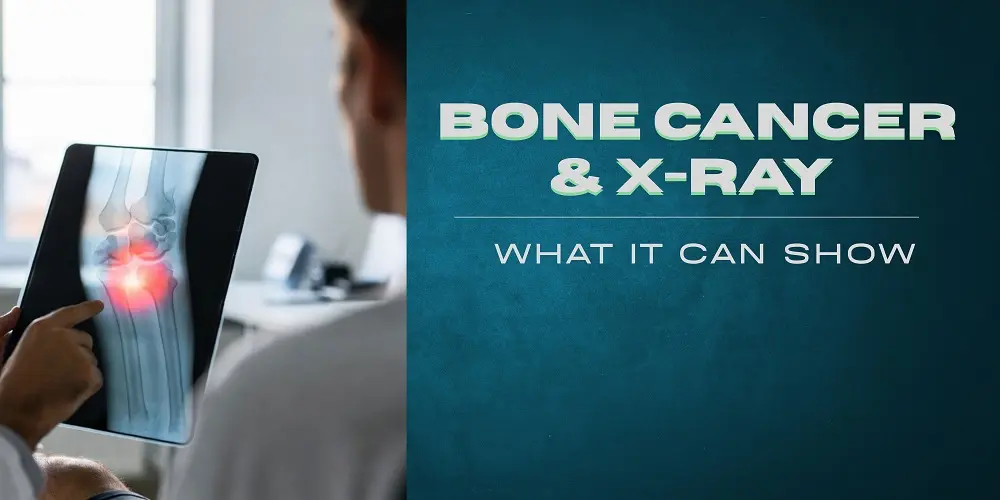
An X-ray is usually the first imaging test ordered when someone has ongoing bone pain, swelling, or an unexplained fracture. While an X-ray alone cannot confirm bone cancer, it can reveal abnormal changes in bone structure that alert doctors to the possibility of a serious underlying condition.
On an X-ray, bone cancer may appear as areas where the bone looks damaged, weakened, or irregular. In some cases, the bone may look partially destroyed, or there may be unusual bone growth around the affected area. Fractures that occur with minimal injury can also raise concern.
We Handle the Planning
You Focus on Recovery
From Medical Visa assistance to airport pick-up and local stay, HOSPIDIO manages your entire medical trip.
Tell Us About Your Need
Free case review. Confidential. No obligation.However, it’s important to understand that early bone cancer does not always show clearly on an X-ray. Small tumors or tumors located in complex areas such as the pelvis or spine may be missed in the early stages. For this reason, a normal X-ray does not always mean there is no serious problem.
What an X-Ray Can and Cannot Tell Your Doctor
An X-ray is the "first look" into the bone's health. While it provides a 2D snapshot, radiologists look for very specific patterns that suggest a tumor rather than a simple injury.
What X-rays are good at:
- Lytic Lesions: These appear as "holes" or dark spots where the cancer has "eaten" away the bone mineral.
- Blastic Lesions: These appear as extra-white, dense areas where the bone is reacting to the cancer by producing too much bone too fast.
- Pathological Fractures: A break that occurs in a bone already weakened by a tumor, often with very little force or impact.
- Sunburst or Moth-Eaten Patterns: These are specific ways new bone grows or old bone disappears that strongly suggest a malignancy like Osteosarcoma.
What X-rays cannot do well:
- Distinguish Cancer from Infection: A bone infection (osteomyelitis) can often "mimic" the appearance of cancer on an X-ray.
- Detect "Hidden" Tumors: In complex areas like the pelvis or the deep marrow of the spine, small tumors can hide behind other structures.
- Measure Soft Tissue Spread: An X-ray cannot show if a tumor has started growing into the nearby muscles, nerves, or blood vessels—this is where an MRI becomes essential.
Because of these limitations, doctors often order additional imaging tests if symptoms persist or worsen.
How Is Bone Cancer Diagnosed?
Bone cancer diagnosis is rarely based on a single test. Instead, doctors use a step-by-step approach, combining clinical evaluation with imaging and laboratory findings to understand what is causing the symptoms.
The process usually begins with a detailed discussion of symptoms, including how long pain has been present, whether it worsens at night, and whether there has been any swelling or fracture. The diagnostic process usually includes:
- Imaging tests (X-ray, MRI, CT, PET)
- Blood tests (supportive, not definitive)
- Biopsy (confirmation)
This careful process helps ensure that serious conditions are identified without subjecting patients to unnecessary invasive procedures.
Can Bone Cancer Show Up in a Blood Test?
Blood tests often raise questions for patients, but it’s important to be clear: bone cancer cannot be diagnosed through blood tests alone.
That said, blood tests can sometimes show changes that suggest something abnormal is happening in the body. Certain markers, such as elevated alkaline phosphatase levels, may be seen when bone tissue is being actively broken down or rebuilt. Blood tests may also reveal inflammation or calcium imbalances.
These findings are not specific to cancer and are commonly seen in non-cancerous conditions. When blood test results are abnormal and symptoms persist, doctors use them as a reason to investigate further with imaging or biopsy rather than as proof of cancer.
Advanced Imaging Tests Used in Bone Cancer Evaluation
When X-rays do not provide enough information, doctors rely on advanced imaging tests to gain a clearer picture. MRI scans are especially useful because they show both bone and surrounding soft tissues, helping doctors understand how large a tumor is and whether it is affecting nearby structures such as muscles or nerves.
CT scans provide detailed cross-sectional images of bone and are often used to guide biopsies or plan surgery. PET scans, on the other hand, help identify areas of increased metabolic activity and are particularly useful for detecting whether cancer has spread to other parts of the body.
Each of these imaging tools plays a different role, and doctors select them based on the patient’s symptoms and initial test results.
Can Bone Marrow Edema Be Cancer?
Bone marrow edema is a term often mentioned in MRI reports and can sound alarming. It simply means there is increased fluid within the bone marrow, which can occur for many reasons.
Most cases of bone marrow edema are caused by non-cancerous conditions such as injury, arthritis, infection, or inflammation. In rare situations, it may be associated with a bone tumor or metastatic disease. Doctors determine its significance by considering the overall clinical picture, including symptoms, MRI patterns, and results of other tests.
In many cases, bone marrow edema resolves with treatment or time. Persistent or unexplained findings, however, may require closer monitoring or further evaluation.
Why Diagnosing Bone Cancer Can Take Time
As we discussed in our guide to the 7 Warning Signs of Bone Cancer, symptoms like night pain can be subtle, which is why the X-ray is such a critical first milestone. Bone cancer is rare, and its symptoms often overlap with much more common conditions. Because of this, doctors proceed carefully, ruling out benign causes before moving toward invasive testing. This cautious approach helps avoid unnecessary procedures while ensuring serious conditions are not overlooked.
What Is a Bone Biopsy and Why Is It Needed?
When imaging tests suggest that a bone abnormality could be cancerous, doctors may recommend a bone biopsy. A biopsy is the only definitive way to confirm whether a bone lesion is cancer and, if so, what type it is.
During a bone biopsy, a small sample of bone tissue is removed from the affected area and examined under a microscope by a pathologist. This allows doctors to identify whether the cells are cancerous, benign, or related to another condition such as infection.
Although the idea of a biopsy can sound intimidating, it is a carefully planned procedure designed to minimize risk and discomfort. In many cases, it is performed using imaging guidance to ensure accuracy.
How a Bone Biopsy Is Performed
The method used for a bone biopsy depends on the location of the suspicious area and the patient’s overall condition. Some biopsies are done using a needle under local anesthesia, while others may require a small surgical procedure.
Doctors take great care to plan the biopsy properly, especially if surgery may be needed later. Poorly placed biopsies can complicate future treatment, which is why biopsies are often performed at specialized centers or in consultation with orthopedic oncology teams.
After the procedure, patients may experience mild soreness for a short time, but serious complications are uncommon.
How Doctors Confirm a Bone Cancer Diagnosis
Once the biopsy sample is collected, it is examined in a laboratory to determine whether cancer cells are present. If cancer is confirmed, further testing helps identify the exact type of bone cancer, which is critical for planning treatment.
Doctors also use imaging results to determine:
- The size of the tumor
- Whether it has affected nearby tissues
- Whether there are signs of spread to other bones or organs
This combined information allows doctors to determine the stage of the cancer, which guides treatment decisions.
What Happens After a Bone Cancer Diagnosis?
A diagnosis of bone cancer can feel overwhelming, but it also provides clarity and direction. Once the diagnosis is confirmed, patients are usually referred to a multidisciplinary medical team, which may include orthopedic surgeons, medical oncologists, radiation oncologists, and rehabilitation specialists.
The treatment plan depends on several factors, including:
- The type of bone cancer
- The stage of the disease
- The location of the tumor
- The patient’s age and overall health
Some patients may begin treatment quickly, while others may undergo additional imaging or consultations before starting therapy. This planning phase is essential to ensure the most effective and safest approach.
Why Specialized Centers Matter for Bone Cancer
Bone cancer is rare, and its diagnosis and treatment often require specialized expertise. Many patients are referred to cancer centers with experience in bone tumors to ensure accurate diagnosis and appropriate treatment planning.
Specialized centers typically offer:
- Advanced imaging and pathology services
- Surgeons experienced in limb-sparing procedures
- Coordinated care across multiple specialties
For international patients, accessing experienced centers can play a key role in both outcomes and recovery.
Can a Second Opinion Help?
Seeking a second opinion is common in bone cancer diagnosis and is often encouraged. Because treatment decisions can be complex, another specialist may confirm the diagnosis, suggest alternative treatment options, or provide reassurance.
A second opinion does not delay care in most cases and can help patients feel more confident about their treatment plan.
Understanding the Diagnostic Journey
Bone cancer diagnosis is rarely a single-step process. It often unfolds over time, as doctors gather information, rule out other conditions, and confirm findings carefully.
While this can feel frustrating for patients, the goal is always accuracy. Rushing to conclusions can lead to unnecessary procedures or incorrect treatment, while a thorough approach ensures the best possible care.
Message for Patients Having Symptoms
Persistent bone pain, swelling, or unexplained fractures should not be ignored, especially if symptoms continue despite treatment. At the same time, most bone abnormalities are not cancer. Diagnostic testing exists to provide clarity, reassurance, and direction—not fear.
Early evaluation and expert care make a meaningful difference.
Helpful Blogs


Medical Disclaimer:
This content is for informational and educational purposes only and should not be considered medical advice. Bone cancer symptoms can vary, and many conditions may cause similar signs. Always consult a qualified healthcare professional for an accurate diagnosis and personalized treatment plan. Do not delay or ignore medical advice based on information from this article.
References
- American Cancer Society
- Mayo Clinic
- National Cancer Institute
Recent Blogs





Sasmita Bal is a Digital Marketing and Content Specialist at HOSPIDIO with expertise in SEO and international healthcare content. She reviews published material to ensure it is optimized for search visibility and relevant to the needs of international patients seeking treatment in India. All content she reviews is authored and clinically approved by the Founder of HOSPIDIO and relevant medical specialists prior to publication.
Guneet Bhatia is the Founder of HOSPIDIO and an accomplished content reviewer with extensive experience in medical content development, instructional design, and blogging. Passionate about creating impactful content, she excels in ensuring accuracy and clarity in every piece. Guneet enjoys engaging in meaningful conversations with people from diverse ethnic and cultural backgrounds, enriching her perspective. When she's not working, she cherishes quality time with her family, enjoys good music, and loves brainstorming innovative ideas with her team.