
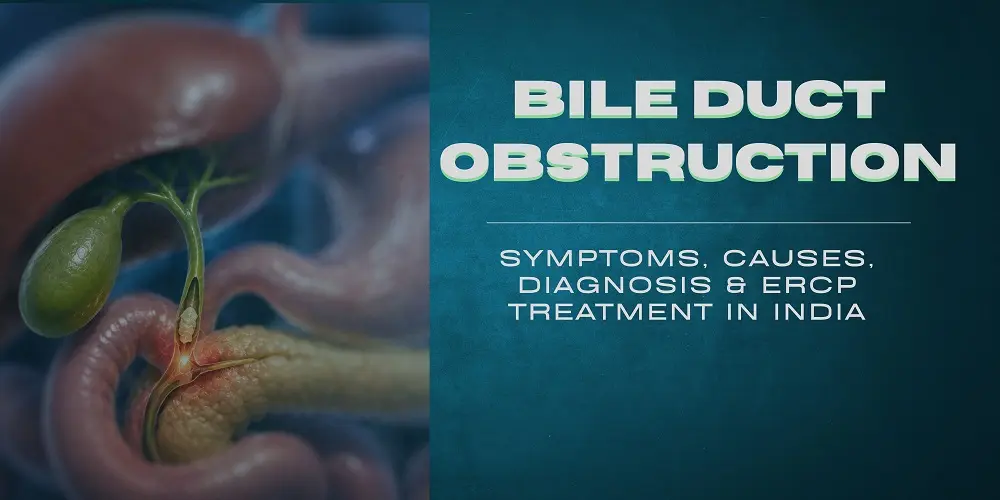
A bile duct obstruction can feel like a sudden crisis, but the good news is that it is one of the most treatable biliary emergencies. Your bile ducts are thin tubes that carry bile from your liver and gallbladder to your small intestine, where it helps break down fats. When one of these tubes gets blockedwhether by a gallstone, a stricture, inflammation, or something elsebile backs up into the liver and bloodstream, causing jaundice, pain, and potentially serious complications like cholangitis (infection) or pancreatitis.
Left untreated, a bile duct obstruction can damage your liver. But caught early, it responds well to treatment, especially ERCP, a minimally invasive procedure that gastroenterologists worldwide use routinely. Many international patients who face delays or high costs at home are discovering that India offers the same expertise, advanced endoscopic equipment, and rapid access to diagnosis and treatment at a fraction of the cost. This guide covers what causes a blocked bile duct, how to recognize an emergency, what diagnosis involves, and why many patients choose India for diagnosis and treatment.
In short: Bile duct obstructions are highly treatable. ERCP is the standard minimally invasive approach. India offers expert gastroenterologists, state-of-the-art facilities, and rapid turnaround, often at 30 to 50 percent of costs in the US or UK. If you have been diagnosed with a bile duct obstruction or suspect you might have one, a free case review with HOSPIDIO can help you understand your options.
What is a Bile Duct Obstruction?
Your bile ducts are part of your biliary system, a network of tubes that starts in your liver, continues through the gallbladder (which stores bile between meals), and empties into your small intestine just beyond the stomach. Bile is a digestive fluid that breaks down fat and helps your body absorb certain vitamins.
A bile duct obstruction is a blockage anywhere in this system, but most commonly in the common bile duct, the main tube that carries bile from the liver and gallbladder to the intestine. When this tube is partially or completely blocked, bile cannot flow freely. It backs up into the liver and eventually leaks into the bloodstream, causing jaundice (yellowing of the skin and eyes), dark urine, pale stools, and abdominal pain. Depending on how complete the blockage is and how quickly you seek treatment, complications can follow within hours or days.
Connect with an experienced gastroenterologist for a consultation to discuss your case and treatment options
Causes a Blocked Bile Duct
The causes of bile duct obstruction vary, and knowing the cause helps determine the best treatment approach. Here are the most common:
Gallstones (Choledocholithiasis)
The most common cause, accounting for up to 80 percent of cases. Gallstones form in the gallbladder, but sometimes they slip into the bile ducts. Even a single stone can cause complete obstruction.
Bile Duct Strictures
The bile duct narrows, restricting bile flow. This can happen after gallbladder surgery if a duct was accidentally injured, or as a result of inflammation, scarring from previous infection, or rarely, as part of a genetic condition like primary sclerosing cholangitis (PSC).
Pancreatitis
Inflammation of the pancreas can squeeze the bile duct where it passes through the pancreas, causing obstruction. This is common in alcoholic pancreatitis or gallstone-induced pancreatitis.
Tumors and Cancers
Cancers of the pancreas, bile duct, or liver can grow into or press on the bile duct, blocking it. Bile duct cancer (cholangiocarcinoma) is less common but is an urgent diagnosis when found.
Mirizzi Syndrome
A gallstone becomes lodged in a side branch of the bile duct and pushes against the main common bile duct from the outside, narrowing it. This is rare but important to identify because standard laparoscopic gallbladder removal can be risky specialized hepatobiliary surgery is often needed.
Bile Duct Parasites
In tropical regions, parasitic infections (like liver flukes in Southeast Asia) can cause strictures or obstruction. This is uncommon in developed countries but important for travelers to recognize.
Previous Surgery
Bile duct injury during gallbladder removal (cholecystectomy) or other abdominal surgery can lead to strictures that obstruct years or even decades later.
Primary Sclerosing Cholangitis (PSC)
A rare autoimmune condition causing progressive inflammation and scarring of the bile ducts. Often associated with inflammatory bowel disease.
Other Causes
Cysts, enlarged lymph nodes, or inflammatory conditions like pancreatitis-associated strictures.
Symptoms of Bile Duct Obstruction
Symptoms usually appear suddenly and escalate quickly:
Most Common: Jaundice (yellowing of the skin and whites of the eyes), Dark urine (tea or cola colored), Pale or clay-colored stools, Abdominal pain, especially in the upper right side or center, Itching (pruritus), sometimes severe, Nausea or vomiting
With Infection (Cholangitis): Fever, sometimes high, Chills, Confusion or altered mental state (in severe cases), Hypotension (very serious sign)
Important note: Do not confuse simple bile duct obstruction with acute cholangitis, the life-threatening infection that can develop when bile becomes infected behind an obstruction. Both need urgent treatment, but cholangitis is a medical emergency requiring antibiotics and rapid drainage.
The severity of symptoms often depends on how suddenly the obstruction occurred and whether it is partial or complete. A gradual partial blockage might cause only mild jaundice and itching for weeks. A sudden complete blockage causes severe pain and rapid jaundice within hours.
Is a Blocked Bile Duct an Emergency?
Most bile duct obstructions need urgent diagnosis and treatment within days, and some need emergency intervention within hours.
Seek emergency care (ER/A&E) immediately if you have Fever above 38.5°C (101.3°F) with jaundice and abdominal pain (signs of cholangitis). Severe, unrelenting abdominal pain with vomiting. Signs of sepsis (confusion, extreme weakness, rapid heart rate). Jaundice appearing suddenly with severe pain.
Seek urgent care (same day or next day) if you have Jaundice with abdominal pain or itching. Dark urine and pale stools lasting more than a few hours. Abdominal pain in the upper right side with yellowing of eyes/skin.
You can wait a few days for a scheduled appointment if you have Mild itching without jaundice. Mild yellowing of eyes only (no skin jaundice yet). No fever or pain.
Why the urgency matters: If your bile duct is fully blocked, your liver continues to produce bile, which backs up and can eventually damage liver cells. If infection develops (cholangitis), it can progress to sepsis and organ failure within hours. Early diagnosis and treatment prevent these complications.
How Is Bile Duct Obstruction Diagnosed?
Diagnosis typically involves blood tests and imaging. The goal is to confirm an obstruction exists, locate it, and identify its cause.
Blood Tests
- Liver function tests (LFTs): Especially bilirubin (direct and indirect), alkaline phosphatase, and GGT, which rise when the bile duct is blocked.
- Albumin and prothrombin time (PT/INR): Show whether your liver is functioning well overall.
- Amylase and lipase: Elevated if pancreatitis is present.
- Complete blood count (CBC) and blood cultures: If infection is suspected.
Imaging Studies
| Imaging | What It Shows | Pros | Cons |
| Ultrasound | Gallstones, dilated bile ducts, pancreas inflammation | Non-invasive, no radiation, inexpensive, rapid | May miss small stones or strictures limited view in obese patients |
| CT (Computed Tomography) | Detailed anatomy, tumors, pancreas, gallstones | Excellent for cancer, pancreatitis, and anatomy | Radiation exposure, less detail on fine ducts |
| MRCP (Magnetic Resonance Cholangiopancreatography) | Detailed 3D imaging of bile ducts without needing to enter them | Non-invasive, no radiation, excellent for strictures and duct anatomy | More expensive, longer scan, not suitable if metal implants |
| EUS (Endoscopic Ultrasound) | High-resolution imaging of ducts plus ability to take tissue samples | Better than MRCP for small lesions and tissue diagnosis | Requires endoscopy, needs expertise, operator-dependent |
| ERCP (Endoscopic Retrograde Cholangiopancreatography) | Direct visualization of ducts plus ability to treat (remove stones, place stents) | Therapeutic and diagnostic can treat during same procedure | Invasive, risk of pancreatitis and perforation requires endoscopy expertise |
| PTC (Percutaneous Transhepatic Cholangiography) | Direct visualization when ERCP cannot be done | Can drain bile externally if ERCP fails | Invasive, risk of bleeding, generally reserved for failed ERCP or bypass cases |
Typical diagnostic sequence in most countries:
1. Blood tests + ultrasound (initial screen)
2. MRCP if ultrasound shows dilated ducts or stone suspicion (detailed imaging, no radiation)
3. ERCP if MRCP confirms obstruction (therapeutic intervention can happen immediately)
In India, this sequence typically takes 3 to 5 days from initial consultation to diagnosis and treatment.
ERCP (Endoscopic Retrograde Cholangiopancreatography) for Bile Duct Obstruction
ERCP is the gold standard treatment for most bile duct obstructions. It is minimally invasive, has high success rates, and allows the doctor to treat the obstruction during the same procedure.
How ERCP Works
The gastroenterologist passes a thin, flexible tube (endoscope) down your throat, through your stomach, and into the small intestine where the bile duct opens. A small camera on the tip lets them see inside. They inject contrast dye into the duct and take X-rays to visualize the blockage. Depending on what they find, they can then cut the muscle at the duct opening (sphincterotomy) to widen it. Remove gallstones using a small basket or balloon. Place a stent (small plastic or metal tube) to hold a narrowed duct open. Remove scar tissue (if the blockage is a stricture). Biopsy or remove a tumor if cancer is suspected.
Duration and Recovery
- Procedure time: 20 to 60 minutes depending on complexity
- Sedation: Usually twilight anesthesia (you are asleep but not on a breathing tube)
- Hospital stay: Same-day or overnight discharge in most cases
- Return to normal diet: Usually within 24 hours
- Return to work: Most people within 3 to 7 days
Success Rates
ERCP successfully relieves a bile duct obstruction in 85 to 95 percent of cases, depending on the cause. Strictures may need repeat procedures or long-term stent management. Stones are removed successfully over 90 percent of the time.
Risks of ERCP
Serious complications occur in 3 to 5 percent of procedures: -
- Pancreatitis (inflammation of the pancreas): Most common, occurring in 2 to 3 percent. Usually mild and self-limited, but can be severe.
- Bleeding: From sphincterotomy, usually minor and controlled during the procedure.
- Perforation: Rare, but the endoscope or treatment can puncture the bile duct or intestine.
- Infection: If a stent is left in place, bacteria can colonize it regular stent changes minimize this.
- Allergic reaction to contrast dye: Rare, especially with modern contrast agents.
Most risks are managed by experienced endoscopists and disappear within a few days. The risk of not treating an obstructed bile duct (liver damage, cholangitis, death) far outweighs the procedural risks for the vast majority of patients.
Worried about ERCP risks or wondering if you are a candidate? Schedule a video consultation
MRCP vs. EUS: When Each Is Used
These are the two main imaging options that give detailed views of your bile ducts without entering them (unlike ERCP).
MRCP (Magnetic Resonance Cholangiopancreatography)
Non-invasive, no X-ray or endoscopy - Excellent for seeing the entire bile duct tree and identifying strictures or stones - Often the first detailed imaging test after ultrasound - No risk of pancreatitis (unlike ERCP) - Drawback: Cannot remove stones or place stents if obstruction is confirmed, you still need ERCP
EUS (Endoscopic Ultrasound)
Uses an endoscope with a ultrasound probe on the tip to get high-resolution images of ducts
- Better than MRCP for small lesions, cysts, or determining if a stricture is benign or cancerous
- Can take tissue samples (biopsies) during the same procedure
Drawback: Requires expertise, not available everywhere, still cannot remove stones or place stents during EUS alone (though some centers can do therapeutic EUS-guided ERCP)
Simple rule: If you need detailed imaging to confirm obstruction and plan treatment, get MRCP first (it is non-invasive). If you need tissue diagnosis or have cancer concerns, EUS is better.
Bile Duct Stenting: What It Is and When It’s Used
A stent is a small plastic or metal tube placed inside the bile duct to keep it open. It is used in several situations:
When Stents Are Used
- Strictures: If the duct is narrowed by scarring or stricture, a stent holds it open while it heals. It is usually temporary (3 to 6 months), then removed.
- Malignancy: If cancer is blocking the duct and surgery is not an option, a stent allows bile to drain around the tumor, relieving jaundice and itching.
- Post-ERCP: Sometimes after stone removal or sphincterotomy, a temporary stent is left to prevent swelling from blocking the duct again.
- Chronic pancreatitis: If the pancreas is inflamed and pressing on the duct, a stent can bypass the pressure.
Types of Stents
- Plastic stents: Cheaper, easier to remove, but can get colonized by bacteria and need changing every 2 to 3 months if left long-term.
- Metal stents: More expensive, last longer (6 to 12 months), lower risk of migration, but harder to remove (some are designed as permanent).
Stent Placement and Removal
- Placed during ERCP (usually takes 5 to 10 minutes after stone removal or stricture dilation)
- Temporary stents are removed during a follow-up ERCP in 4 to 8 weeks
- Patients usually do not feel the stent once it is in place
- Routine imaging (ultrasound or MRCP) is done before removal to confirm the bile duct has healed
Important: If you travel abroad for ERCP and have a stent placed, arrange with your local doctor to have it removed after the planned interval. Stents left longer than intended can cause problems.
Treatment for Bile Duct Obstruction (Depends on Cause)
Once obstruction is confirmed, the treatment depends entirely on its cause. Here is how each is typically managed:
If Caused by Gallstones (Choledocholithiasis)
Treatment: ERCP with sphincterotomy and stone extraction.
- Sphincterotomy: The muscle at the duct opening is cut (or dilated) to widen it, allowing stones to pass.
- Stone removal: The stone is grabbed with a basket or balloon and pulled out through the endoscope.
- Success rate: Over 90 percent on the first attempt.
- Stent: Usually not needed after simple stone removal, unless the stone was very large or the duct was damaged.
Follow-up: Your gallbladder remains in place. If stones keep forming and returning to the bile duct, cholecystectomy (gallbladder removal) is often considered to prevent recurrence.
Why India: Many international patients are treated for gallstone pancreatitis or a stone stuck in the bile duct. The wait time for ERCP in some countries (weeks to months) contrasts with same-day or next-day ERCP in India.
If Caused by Bile Duct Strictures
Treatment: ERCP with balloon dilation and/or stent placement.
- Dilation: A balloon is inflated inside the strictured area to widen it.
- Stent: A temporary plastic stent is left to hold the duct open as it heals (4 to 8 weeks).
- Repeat ERCP: The stent is removed after healing is confirmed.
- Success rate: 70 to 80 percent after one or more procedures, some strictures are stubborn and need multiple dilations over time.
If stricture recurs: Long-term stent management (metal stent left permanently), or surgical bypass, may be needed.
Common causes of strictures:
- Post-cholecystectomy injury (bile duct was accidentally cut or burned during surgery)
- Primary sclerosing cholangitis (PSC), an autoimmune disease causing progressive scarring
- Chronic pancreatitis pressing on the duct.
If Caused by Pancreatitis
Treatment: The bile duct obstruction is usually relieved once the pancreatic inflammation subsides.
- ERCP with stent: If the duct is severely compressed by swollen pancreas, a temporary stent may be placed to allow bile to drain.
- Medical management: Antibiotics (if infection), fluid support, and treatment of the pancreatitis itself (alcohol cessation, gallstone removal, etc.).
Follow-up imaging: Repeat MRCP or ultrasound to confirm the duct has decompressed.
Why it happens: The bile duct runs through the pancreas. If the pancreas is inflamed (pancreatitis), swelling can narrow or block the duct.
Prognosis: Most patients recover once the pancreatitis resolves. Chronic pancreatitis, however, may cause permanent stricturing.
If Caused by Tumors or Cancers
Treatment: Depends on type, stage, and whether surgery is possible.
If surgical resection is possible: Tumor is removed along with affected duct segments. This is the only potentially curative option.
If surgery is not possible:
- ERCP with stent: A plastic or metal stent is placed to bypass the tumor and relieve jaundice. This is palliative (relieves symptoms but does not cure).
- Chemotherapy or radiation: May slow growth and extend survival, depending on tumor type.
- Clinical trials: May be available for certain bile duct or pancreatic cancers.
Types of cancers that obstruct the bile duct:
- Cholangiocarcinoma (bile duct cancer)
- Pancreatic cancer (because the duct runs through the pancreas)
- Ampullary cancer (at the opening of the duct)
- Liver cancer (if it involves the main bile duct)
Prognosis: Varies widely. Cholangiocarcinoma and pancreatic cancer are aggressive, early diagnosis and treatment improve outcomes.
WhyIndia: Many international patients with advanced cancer seek ERCP in India for palliative stent placement and ongoing chemotherapy support at lower cost.
If Caused by Mirizzi Syndrome
Treatment: Hepatobiliary surgery (not standard ERCP).
Why standard ERCP doesn’t work: The stone is stuck in a side branch, pushing the main duct from the outside. Simple sphincterotomy and stone removal will not relieve the obstruction.
Surgical options: - Cholecystectomy (gallbladder removal) plus careful duct exploration - If the duct is damaged, hepatobiliary reconstruction may be needed.
Success rate: High if diagnosed correctly before standard approaches are attempted. Important to identify this before ERCP to avoid unnecessary complications.
One patient traveled from Barbados for routine health screening, was unexpectedly diagnosed with Mirizzi syndrome, and received specialized hepatobiliary surgery. She was discharged the day after surgery and recovered well, a reminder that complex cases need the right surgical expertise.
When Is Gallbladder Removal Required?
Not all bile duct obstructions require cholecystectomy (gallbladder removal). Here is when it does:
Cholecystectomy IS typically recommended if:
- Gallstones keep forming and returning to the bile duct (recurrent choledocholithiasis)
- You have had acute cholecystitis (inflamed gallbladder) from gallstones
- You have a gallbladder full of stones and an obstructed bile duct (remove both the source and address the obstruction)
- The gallbladder is calcified or non-functional (“porcelain” gallbladder, at high cancer risk)
Cholecystectomy may NOT be needed if:
- The gallstone was a one-time event, ERCP removed it, and you do not have other gallstones
- Your gallbladder functions normally and is stone-free
- You have a bile duct stricture unrelated to gallstones
- You have a tumor or infection causing obstruction (gallbladder is innocent)
Timing: If gallbladder removal is planned, it is usually done 4 to 6 weeks after ERCP, once acute inflammation has subsided. Doing both the same day is sometimes possible but carries higher risk.
Bile Duct Obstruction Treatment in India: Why It Matters
India has emerged as a leading destination for bile duct obstruction diagnosis and treatment, particularly for international patients. Here is why:
The Global Gap
- US: Average wait time for ERCP is 2 to 6 weeks, costs $8,000 to $15,000 for the procedure alone.
- UK: Wait times can be 4 to 12 weeks in the NHS, private care is £6,000 to £12,000.
- Canada: Wait times are 3 to 8 weeks, procedure costs CAD $6,000 to $10,000.
- India: Consultation within 2 to 3 days, ERCP within 5 to 7 days, total cost $2,500 to $4,000.
For someone with a bile duct obstruction causing jaundice and pain, waiting weeks is not just frustrating, it is risky. Liver damage and cholangitis can develop.
Why India Works for This
- Volume: Indian hospitals perform thousands of ERCP procedures annually. Expertise is high.
- Speed: Same-day or next-day appointments, imaging and ERCP can happen within days, not weeks.
- Technology: State-of-the-art ERCP suites with the latest endoscopes, imaging, and tools.
- Cost: 60 to 70 percent less than the US or Europe, without sacrificing quality.
- Multidisciplinary care: Hepatobiliary surgeons, interventional endoscopists, and oncologists work together.
- English-speaking doctors: Most major hospitals have English-speaking staff.
- Follow-up support: Telemedicine follow-up appointments after you return home.
Why Choose India for Bile Duct Obstruction Diagnosis & Treatment?
Expertise
Gastroenterologists trained at top centers worldwide, then practicing in India.
Hepatobiliary surgeons specialized in complex cases (Mirizzi syndrome, stricture reconstruction, etc.).
Endoscopists performing 50+ ERCP procedures monthly (high volume = high skill). Multidisciplinary tumor boards for cancer-related obstructions.
Advanced Diagnostics & Procedures
State-of-the-art MRCP and EUS equipment.
Cholangioscopy (direct camera visualization inside the bile duct) available at some centers for detailed assessment.
Interventional endoscopy for complex cases (metal stents, stricture management).
Same-day or overnight ERCP without the weeks-long wait.
Cost Advantage (Detailed Breakdown)
| Service | India | US | UK | Savings (India vs. US) |
| Consultation (doctor visit) | $30 - $40 | $300 - $600 | £200 - £400 | 60 - 70% less |
| MRCP imaging | $300 - $500 | $2,000 - $4,000 | £1,000 - £2,000 | 75% less |
| EUS (if needed) | $400 - $700 | $2,500 - $4,000 | £1,500 - £2,500 | 75% less |
| ERCP (stone removal, simple) | $2,000 - $3,000 | $8,000 - $12,000 | £6,000 - £10,000 | 70% - 75% less |
| ERCP (with stent placement) | $2,500 - $3,500 | $10,000 - $15,000 | £8,000 - £12,000 | 70% - 75% less |
| Hepatobiliary surgery (if needed) | $6,000 - $9,000 | $35,000 - $40,000 | £21,000 - £25,000 | 70% - 80% less |
| Hospital stay (per night) | $150 - $300 | $1,500 - $3,000 | £1,000 - £2,500 | 80% - 90% less |
| Total (Diagnostic + ERCP, simple case) | $2,900 - $3,900 | $10,500 - $16,000 | £8,000 - £13,000 | 70% - 75% less |
These prices are typical for JCI-accredited hospitals in major cities (Delhi, Mumbai, Bangalore, Hyderabad). They include consultation, imaging, procedure, anesthesia, drugs, and hospital stay.
Timeline in India
Consultation to diagnosis: 3 to 5 days (phone/video consultation same day or next day)
Procedure scheduling: Within 5 to 7 days of confirmation
Hospital stay: 1 to 2 nights for routine ERCP, longer if complications or complex case
Recovery: Safe to fly home 1 week post-procedure for routine cases
Follow-up: Remote video consultations at 1 week, 2 weeks, 1 month
Top Gastroenterologists & Hepatobiliary Surgeons for Bile Duct Treatment in India



Specialized in



Specialized in
Top Hospitals for Bile Duct Obstruction Treatment in India
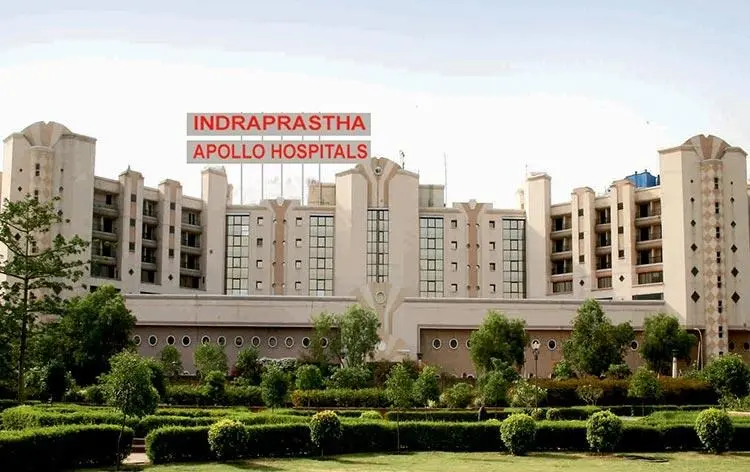
Apollo Hospitals (Multiple locations: Mumbai, Bangalore, Hyderabad, Delhi)
- Departments: Gastroenterology, Hepatobiliary Surgery, Oncology, Infectious Disease
- ERCP suites: 3 - 4 dedicated endoscopy units with latest equipment
- Volume: 500+ ERCP procedures annually
- Accreditation: JCI, NABH
- Specialties: Routine and complex obstructions, emergency cholangitis, cancer management
- Emergency care: 24/7 critical care and emergency services
Fortis Healthcare (Multiple locations)
- Departments: GI Surgery, Hepatobiliary Center of Excellence, Infectious Disease
- ERCP volume: 400+ annually
- Specialties: Complex strictures, Mirizzi syndrome, cancer cases
- Follow-up: Strong outpatient follow-up and international patient coordination
- Accreditation: JCI, NABH
Max Healthcare (Delhi, Mumbai, Bangalore)
- Departments: Advanced GI Endoscopy, Hepatobiliary Surgery, Interventional Radiology
- ERCP facilities: State-of-the-art endoscopy centers
- Specialties: EUS-guided ERCP, cholangioscopy, complex biliary cases
- Accreditation: JCI, NABH
- Strengths: Strong research programs, expertise in rare cases
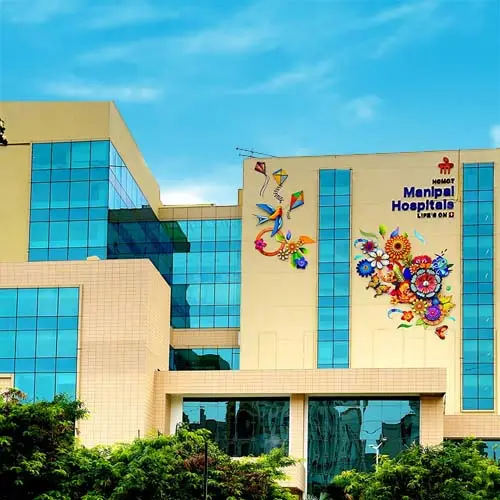
Manipal Hospitals (Bangalore, Delhi, Pune)
- Departments: Institute of Gastroenterology, Surgical Oncology
- ERCP volume: 300+ annually - Strengths: Expertise in emergency cholangitis, robust antibiotic stewardship - Accreditation: JCI, NABH



- 4.5
- 3k Reviews
- (Google)
- 300+ Beds
- 30+ Departments
- 150+ Doctors
- 15k+ Intl. Patients

- 4.2
- 7k Reviews
- (Google)
- 400+ Beds
- 30+ Departments
- 78+ Doctors
- 500k+ Intl. Patients
- 4.7
- 14k Reviews
- (Google)
- 710+ Beds
- 50+ Departments
- 200+ Doctors
- 45k+ Intl. Patients
- 4.6
- 17k Reviews
- (Google)
- 380+ Beds
- 30+ Departments
- 90+ Doctors
- 50k+ Intl. Patients
How International Patients Approach Bile Duct Obstruction Treatment in India
The pathway from diagnosis abroad to treatment in India is faster than you might expect. Here is how it typically unfolds:
Step 1: Free Case Review (Day 1–2)
Contact HOSPIDIO via email, WhatsApp, or phone with your symptoms and any available medical reports (blood tests, ultrasound, CT, or MRCP images).
A medical coordinator reviews your case and schedules a brief call with a doctor or medical expert.
Initial assessment: Is this a bile duct obstruction? How urgent is it? Do you need emergency care now or can you plan a trip to India?
Outcome: Confirmation that India is appropriate for your case, or guidance if you need emergency local care first.
Step 2: Specialist Video Consultation (Day 3–5)
- Schedule a video call with a gastroenterologist or hepatobiliary surgeon (depending on your case).
- Discussion topics: Your symptoms, medical history, risk factors, what imaging you have already had, and what tests you still need.
- Doctor recommendation: MRCP vs. EUS vs. straight to ERCP? Do you need surgery? Is this routine or complex?
- Timeline & cost: Honest estimate of how long you will need to be in India and what total costs will be.
- Questions: Ask everything. This call is free and thorough.
Step 3: Travel & Initial Workup (Week 1)
- You arrive in India (typically a major city: Mumbai, Delhi, Bangalore, or Hyderabad).
- HOSPIDIO arranges or coordinates: airport transfer, hotel (close to hospital), visa support if needed.
- First day: Blood tests, repeat ultrasound or CT if needed, and meeting with the doctor.
- Day 2–3: MRCP or EUS imaging to confirm diagnosis and plan the ERCP.
Step 4: Treatment Decision (Within 3–5 Days)
- Imaging results are reviewed.
- Doctor schedules your ERCP or other treatment.
- You are given clear expectations: How long will the procedure take? What type of stent (if any)? When can you eat normally? When can you fly home?
- Any questions are answered.
Step 5: Procedure & Recovery (Week 1–2)
- ERCP day: You arrive at the hospital in the morning, undergo twilight anesthesia, and the procedure takes 20–60 minutes.
- Post-procedure: A few hours in recovery, then either discharged that day or admitted overnight for observation.
- First few days: Rest, light diet, pain management if needed.
- Follow-up ultrasound or imaging (usually by Day 2 or 3) to confirm success.
Step 6: Follow-Up Care & Return Home
- You are cleared to return to light activity by Day 3–5 post-procedure.
- Safe to fly home 7 days post-procedure for routine cases.
- Discharge letter and imaging CDs are provided.
- Remote follow-up appointments: Video call at 1 week, 2 weeks, and 1 month to ensure healing.
- If stent was placed, schedule removal with your local doctor in 4–8 weeks (or ask HOSPIDIO if you want to return to India for removal).
What to Expect: Timeline, Cost, and Next Steps
Timeline Snapshot (Routine Bile Duct Obstruction – Stone Removal)
| Phase | Duration | Location |
| Initial consultation to specialist call | 2 - 3 days | Remote (phone/video) |
| Specialist consultation | 1 hour | Remote (video) |
| Travel to India | 1 - 3 days | In transit |
| Initial workup (blood tests, ultrasound) | 1 day | Hospital |
| MRCP imaging | 1 Day | Hospital |
| ERCP procedure scheduling | 1 - 3 days | Hospital Coordination |
| ERCP procedure | 1 day | Hospital |
| Hospital stay | 0 - 1 night | Hospital |
| Recovery & light activity | 3 - 5 days | Hotel or hospital |
| Safe to travel home | 7 days post-procedure | Clear to fly |
| Total time in India | 5 - 10 days | |
| Total time from first contact to flying home | 10 - 15 days |
Why Medical Tourism Works for Bile Duct Obstruction
Safety
- JCI-accredited hospitals meet the same quality and safety standards as hospitals in the US or UK.
- Infection rates are comparable to or lower than developed countries.
- Doctor credentials are verifiable, many trained at top international institutions.
- Emergency backup: If complications arise, you have access to the hospital’s full ICU and surgical team.
Quality of Care
- You see the same endoscopists who treat Indian nationals, not a separate “medical tourism” track.
- Imaging and lab quality are high, equipment is modern and regularly maintained.
- Multidisciplinary care is routine, you are not just “seen by a doctor” but discussed in a team setting.
Communication
- English-speaking doctors and coordinators ease the language barrier.
- Medical records are provided in English.
- Remote follow-up is coordinated, your local doctor receives a full report and imaging.
Continuity
- HOSPIDIO stays involved after you return home, coordinating with your local doctor.
- If you need a follow-up procedure (stent removal, repeat ERCP), HOSPIDIO can arrange it locally or you can return to India.
Peace of Mind
- You are not alone: HOSPIDIO coordinates every step, from airport to hotel to hospital.
- A care coordinator is available for questions during your stay.
- Post-procedure support continues remotely.
Final Thought
A bile duct obstruction is serious, but it is also one of the most treatable biliary emergencies. If you are facing a long wait at home or costs you cannot afford, India offers excellent care, experienced doctors, and rapid access. Many international patients who came to India for ERCP expecting a high-risk experience, instead found professional, competent care and returned home healed within two weeks.
If you have been diagnosed with a bile duct obstruction or suspect you might have one, or if you are waiting months for an ERCP at home and want to explore faster options, reach out to HOSPIDIO for a free case review. Our specialists can help you understand your diagnosis, your options, and whether India is right for you.
References
- Williams EJ, Green R, Beckingham I, et al. British Society of Gastroenterology Guidelines for the management of common bile duct stones (CBD).
- Adler DG, Davila RE, Hirota WK, et al. ASGE guideline: the role of ERCP in diseases of the biliary tract and the pancreas. Gastrointest Endosc.
- Maple JT, Ben-Menachem T, Anderson MA, et al. The role of endoscopy in the evaluation of suspected choledocholithiasis. Gastrointest Endosc.
- Banerjee N, Hari P, Das A, et al. Endoscopic therapy in benign biliary strictures: long-term outcomes. Gastrointest Endosc.
- Mirizzi Syndrome: Diagnosis and Treatment in the Modern Era. World J Surg. 2016.
Recent Blogs


Frequently Asked Questions
Jaundice can appear within 24 to 48 hours of a sudden complete obstruction, but a gradual partial blockage may cause yellowing over days to weeks. The speed depends on how suddenly the obstruction occurred and how completely it blocks bile flow. If you notice yellowing of the eyes or skin, seek medical attention same-day. Jaundice is not an emergency by itself, but it signals obstruction that needs imaging and treatment.
Some partial obstructions caused by temporary inflammation (e.g., from pancreatitis) can improve as swelling subsides. However, obstructions from gallstones, strictures, or tumors do not resolve without treatment. Waiting risks liver damage and infection. If imaging confirms an obstruction, ERCP or other treatment is usually needed.
No. Bile duct “disease” is a broad term for any condition affecting the ducts (infection, inflammation, stricture, cancer). Obstruction is one type of bile duct disease, a blockage that stops bile flow. Other bile duct diseases include cholangitis (infection), strictures (narrowing), or cholangiocarcinoma (cancer) without obstruction. Understanding your specific diagnosis helps guide treatment.
ERCP has a 90+ percent success rate and is considered very safe in experienced hands. However, serious complications occur in 3 to 5 percent of procedures: pancreatitis (2-3 percent, usually mild), bleeding (1-2 percent, usually controlled), and perforation (< 0.5 percent). Most patients recover fully. Risks are lower than the risks of leaving an obstruction untreated.
Most people can sip clear liquids within 2 to 4 hours after ERCP, once they are fully awake. Light foods (crackers, toast, broth) can start within 6 to 8 hours. A regular diet is usually tolerated by the next day. If sedation was deeper or complications occurred, recovery is slower. Your doctor will give specific instructions based on how you feel.
Yes. Ultrasound can show a dilated (enlarged) bile duct, which suggests obstruction, and it can detect gallstones. However, ultrasound cannot definitively show if the duct is completely blocked, and it misses some stones. That is why MRCP (a detailed MRI of the ducts) is usually done if ultrasound suggests an obstruction.
Most people recover within 3 to 7 days. You can return to light desk work by day 3 to 5 and resume exercise by day 10 to 14. Full recovery (including return to strenuous activity) takes 2 to 4 weeks. If complications occur (pancreatitis, bleeding), recovery is slower.
Temporary plastic stents (usually left for 4–8 weeks) can collect bacteria and debris if left too long, potentially causing cholangitis or blockage. That is why they must be removed in the planned timeframe. Metal stents last longer (6–12 months) but are harder to remove. If you cannot return to your doctor for stent removal, arrange it locally or ask HOSPIDIO for help coordinating removal.
Yes, but it is uncommon and manageable. Plastic stents can harbor bacteria (biofilm), especially if left longer than 8 weeks. Metal stents have lower infection risk but are permanent or hard to remove. Fever, chills, or worsening jaundice after stent placement should be reported immediately. Infection is treated with antibiotics and stent exchange or removal.
Yes, most people return to a normal diet within weeks. After stone removal (ERCP), diet restrictions are minimal. After stricture dilation or stent placement, introduce fat gradually (avoid very fatty foods for the first 2 to 3 weeks). If your gallbladder was removed, you may need to avoid very fatty foods long-term. Ask your doctor for specific restrictions based on your treatment.
HOSPIDIO offers free case reviews for patients with confirmed or suspected bile duct obstruction. Our gastroenterologists and hepatobiliary surgeons have extensive experience treating international patients.
Email: [email protected]
WhatsApp/Phone: +91-9319955321
We will review your case within 24 hours and schedule a free consultation within 2 - 3 days.
Dr. Basim Parvez is a licensed physiotherapist and Senior Patient Consultant at HOSPIDIO, holding an MBA in Health Management. With extensive clinical experience and a compassionate approach, he assists patients navigating medical treatments. Dr. Basim also leverages his writing talent to simplify complex healthcare information, empowering patients to make informed decisions and fostering clarity and confidence in their medical journeys.
Sasmita Bal is a Digital Marketing and Content Specialist at HOSPIDIO with expertise in SEO and international healthcare content. She reviews published material to ensure it is optimized for search visibility and relevant to the needs of international patients seeking treatment in India. All content she reviews is authored and clinically approved by the Founder of HOSPIDIO and relevant medical specialists prior to publication.