

If you’re an international parent searching for pediatric heart surgery cost in India and fast access to experienced teams, this guide gives the practical information you need now: realistic cost ranges, what “>98% success” typically means, how top centers manage risk, who the leading surgeons are, and a step‑by‑step pathway to get care from abroad. The goal here is to equip you to make a timely decision for your child while avoiding unrealistic guarantees.
Quick clinical review! Send records now!!
Why families from Africa, the Middle East and SAARC choose India for pediatric cardiac care
India has become a leading destination for pediatric cardiac care because it combines high clinical expertise with substantially lower prices than many Western countries. Key reasons families travel here include:
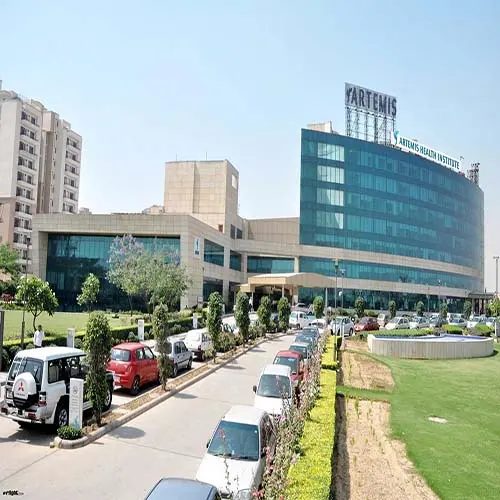
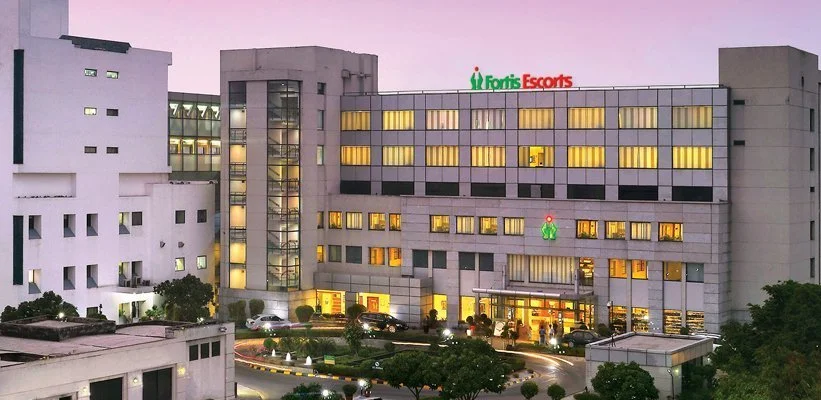
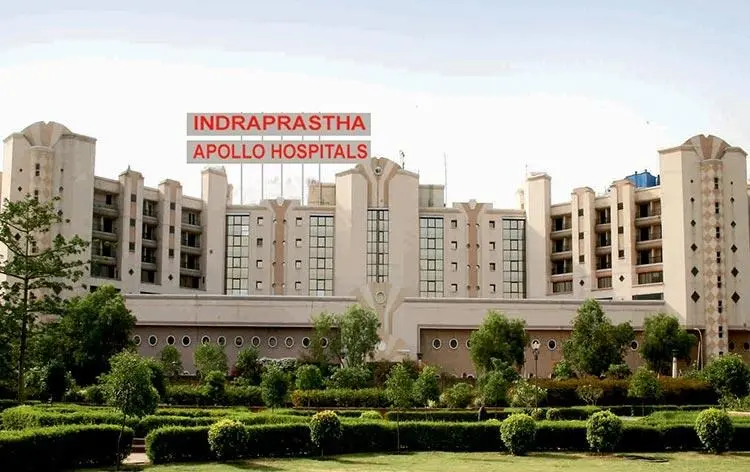
- Advanced pediatric cardiac centers with international patient programs & JCI Accreditions (Apollo, Max, Fortis, Medanta, Amrita, Kokilaben) that handle high volumes and complex cases.
- Cost advantage: High-quality care at a fraction of Western prices (typical savings of 60-85% depending on procedure).
- Multidisciplinary teams: Pediatric cardiac surgeons, pediatric anesthesiologists, pediatric intensivists and rehabilitation teams.
- Practical support: Established international patient services that handle medical visa letters, airport transfers, interpreters and telemedicine follow‑up.
- Growing published data and quality‑improvement networks that make center outcomes more transparent (some Indian centers participate in international registries and collaboratives)
Advanced Pediatric Cardiac Hospitals in India
- 4.1
- 5k Reviews
- (Google)
- 750+ Beds
- 40+ Departments
- 400+ Doctors
- 35k+ Intl. Patients



- 4.2
- 2k Reviews
- (Google)
- 2k+ Beds
- 81+ Departments
- 800+ Doctors
- 1k+ Intl. Patients

- 4.3
- 6k Reviews
- (Google)
- 402+ Beds
- 34+ Departments
- 348+ Doctors
- 50k+ Intl. Patients
- 4.7
- 11k Reviews
- (Google)
- 310+ Beds
- 4+ Departments
- 200+ Doctors
- 70k+ Intl. Patients

- 4.2
- 9k Reviews
- (Google)
- 1k+ Beds
- 30+ Departments
- 900+ Doctors
- 125k+ Intl. Patients
- 4.7
- 14k Reviews
- (Google)
- 710+ Beds
- 50+ Departments
- 200+ Doctors
- 45k+ Intl. Patients
How successful is pediatric heart surgery in India? (what “>98% success” really means)
Outcomes depend on procedure complexity, age at surgery, and preoperative condition.
What aggregate data shows
A large pooled analysis of Indian centers shows an overall in‑hospital mortality around 5.6% across all CHD surgeries (PMCID). That implies aggregate survival 94.4%, but the figure masks strong variation by procedure and by center.
However, “islands of excellence”, high‑volume, specialized pediatric cardiac centers, routinely publish outcomes for common procedures that approach or match Western standards. For many routine congenital defects (like isolated ASD or many device closures), procedural success and short‑term survival in top centers commonly exceed 95% and can approach 98-99% for carefully selected cases.
High-volume, specialized centers report very high success for routine and many complex procedures:
- Case mix: Device closures for ASD/VSD and many catheter interventions often show >95-99% procedural success and low complication rates.
- Late presentation and comorbidities: Malnutrition, pulmonary vascular disease from delayed diagnosis, active infections and sepsis increase perioperative risk, these factors are more common in low‑resource settings and affect national averages.
- Standard repairs (e.g., isolated VSD or ASD closure, and many TOF repairs in experienced centers) commonly achieve survival and good outcomes approaching or exceeding 95-98%.
- Center volume and experience: Outcomes improve with higher procedural volume, dedicated pediatric cardiac ICU staffing, and availability of advanced support (ECMO, neonatal ventilators, interventional cardiology backup).
Practical interpretation for families
For routine “hole in heart” procedures and many standard congenital repairs at India’s top pediatric centers, documented outcomes often approach or exceed the 98% success mark for carefully selected cases. For high‑risk neonates and complex defects, discuss center‑specific mortality/complication statistics before deciding.
Connect with us NOW!
Typical procedures, expected outcomes and cost ranges (INR & USD)
Note: costs below are illustrative ranges. Exact quotes require records review, international patient desks give packaged, itemised estimates.
Atrial Septal Defect (ASD), Device closure or surgical repair
- Indicative cost: USD 4,500 to USD 5,800
- Typical stay: 3-7 days
- Expected outcome in top centers: procedural success >98% for device closure; surgical repair similarly high when performed in optimal timing.
ASD Closure Surgery Price in India
Ventricular Septal Defect (VSD), Device or surgical repair
- Indicative cost: USD 6,200 to USD 7,500
- Typical stay: 5-10 days
- Expected outcome: high success for isolated VSD in experienced centers; neonatal VSD repair risk higher if other comorbidities exist.
VSD Closure Surgery Price in India
Patent Ductus Arteriosus (PDA), Device closure or ligation
- Indicative cost: USD 3,800 to USD 5,500
- Typical stay: 2-5 days
- Outcomes: excellent for both catheter and surgical approaches.
PDA Closure Surgery Price in India
Tetralogy of Fallot (TOF) repair
- Indicative cost: USD 5,200 to USD 6,500
- Typical stay: 7-14 days
- Outcomes: many centers report survival rates >95% for elective TOF repair; emergency/late presentations increase risk.
TOF Repair Surgery Price in India
Complex neonatal repairs (e.g., TGA, single‑ventricle palliation)
- Indicative cost: USD 6,000 - USD 15,000 depending on ICU stay and complications
- Typical stay: ICU 7+ days, total hospital stay varies substantially
- Outcomes: improving in high‑volume centers, but individualized risk is higher than routine repairs.
“Hole in heart surgery cost” - Device closure vs open surgery
- Device (catheter‑based) closure is usually less invasive, has a shorter ICU and hospital stay, and therefore a lower overall cost compared with open surgical closure when the defect is suitable for device therapy. Device cost itself (occluder) can add significantly to the bill. Typical device ASD/VSD closure: USD 2,000 - USD 5,000.
- Open surgical closure carries additional operative and ICU costs, add USD 700 - USD 2000 depending on stay and complexity.
- Ask hospitals for an itemised package: Surgeon fees, consumables (device cost), ICU charges, investigations, medicines, and international patient service fees.
Choosing the right hospital and surgeon, checklist for safety and outcomes
Confirm center volume and pediatric cardiac caseload. High-volume pediatric programs have better reported outcomes.
Published outcomes: Request for center mortality/complication rates for exact procedures and age groups, preferably recent (last 3 years).
Verify the surgical team: List of pediatric cardiac surgeons, pediatric anesthesiologists, and pediatric intensivists with their subspecialty experience (neonatal, complex repairs), and success rates or published outcomes.
ICU capability: Dedicated pediatric cardiac ICU beds, ECMO availability, neonatal ventilators, experienced pediatric intensivists.
International patient services: Transport, accommodation help, interpreters, visa letters, and pick & drop facility.
Accreditation and affiliations: NABH/JCI accreditation, participation in international collaboratives or registries.
Follow‑up care: Telemedicine options and local physician handover plan after you return home.
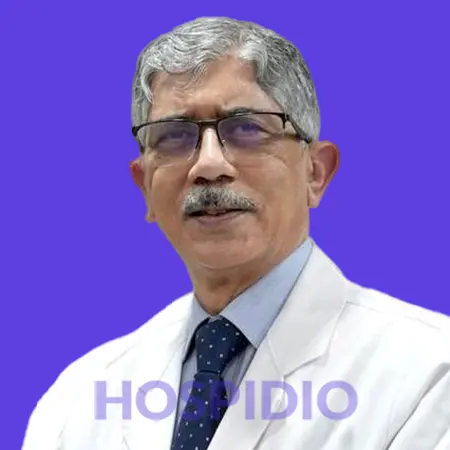
Top Cardiac Surgeons in India


Step‑by‑step international patient pathway (timeline)
- Initial enquiry (Day 0): send clinical records (ECHO, ECG, CXR, discharge summaries) to international desk. Faster decisions require complete records.
- Remote review & estimate (24-72 hours): Cardiology/surgical team reviews records and provides a provisional diagnosis, recommended procedure(s), expected length of stay and a provisional itemised cost range.
- Decision & travel (Day 3-10): If you accept the plan, the hospital issues an invitation letter for medical visa, assists with travel logistics, and reserves tentative OR/bed dates.
- Pre-op evaluation on arrival (Day 0-3 after arrival): Repeat or confirm key investigations (Echo, labs), anesthetic assessment and pre‑op counseling.
- Surgery & ICU (Day of surgery + 2-7 days ICU depending on complexity): Immediate postoperative monitoring and stabilization.
- Ward recovery & discharge (7-14 days for uncomplicated cases; complex cases longer): Detailed discharge summary and telemedicine follow‑up plan provided.
- Post‑discharge follow‑up (1-6 months): Teleconsults and local cardiology coordination; ongoing schedule based on procedure.
Notes: Urgent cases can be fast‑tracked, several centers provide 24/7 triage and emergency admissions if space and resources permit. Share records immediately and mark the case “urgent” when contacting international desks.
Practical tips for choosing and preparing
- Send full medical records (digital DICOM/Echo files if available).
- Use patient coordinators to compare 2-3 hospitals and detailed itemised quotes.
- Arrange travel and accommodation near the hospital; many hospitals partner with nearby family‑friendly hotels.
- Ask for a written care plan, discharge summary and a telemedicine follow-up schedule.
Managing cost expectations and financing options
- Transparent hospitals provide itemised cost breakdowns and note likely contingency costs for complications or prolonged ICU stays.
- Many centers accept international wire transfers, credit cards and have relationships with medical financiers, ask about currency, transaction timelines and refund policies.
- Check whether your country’s medical insurance offers overseas treatment coverage or repatriation support, some insurers require pre‑authorization.
Balancing speed, quality and cost If timing is critical, prioritize centers with demonstrated experience in the specific procedure and age group. India offers world‑class pediatric cardiac care at much lower cost than Western countries; however, success depends on selecting the right hospital and team for your child’s exact diagnosis. Use the checklist, request center‑specific outcome data, and don’t hesitate to get second opinions remotely before travelling.
Recommended Reads


Trusted data sources and references
- Systematic review/meta‑analysis of Indian pediatric cardiac surgery outcomes: https://pmc.ncbi.nlm.nih.gov/articles/PMC11573196/
- Hospital/international patient program pages and peer-reviewed clinical reports from major centers
Emergency? Get immediate response from our pediatric team
Recent Blogs

Frequently Asked Questions
If you can share full medical records immediately, our network hospitals provide a provisional plan and cost estimate in 24-48 hours.
Reputable hospitals provide itemised packages. Unforeseen complications extend cost, ask about contingency cost ranges and insurance coverage.
Many repaired Congenital Heart Defects (CHDs) need routine cardiology follow-up. Complex single-ventricle patients require staged surgeries and lifelong monitoring.
For routine congenital repairs done at top Indian centers, outcomes are comparable, for complex neonatal surgeries results vary but are improving with high success rates.
Our hospitals provide telemedicine follow‑up and coordinate with your local cardiologist.
Yes. Most we have international patient desks providing interpreters, cultural liaisons, and family accommodation assistance.
Sasmita Bal is a Digital Marketing and Content Specialist at HOSPIDIO with expertise in SEO and international healthcare content. She reviews published material to ensure it is optimized for search visibility and relevant to the needs of international patients seeking treatment in India. All content she reviews is authored and clinically approved by the Founder of HOSPIDIO and relevant medical specialists prior to publication.
Guneet Bhatia is the Founder of HOSPIDIO and an accomplished content reviewer with extensive experience in medical content development, instructional design, and blogging. Passionate about creating impactful content, she excels in ensuring accuracy and clarity in every piece. Guneet enjoys engaging in meaningful conversations with people from diverse ethnic and cultural backgrounds, enriching her perspective. When she's not working, she cherishes quality time with her family, enjoys good music, and loves brainstorming innovative ideas with her team.