
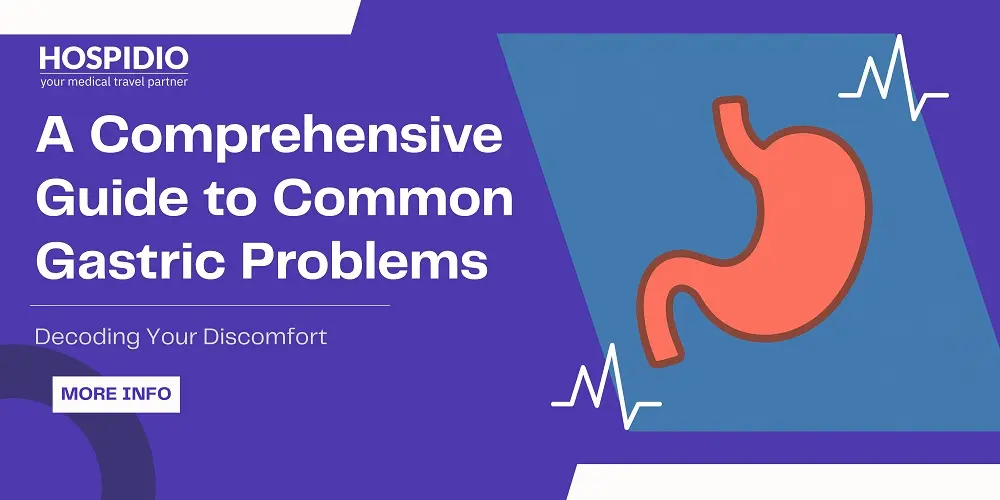
Gastric problems are among the most common health concerns worldwide. They range from short-lived functional troubles — where the digestive tract looks normal but doesn’t work as it should — to chronic or structural conditions that involve inflammation, damage, or anatomical change. For many people, symptoms such as bloating, heartburn or irregular bowel habits are recurring and disruptive even when they do not signal an emergency.
We Handle the Planning
You Focus on Recovery
From Medical Visa assistance to airport pick-up and local stay, HOSPIDIO manages your entire medical trip.
Tell Us About Your Need
Free case review. Confidential. No obligation.This guide synthesizes the most common functional issues and chronic gastrointestinal disorders into clear, actionable information. You’ll learn how to recognize symptoms, common causes, and the red flags that require urgent medical attention. Whether you’re worried about occasional stomach issues or living with a chronic condition like IBS, this post aims to be a practical resource.
Also Check: Best Gastroenterology Doctors in India
Functional Issues: The Everyday Troubles
Functional gastric problems are frequent and often linked to lifestyle factors — diet, sleep, hydration and stress. They’re common causes of day-to-day stomach issues.
Indigestion (Dyspepsia)
A general term for discomfort or pain in the upper abdomen, feeling full too quickly when eating, or a burning sensation.
- Common symptoms: fullness after small meals, upper abdominal discomfort, bloating, mild nausea.
- Common causes: eating too quickly; high-fat, spicy or oily foods; stress or anxiety; smoking or excess caffeine.
Gas & Bloating
Caused by excessive gas accumulation in the stomach and intestines, leading to a feeling of fullness, distension, burping, or flatulence.
- Common symptoms: abdominal fullness, burping or flatulence, cramping.
- Common causes: beans and lentils, carbonated drinks, artificial sweeteners, eating rapidly, food intolerances (for example lactose intolerance).
Constipation
Characterized by infrequent bowel movements (fewer than three a week), hard stools, and straining.
- Common symptoms: hard or dry stools, feeling of incomplete evacuation, abdominal discomfort.
- Common causes: low-fiber diet, dehydration, sedentary lifestyle, certain medications.
Diarrhea
Frequent, loose, or watery stools, which can be caused by infection, food intolerance, or underlying conditions.
- Common symptoms: loose or watery stools, cramping, urgency.
- Common causes: infections, food intolerances, stress, side effects of medications.
Heartburn / Acid Reflux
Heartburn is a burning sensation behind the breastbone caused by stomach acid moving backward into the esophagus. Recurrent reflux can progress to GERD (Gastroesophageal Reflux Disease), a chronic condition that may require ongoing management.
- Common symptoms: burning chest pain, sour taste in the mouth, symptoms that worsen after meals or when lying flat.
- Common causes: fatty meals, citrus, chocolate, alcohol, obesity, smoking.
Chronic & Structural Conditions: When to Seek Expert Help
Structural and chronic disorders often need specific tests and long-term management. If you suspect any of these conditions, consult a gastroenterologist.
Gastroesophageal Reflux Disease (GERD)
Chronic Progression of Reflux - GERD should be suspected when reflux symptoms occur frequently (for example, more than twice per week), cause sleep disruption, or reduce quality of life. Long-standing GERD can lead to complications such as esophagitis or Barrett’s esophagus and should be evaluated by a clinician.
Gastritis
Inflammation, irritation, or erosion of the stomach lining. It can be caused by bacterial infections (like H. pylori), certain medications (NSAIDs), or excessive alcohol consumption.
- Common symptoms: burning stomach pain, nausea, vomiting, bloating.
- Key causes: Bacteria infection with H. pylori, certain medications - chronic use of NSAIDs, alcohol use, smoking, autoimmune gastritis.
Peptic Ulcer Disease (PUD)
PUD refers to open sores in the stomach or the first part of the small intestine. Two major contributors are H. pylori and long-term NSAID use. Ulcers may cause an intense gnawing pain and, in some cases, bleeding.
- Symptoms: gnawing or burning stomach pain, pain that may change with eating, dark or black stools signaling bleeding.
Irritable Bowel Syndrome (IBS)
IBS is a functional disorder — the gut looks normal on testing but does not function properly. A central concept in IBS is the gut-brain axis, which describes the two-way communication between the central nervous system and the enteric nervous system. Stress, mood changes and sleep can directly influence symptoms.
- Symptoms: Alternating constipation and diarrhea, abdominal cramping often relieved by bowel movements, bloating.
- Triggers: Stress, specific foods, hormonal changes.
Inflammatory Bowel Disease (IBD): Crohn’s & Ulcerative Colitis
IBD is an umbrella term for chronic inflammatory conditions with immune system involvement.
- Crohn’s disease: May affect any part of the GI tract, involves deeper layers of the intestinal wall, and often causes weight loss, fatigue and transmural inflammation.
- Ulcerative colitis: Limited to the colon and rectum, causes superficial inflammation, and commonly presents with bloody diarrhea and urgency.
Also Check: Best Gastroenterology Hospitals in India
Diverticular Disease
Diverticulosis is the presence of small pouches (diverticula) in the colon. When these pouches become inflamed or infected, the condition is called diverticulitis.
- Symptoms of diverticulitis: Left-sided abdominal pain, fever, nausea, and changes in bowel habits.
Gallstones
Gallstones are hardened deposits in the gallbladder that can cause episodic, severe pain, especially after fatty meals.
- Symptoms: Intense upper-right abdominal pain that may radiate to the back or shoulder, nausea or vomiting.
Celiac Disease
Celiac disease is an autoimmune disorder triggered by gluten. Continued gluten exposure causes intestinal damage and malabsorption.
- Symptoms: chronic diarrhea, bloating, fatigue, nutrient deficiencies. Long-term risks include anemia and bone density loss if undiagnosed.
Don’t Ignore the Red Flags
If you experience any of the following urgent symptoms, seek immediate medical care or contact emergency services:
- Blood in stool or vomit (bright red or coffee-ground appearance).
- Unexplained weight loss despite normal diet and activity.
- Severe or persistent abdominal pain that does not improve.
- Difficulty swallowing or persistent vomiting.
- Black, tarry stools (possible upper GI bleeding).
- High fever in combination with abdominal symptoms.
While many gastric problems are benign and manageable with lifestyle changes, recurring or worsening symptoms — including persistent stomach issues, chronic indigestion, or symptoms of IBS — merit professional evaluation. A healthcare provider can order the right tests, rule out structural disease, and recommend a personalized treatment plan.
Early diagnosis improves outcomes. If you’re living with persistent or worrying symptoms, schedule an appointment with a gastroenterologist or primary care clinician to get the care you need.



Recent Blogs



Sasmita Bal is a Digital Marketing and Content Specialist at HOSPIDIO with expertise in SEO and international healthcare content. She reviews published material to ensure it is optimized for search visibility and relevant to the needs of international patients seeking treatment in India. All content she reviews is authored and clinically approved by the Founder of HOSPIDIO and relevant medical specialists prior to publication.
Guneet Bhatia is the Founder of HOSPIDIO and an accomplished content reviewer with extensive experience in medical content development, instructional design, and blogging. Passionate about creating impactful content, she excels in ensuring accuracy and clarity in every piece. Guneet enjoys engaging in meaningful conversations with people from diverse ethnic and cultural backgrounds, enriching her perspective. When she's not working, she cherishes quality time with her family, enjoys good music, and loves brainstorming innovative ideas with her team.