
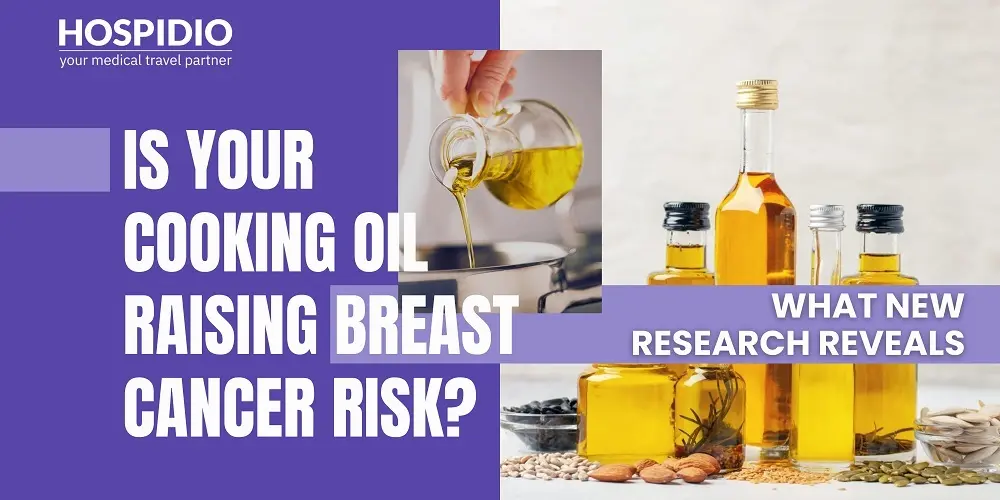
Nell'era odierna, sempre più attenta alla salute, ciò che usiamo in cucina è importante quanto ciò che mangiamo. Mentre ci concentriamo sui supercibi e sull'alimentazione sana, un ingrediente spesso sottovalutato nelle cucine indiane – l'olio da cucina – è finito sotto i riflettori. Un recente studio pubblicato su Science ha collegato l'acido linoleico, un componente principale di molti oli vegetali, alla progressione di una forma aggressiva di cancro al seno.
Con l'aumento dei tassi di incidenza del cancro al seno in tutto il mondo, diventa ancora più importante comprendere come le scelte quotidiane, come ad esempio la scelta dell'olio da cucina, possano influenzare la salute a lungo termine. Questo blog fa luce sui risultati della ricerca, su come ridurre i rischi e sulle opzioni disponibili se voi o una persona cara state cercando un trattamento per il cancro al seno in India.
Il cancro al seno nel mondo: una sfida sanitaria globale in continua crescita.
Il tumore al seno è ormai il tumore più diagnosticato al mondo, superando il tumore al polmone come principale causa di cancro. L'aumento non è limitato a una singola regione: rappresenta una preoccupazione crescente sia nei paesi ad alto reddito che in quelli in via di sviluppo. È allarmante constatare che sempre più donne ricevono la diagnosi in età giovane, spesso prima della menopausa, e che le forme aggressive della malattia stanno diventando sempre più frequenti.
Diversi fattori contribuiscono a questo aumento globale: cambiamenti nello stile di vita come la sedentarietà, le diete ricche di grassi e cibi trasformati, il ritardo nella maternità, la riduzione dell'allattamento al seno e l'esposizione a tossine ambientali. Tra questi fattori ben noti, nuove ricerche indicano che i componenti della dieta, in particolare alcuni tipi di grassi come l'acido linoleico presente nei comuni oli da cucina, svolgono un ruolo più significativo nello sviluppo del cancro al seno di quanto si pensasse in precedenza.
Mentre i sistemi sanitari globali si confrontano con il crescente peso della cura del cancro, l'attenzione si sta spostando sulla prevenzione, soprattutto attraverso scelte quotidiane come l'alimentazione e lo stile di vita.
Ci occupiamo della pianificazione
Concentrati sul recupero
Dall'assistenza per il visto medico al prelievo in aeroporto e al soggiorno in loco, HOSPIDIO gestisce l'intero viaggio per cure mediche.
Raccontaci la tua esigenza
Analisi gratuita del caso. Riservatezza assoluta. Nessun obbligo.Cos'è l'acido linoleico e perché se ne parla tanto?
L'acido linoleico è un acido grasso polinsaturo omega-6 comunemente presente in:
- Olio di semi di girasole
- Olio di cartamo
- Olio di soia, olio di mais
- Olio di semi di cotone
Questi oli sono ampiamente commercializzati come "benefici per il cuore", ma studi recenti suggeriscono che un consumo eccessivo, soprattutto nella cottura indiana ad alte temperature, potrebbe contribuire all'infiammazione e alla crescita del cancro, in particolare del carcinoma mammario triplo negativo (TNBC), una delle forme più aggressive della malattia.
Cosa mostra la ricerca
Uno studio pubblicato su Science da Weill Cornell Medicine rivela che l'acido linoleico si lega a una proteina (FABP5) presente nelle cellule del tumore al seno triplo negativo (TNBC), favorendone la crescita e la diffusione. L'effetto è più pronunciato quando questi oli vengono riscaldati ripetutamente, come avviene comunemente nelle case indiane.
Gli studi preclinici suggeriscono che l'acido linoleico potrebbe:
- Promuovere la crescita tumorale
- Sopprimere la risposta immunitaria
- Innescare danni ossidativi al DNA
- Aumentare la diffusione delle cellule cancerose
Oltre agli oli: cos'altro influisce sul rischio di cancro al seno?
Sebbene l'acido linoleico e gli oli da cucina siano attualmente sotto esame per il loro possibile ruolo nella progressione del cancro al seno, è importante comprendere che il cancro al seno è una malattia multifattoriale. Diversi fattori biologici, legati allo stile di vita e ambientali interagiscono influenzando il rischio di una persona. Una visione completa di questi fattori di rischio consente agli individui di adottare misure preventive e prendere decisioni informate.
Predisposizione genetica (mutazioni BRCA1/BRCA2 e altre)
Alcune donne ereditano mutazioni in geni specifici, in particolare BRCA1 e BRCA2, che aumentano significativamente il rischio di sviluppare tumori al seno e alle ovaie. Le donne con queste mutazioni possono avere un rischio di sviluppare un tumore al seno nel corso della vita fino all'80%. Anche altri geni, come TP53 e PALB2, sono collegati a sindromi ereditarie di predisposizione al tumore al seno. La consulenza e i test genetici possono aiutare le persone con una storia familiare di tumore al seno a valutare il proprio rischio e ad adottare misure preventive come lo screening precoce o la chirurgia preventiva.
Esposizione ormonale e storia riproduttiva
Le fluttuazioni ormonali nel corso della vita di una donna hanno un forte impatto sul rischio di cancro al seno. Fattori come l'inizio precoce delle mestruazioni (prima dei 12 anni), la menopausa tardiva (dopo i 55 anni), il non aver avuto figli o il primo figlio dopo i 30 anni possono aumentare l'esposizione agli estrogeni, un ormone che può favorire la crescita di alcuni tipi di cancro al seno. Anche l'uso prolungato della terapia ormonale sostitutiva (TOS) o dei contraccettivi orali può aumentare il rischio, soprattutto se utilizzati senza supervisione medica.
Obesità e inattività fisica
L'eccesso di grasso corporeo, soprattutto dopo la menopausa, è associato a livelli più elevati di estrogeni e insulina circolanti, entrambi fattori che possono stimolare lo sviluppo del tumore al seno con recettori ormonali positivi. Inoltre, uno stile di vita sedentario contribuisce all'aumento di peso e agli squilibri metabolici. Gli studi dimostrano che un'attività fisica regolare – almeno 150 minuti di esercizio di intensità moderata a settimana – può ridurre significativamente il rischio di tumore al seno e migliorare il benessere generale.
Alimentazione scorretta e elevato consumo di zuccheri
Le diete ricche di alimenti trasformati, carboidrati raffinati, grassi trans e zuccheri aggiunti sono state associate a infiammazione cronica e insulino-resistenza, due fattori noti per contribuire allo sviluppo del cancro. Un elevato consumo di zuccheri può inoltre alimentare le cellule tumorali aumentando i livelli di glucosio nel sangue. Al contrario, le diete che privilegiano alimenti integrali, proteine magre, grassi sani e verdure ricche di fibre possono offrire benefici protettivi contro il cancro al seno e altre malattie croniche.
Tossine ambientali e interferenti endocrini
L'esposizione a sostanze chimiche interferenti endocrine (EDC) presenti in oggetti di uso quotidiano, come contenitori di plastica, pesticidi, cosmetici e detergenti per la casa, può imitare l'azione degli estrogeni nell'organismo e interferire con la regolazione ormonale. Sostanze chimiche come il bisfenolo A (BPA), i parabeni e i ftalati sono state tutte implicate nello sviluppo di tumori ormono-dipendenti. Ridurre il contatto con queste sostanze e optare per alternative più sicure e non tossiche è un passo fondamentale per diminuire l'esposizione cumulativa.
Cosa puoi fare: 6 modi pratici per ridurre il rischio di cancro al seno
Ridurre il rischio di cancro al seno non significa stravolgere completamente la propria vita dall'oggi al domani, ma piuttosto compiere scelte consapevoli e costanti che, nel tempo, producano risultati tangibili.
Ecco sei strategie pratiche e scientificamente validate per aiutarti a proteggere la tua salute e ridurre il rischio di cancro al seno:
Passa a oli da cucina più sicuri
Il tipo di olio che usi per cucinare può avere un impatto significativo sulla tua salute a lungo termine. Gli oli vegetali ricchi di acido linoleico, come l'olio di girasole, di soia e di mais, possono contribuire all'infiammazione cronica se consumati in eccesso. Opta invece per oli con un profilo di grassi più salutare:
- L'olio extravergine di oliva è ricco di grassi monoinsaturi, benefici per la salute del cuore, e di antiossidanti.
- L'olio di senape, se usato con moderazione, contiene acidi grassi benefici e composti naturali con proprietà antinfiammatorie.
- Il ghee (burro chiarificato), se usato in piccole quantità, è stabile alle alte temperature ed è privo di grassi trans dannosi.
Queste alternative non solo favoriscono una migliore salute, ma esaltano anche il sapore dei vostri pasti.
Evitare di riscaldare e riutilizzare gli oli da cucina.
Riutilizzare l'olio per friggere o riscaldare ripetutamente lo stesso olio può generare composti nocivi come aldeidi e perossidi lipidici, entrambi collegati a un aumento del rischio di cancro. Questi sottoprodotti tossici possono accumularsi negli alimenti che consumiamo. Per ridurre al minimo l'esposizione:
- Utilizzate sempre olio fresco durante la cottura, soprattutto per friggere.
- Quando possibile, utilizzare metodi di cottura a bassa temperatura come la soffrittura, la cottura a vapore o la cottura al forno.
- Evitate i cibi fritti commerciali, che spesso prevedono l'utilizzo di oli riscaldati.
Piccoli cambiamenti nelle tecniche di cottura possono fare una grande differenza nella riduzione delle tossine presenti nella dieta.
Bilancia i grassi nella tua dieta
Le diete moderne sono spesso ricche di acidi grassi omega-6 e carenti di omega-3, creando uno squilibrio che alimenta l'infiammazione. L'obiettivo è ripristinare questo equilibrio includendo più alimenti ricchi di omega-3, che hanno dimostrato di avere benefici antitumorali e antinfiammatori.
- Semi di lino e semi di chia: ricchi di omega-3 ALA di origine vegetale.
- Noci: uno spuntino gustoso e salutare per il cuore.
- Pesci grassi come salmone, sgombro e sardine: ottime fonti di DHA ed EPA.
Prova a includere questi alimenti nei tuoi pasti settimanali per favorire l'equilibrio ormonale e la salute cellulare.
Aumenta l'assunzione di antiossidanti con una dieta arcobaleno
Gli antiossidanti aiutano a neutralizzare i radicali liberi dannosi e a ridurre lo stress ossidativo, un fattore collegato al danno al DNA e allo sviluppo del cancro. Consumare una varietà di frutta e verdura colorata garantisce un apporto costante di vitamine, minerali e fitonutrienti:
- I frutti di bosco (come mirtilli, fragole e lamponi) sono ricchi di composti che combattono il cancro.
- Le verdure crucifere come broccoli, cavolfiori e cavoli contengono sulforafano, noto per le sue proprietà protettive.
- Le verdure a foglia verde come gli spinaci e il cavolo nero favoriscono la disintossicazione e la regolazione ormonale.
Cerca di riempire almeno metà del tuo piatto con alimenti di origine vegetale a ogni pasto.
Mantieni uno stile di vita attivo
L'attività fisica non solo aiuta a mantenere un peso sano, ma riduce anche i livelli di estrogeni in circolo e rafforza il sistema immunitario. Gli studi dimostrano che le donne che si allenano regolarmente hanno un rischio inferiore del 10-20% di sviluppare il cancro al seno rispetto a quelle sedentarie.
- Punta ad almeno 150 minuti di esercizio fisico moderato a settimana, come camminata veloce, nuoto o yoga.
- Includi esercizi di allenamento con i pesi 2-3 volte a settimana per sviluppare la massa muscolare e favorire il metabolismo.
- Riduci il tempo trascorso in posizione sedentaria facendo brevi pause di movimento durante la giornata.
Anche piccoli aumenti dell'attività quotidiana possono avere effetti protettivi significativi.
Fai uno screening e impara a conoscere il tuo corpo.
La diagnosi precoce rimane una delle strategie più efficaci nella lotta contro il tumore al seno. Gli screening regolari possono aiutare a individuare anomalie prima che compaiano i sintomi:
- Le donne di età pari o superiore a 40 anni dovrebbero sottoporsi a mammografie annuali o secondo le indicazioni del medico.
- Se in famiglia ci sono casi di tumore al seno, parlane con il tuo medico per valutare la possibilità di iniziare lo screening prima o di sottoporti a test genetici.
- Eseguite mensilmente l'autoesame del seno per familiarizzare con l'aspetto e la consistenza normali del vostro seno, in modo da poter segnalare tempestivamente eventuali cambiamenti.
Se diagnosticato precocemente, il cancro al seno è molto più curabile e spesso guaribile.
I migliori specialisti in oncologia in India


Specializzato in

Specializzato in


Specializzato in

Le cure avanzate per il tumore al seno sono a portata di mano.
Se diagnosticato precocemente, il cancro al seno è altamente curabile. L'India ospita oggi alcuni dei centri di trattamento del cancro al seno più all'avanguardia, che offrono diagnostica di precisione, terapie mirate e cure oncologiche di livello mondiale.
Che si tratti di interventi chirurgici, chemioterapia, radioterapia o immunoterapia, l'India offre trattamenti di livello internazionale a una frazione del costo, il che la rende una destinazione attraente per chi viaggia per motivi medici.
Spesso i pazienti chiedono informazioni sul costo del trattamento del tumore al seno in India e, sebbene dipenda dall'ospedale e dal protocollo di trattamento, i costi sono significativamente più accessibili rispetto ai paesi occidentali. Ciò rende le cure tempestive accessibili sia ai pazienti locali che a quelli internazionali.
I migliori ospedali per il trattamento del cancro al seno in India


- 4.1
- 5k Recensioni
- (Google)
- 750+ Camere
- 40+ dipartimenti
- 400+ Medici
- 35k + Pazienti internazionali



- 4.6
- 11k Recensioni
- (Google)
- 262+ Camere
- 40+ dipartimenti
- 150+ Medici
- 37k + Pazienti internazionali

- 4.5
- 5k Recensioni
- (Google)
- 350+ Camere
- 55+ dipartimenti
- 200+ Medici
- 50k + Pazienti internazionali

- 4.9
- 5k Recensioni
- (Google)
- 150+ Camere
- 10+ dipartimenti
- 30+ Medici
- 2k + Pazienti internazionali

- 4.7
- 14k Recensioni
- (Google)
- 200+ Camere
- 30+ dipartimenti
- 100+ Medici
- 25k + Pazienti internazionali

- 3.8
- 4k Recensioni
- (Google)
- 750+ Camere
- 35+ dipartimenti
- 410+ Medici
- 25k + Pazienti internazionali
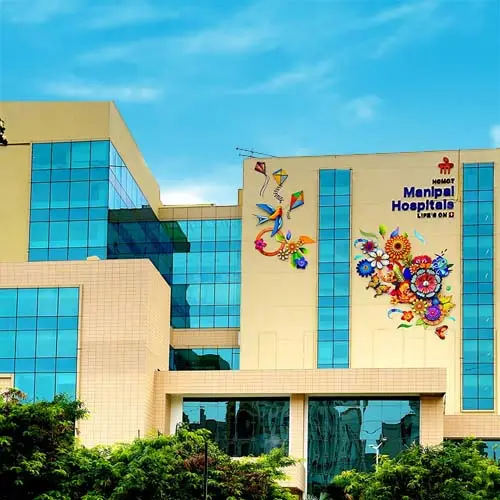
- 4.6
- 17k Recensioni
- (Google)
- 380+ Camere
- 30+ dipartimenti
- 90+ Medici
- 50k + Pazienti internazionali
Come HOSPIDIO ti supporta
Noi di HOSPIDIO siamo specializzati nel mettere in contatto i pazienti con i migliori ospedali oncologici in India. Dall'aiutarti a comprendere le opzioni di trattamento all'organizzazione di viaggi, alloggi e appuntamenti, rendiamo il tuo percorso più agevole e senza stress. Che tu sia indiano o straniero, HOSPIDIO ti garantisce:
- Accesso a ospedali accreditati NABH e JCI.
- Preventivi e indicazioni trasparenti
- Supporto completo durante il trattamento e la convalescenza.
- Coordinamento del follow-up post-dimissione
Blog recenti



Sasmita Bal è una specialista di marketing digitale e contenuti presso HOSPIDIO, con esperienza in SEO e contenuti sanitari internazionali. Si occupa di revisionare il materiale pubblicato per garantirne l'ottimizzazione per i motori di ricerca e la pertinenza rispetto alle esigenze dei pazienti internazionali che cercano cure in India. Tutti i contenuti da lei revisionati sono stati redatti e approvati clinicamente dal fondatore di HOSPIDIO e da specialisti medici competenti prima della pubblicazione.
Guneet Bhatia è la fondatrice di HOSPIDIO e un'esperta revisore di contenuti con una vasta esperienza nello sviluppo di contenuti medici, nella progettazione didattica e nel blogging. Appassionata della creazione di contenuti di grande impatto, eccelle nel garantire accuratezza e chiarezza in ogni articolo. Guneet ama intavolare conversazioni significative con persone di diverse origini etniche e culturali, arricchendo così la sua prospettiva. Nel tempo libero, si dedica alla famiglia, ascolta buona musica e si diverte a ideare soluzioni innovative con il suo team.