

Viajar al extranjero para recibir tratamiento médico puede ser una decisión acertada. Muchos pacientes ahorran dinero, evitan largas listas de espera y acceden a tratamientos avanzados al elegir médicos cualificados en el extranjero. En HOSPIDIO, lo vemos a diario cuando el turismo médico se realiza correctamente: con cuidado, de forma consciente y con los controles adecuados en cada etapa.
El verdadero peligro no reside en el turismo médico en sí. El verdadero peligro radica en precipitarse a un tratamiento en la clínica equivocada, confiar más en la publicidad engañosa que en los datos objetivos o caer en ofertas que parecen demasiado buenas para ser verdad. Esta guía le ayudará a detectar señales de alerta claras y le proporcionará una lista de verificación práctica para que pueda proteger su salud sin dejar de aprovechar al máximo las opciones de atención médica a nivel mundial.
¿Por qué el turismo médico a veces parece “arriesgado”?
Si buscas en internet tratamientos en el extranjero, encontrarás dos realidades extremas: por un lado, historias de éxito rotundas, y por otro, relatos de terror sobre complicaciones y clínicas inseguras. Ambas existen, y la diferencia suele radicar en la preparación y la elección del proveedor.
- Algunos de los principales riesgos en la atención médica transfronteriza incluyen:
- Normas y reglamentos diferentes a los de tu país de origen.
- Calidad variable de los hospitales y clínicas en la misma ciudad.
- Deficiencias en el control de infecciones o en la preparación para emergencias.
- Barreras lingüísticas y culturales que afectan la comunicación
- Dificultad para organizar un seguimiento adecuado una vez que regrese a casa.
Nada de esto significa que deba evitar el tratamiento médico en el extranjero. Significa que debe abordarlo de la misma manera que cualquier inversión financiera importante: con una investigación minuciosa, comparando opciones y con el asesoramiento de expertos. De esta forma, el turismo médico se vuelve más seguro, predecible y, a menudo, muy gratificante.
Señal de alerta n.° 1: Falta de credenciales o acreditaciones transparentes.
El primer y más importante pilar de seguridad es quién te atiende y dónde.
Tenga mucho cuidado si:
- El sitio web no muestra claramente los nombres completos, las cualificaciones ni las especialidades de los médicos tratantes.
- Solo se ven afirmaciones vagas como "cirujano de primera" o "especialistas de talla mundial" sin ninguna prueba.
- No se menciona el registro ante consejos médicos, juntas o autoridades sanitarias.
- El hospital o clínica no cuenta con ninguna acreditación nacional o internacional reconocida.
Por qué esto importa:
La formación, la experiencia y la licencia de su médico influyen directamente en su seguridad y en el resultado de su tratamiento. La acreditación del centro refleja sus sistemas de calidad, sus procesos de seguridad del paciente y sus estándares de control de infecciones.
En su lugar, debería buscar:
- Perfiles completos de médicos con título médico, formación especializada, años de experiencia y número de registro.
- Afiliación a sociedades profesionales reconocidas (por ejemplo: asociaciones quirúrgicas nacionales, sociedades de cardiología, sociedades de fertilidad, etc.).
- Mención clara de la acreditación del hospital o clínica (como JCI u organismos de acreditación nacionales de renombre), idealmente con un número de certificado o enlace.
- Disposición a compartir pruebas de credenciales si se le solicitan.
Si un profesional se pone a la defensiva, evasivo o desdeñoso cuando le preguntas sobre sus cualificaciones, considéralo una señal de alerta importante. Un profesional ético y confiable estará encantado de mostrarte sus credenciales.
Señal de alerta n.° 2: Precios y garantías "demasiado buenos para ser verdad"
Todos queremos ahorrar dinero, y la rentabilidad es una de las mayores ventajas del turismo médico. Pero hay una diferencia entre precios justos y transparentes y ofertas sospechosamente baratas.
Tenga mucho cuidado si:
- El paquete es muchísimo más barato que el de clínicas similares en el mismo país, sin una explicación clara.
- Se ven promesas como “tasa de éxito del 100%”, “riesgo cero” o “garantizamos la cura”.
- El enfoque está en mejoras de hotel, visitas turísticas y "experiencias de lujo" en lugar de la atención médica real.
- Existe presión para "reservar ahora para obtener este precio especial" con una cuenta regresiva o mensajes de seguimiento agresivos.
En el ámbito sanitario, ningún médico serio puede garantizar un resultado perfecto. Todo procedimiento médico conlleva cierto riesgo. Los profesionales honestos hablan abiertamente de ello y establecen expectativas realistas.
En su lugar, debería buscar:
- Un presupuesto detallado que desglosa claramente los costos: honorarios médicos, estancia hospitalaria, implantes o dispositivos, anestesia, pruebas diagnósticas, medicamentos y visitas de seguimiento.
- Aclaración sobre lo que no está incluido: noches adicionales de hospitalización, cuidados intensivos si fueran necesarios, manejo de complicaciones o cirugía de revisión.
- Una explicación realista de los resultados esperados, las posibles complicaciones y los plazos de recuperación.
- Disposición a permitirle comparar, tomarse su tiempo y obtener una segunda opinión antes de decidir.
Si el principal argumento de venta es el "precio más bajo" y no la "mejor atención dentro de su presupuesto", deténgase y reevalúe la situación.
Señal de alerta n.° 3: Mala comunicación y tácticas de presión.
Tu relación con el equipo médico comienza mucho antes de abordar el vuelo. La forma en que una clínica se comunica contigo es un claro indicador de cómo te tratarán como paciente.
Las señales de alerta en la comunicación incluyen:
- Respuestas tardías, incompletas o copiadas y pegadas a sus preguntas.
- Negativa a programar una videoconsulta con el médico tratante (o al menos con un coordinador médico sénior) antes de viajar.
- Omitir detalles importantes sobre riesgos, alternativas o la probabilidad real de éxito.
- Utilizan el miedo («Si se demora, su estado empeorará mucho») o la culpa («Hemos invertido tanto tiempo, debería confirmarlo ahora») para presionarlo a tomar una decisión rápida.
Una buena comunicación no se trata de tener un inglés perfecto; se trata de claridad, honestidad y respeto por tus inquietudes.
En su lugar, debería buscar:
- Un punto de contacto claro que responda en un plazo razonable y haga un seguimiento de su caso.
- La opción de compartir tus informes médicos y obtener una opinión personalizada, no solo material publicitario genérico.
- Un vídeo previo al tratamiento o una llamada detallada en la que el médico (o un miembro cualificado del equipo) explique el plan, los riesgos y las alternativas.
- Todos los detalles clave, como el nombre del procedimiento, la duración prevista de la estancia, los riesgos, los consentimientos, etc., se le comunicarán por escrito.
Si no te sientes escuchado o respetado antes de llegar, es poco probable que las cosas mejoren una vez que estés en la mesa de operaciones.
Señal de alerta n.° 4: Control de infecciones y estándares de las instalaciones deficientes.
Un sitio web moderno o un vestíbulo reluciente no garantizan un entorno operativo seguro. Algunas de las complicaciones más graves en el turismo médico se derivan de un control deficiente de las infecciones, equipos no esterilizados e instalaciones de emergencia inadecuadas.
Tenga cuidado si:
- La clínica se muestra reacia a compartir fotos o vídeos reales de quirófanos, áreas de recuperación y salas de hospitalización.
- Realizan cirugías mayores en pequeños consultorios o en unidades de "atención ambulatoria" no registradas, no adscritas a un hospital propiamente dicho.
- No se mencionan los protocolos de control de infecciones, los procesos de esterilización ni la capacitación del personal.
- No se encuentra información sobre cómo manejan las emergencias o complicaciones médicas.
En su lugar, debería buscar:
- Procedimientos (especialmente cirugías mayores o tratamientos de alto riesgo) realizados en hospitales autorizados o centros quirúrgicos totalmente equipados.
- Evidencia de prácticas sólidas de prevención de infecciones: equipos de esterilización, protocolos estandarizados y auditorías periódicas.
- Disponibilidad de cuidados intensivos o de alta dependencia en el mismo centro o en un hospital asociado, en caso de complicaciones.
- Procedimientos claros para la gestión de emergencias que indiquen quién la gestionará, dónde y con qué rapidez.
Recuerde: Un hospital seguro se prepara para posibles complicaciones incluso cuando prevé que la cirugía transcurrirá sin problemas.
Señal de alerta n.° 5: Falta de un plan claro de seguimiento o atención posterior.
El turismo médico no se limita al día de la cirugía. Lo que sucede después de salir del hospital y al regresar a casa es igualmente importante.
Tenga mucho cuidado si:
- La clínica no puede explicar con exactitud cuánto tiempo debe permanecer cerca antes de volar de regreso.
- Se le da de alta únicamente con instrucciones verbales y sin resumen escrito ni lista de medicamentos.
- No existe un programa de seguimiento estructurado, como revisiones de vídeo o visitas presenciales.
- El único plan en caso de complicaciones es: “Envíanos un mensaje por WhatsApp si ocurre algo”.
Sin los cuidados posteriores adecuados, incluso una cirugía técnicamente exitosa puede tener consecuencias negativas.
En su lugar, debería buscar:
- Un plan postoperatorio claro y por escrito, que incluya cuántos días debe permanecer en su localidad, cuándo se cambiarán los apósitos y cuándo podrá reanudar los viajes y las actividades normales.
- Un resumen detallado del alta que incluye: procedimiento realizado, medicamentos, alergias, implantes utilizados (si los hay) y qué signos o síntomas se deben vigilar.
- Seguimiento programado: teleconsultas a intervalos específicos y orientación sobre cuándo acudir a su médico de cabecera.
- Disposición a colaborar con su médico de cabecera si fuera necesario.
Si el interés de una clínica por usted termina en el momento en que paga y se marcha, es una clara señal de que debería reconsiderarlo.
Lea también: Por qué las consultas virtuales previas son esenciales ahora antes de viajar al extranjero para recibir tratamiento.
Señal de alerta n.° 6: Prácticas de pago y legales dudosas
Su seguridad financiera y legal forma parte de su protección general como paciente.
Tenga cuidado si:
- Se le solicita que pague el importe total por adelantado, mucho antes de cualquier evaluación médica.
- El pago solo se acepta en efectivo, a través de canales informales o mediante cuentas personales, sin factura formal.
- No existe ningún acuerdo por escrito que cubra cancelaciones, complicaciones o reembolsos.
- Se le ofrecen procedimientos ilegales, no regulados o éticamente cuestionables (por ejemplo, trasplantes de órganos sin un marco legal adecuado).
En su lugar, debería buscar:
- Una estructura de pago transparente: un depósito de reserva razonable, y el importe restante deberá abonarse más cerca de la fecha del procedimiento o en el momento del ingreso.
- Pagos realizados a una cuenta bancaria registrada de un hospital o empresa, con recibos oficiales.
- Términos y condiciones por escrito, que indiquen claramente qué sucede si su plan cambia, si se determina que no está apto para la cirugía a su llegada o si se producen complicaciones.
- Prácticas claras de privacidad y protección de datos para su información médica.
Si sientes presión financiera o legal, tómate un respiro y reflexiona, compara o busca asesoramiento.
Señal de alerta n.° 7: Reseñas sospechosas y testimonios "demasiado perfectos".
Las opiniones de los pacientes son útiles, pero solo cuando son auténticas.
Mantente alerta si:
- Todas las reseñas son de 5 estrellas, extremadamente breves y publicadas en un plazo de tiempo muy corto.
- Los testimonios utilizan fotos de archivo o parecen copiados en varios sitios web.
- Solo se pueden ver testimonios de influencers o celebridades, pero no historias reales y detalladas de pacientes.
- Cualquier crítica o reseña negativa parece ser eliminada o atacada agresivamente.
En su lugar, debería buscar:
- Reseñas equilibradas que mencionan tanto los aspectos positivos como los negativos menores (por ejemplo, "excelente médico, pero el tiempo de espera fue largo").
- Trayectorias detalladas de los pacientes que mencionan médicos específicos, personal y pasos en el proceso.
- Reseñas de pacientes de su propio país o región, que describen su experiencia con los viajes, el idioma y el seguimiento.
- Cuando sea posible, la opción de hablar (con consentimiento) con un antiguo paciente para una llamada de referencia.
Ninguna clínica es perfecta. Una imagen online impecable a veces puede ser una máscara.
Lista de verificación práctica para la debida diligencia
Para facilitarte las cosas, aquí tienes una sencilla lista de verificación que puedes usar antes de confirmar cualquier paquete enviado al extranjero. Puedes guardarla, imprimirla o adaptarla a tus necesidades.
1. Consulta la clínica o el hospital.
- ¿Está registrado ante las autoridades sanitarias nacionales?
- ¿Cuenta con acreditación reconocida (internacional o nacional)?
- ¿Existen fotografías reales de las instalaciones y no solo imágenes de archivo?
2. Consulta al médico
- ¿Conoce el nombre completo, la especialidad y las cualificaciones de su médico tratante?
- ¿Puede verificar su registro o licencia en línea con un consejo médico?
- ¿Cuántos procedimientos similares han realizado?
- ¿Cuál es su tasa de complicaciones?
3. Revisar el plan de tratamiento
- ¿Has compartido tu historial médico y tus informes recientes?
- ¿Ha recibido un plan de tratamiento personalizado, y no un folleto genérico?
- ¿Comprende usted los beneficios, los riesgos y las alternativas?
4. Verifica el costo y lo que incluye.
- ¿Tiene un presupuesto detallado?
- ¿Se mencionan claramente las estancias en la UCI, las noches adicionales o los implantes?
- ¿Qué sucede económicamente si su estancia se prolonga o si su plan cambia?
5. Verificar la seguridad y la preparación para emergencias.
- ¿Dónde se realizará el procedimiento (clínica u hospital)?
- ¿Hay acceso a la UCI o un plan de respaldo para emergencias?
- ¿Qué medidas de control de infecciones se han implementado?
6. Comprobar los cuidados posteriores y el seguimiento.
- ¿Cuántos días deberías quedarte cerca antes de volver a casa?
- ¿Qué consultas de seguimiento están incluidas?
- ¿Compartirán un resumen detallado del alta con su médico de cabecera?
7. Verificar las salvaguardias legales y éticas.
- ¿Ha recibido los términos y condiciones por escrito?
- ¿Se ha obtenido su consentimiento correctamente y en un idioma que usted entienda?
- ¿Cómo se almacenarán y protegerán sus datos personales y médicos?
Si un proveedor falla en varios puntos de esta lista de verificación, o reacciona negativamente cuando se le hacen estas preguntas, es una clara señal de que conviene buscar otra opción.
Cuando el turismo médico es una opción segura e inteligente
Cuando se realiza correctamente, el turismo médico puede ofrecerle ventajas reales:
- Ahorro de costes significativo en comparación con el tratamiento en su país de origen.
- Acceso a especialistas experimentados y tecnología avanzada.
- Programación más rápida de procedimientos que de otro modo podrían retrasarse
- La oportunidad de combinar el tratamiento necesario con una recuperación cómoda, lejos del estrés diario.
Los pacientes que se preparan adecuadamente, verifican las credenciales, hacen preguntas detalladas y recurren a facilitadores confiables, suelen reportar experiencias positivas y buenos resultados clínicos. La clave no está en buscar la opción más barata, sino en obtener la mejor relación calidad-precio: atención de calidad a un precio justo, con la seguridad como prioridad.
Cómo HOSPIDIO te ayuda a evitar las señales de alerta del turismo médico
Como facilitador especializado en turismo médico, HOSPIDIO se basa en un principio fundamental: su seguridad es lo primero.
Así es como te apoyamos:
- Red preseleccionada: Solo trabajamos con hospitales y clínicas que cumplen con estrictos estándares de acreditación, control de infecciones y seguridad del paciente.
- Médicos verificados: Verificamos las cualificaciones, la experiencia y el historial de los médicos asociados para que no elija a ciegas de una lista.
- Información transparente: Le ayudamos a comprender sus opciones, a obtener segundas opiniones cuando sea necesario y a recibir planes de tratamiento y presupuestos por escrito.
- Coordinación integral: desde la organización de citas y visados médicos hasta el transporte local y el apoyo lingüístico, nos aseguramos de que la logística nunca comprometa su atención médica.
- Apoyo posterior al alta: Abogamos por un seguimiento estructurado, una documentación clara al alta y la coordinación con sus proveedores de atención médica locales cuando sea necesario.
Lo más importante es que les animamos a que hagan preguntas, comparen opciones y avancen a su propio ritmo.
Nuestro papel no es presionarte para que tomes una decisión, sino capacitarte para que tomes una decisión informada y segura.
Reflexión final: Mantén la curiosidad, no el miedo.
No hay por qué temer al turismo médico. Simplemente hay que mantener la curiosidad, hacer las preguntas adecuadas y confiar en la intuición. Si algo no te convence, no está claro o parece demasiado bueno para ser verdad, detente. Tu salud merece una segunda opinión, una revisión más exhaustiva o incluso cambiar de plan por completo.
Con la debida diligencia y el apoyo de un socio de confianza como HOSPIDIO, puede acceder de forma segura a una atención médica de primer nivel más allá de las fronteras, sin comprometer la calidad, la ética ni la tranquilidad.
Si desea ayuda para evaluar un tratamiento específico en el extranjero, comparta sus datos con HOSPIDIO y le explicaremos sus opciones paso a paso, con la seguridad como punto de partida innegociable.
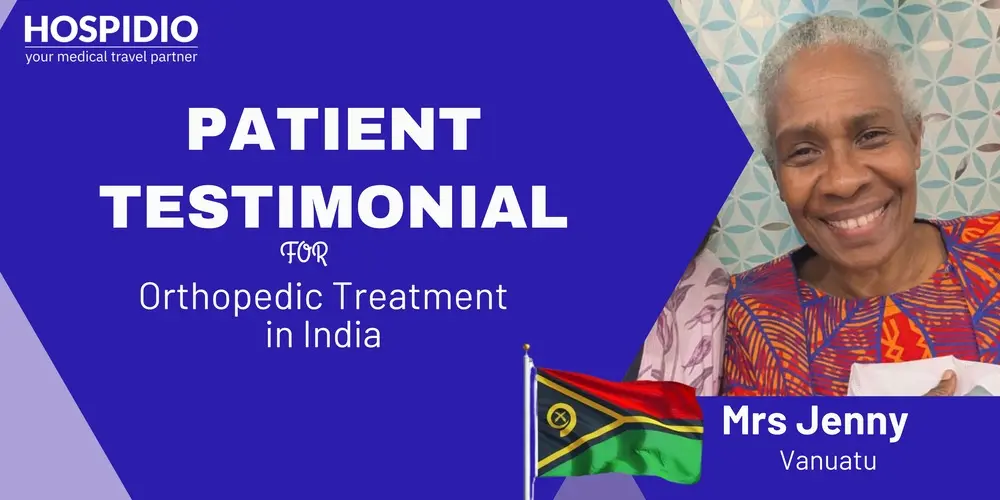
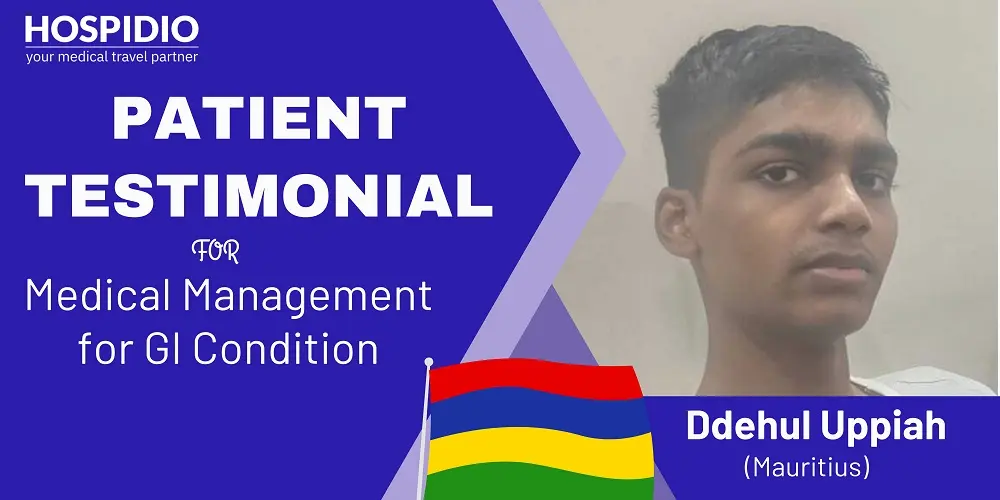
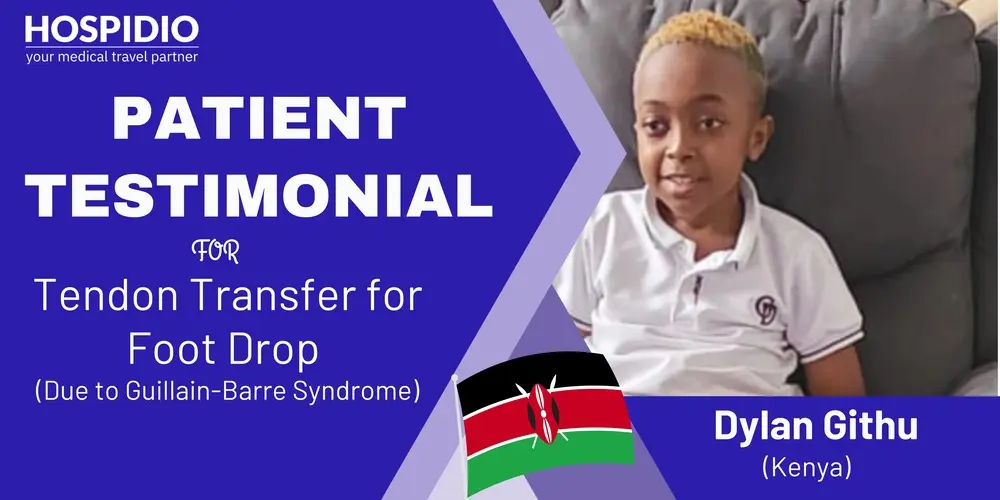
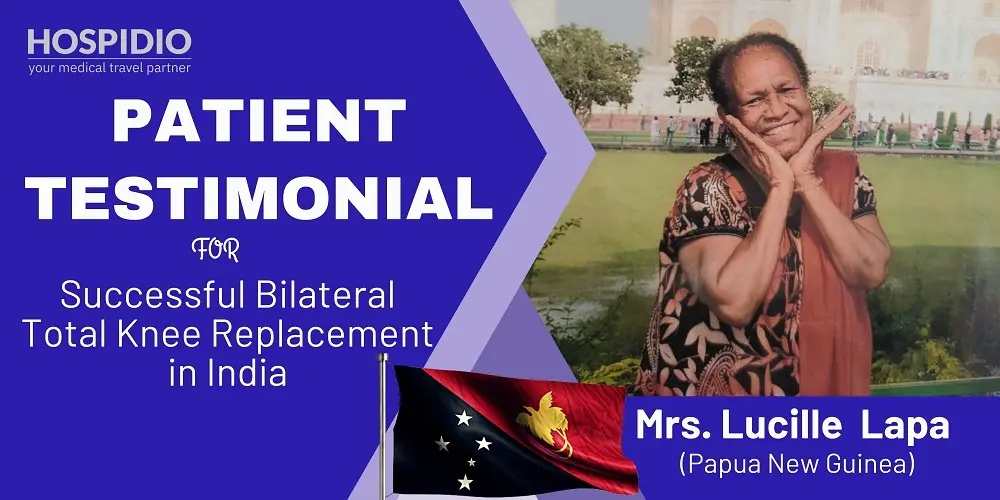
Lea historias reales de pacientes de HOSPIDIO.
Escucha los testimonios de pacientes como tú que evitaron riesgos y recibieron atención médica de primer nivel. Conoce sus historias.


Blogs


Baani Singh es becaria especializada en Gestión de Contenido y Marca en HOSPIDIO. Con un gran interés en la comunicación sanitaria, contribuye a la creación de contenido informativo y atractivo que conecta a los servicios médicos con los pacientes que buscan tratamiento en el extranjero. Su trabajo respalda la misión de HOSPIDIO de ofrecer soluciones accesibles y transparentes para viajes médicos.
Guneet Bhatia es la fundadora de HOSPIDIO y una experta revisora de contenido con amplia experiencia en desarrollo de contenido médico, diseño instruccional y blogs. Apasionada por la creación de contenido impactante, se destaca por garantizar la precisión y claridad de cada pieza. Guneet disfruta entablando conversaciones significativas con personas de diversos orígenes étnicos y culturales, lo que enriquece su perspectiva. En su tiempo libre, disfruta del tiempo de calidad con su familia, disfruta de la buena música y le encanta generar ideas innovadoras con su equipo.