
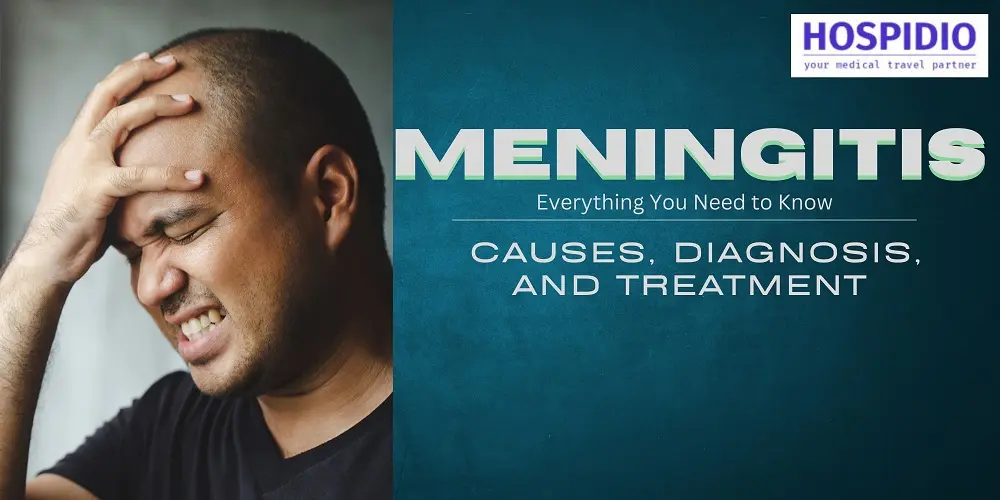
Meningitis is an infection marked by acute inflammation of the protective membranes surrounding the brain and the spinal cord leading to a potentially life-threatening condition. It is essential that necessary steps be taken quickly upon diagnosis, as this disease is lethal if undiagnosed. In order to effectively manage this disease and its implications, it is essential to take swift action upon diagnosis, as meningitis can be fatal if untreated. Understanding its causes, symptoms, diagnosis, and treatment options is crucial for effective management.
মেনিনজাইটিসের কারণ
Meningitis can be caused by various infectious agents or non-infectious conditions. The most common causes are:
ব্যাকটেরিয়াল মেনিনজাইটিস
While bacterial meningitis is the most dangerous, other infectious agents like viruses can also cause the disease. Common bacteria that cause meningitis include:
Neisseria meningitidis (meningococcal meningitis)
Streptococcus pneumoniae (pneumococcal meningitis)
Haemophilus influenzae type B (Hib meningitis)
ভাইরাল মেনিনজাইটিস
Typically less severe than bacterial meningitis, this form is usually caused by viruses such as:
এন্টারোভাইরাস
হারপিস সিমপ্লেক্স ভাইরাস
পশ্চিম নাইলে ভাইরাস
ফাঙ্গাল মেনিনজাইটিস
A rare form caused by fungi like Cryptococcus and Histoplasma, often affecting individuals with weakened immune systems.
Parasitic and Amebic Meningitis
Less common, but parasites like Naegleria fowleri can lead to this condition, usually after exposure to contaminated water.
অ-সংক্রামক কারণ
These include cancers, autoimmune diseases like lupus, certain drugs, or traumatic brain injury.
মেনিনজাইটিসের লক্ষণসমূহ
Meningitis presents with a range of symptoms, including the following in adults.
প্রচন্ড মাথাব্যথা
শক্ত ঘাড়
মাত্রাতিরিক্ত জ্বর
আলোর সংবেদনশীলতা (ফটোফোবিয়া)
বমি বমি ভাব
Altered mental status (confusion, drowsiness, difficulty concentrating)
হৃদরোগের আক্রমণ
Skin rash (especially in meningococcal meningitis)
In infants and young children, symptoms can be more subtle, requiring extra vigilance from caregivers:
বিরক্তি বা অতিরিক্ত কান্নাকাটি
দরিদ্র খাওয়ানো
তন্দ্রা
Bulging soft spot (fontanel) in infants
Unusual reflexes
মেনিনজাইটিস রোগ নির্ণয়
Timely diagnosis is critical for effective treatment. Diagnostic methods include:
Physical Examination: A doctor may check for neck stiffness, neurological symptoms, and other signs.
Lumbar Puncture (Spinal Tap): The most definitive test, where cerebrospinal fluid (CSF) is extracted and analysed for infection markers such as white blood cells, protein, and glucose levels. CSF culture helps identify the causative organism.
Blood Tests: These can reveal signs of infection and help rule out other potential causes.
Imaging Tests: CT scans or MRIs may be performed to check for inflammation, abscesses, or other abnormalities in the brain.
Polymerase Chain Reaction (PCR) Testing: This is used particularly for viral meningitis, helping to detect viral DNA or RNA.
মেনিনজাইটিসের চিকিৎসা
Treatment depends on the cause of meningitis. Early and appropriate treatment is important to prevent complications like brain damage, hearing loss, or death.
Bacterial Meningitis: Requires immediate hospitalisation and treatment with intravenous (IV) antibiotics. Corticosteroids may also be administered to reduce inflammation and close monitoring to prevent complications like septicemia or brain swelling.
Viral Meningitis: Since most cases are mild, treatment typically involves rest, hydration, and over-the-counter pain relievers. Severe cases may require antiviral medications. Most cases of viral meningitis resolve on their own, but hospitalisation may be necessary for severe cases.
Fungal Meningitis: Antifungal treatment is necessary, often requiring long-term therapy for full recovery.
Parasitic Meningitis: Treatment may involve antiparasitic medications, though this form is challenging to treat and often has a poor prognosis.
Non-Infectious Meningitis: Treatment focuses on addressing the underlying cause, such as immunotherapy for autoimmune diseases or discontinuing offending drugs.
মেনিনজাইটিস প্রতিরোধ
Prevention strategies are as follows:
Vaccinations: Vaccines are available for several types of meningitis, including meningococcal, pneumococcal, and Hib vaccines. Vaccines significantly reduce the risk of meningitis by building immunity against the most common bacterial strains.
Antibiotic Prophylaxis: Close contacts of someone with bacterial meningitis may be prescribed antibiotics to prevent infection.
Healthy Practices: Good hygiene, proper food handling, and avoiding contaminated water sources help reduce the risk of viral, parasitic, and fungal infections.
উপসংহার
Meningitis is a serious illness that is defined as an enlargement of the membranes covering the brain and spinal cord. It may result from an infection caused by a pathogen, virus, bacterium, fungus, or occasionally even non-infectious factors such medications and autoimmune. Similar to other illnesses, the condition manifests as severe head pain, neck stiffness, fever, and disorientation. The course of treatment differs depending on the underlying cause of the meningitis: intravenous antibiotics are necessary for bacterial meningitis, supportive care is needed for viral meningitis, and specialist treatment is needed for fungal or parasitic meningitis.
There are ways of preventing meningitis through immunizations and proper cleanliness for the most part especially on the bacterial forms. The best course of action for this seriously dangerous illness is to act quickly, get an early diagnosis, and stop it from becoming out of hand.
সাম্প্রতিক ব্লগ

Himang Gupta is a skilled medical content writer with a Bachelor's degree in Biotechnology and extensive experience crafting engaging and informative blogs. Passionate about simplifying complex medical topics, he ensures his content resonates with readers. When not researching or writing, Himang enjoys scrolling Instagram, cracking jokes, and savoring the flavor of elaichi—his ultimate treat after a productive writing session.
গুনীত ভাটিয়া হসপিডিও-এর প্রতিষ্ঠাতা এবং একজন সফল কন্টেন্ট রিভিউয়ার, যার মেডিকেল কন্টেন্ট ডেভেলপমেন্ট, ইনস্ট্রাকশনাল ডিজাইন এবং ব্লগিং-এ ব্যাপক অভিজ্ঞতা রয়েছে। প্রভাবশালী কন্টেন্ট তৈরিতে আগ্রহী হওয়ায়, তিনি প্রতিটি লেখায় নির্ভুলতা এবং স্পষ্টতা নিশ্চিত করতে পারদর্শী। গুনীত বিভিন্ন জাতি ও সংস্কৃতির মানুষের সাথে অর্থপূর্ণ কথোপকথনে অংশ নিতে ভালোবাসেন, যা তার দৃষ্টিভঙ্গিকে সমৃদ্ধ করে। কাজের বাইরে তিনি পরিবারের সাথে ভালো সময় কাটাতে, ভালো গান শুনতে এবং তার দলের সাথে নতুন নতুন ধারণা নিয়ে আলোচনা করতে পছন্দ করেন।