
Best Urologists in Turkey
Urologists in Turkey are highly qualified, holding MD degrees with specialization in Urology and often fellowships in endourology or robotic surgery from leading institutions abroad. Many have trained in Europe or the US, delivering world-class expertise in managing kidney stones, prostate disorders, bladder cancers, UTIs, erectile dysfunction, and infertility.
With access to da Vinci robotic systems and laser technologies in JCI-accredited hospitals, Turkish urologists perform minimally invasive surgeries, advanced endoscopies, and precise diagnostics. Global patients choose Turkey for exceptional success rates, affordability (up to 70% savings), and holistic care, serving as a superior, economical alternative to Western medical systems.
Tell Us About Your Need
Free case review. Confidential. No obligation.Doctors Available for Consultation on Request
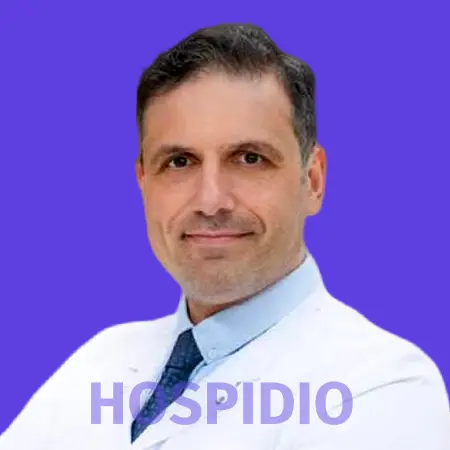
Assoc. Prof. Dr. Emre Salabas
Associate Professor Biruni University Hospital, Istanbul, Turkey SpeaksEnglish(Interpreter Available)Specialized in
- Consultation Fee on Request
- 12+ years of exp.
- 7k+ Consultations
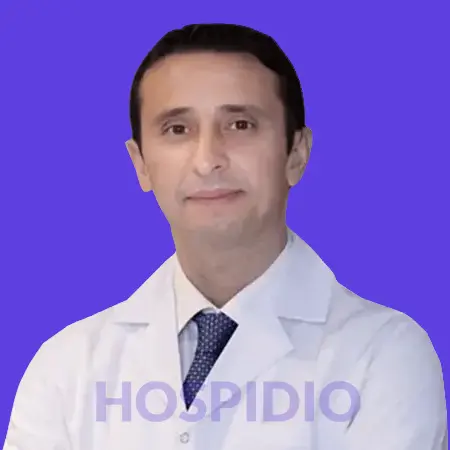
Dr. Eren Soner Tekin
Specialist in Urology Medicana Camlica Hospital, Istanbul, Turkey SpeaksTurkish, English(Interpreter Available)Specialized in
- Consultation Fee on Request
- 15+ years of exp.
- 50k+ Consultations
Not sure which doctor is right for you?
Share your condition and we'll match you with the best specialist.
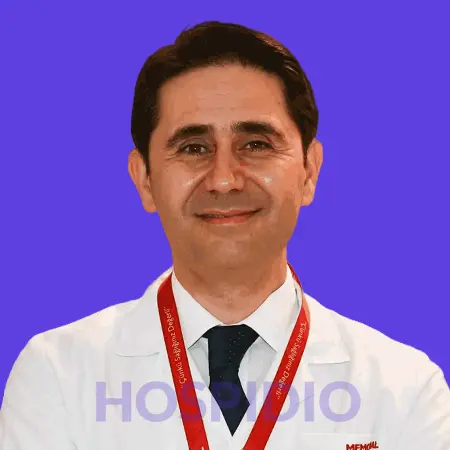
Dr. Fatih Yanaral
Urology Specialist Memorial Sisli Hospital, Istanbul, Istanbul, Turkey SpeaksEnglish, Turkish(Interpreter Available)Specialized in
- Consultation Fee on Request
- 14+ years of exp.
- 40k+ Consultations
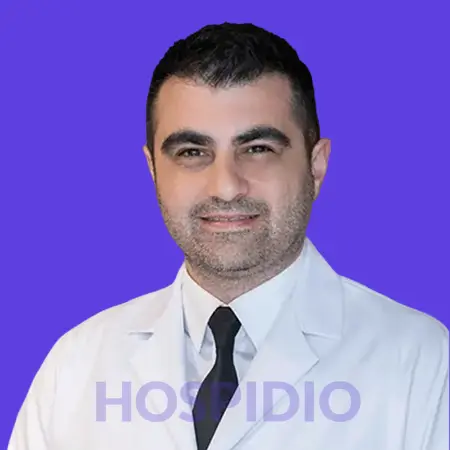
Dr. Furkan Sendogan
Consultant Urologist Medicana Camlica Hospital, Istanbul, Turkey SpeaksEnglish, Turkish(Interpreter Available)Specialized in
- Consultation Fee on Request
- 14+ years of exp.
- 45k+ Consultations
Not sure which doctor is right for you?
Save time and search below.
Dr. Ilhami Gulluoglu
Urologist Adult and Pediatric Urology Istinye University Medical Park Gaziosmanpasa Hospital, Istanbul, Turkey SpeaksTurkish, English(Interpreter Available)Specialized in
- Consultation Fee on Request
- 25+ years of exp.
- 80k+ Consultations
Dr. Mert Altinel
Associate Professor of Urology Acibadem International Hospital, Istanbul, Turkey SpeaksTurkish, English(Interpreter Available)Specialized in
- Consultation Fee on Request
- 24+ years of exp.
- 94k+ Consultations
- 5k+ Surgeries
Our team knows every specialist on this list personally.
Dr. Murat Binbay
Urology Specialist Memorial Sisli Hospital, Istanbul, Istanbul, Turkey SpeaksTurkish, English(Interpreter Available)Specialized in
- Consultation Fee on Request
- 25+ years of exp.
- 66k+ Consultations
- 15k+ Surgeries
Dr. Ramazan Yavuz
Professor of Urology Acibadem International Hospital, Istanbul, Turkey SpeaksEnglish, Turkish(Interpreter Available)Specialized in
- Consultation Fee on Request
- 30+ years of exp.
- 80k+ Consultations
Not sure which doctor is right for you?
Save time and search below.
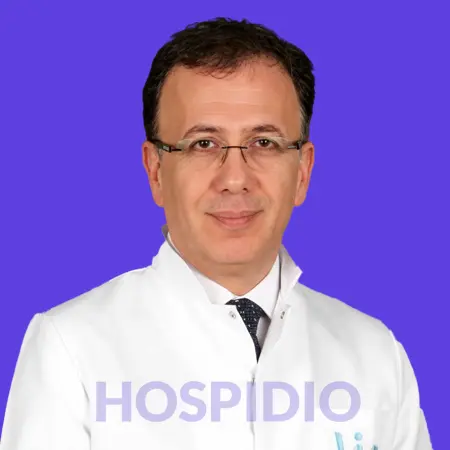
Prof. Dr. Semih Ayan
Professor of Urology; Senior Consultant / Urology Specialist. VM Medical Park Florya Hospital, Istanbul, Turkey SpeaksTurkish, English(Interpreter Available)Specialized in
- Consultation Fee on Request
- 30+ years of exp.
- 75k+ Consultations

Prof. Emrah Yuruk
Prof. of Urology Medicana International, Istanbul, Turkey SpeaksTurkish, English(Interpreter Available)Specialized in
- Consultation Fee on Request
- 19+ years of exp.
- 36k+ Consultations
Let us help you find yours.
Frequently Asked Questions
A urologist is a surgeon specializing in the urinary tract and male reproductive system, requiring an MD, 5-year urology residency in Turkey, and often EB U certification for advanced practice.
Common procedures include TURP for BPH, robotic prostatectomy, PCNL for kidney stones, ureteroscopy, cystolithotripsy, nephroureterectomy, and penile prosthesis implantation.
Treatments feature da Vinci robotic surgery, Holmium laser enucleation (HoLEP), HIFU, Aquablation, focal therapy for prostate cancer, and AI-enhanced diagnostics.
Urologists treat prostate, bladder, kidney (RCC), testicular, penile, and ureteral cancers using robotic cystectomy, partial nephrectomy, and multimodal approaches.
Treatment includes ESWL (shock wave lithotripsy, >80% success for small stones), RIRS (flexible ureteroscopy), PCNL for large stones, and medical expulsive therapy; non-invasive ESWL is first-line for <2cm stones.